Sweden · Europe
Gothenburg
Sweden's second city holds an actual archipelago of car-free islands reachable by public ferry on a standard transit ticket — a genuine Nordic island escape that most visitors never realize is a twenty-minute boat ride from the city center.
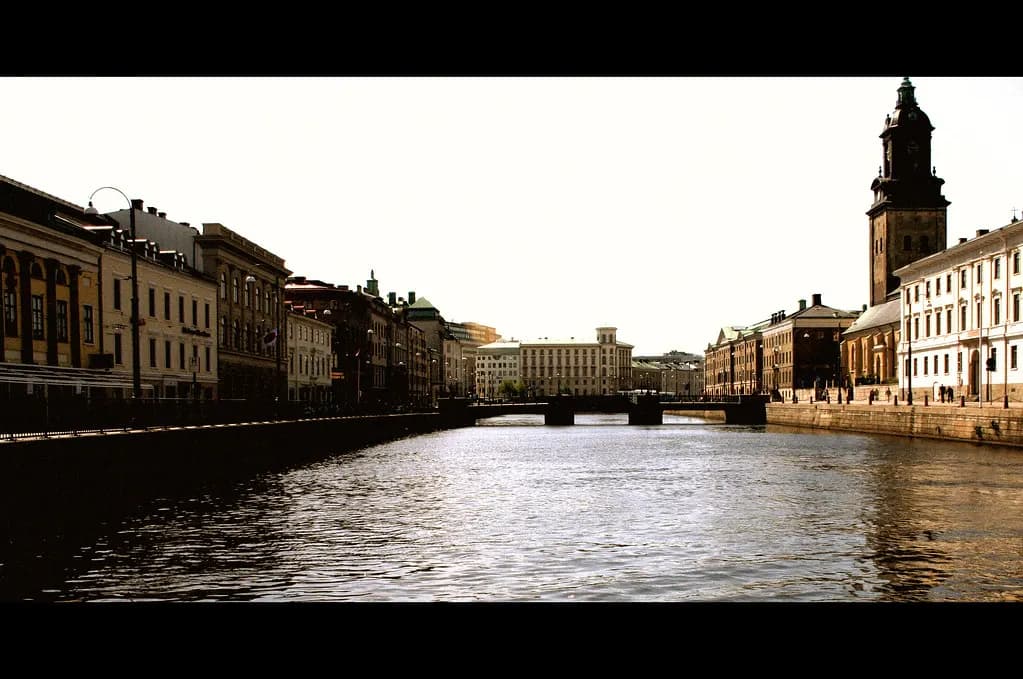
Gothenburg was founded in the early 17th century with direct Dutch involvement, and the canal layout running through parts of the city center still visibly reflects that origin — a detail that gives Gothenburg a genuinely different historic character from Stockholm's more purely Scandinavian old town.
The city's biggest practical advantage over Stockholm is the Southern Archipelago, a scatter of largely car-free islands reachable by public ferry from Saltholmen, itself just a tram ride from the city center. Unlike many archipelago excursions elsewhere that require a separate, often pricier tourist boat ticket, Gothenburg's islands are covered by the same standard public transit pass used for city buses and trams — a genuinely rare level of accessibility for this kind of island escape. Styrsö and Brännö, two of the more visited islands, offer walking trails, small fishing villages, and swimming spots within an easy half-day trip.
Feskekôrka, whose name translates to "fish church" for its Gothic-church-shaped exterior, has functioned as an indoor fish market and informal dining hall since the 1870s — a genuinely local institution rather than a tourist-oriented food hall, and one of the best places in the city to eat fresh Swedish West Coast seafood.
Haga, Gothenburg's oldest suburb, survived waves of urban redevelopment better than similar districts in other Swedish cities, preserving rows of wooden houses now filled with cafés — the neighborhood is closely associated with fika, Sweden's institutionalized coffee-and-pastry break, especially its oversized cinnamon buns.
Prices here track the rest of Sweden closely, generally a notch below Stockholm but still solidly in the expensive tier by European standards, which makes Gothenburg a reasonable, calmer alternative for travelers who want genuine Swedish city and archipelago experiences without Stockholm's crowds or its very top-tier costs.
What a trip here actually costs
$150 / day avg.
- 3-star hotel near the center
- Archipelago ferry day trip (covered by a transit pass)
- Sit-down Swedish seafood dinners
- Feskekôrka fish market lunch
What to do at this tier
- • Southern Archipelago day trip via public ferry from Saltholmen, covered by a standard transit ticket
- • Feskekôrka, a church-shaped indoor fish market and restaurant hall, for a seafood lunch
- • Haga district wander, wooden houses and café culture in Gothenburg's oldest suburb, free to walk
$320 / day avg.
- 4-5 star hotel near the canals
- Private guided canal and archipelago boat tour
- Multi-course seafood tasting menu
- Private island-hopping day in the Southern Archipelago
What to do at this tier
- • Private guided canal boat tour through the historic 17th-century waterways
- • Private island-hopping day across multiple Southern Archipelago islands
- • Multi-course seafood tasting menu at a well-regarded Gothenburg restaurant
These are average estimates for planning purposes, not real-time prices — actual costs vary by season, availability, and how far ahead you book.
How to get there
Click anywhere on the world map — any airport works, not just our main hubs.
Click anywhere on the map above — any airport in the world works — to see estimated travel time and cost from there.
Times and prices are planning estimates, not live fares — always check a booking site before you commit. See the full Transport Comparison guide for the general tradeoffs of each mode.
Best time to visit
May-August brings the mildest weather and the longest daylight, best for archipelago day trips; winters are cold and dark, similar to the rest of Sweden.
Safety notes
Very safe overall, among the safer cities in Europe. Minimal precautions needed beyond normal urban awareness.
Visa & currency
Swedish krona (SEK), not the euro. Sweden is in the Schengen area; standard 90-day visa-free rule applies for most Western passport holders.
Questions people ask before visiting
Is Gothenburg worth visiting?
Yes — it has genuine canal-city charm from its Dutch-influenced 17th-century founding, a seafood scene that rivals Stockholm's, and uniquely easy access to a real, largely car-free archipelago using standard public transit tickets, something Stockholm's archipelago doesn't offer as conveniently.
How do I visit the Gothenburg archipelago?
Public ferries run from Saltholmen, reachable by tram from the city center, out to the Southern Archipelago's car-free islands, all covered by a standard Västtrafik transit ticket rather than a separate tourist boat fare. Styrsö and Brännö are two of the more popular, easily walkable islands for a half-day or full-day trip.
Gothenburg or Stockholm — which should I prioritize?
Stockholm is the larger, more famous capital with more concentrated major sights. Gothenburg is calmer, more affordable, has a stronger seafood and café culture, and offers genuinely easier archipelago access. It rewards travelers who've already done Stockholm or want a lower-key Swedish city experience.
Is Gothenburg expensive?
Yes, consistent with the rest of Sweden — one of the pricier destinations in this guide, though generally a notch below Stockholm. Budget travel in the strict backpacker sense is genuinely difficult here.
How many days do you need in Gothenburg?
Two days covers the historic canal district and the fish market. A third day allows a full day out in the Southern Archipelago, comfortably reachable and worth the extra time.
Nearby destinations
 Stockholm
Stockholm
Sweden
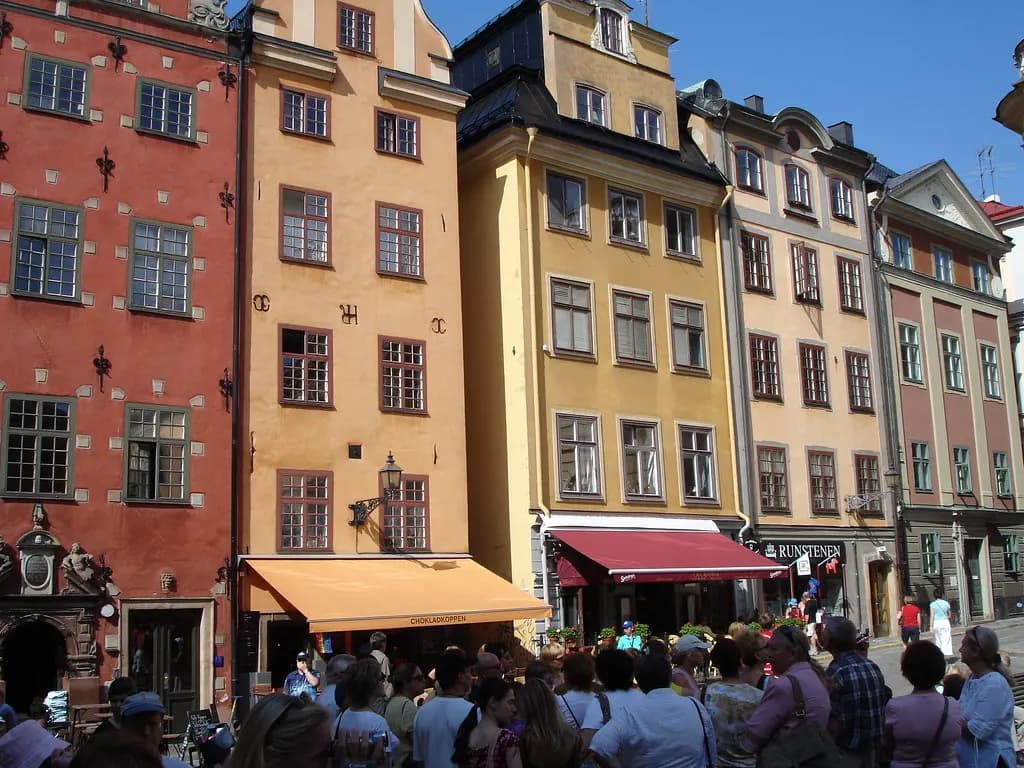
A 17th-century warship sank about 1,300 meters into its maiden voyage, sat at the bottom of the harbor for over 300 years, and is now the single most-visited thing in the city — recovered almost perfectly intact.
See full guide →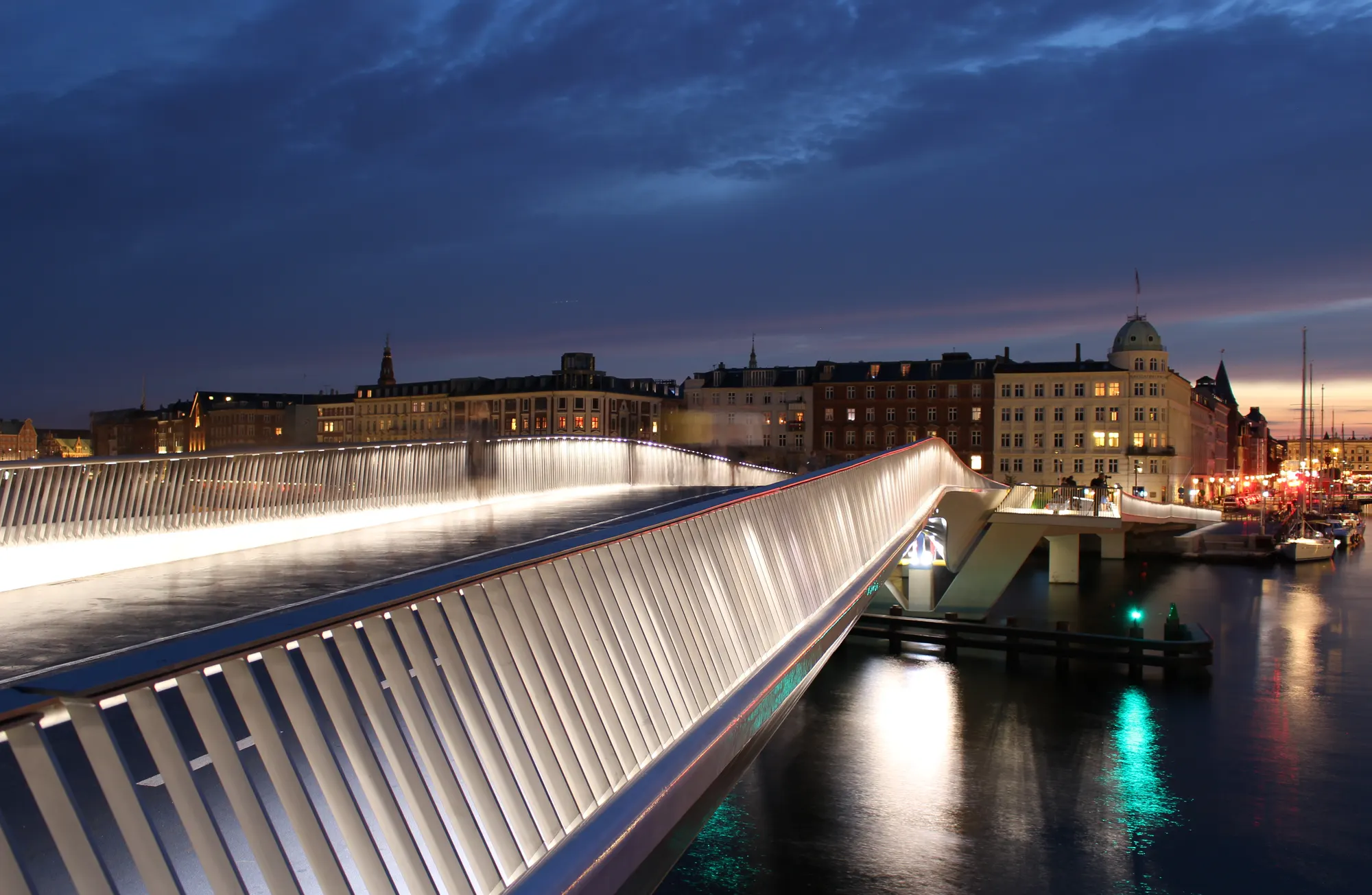 Copenhagen
Copenhagen
Denmark
An amusement park older than the Eiffel Tower still runs in the middle of downtown, right next to the restaurant that spent years being called the best in the world.
See full guide →Comparing more than one route? See the full transport comparison guide.