Sweden · Europe
Stockholm
A 17th-century warship sank about 1,300 meters into its maiden voyage, sat at the bottom of the harbor for over 300 years, and is now the single most-visited thing in the city — recovered almost perfectly intact.
The Vasa sank on its maiden voyage in 1628, barely 1,300 meters from the dock, after a gust of wind caught its sails and it listed too far to recover — top-heavy from an extra gun deck added late in construction, against the advice of the shipbuilders. It sat in the harbor's cold, low-salinity water for 333 years, which turned out to be exactly the conditions that prevented the wood-boring worms that would have destroyed a similar wreck almost anywhere else. When it was raised in 1961, it came up around 95% intact — the best-preserved 17th-century ship in the world, and now the centerpiece of a museum built specifically around it.
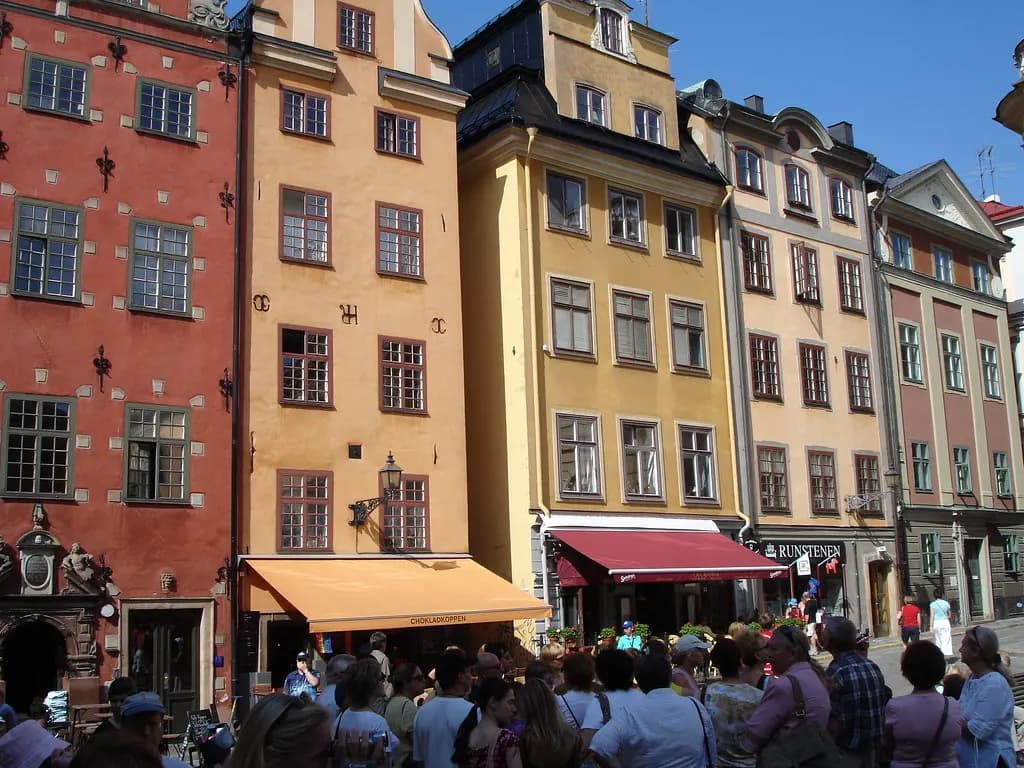
Stockholm is built across 14 islands connected by around 50 bridges, and Gamla Stan, the medieval old town, is the most compact and photogenic of them — narrow cobblestone streets, the Royal Palace (still the monarchy's official residence, though the royal family lives elsewhere), and a genuine concentration of buildings dating to the 13th century. It's also the most tourist-dense part of the city, worth an early morning visit before the day-trip crowds arrive.
The Stockholm archipelago extends east from the city into the Baltic, made up of somewhere around 30,000 islands and skerries depending on how you count, most uninhabited or lightly settled with summer cottages. A half-day boat trip out into it is one of the more distinctive things available here — a genuinely different landscape reachable in under an hour from a European capital, something most cities this size simply don't have on offer.
Fika, the Swedish institution of a deliberate coffee-and-pastry break, isn't a marketing concept — it's a real daily habit, often written into workplace schedules, built around slowing down rather than caffeinating efficiently. Södermalm, the island south of the old town, has become the city's design and café district and is a reasonable place to actually do it, alongside vintage shops and a slower pace than the more tourist-trafficked center.
Daylight here swings harder than in most of Europe. June brings nearly round-the-clock light, with sunsets close to midnight and a real midsummer culture built around it; the winter solstice flips that entirely, down to a few hours of weak daylight. Visiting in summer maximizes sightseeing time; visiting in deep winter is its own specific experience, chosen deliberately by travelers who want the contrast rather than avoided by everyone else.
What a trip here actually costs
$150 / day avg.
- 3-star hotel in Södermalm or near the center
- Stockholm Pass for museum entry and transit
- Fika (coffee and pastry) breaks, one sit-down dinner
- Half-day archipelago boat tour
What to do at this tier
- • Gamla Stan (Old Town) wander, cobblestone streets and the Royal Palace exterior, mostly free
- • Vasa Museum, the recovered 17th-century warship, genuinely worth the ticket
- • Half-day archipelago boat tour into the surrounding islands
$340 / day avg.
- 4-5 star hotel near Gamla Stan or the waterfront
- Private guided Old Town and Vasa Museum tour
- Multi-course New Nordic tasting menu
- Private archipelago cruise with an island lunch stop
What to do at this tier
- • Private guided tour combining Gamla Stan with the Royal Palace's state apartments
- • Private full-day archipelago cruise with a stop for lunch on one of the smaller islands
- • Tasting menu dinner at a restaurant built around New Nordic technique
These are average estimates for planning purposes, not real-time prices — actual costs vary by season, availability, and how far ahead you book.
How to get there
Click anywhere on the world map — any airport works, not just our main hubs.
Click anywhere on the map above — any airport in the world works — to see estimated travel time and cost from there.
Times and prices are planning estimates, not live fares — always check a booking site before you commit. See the full Transport Comparison guide for the general tradeoffs of each mode.
Best time to visit
May-August brings the longest daylight hours and mildest weather; visit in winter specifically if the short days and potential for snow are part of the appeal rather than a drawback.
Safety notes
Very safe overall, among the safer major European capitals. Standard urban caution at night is enough.
Visa & currency
Swedish krona (SEK), not the euro. Sweden is in the Schengen area; standard 90-day visa-free rule applies for most Western passport holders.
Questions people ask before visiting
Is Stockholm expensive to visit?
Yes, consistently one of the pricier Northern European capitals, though slightly less extreme than Zurich or Reykjavik. Food and drink specifically run high; museums and public transit are more reasonably priced by comparison.
Is an archipelago boat tour worth it?
Yes, and it's one of the more distinctive things you can do here — the Stockholm archipelago has around 30,000 islands and skerries, and even a short two-to-three-hour boat trip gets you genuinely away from the city into a landscape most visitors don't expect from a European capital.
How long should I spend at the Vasa Museum?
At least ninety minutes to two hours. The ship itself takes time to properly view from multiple levels, and the surrounding exhibits on 17th-century shipbuilding and the salvage operation add real context rather than being filler.
When is the best time to visit for daylight?
May through August gives the longest days, with near-midnight sunsets in June — genuinely useful for packing in sightseeing. Winter swings the other way, with only a few hours of daylight around the solstice, which some visitors specifically want for the contrast.
How many days do you need in Stockholm?
Three days covers Gamla Stan, the Vasa Museum, and a half-day archipelago boat trip. A fourth day allows a slower pace through Södermalm's design shops and cafés.
Nearby destinations
 Copenhagen
Copenhagen
Denmark
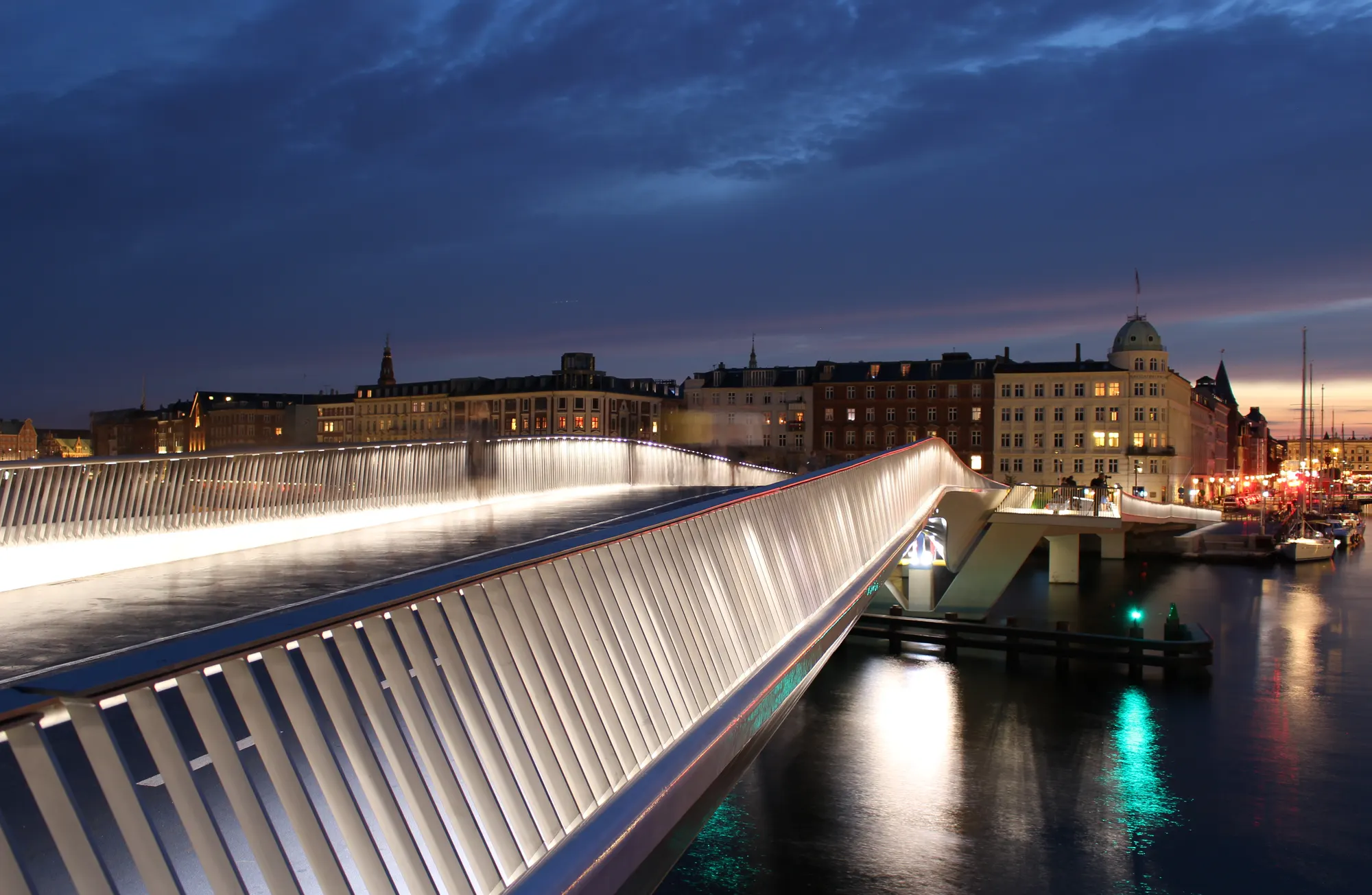
An amusement park older than the Eiffel Tower still runs in the middle of downtown, right next to the restaurant that spent years being called the best in the world.
See full guide →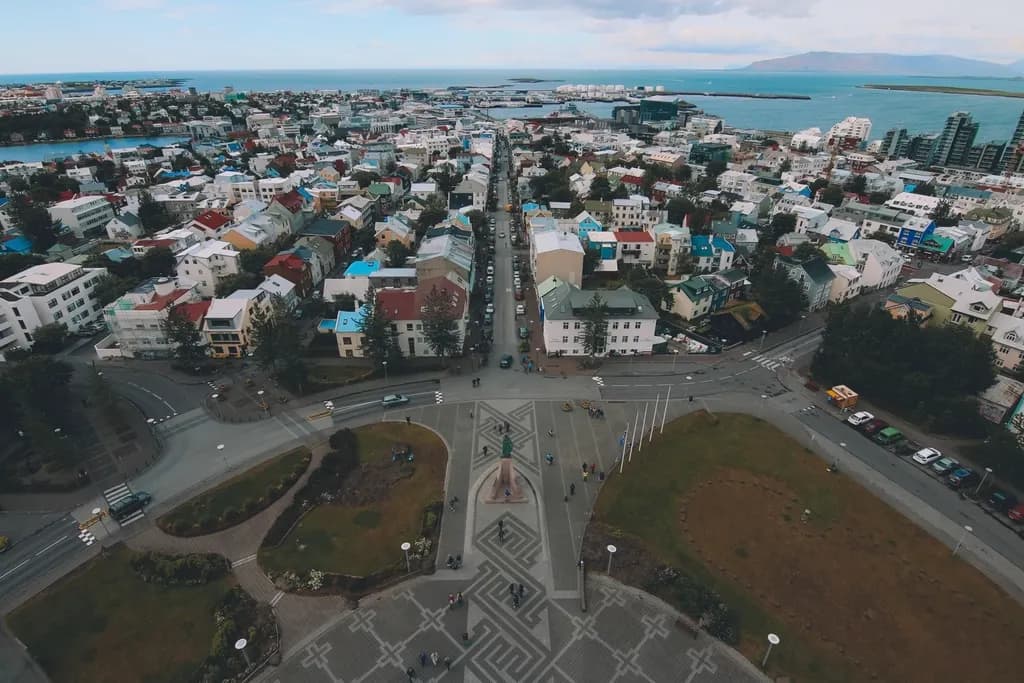 Reykjavik
Reykjavik
Iceland
The tap water comes straight from glacial springs and most homes are heated by the ground itself — geothermal energy covers virtually all of the city's heating, which is the quiet fact behind almost everything you'll notice here.
See full guide →Comparing more than one route? See the full transport comparison guide.