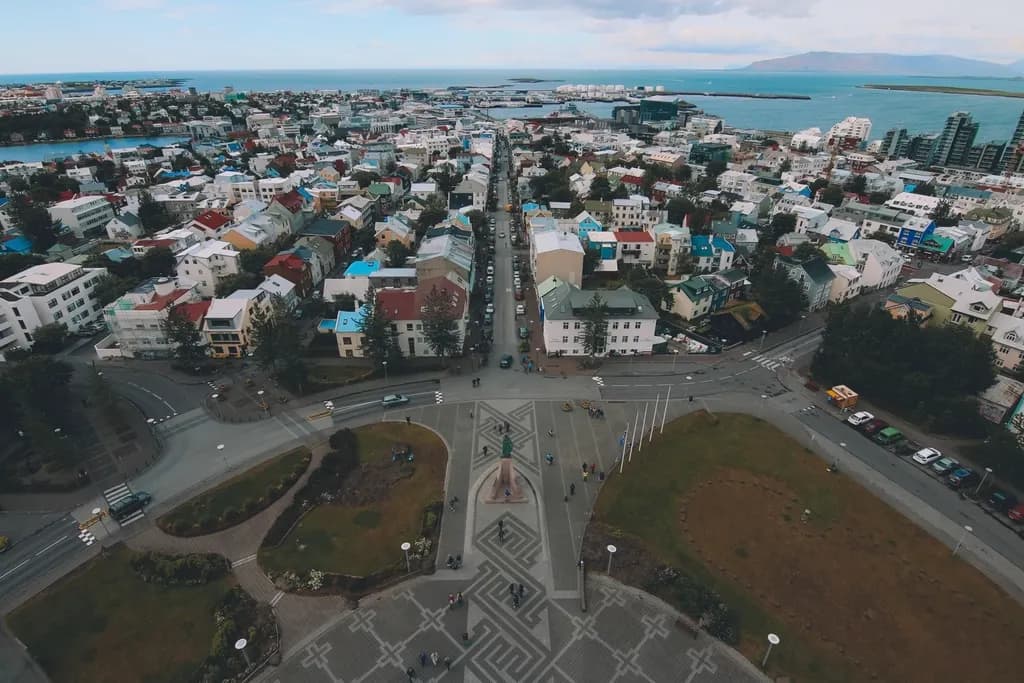
Iceland · Europe
Reykjavik
The tap water comes straight from glacial springs and most homes are heated by the ground itself — geothermal energy covers virtually all of the city's heating, which is the quiet fact behind almost everything you'll notice here.
Reykjavik runs on the ground beneath it more literally than almost any other capital in this guide. Iceland sits on the Mid-Atlantic Ridge, where two tectonic plates are pulling apart, and the geothermal activity that results heats nearly all of the city through a district heating system piping hot water straight from the earth into homes. The tap water, cold and hot both, traces back to glacial springs and geothermal sources rather than a treatment plant — it's genuinely fine, often better, to drink straight from the tap here than to buy bottled water.
The Blue Lagoon is the single most-booked experience in the country and for good reason — a milky-blue geothermal pool set in a black lava field, warm enough to sit in comfortably regardless of the air temperature. It's also become genuinely difficult to get into on short notice; slots for peak summer dates or specific times sell out weeks ahead. It's worth knowing it isn't the only geothermal spa in the region — Sky Lagoon, closer to the city, and several others draw smaller crowds for a similar experience.
The Golden Circle is the standard first day trip, and it earns the reputation: Þingvellir National Park, where the North American and Eurasian tectonic plates are visibly pulling apart and where Iceland's original parliament met starting in 930 AD; the Geysir geothermal area, origin of the English word "geyser," where a smaller neighboring spout called Strokkur erupts reliably every few minutes; and Gullfoss, a two-tiered waterfall that drops into a canyon dramatically enough to justify the crowds it draws. All three sit within a single day's drive of the capital.
Winter brings the northern lights, which draw a specific kind of visitor willing to accept genuine uncertainty — clear skies and solar activity both need to align, and no tour company can actually guarantee a sighting on any given night, regardless of what the marketing implies. Getting even a short distance outside Reykjavik's light pollution meaningfully improves the odds on a night when conditions are right.
None of this comes cheap. Iceland's remoteness and small population — around 140,000 people in the capital area, a fraction of most European capitals — push prices for food, alcohol, and car rental well above the European average. Budget travel in the conventional backpacker sense is genuinely difficult here; most visitors plan around mid-range or higher spending from the start rather than fighting the local cost structure.
What a trip here actually costs
$240 / day avg.
- 3-star hotel or guesthouse in the city center
- Rental car for a Golden Circle day
- Casual restaurant meals, one pylsur hot dog stop
- Blue Lagoon entry, booked weeks ahead
What to do at this tier
- • Hallgrímskirkja church tower for a panoramic city view, small ticket price
- • Golden Circle self-drive day: Þingvellir, Geysir, Gullfoss
- • Pylsur hot dog from a well-known downtown stand, a genuine local tradition
$480 / day avg.
- 4-5 star hotel with design or spa focus
- Private Golden Circle tour with a driver-guide
- Multi-course New Icelandic tasting menu
- Northern lights tour with a photography guide, in season
What to do at this tier
- • Private Golden Circle tour with a knowledgeable driver-guide
- • Guided northern lights tour with a photographer, in season
- • Tasting menu at a restaurant built around New Icelandic cuisine
These are average estimates for planning purposes, not real-time prices — actual costs vary by season, availability, and how far ahead you book.
How to get there
Click anywhere on the world map — any airport works, not just our main hubs.
London is one of our researched reference cities — every mode below is hand-checked, not a formula.
| Mode | Time | Approx. cost | Notes |
|---|---|---|---|
| Flight | 3h10 | $90-260 | Fastest option; book 6-8 weeks out for the lower end of the range. |
Times and prices are planning estimates, not live fares — always check a booking site before you commit. See the full Transport Comparison guide for the general tradeoffs of each mode.
Best time to visit
June-August brings near-endless daylight and access to highland roads; September-March trades daylight for a real shot at the northern lights.
Safety notes
Very safe from crime. The real risks are weather and terrain related — conditions change fast, and self-driving in winter requires real caution and checking road conditions before setting out.
Visa & currency
Icelandic króna (ISK). Iceland is in the Schengen area; standard 90-day visa-free rule applies for most Western passport holders.
Questions people ask before visiting
Is Reykjavik and Iceland generally expensive?
Yes, consistently among the most expensive destinations in Europe — food, alcohol, and car rental all run high, driven by the country's remoteness and small population. Budgeting closer to the mid-range or luxury tier is realistic for most visitors, since true budget travel is genuinely difficult here.
How far ahead should I book the Blue Lagoon?
Weeks ahead, not days, especially for summer visits or a specific time slot — it regularly sells out entirely during peak season. It's also worth knowing it's one of several geothermal spas in the area, not the only one, and some locals prefer the quieter alternatives.
When is the best time to see the northern lights?
Roughly September through March, when the nights are dark enough, though nothing is guaranteed — clear skies and solar activity both have to cooperate. Getting away from Reykjavik's light pollution meaningfully improves your odds even on a good night.
Is the Golden Circle worth doing as a day trip from Reykjavik?
Yes, and it's the most accessible way to see Iceland's landscape without a multi-day road trip — Þingvellir National Park, the Geysir geothermal area, and Gullfoss waterfall are all within a single day's drive of the capital.
Do I need to rent a car in Reykjavik?
The city center itself is walkable, but a car opens up the Golden Circle and the south coast without relying on organized tour schedules. Rental and fuel prices are high, so weigh that against the flexibility it buys you.
Nearby destinations
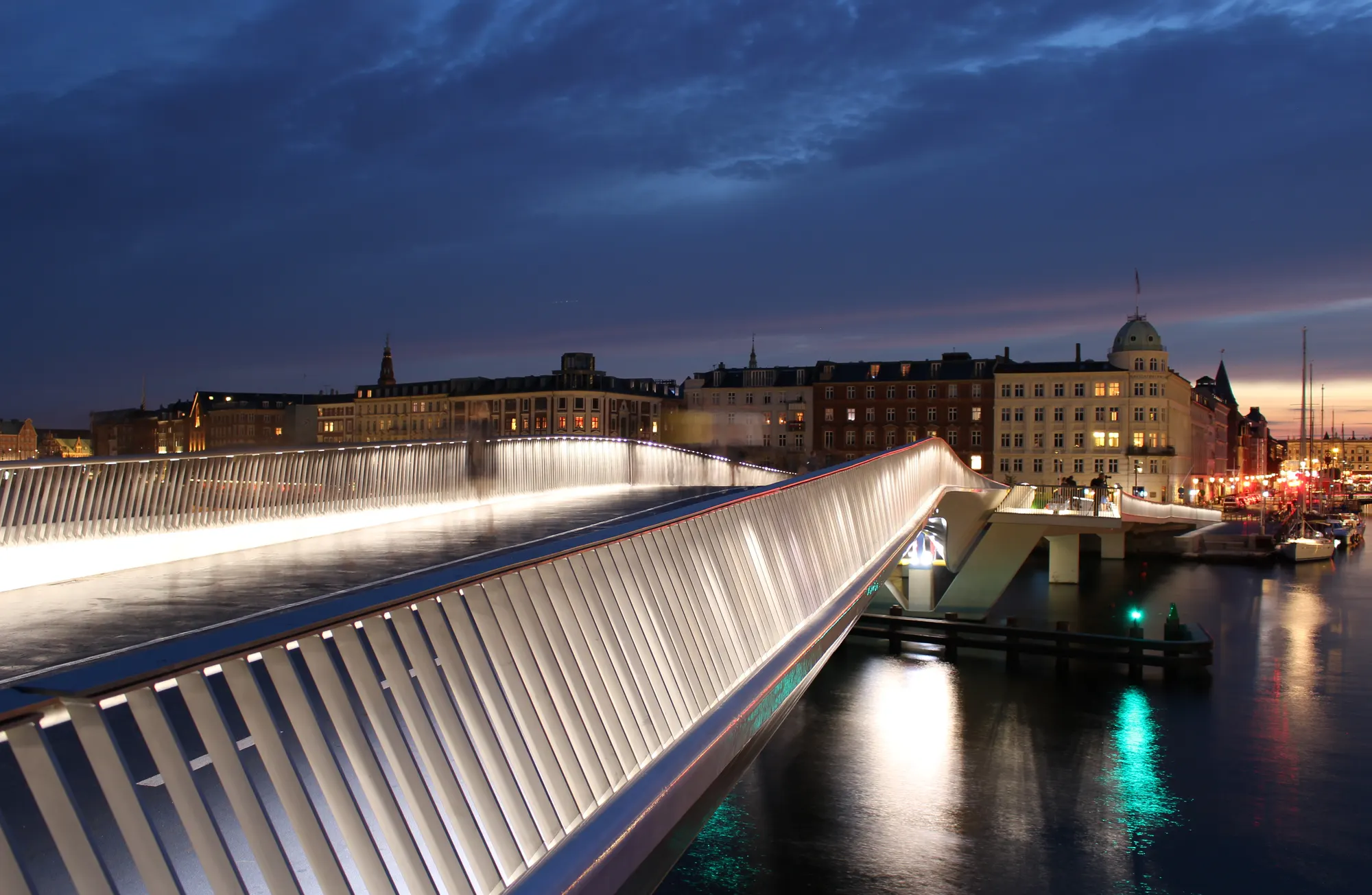 Copenhagen
Copenhagen
Denmark
An amusement park older than the Eiffel Tower still runs in the middle of downtown, right next to the restaurant that spent years being called the best in the world.
See full guide →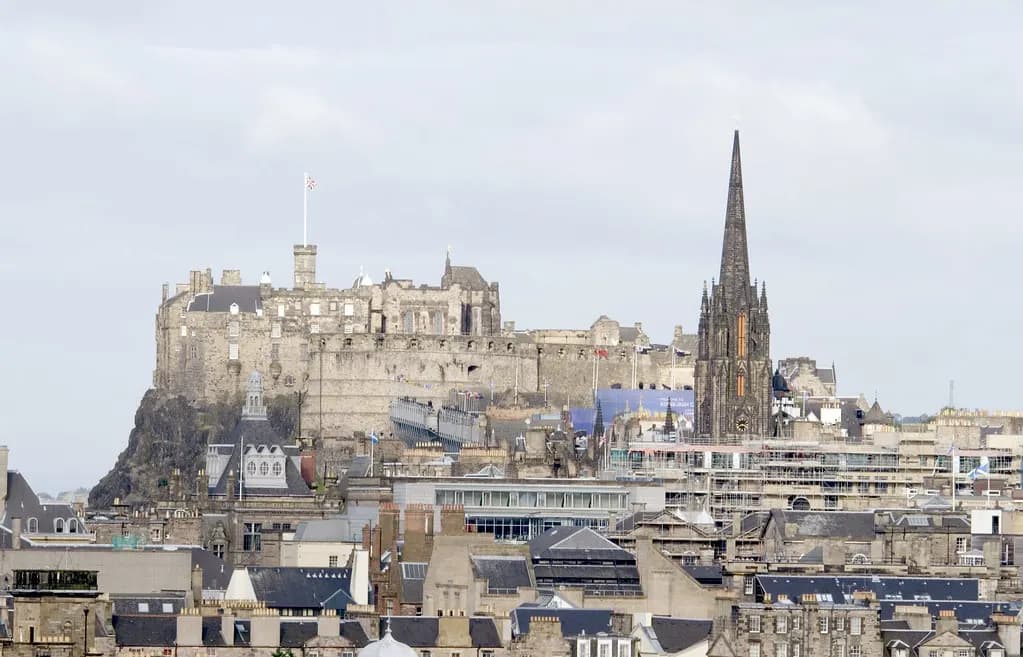 Edinburgh
Edinburgh
Scotland, United Kingdom
An extinct volcano sits inside the city limits, and you can hike to the top of it in under an hour, then be back at a pub on the Royal Mile before your legs stop complaining.
See full guide →Comparing more than one route? See the full transport comparison guide.