Spain · Europe
Málaga
Pablo Picasso was born in Málaga and left at age 19, never to live there again — yet the city has built one of its most significant modern museums specifically around a childhood he spent barely two decades of his life in.
Pablo Picasso was born in Málaga in 1881 and left for good at 19, spending the rest of his long career and life in Madrid, Barcelona, and France — yet the city has built two separate museums around those first two decades: the Picasso Museum, covering a broader sweep of his work through pieces donated by his family, and the more intimate Picasso Birthplace Museum a few streets away, focused specifically on his childhood home and early family life.
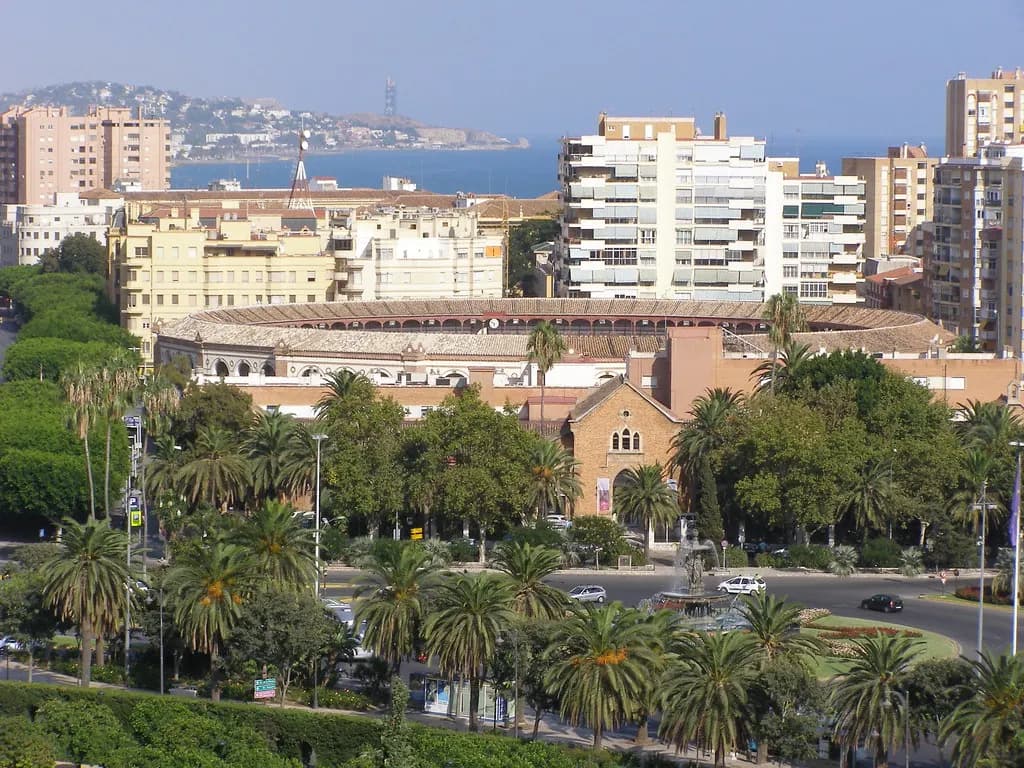
The Alcazaba, a Moorish fortress-palace overlooking the city center, dates to the 11th century and remains one of the best-preserved Islamic-era fortifications in Spain, connected by a fortified corridor to the even older Gibralfaro castle further up the hill — together giving Málaga a defensive architectural history stretching back well before the Reconquista.
For much of the late 20th century, Málaga functioned mainly as the airport gateway to the Costa del Sol's beach resorts rather than a destination itself. That's changed substantially over the past two decades through deliberate cultural investment — new museums, a revitalized historic center, and a growing contemporary art scene have given the city its own identity distinct from the resort towns along the coast.
La Malagueta, the city's main beach, sits close enough to the historic center to make Málaga one of the few Spanish cities offering genuine beach access without leaving the urban core, and espetos — sardines skewered on wooden sticks and grilled over open beachside fires — remain a specifically Málaga culinary tradition worth seeking out.
Beyond the city, Ronda, perched dramatically over a deep gorge and connected by an 18th-century stone bridge, and the Caminito del Rey, a narrow cliffside walkway once considered one of the most dangerous hikes in the world before renovation, both make for substantial and worthwhile day trips into the surrounding Andalusian countryside.
What a trip here actually costs
$45 / day avg.
- Hostel near the historic center
- Bus day pass
- Tapas bar-hopping for meals
- Free beach time and Alcazaba grounds
What to do at this tier
- • Alcazaba fortress grounds and views over the city, modest entry fee
- • La Malagueta beach, a genuine city beach, free
- • Historic center wander, including the cathedral exterior, free
$100 / day avg.
- 3-star hotel near the center
- Picasso Museum and Alcazaba entry
- Sit-down Andalusian dinners
- Day trip to Ronda
What to do at this tier
- • Picasso Museum, covering the artist's broader career alongside his Málaga origins
- • Picasso Birthplace Museum, a more intimate look at his early family life
- • Sit-down dinner featuring espetos, sardines grilled beachside on wooden skewers, a genuine Málaga specialty
$220 / day avg.
- 4-5 star hotel near the historic center or beach
- Private guided Picasso and Moorish history tour
- Multi-course Andalusian tasting menu
- Private day trip along the Costa del Sol
What to do at this tier
- • Private guided tour connecting Málaga's Moorish, Picasso, and modern cultural investment history
- • Private day trip to Ronda, including its dramatic gorge and 18th-century bridge
- • Multi-course Andalusian tasting menu at a well-regarded Málaga restaurant
These are average estimates for planning purposes, not real-time prices — actual costs vary by season, availability, and how far ahead you book.
How to get there
Click anywhere on the world map — any airport works, not just our main hubs.
Click anywhere on the map above — any airport in the world works — to see estimated travel time and cost from there.
Times and prices are planning estimates, not live fares — always check a booking site before you commit. See the full Transport Comparison guide for the general tradeoffs of each mode.
Best time to visit
April-June and September-October bring warm, comfortable weather without the intense July-August heat and crowds.
Safety notes
Very safe overall. Standard urban caution is enough almost everywhere in the city.
Visa & currency
Euro. Standard Schengen 90-day visa-free rule applies for most Western passport holders.
Questions people ask before visiting
Is Málaga worth visiting?
Yes — it's shed its old reputation as just a Costa del Sol layover airport and become a genuine destination in its own right, with a Moorish fortress overlooking the city, two Picasso-related museums, and a walkable historic center that's undergone significant cultural investment over the past two decades.
Is the Picasso Museum in Málaga worth visiting?
Yes, especially alongside the separate Picasso Birthplace Museum a few streets away — together they give a fuller picture of the artist's early life and his lasting connection to the city, even though he left at 19 and spent the rest of his life elsewhere.
Málaga or Barcelona — which should I visit?
Barcelona has more world-famous individual sights and a bigger city energy. Málaga is smaller, more relaxed, cheaper, and has genuine beach access within the city itself, making it a strong pick for travelers who want culture and coastline without Barcelona's crowds or prices.
What day trips are possible from Málaga?
The Costa del Sol's other towns (Marbella, Nerja), the dramatic Caminito del Rey cliffside walkway, and the mountain town of Ronda, famous for its deep gorge and bridge, are all realistic day trips by car or organized tour.
How many days do you need in Málaga?
Two days covers the Alcazaba fortress, the historic center, and one of the Picasso museums. A third day allows a beach day or a day trip to Ronda or the Caminito del Rey.
Nearby destinations
 Seville
Seville
Spain
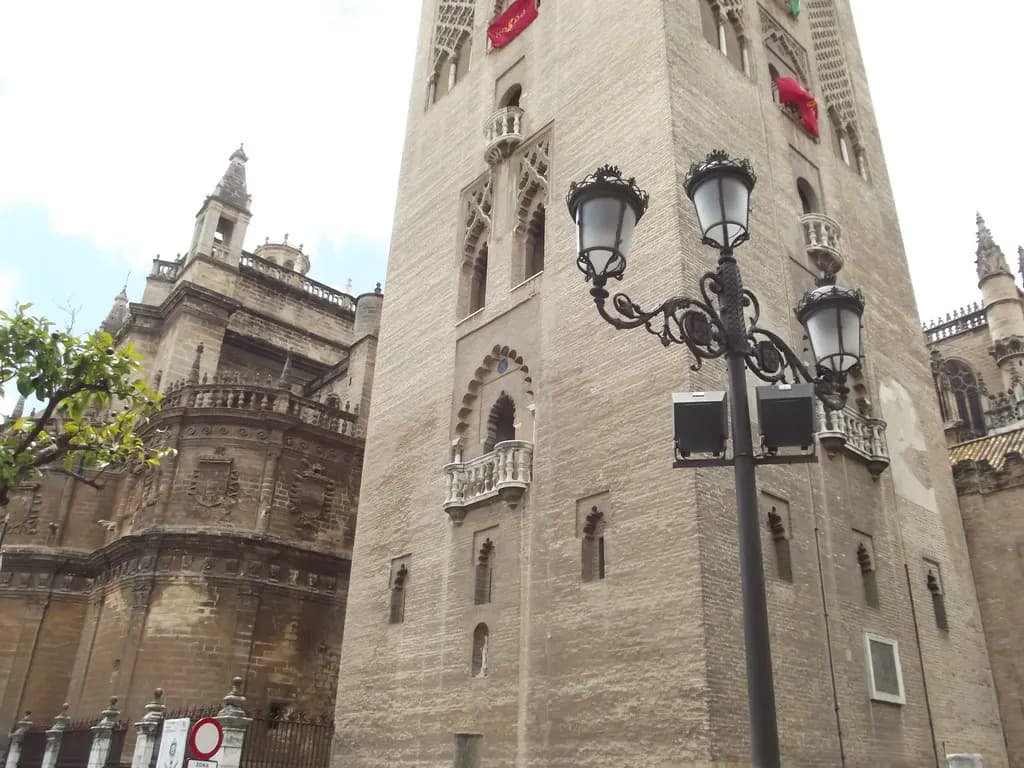
The cathedral here was built so big that its own founders reportedly said future generations would think they were mad — and it's still the largest Gothic cathedral on earth.
See full guide →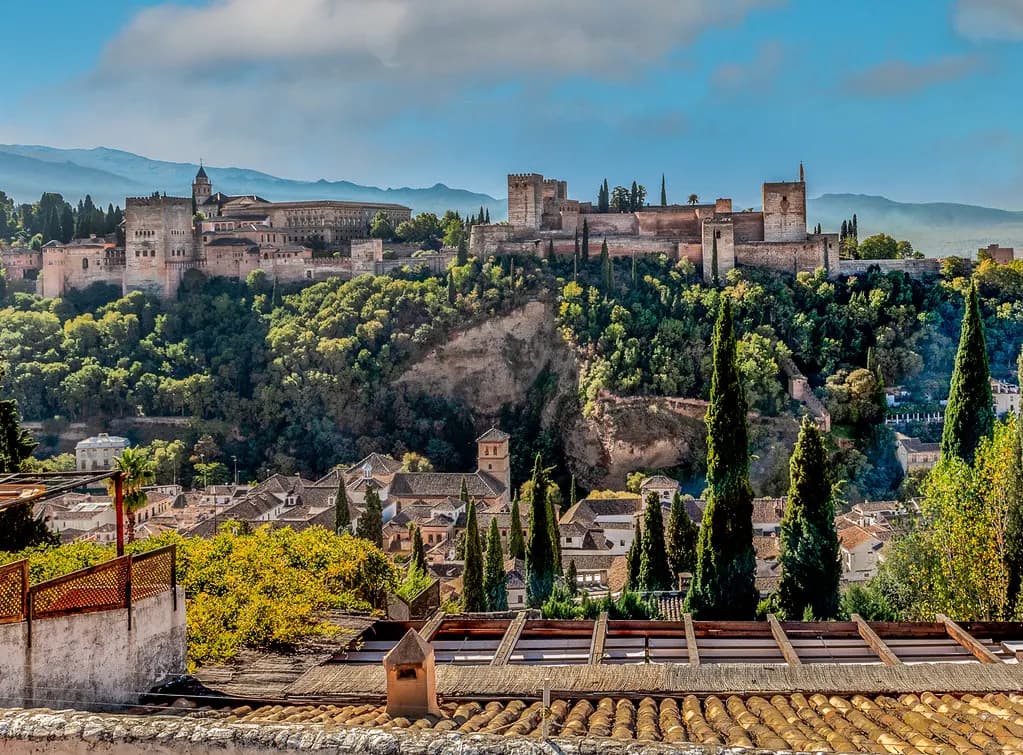 Granada
Granada
Spain
Order a drink almost anywhere in Granada and a small plate of food shows up free with it — a tapas custom that survives here largely because the rest of Spain gave it up decades ago.
See full guide →Comparing more than one route? See the full transport comparison guide.