Spain · Europe
Seville
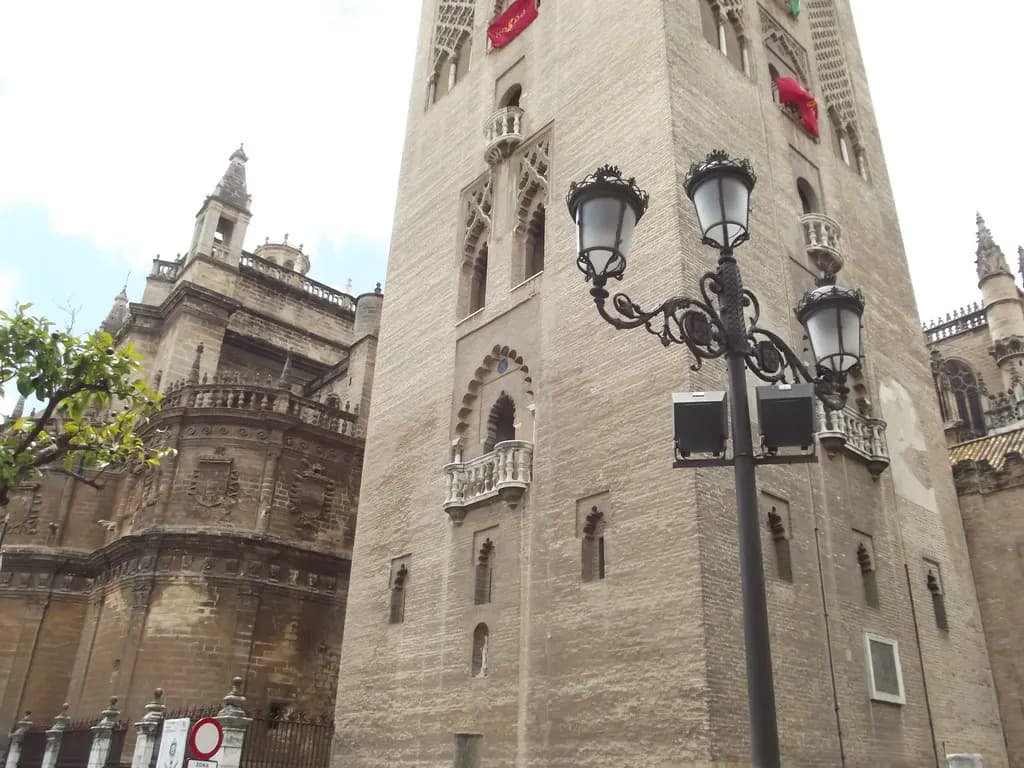
The cathedral here was built so big that its own founders reportedly said future generations would think they were mad — and it's still the largest Gothic cathedral on earth.
Seville Cathedral took over a century to build, finished in 1528 on the site of a former mosque, and it remains the largest Gothic cathedral in the world by volume. Local legend holds that the chapter who commissioned it wanted something so large that "those who see it built will think we were mad" — whether or not they actually said it, the building backs up the story. Climb the Giralda, the bell tower repurposed from the original mosque's minaret, and the ramp system built for guards to ride horses up instead of walking stairs is still there.
The Real Alcázar next door complicates the easy "Christian Spain" story the cathedral seems to tell. It's a royal palace still in use today, built largely by Christian kings using Mudéjar craftsmen and Moorish architectural techniques after the Reconquista — intricate tilework, horseshoe arches, and courtyard gardens that look, at a glance, more like Granada's Alhambra than anything typically associated with Catholic Spain. Book a specific entry time; walk-up tickets sell out fast in peak season.
Flamenco's disputed origins trace to Andalusia's Roma communities, and Seville along with Jerez and Cádiz are usually cited as its birthplaces, which makes the city's saturation of flamenco venues both a genuine cultural thread and a magnet for watered-down tourist versions of it. The difference is usually visible before you sit down: a small room, a cover charge that includes one drink, and a schedule that doesn't promise dinner alongside the show tends to signal something closer to the real thing than a large venue with a fixed-price dinner package.
Triana, across the Guadalquivir river from the historic center, gets skipped by visitors who never cross the bridge, which is a mistake. It's where much of the city's ceramic tradition and a real claim to flamenco's roots actually sit, with noticeably better prices on food and rooms than Santa Cruz a few minutes away.
Summer here is not a minor inconvenience. Seville regularly posts the highest temperatures in mainland Spain, often past 40°C in July and August, hot enough that locals shift their entire schedule around a long midday closure. Visiting in spring or autumn isn't just more comfortable — it changes what's actually feasible to do with a day.
What a trip here actually costs
$50 / day avg.
- Hostel in Triana or the Macarena district
- Walking the compact center, occasional bus
- Tapas-hopping instead of sit-down meals
- Free flamenco museum courtyard shows
What to do at this tier
- • Plaza de España, free, especially striking at golden hour
- • Walk Triana's ceramic workshops and the riverside market
- • Metropol Parasol (Las Setas) viewing deck, a few euros for the rooftop walk
$115 / day avg.
- 3-star hotel near Santa Cruz
- Alcázar and Cathedral tickets, booked ahead
- Sit-down dinners with proper Andalusian wine
- Small tablao flamenco show
What to do at this tier
- • Real Alcázar palace and gardens, book the specific time slot ahead
- • Seville Cathedral and the Giralda tower climb
- • Small tablao flamenco show in Triana, not a tourist-menu venue
$260 / day avg.
- Boutique hotel in a converted Andalusian courtyard house
- Private guided tour of the Alcázar before opening
- Tasting menu at a high-end Andalusian restaurant
- Private day trip to Córdoba or Ronda
What to do at this tier
- • Private early-access tour of the Alcázar before public opening
- • Full-day private trip to Córdoba's Mezquita and old Jewish quarter
- • Multi-course dinner built around Andalusian ingredients, olive oil tasting included
These are average estimates for planning purposes, not real-time prices — actual costs vary by season, availability, and how far ahead you book.
How to get there
Click anywhere on the world map — any airport works, not just our main hubs.
Click anywhere on the map above — any airport in the world works — to see estimated travel time and cost from there.
Times and prices are planning estimates, not live fares — always check a booking site before you commit. See the full Transport Comparison guide for the general tradeoffs of each mode.
Best time to visit
March-May and October bring warm, dry weather without the brutal summer heat, which regularly exceeds 40°C and shuts down the appeal of walking the city midday.
Safety notes
Very safe overall. Standard pickpocket caution around the cathedral and Plaza de España in peak season is enough.
Visa & currency
Euro. Standard Schengen 90-day visa-free rule applies for most Western passport holders.
Questions people ask before visiting
Is Seville worth visiting in summer?
The sights are worth it, but summer heat here is genuinely extreme — regularly past 40°C (104°F) in July and August, hot even by southern Spain standards. Spring and autumn give you the same city without planning your day around avoiding 3pm.
How do I find a real flamenco show, not a tourist trap?
Look for a 'tablao' with a small room and a cover charge that includes one drink, not a large room with a fixed-menu dinner — the big dinner-show venues near the cathedral are the ones to be skeptical of. Casa de la Memoria and a handful of smaller peñas (flamenco clubs) have real reputations locally.
Seville or Barcelona for a first trip to Spain?
They're not really substitutes for each other. Barcelona is coastal, Catalan, and Gaudí-driven; Seville is inland, Andalusian, and built around Moorish architecture and flamenco's actual origins. If you only have one Spain trip, Barcelona is the easier first stop — Seville rewards travelers who already know they want Andalusia specifically.
What's the best area to stay in Seville?
Santa Cruz puts you inside the old Jewish quarter next to the cathedral, atmospheric but touristy and expensive. Triana, across the river, is where flamenco actually has roots, with better local prices and a five-minute walk to the center.
How many days do you need in Seville?
Two full days covers the cathedral, the Alcázar, and a wander through Santa Cruz and Triana. A third day makes room for a day trip to Córdoba, about 45 minutes away by high-speed train.
Nearby destinations
 Lisbon
Lisbon
Portugal
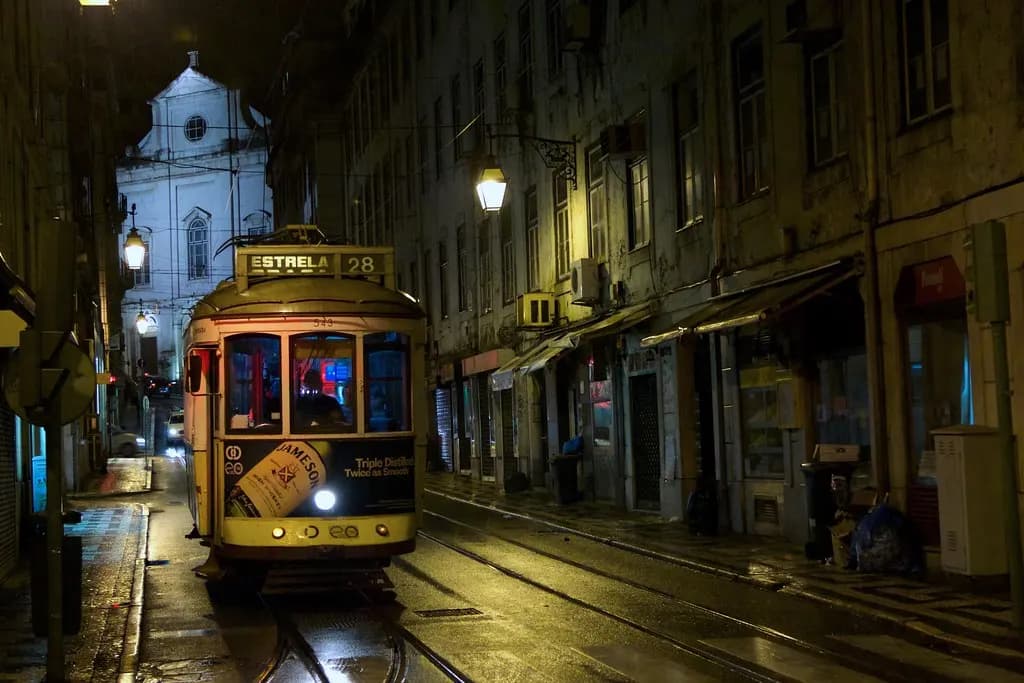
A city built on seven hills, where a rattling yellow tram doubles as the cheapest sightseeing tour you'll find in Western Europe.
See full guide →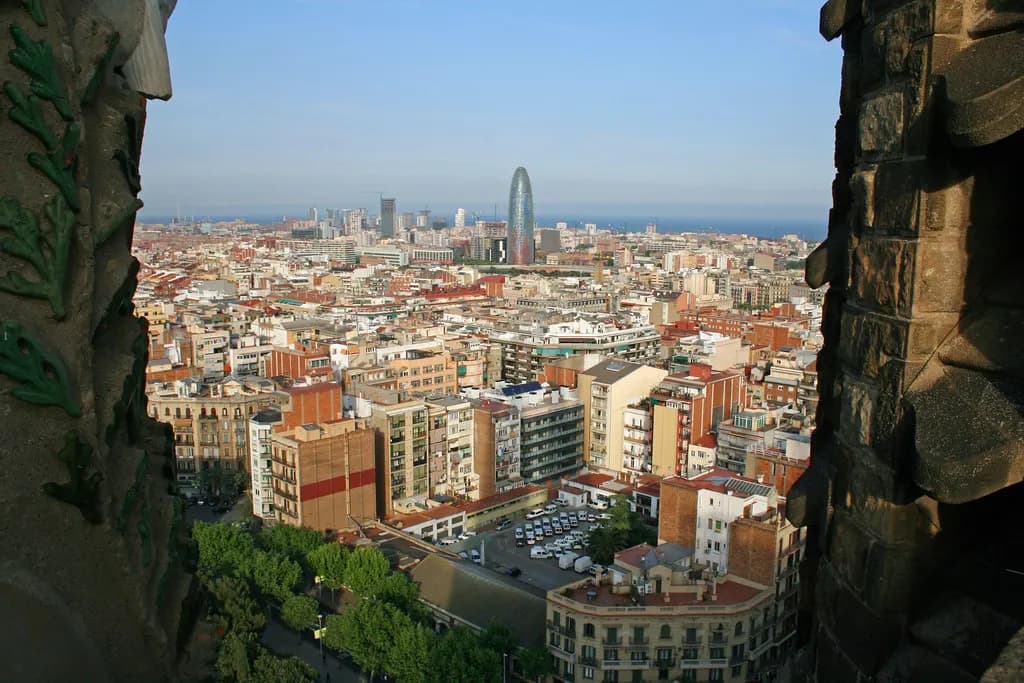 Barcelona
Barcelona
Spain
Gaudí spent over a decade on a church that's still not finished, and somehow that unfinished cathedral is now the thing everyone plans their trip around.
See full guide →Comparing more than one route? See the full transport comparison guide.