Austria · Europe
Salzburg
Mozart was born in an apartment above a grocery store here in 1756, and the city has spent the centuries since turning that fact into a genuinely well-run cultural industry rather than a kitschy afterthought.
Wolfgang Amadeus Mozart was born in 1756 in a modest apartment above what was then a grocer's shop on Getreidegasse, Salzburg's main shopping street, and the building — now Mozart's Birthplace museum — anchors a city that has built an entire, genuinely well-executed identity around him rather than a superficial one. The Salzburg Festival, held each summer since 1920, remains one of the most prestigious classical music and theatre events in the world, not a tourist-oriented tribute act.
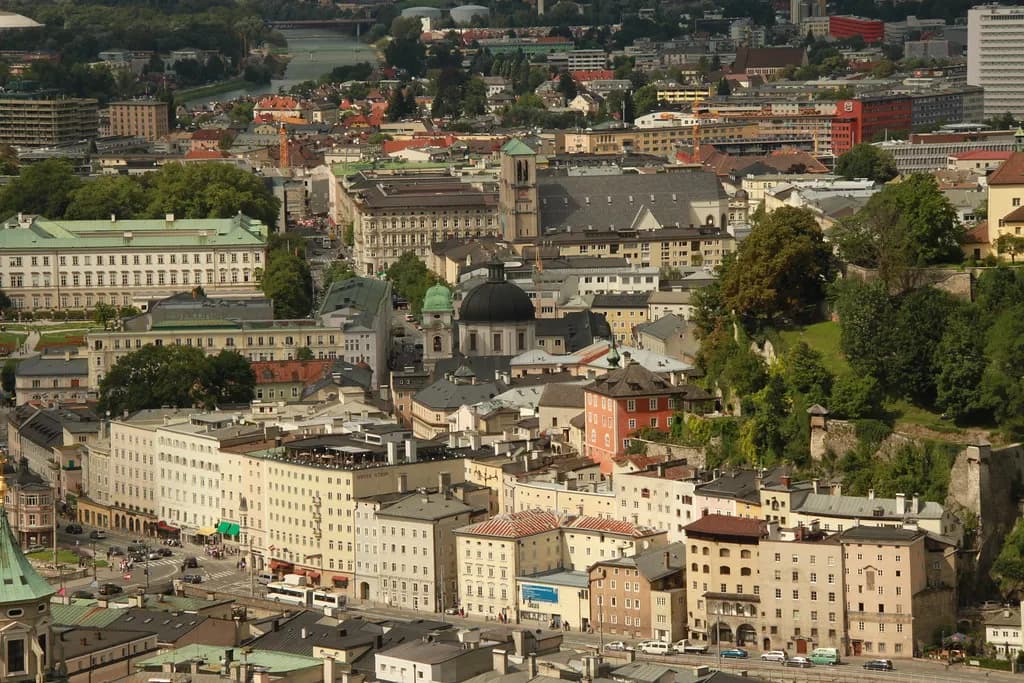
Hohensalzburg Fortress looms over the city from a hilltop, one of the largest fully preserved medieval castles in Europe, dating to 1077 and expanded over the following centuries without ever being taken by force — a rare survival story among European fortresses. A funicular carries most visitors up; the walk down through the fortress grounds afterward gives repeated views over the Old Town's Baroque rooftops and the river below.
The city's other major cultural export is less historical and more cinematic: The Sound of Music, filmed largely in and around Salzburg in 1965, used the Mirabell Gardens, several lakes in the nearby Salzkammergut region, and other real locations that remain recognizable and visitable today. The film is famously more popular with international visitors than with Austrians themselves, many of whom have never seen it — a genuine cultural mismatch that Salzburg's tourism industry has learned to navigate profitably regardless.
Salzburg's compact scale — the Old Town is fully walkable in well under an hour end to end — makes it a natural shorter stop compared to a sprawling capital like Vienna, and its position close to both the German border and the Alps makes it a reasonable link between an Austria trip and destinations further into Bavaria or the mountains.
Prices here track the rest of Austria — noticeably higher than Central and Eastern Europe, comparable to Vienna, generally a step below Switzerland. Budget travel in the strict backpacker sense is genuinely difficult; mid-range spending is closer to the realistic floor for most visitors.
What a trip here actually costs
$135 / day avg.
- 3-star hotel in or near Old Town
- Hohensalzburg Fortress funicular and entry
- Sit-down Austrian dinners
- Mozart's Birthplace museum ticket
What to do at this tier
- • Hohensalzburg Fortress, funicular up, two to three hours including the ramparts
- • Mozart's Birthplace and Residence, both modest but genuinely informative museums
- • Mirabell Gardens, free to enter, a Sound of Music filming location
$300 / day avg.
- 4-5 star hotel with Old Town or river views
- Private guided Old Town and fortress tour
- Salzburg Festival tickets, in season
- Private day trip into the Alps or Lake District
What to do at this tier
- • Private guided tour connecting Mozart's life with the city's Baroque architecture
- • Salzburg Festival performance, one of the world's most prestigious classical music and theatre festivals, held each summer
- • Private day trip into the Salzkammergut Lake District, including Lake Wolfgang
These are average estimates for planning purposes, not real-time prices — actual costs vary by season, availability, and how far ahead you book.
How to get there
Click anywhere on the world map — any airport works, not just our main hubs.
Click anywhere on the map above — any airport in the world works — to see estimated travel time and cost from there.
Times and prices are planning estimates, not live fares — always check a booking site before you commit. See the full Transport Comparison guide for the general tradeoffs of each mode.
Best time to visit
May-September brings the mildest weather; the Salzburg Festival runs through summer for visitors specifically interested in that.
Safety notes
Very safe overall, among the safer cities in Europe. Minimal precautions needed beyond normal urban awareness.
Visa & currency
Euro. Standard Schengen 90-day visa-free rule applies for most Western passport holders.
Questions people ask before visiting
Is the Sound of Music tour worth doing in Salzburg?
It depends entirely on how much the film means to you — several of its filming locations, including the Mirabell Gardens and nearby Lake Wolfgang villages, are genuinely scenic on their own merits, so even visitors who've never seen the movie usually enjoy the stops. Fans of the film will get considerably more out of it.
Salzburg or Vienna — which should I prioritize?
Vienna is the larger imperial capital with more depth across more categories — museums, opera, coffeehouse culture, palace scale. Salzburg is smaller, more compact, and arguably more scenic given its Alpine backdrop, best treated as a shorter, focused visit rather than a Vienna substitute.
How long should I spend at Hohensalzburg Fortress?
Two to three hours including the funicular ride up, the fortress interior, and time on the ramparts for the view. It's one of the largest fully preserved medieval castles in Europe and rewards more than a quick photo stop.
Is Salzburg expensive?
Yes, similar to the rest of Austria — noticeably pricier than Central and Eastern Europe, though generally a step below Zurich or Reykjavik. Budget in the mid-range tier as a realistic floor rather than expecting backpacker-level prices.
How many days do you need in Salzburg?
Two days covers the Old Town, Hohensalzburg Fortress, and Mirabell Gardens comfortably given how compact the city is. It works well as a shorter add-on to a longer Austria or Germany trip rather than requiring a standalone visit.
Nearby destinations
 Vienna
Vienna
Austria
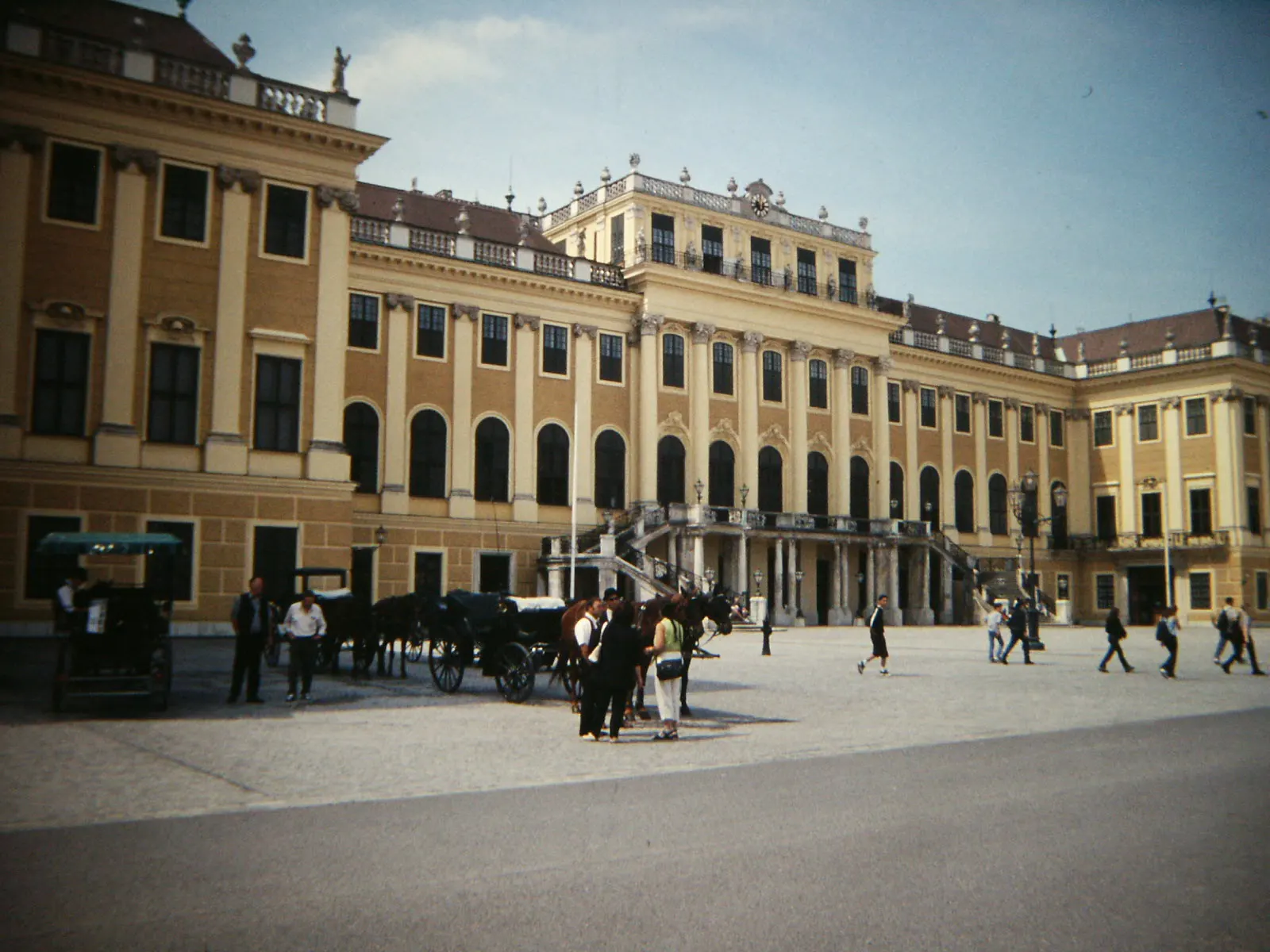
A single cup of coffee buys you a table for as long as you want it — the coffeehouse as a legal, UNESCO-recognized institution, not just a place to grab a drink and leave.
See full guide →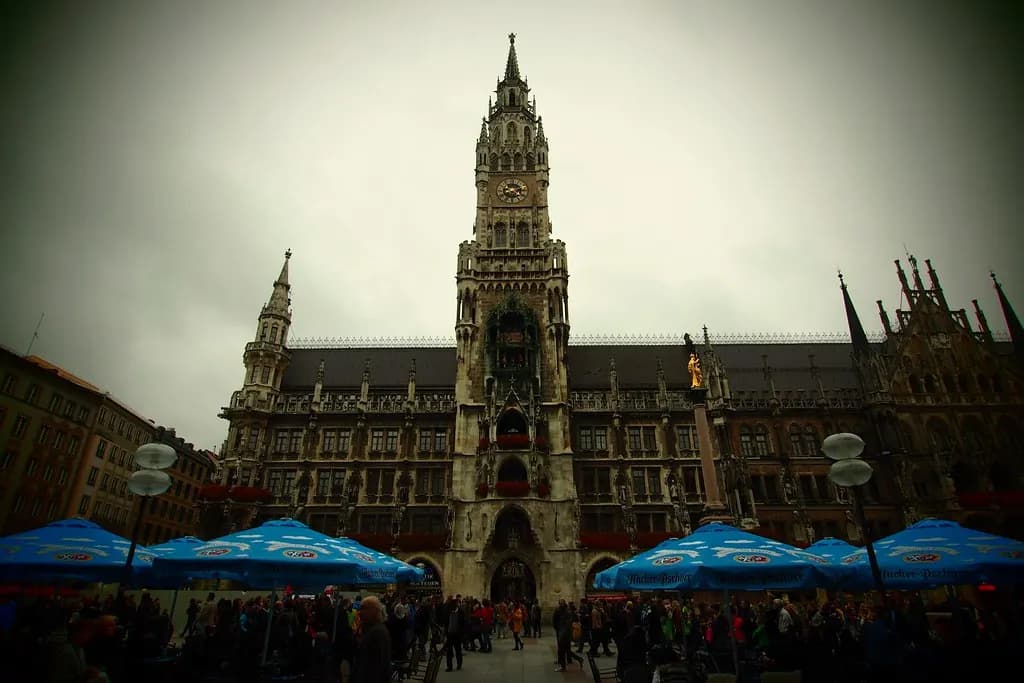 Munich
Munich
Germany
Surfers ride a permanent standing wave in the middle of a public park here, on a river, year-round, a few minutes' walk from the beer gardens — Munich doesn't quite fit the buttoned-up German stereotype it gets saddled with.
See full guide →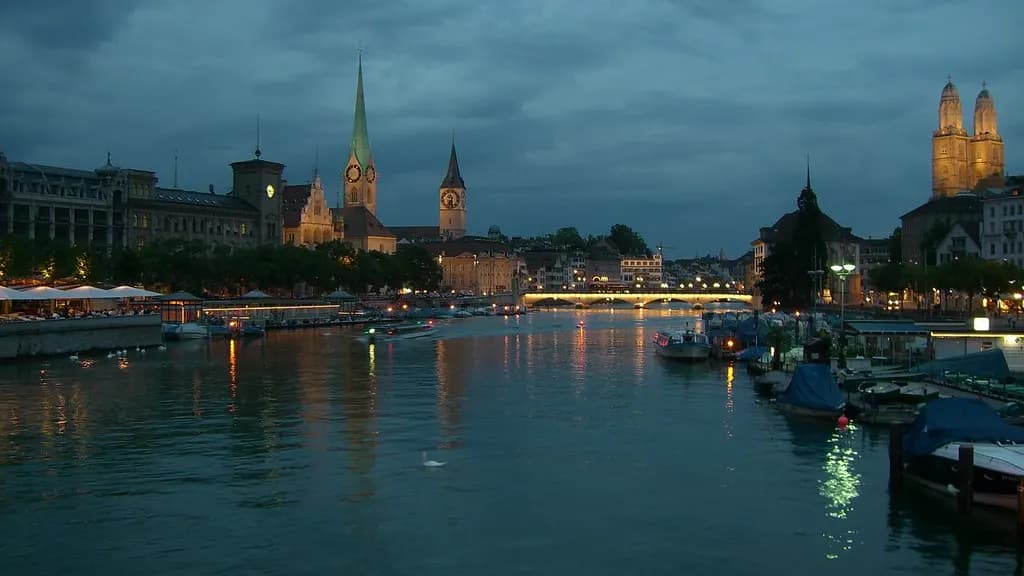 Zurich
Zurich
Switzerland
Over a thousand public drinking fountains run through this city, most fed by pristine lake and spring water, cold and genuinely safe to drink — which tells you a lot about how this place treats its infrastructure.
See full guide →Comparing more than one route? See the full transport comparison guide.