Switzerland · Europe
Zurich
Over a thousand public drinking fountains run through this city, most fed by pristine lake and spring water, cold and genuinely safe to drink — which tells you a lot about how this place treats its infrastructure.
Zurich runs on a level of infrastructure precision that becomes noticeable within a day of arriving. Trains leave and arrive close enough to their scheduled minute that locals set watches by it, only half-joking. Over a thousand public drinking fountains draw from lake and spring water clean enough to drink straight, a detail that quietly removes the need to ever buy bottled water in the city.
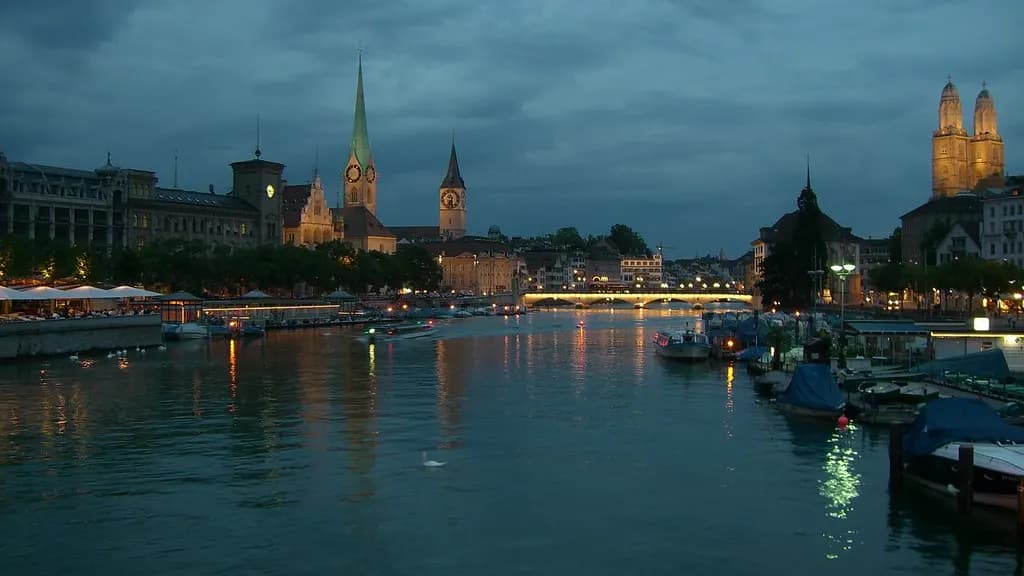
The Old Town splits across both banks of the Limmat River, anchored by two churches with very different personalities: the Grossmünster, twin-towered and Romanesque, tied to Huldrych Zwingli and the Swiss Reformation, and the Fraumünster, smaller and known for five stained-glass windows designed by Marc Chagall in the 1970s, a modern addition inside a much older building. Both are free or near-free to enter and worth the contrast.
Lake Zurich extends south from the city center, and locals treat it as functional infrastructure as much as scenery — public swimming spots (Badis) line the shore, and a summer visit without at least one lake swim misses a real piece of how the city actually lives. The promenade walk along the water is free and, unusually for a lakefront in a major city, not overrun with tourist-priced restaurants for most of its length.
Mount Uetliberg, reachable by a 30-minute train directly from the main station, gives a genuine Alpine ridge view without the commitment of a full mountain day trip — locals use it as an after-work hike, and visitors get a real payoff for relatively little effort. For the bigger mountains, Lucerne and Mount Pilatus, or the Jungfrau region further south, are reachable as a long day trip, though both reward an overnight if the schedule allows it.
None of this comes cheap. Zurich sits consistently near the top of global cost-of-living rankings, and the gap between here and, say, Prague or Lisbon in this guide is real and immediate — a casual lunch or a round of drinks costs meaningfully more than almost anywhere else covered so far. Budgeting for mid-range spending as a realistic floor, rather than hunting for a backpacker-tier version of the city, saves a lot of frustration.
What a trip here actually costs
$140 / day avg.
- 3-star hotel outside the immediate center
- Zurich Card for transit and museum discounts
- Casual restaurant meals, one proper Swiss dinner (fondue or rösti)
- Uetliberg train and hike
What to do at this tier
- • Old Town (Altstadt) wander, Grossmünster and Fraumünster churches, free entry to most main areas
- • Lake Zurich promenade and a public swim spot in summer, free
- • Uetliberg mountain train and ridge hike for an Alpine view without leaving the city limits
$320 / day avg.
- 4-5 star hotel near the lake or Old Town
- Private guided Old Town and lake tour
- Multi-course dinner at a well-regarded restaurant
- Day trip to Lucerne and Mount Pilatus with a private driver
What to do at this tier
- • Private lake cruise on Lake Zurich
- • Full-day trip to Lucerne and Mount Pilatus with a private driver
- • Fondue or raclette dinner at a well-regarded traditional restaurant
These are average estimates for planning purposes, not real-time prices — actual costs vary by season, availability, and how far ahead you book.
How to get there
Click anywhere on the world map — any airport works, not just our main hubs.
Click anywhere on the map above — any airport in the world works — to see estimated travel time and cost from there.
Times and prices are planning estimates, not live fares — always check a booking site before you commit. See the full Transport Comparison guide for the general tradeoffs of each mode.
Best time to visit
May-September brings the warmest, driest weather and the best conditions for lake swimming and hiking; winters are cold but functional, with Christmas markets as a specific draw.
Safety notes
Among the safest major cities in Europe by most measures. Standard urban caution is more than enough.
Visa & currency
Swiss franc (CHF), not the euro. Switzerland is in the Schengen area; standard 90-day visa-free rule applies for most Western passport holders.
Questions people ask before visiting
Is Zurich too expensive to visit on a normal budget?
It's genuinely one of the most expensive cities in Europe, consistently near the top of global cost-of-living rankings. It's not impossible on a moderate budget, but budget travel in the backpacker sense is much harder here than almost anywhere else in this guide — plan for mid-range spending as the realistic floor.
Zurich or Geneva for a Swiss city trip?
Zurich is the larger financial and cultural hub with a livelier Old Town and nightlife; Geneva leans more international-institution and French-influenced, closer to the Alps and Lake Geneva's western end. Zurich is the stronger single-city choice for most first-time visitors.
What are the best day trips into the Alps from Zurich?
Mount Uetliberg is a 30-minute train ride and hike right at the city's edge for a genuine Alpine view without a long trip. For the real high-mountain experience, Lucerne and Mount Pilatus or the Jungfrau region are both reachable as a long day trip, though an overnight makes more sense if you can spare it.
Are there genuinely free things to do in Zurich?
Yes — walking the Old Town and lakeside promenade costs nothing, the public drinking fountains mean you never need to buy water, and several museums have free entry on the first Sunday of the month.
How many days do you need in Zurich?
Two days covers the Old Town, the lake, and Uetliberg. A third day is worth it if you want to add a proper Alpine day trip rather than just the city-edge hills.
Nearby destinations
 Munich
Munich
Germany
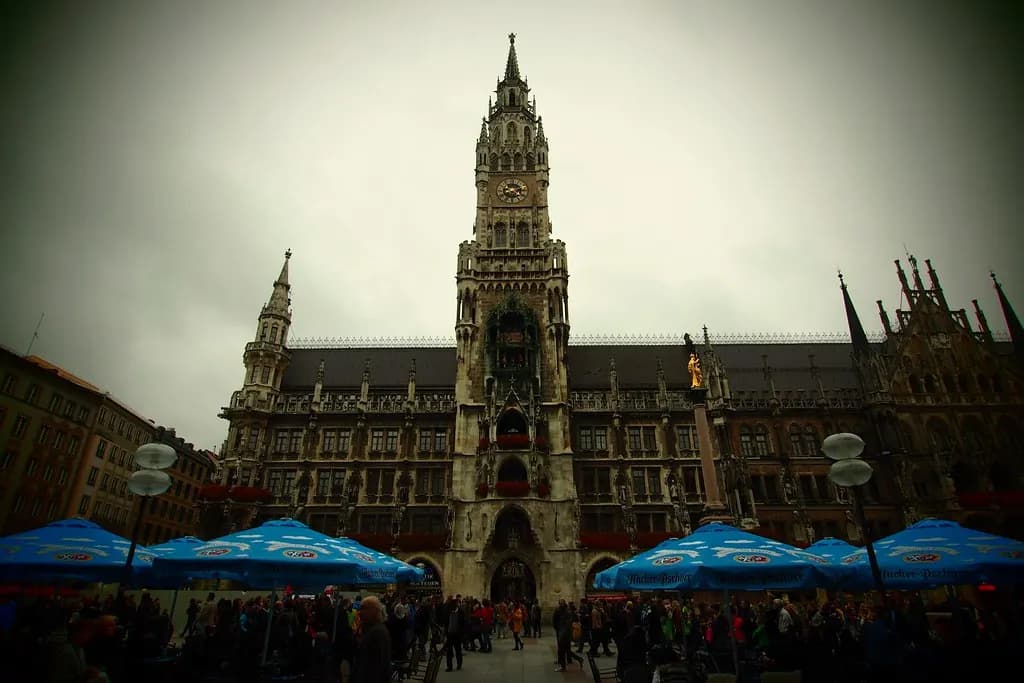
Surfers ride a permanent standing wave in the middle of a public park here, on a river, year-round, a few minutes' walk from the beer gardens — Munich doesn't quite fit the buttoned-up German stereotype it gets saddled with.
See full guide →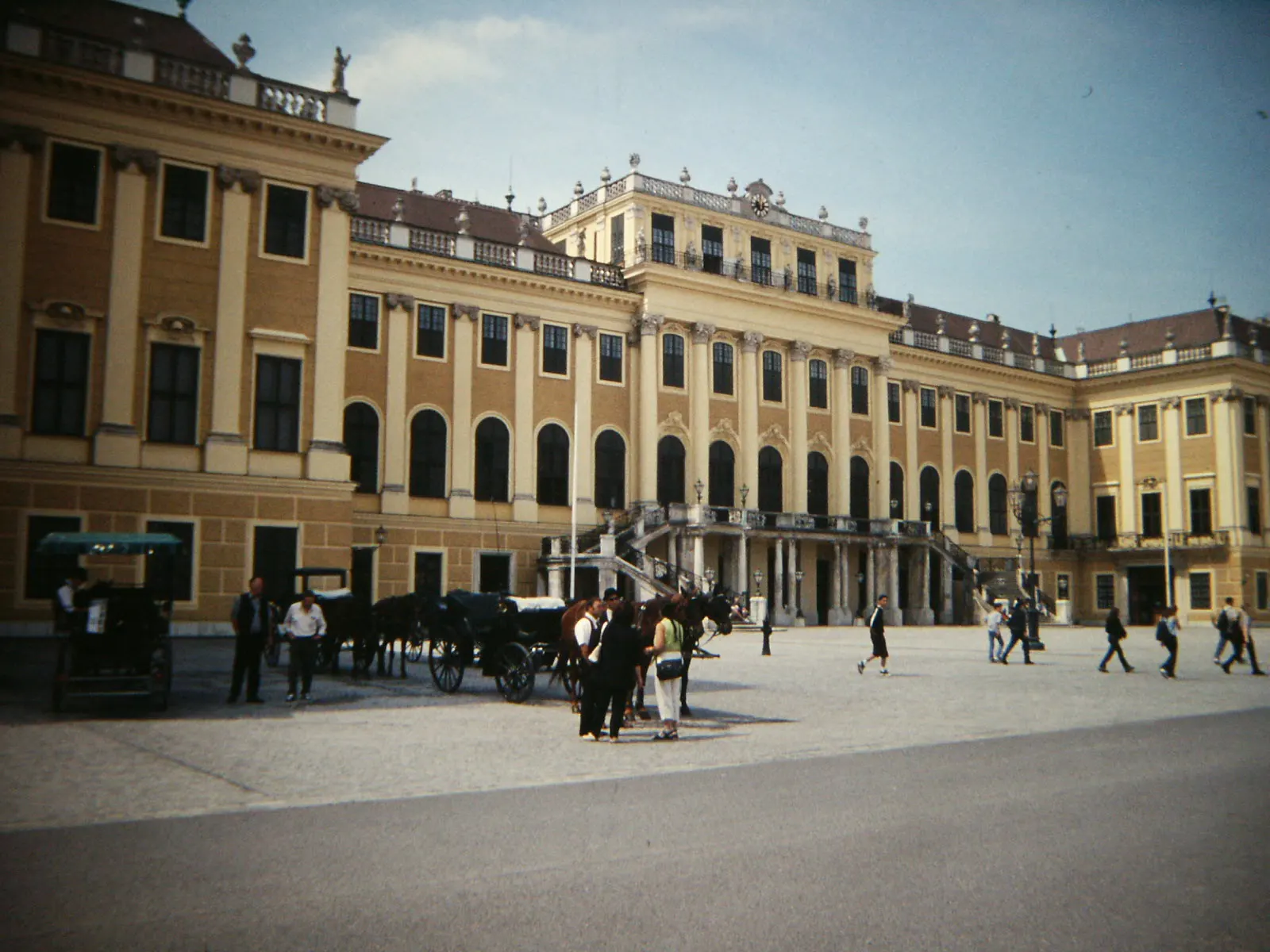 Vienna
Vienna
Austria
A single cup of coffee buys you a table for as long as you want it — the coffeehouse as a legal, UNESCO-recognized institution, not just a place to grab a drink and leave.
See full guide →Comparing more than one route? See the full transport comparison guide.