Germany · Europe
Munich
Surfers ride a permanent standing wave in the middle of a public park here, on a river, year-round, a few minutes' walk from the beer gardens — Munich doesn't quite fit the buttoned-up German stereotype it gets saddled with.
Munich carries a reputation shaped almost entirely by Oktoberfest, which is a genuinely strange lens for a city that spends the other roughly 50 weeks of the year being something quieter and, in a lot of ways, more interesting. The festival itself, running about two and a half weeks from late September into October, brings six million visitors, inflated prices, and a city organized around beer tents — worth experiencing once if that's specifically what you want, but not representative of Munich the rest of the time.
The English Garden, larger than New York's Central Park, is where the city's more unexpected side shows up: the Eisbach, a fast-moving artificial stream cutting through the park, has a permanent standing wave where surfers ride year-round, including through winter in wetsuits. It's free to watch from the bridge above, and it's the kind of detail that doesn't fit the tidy, formal stereotype Munich sometimes gets from the outside.
Beer gardens here follow rules worth knowing before you sit down. Traditional ones split into a self-service section, where you fetch your own stein and food, and a table-service section, which costs more and comes with a server — sitting at a table-service table and serving yourself is a genuine breach of etiquette, not a minor thing. Less obviously, most traditional beer gardens allow you to bring your own food as long as you buy drinks on-site, a rule dating back to old Bavarian brewing regulations that's stuck around as a real, still-practiced local custom.
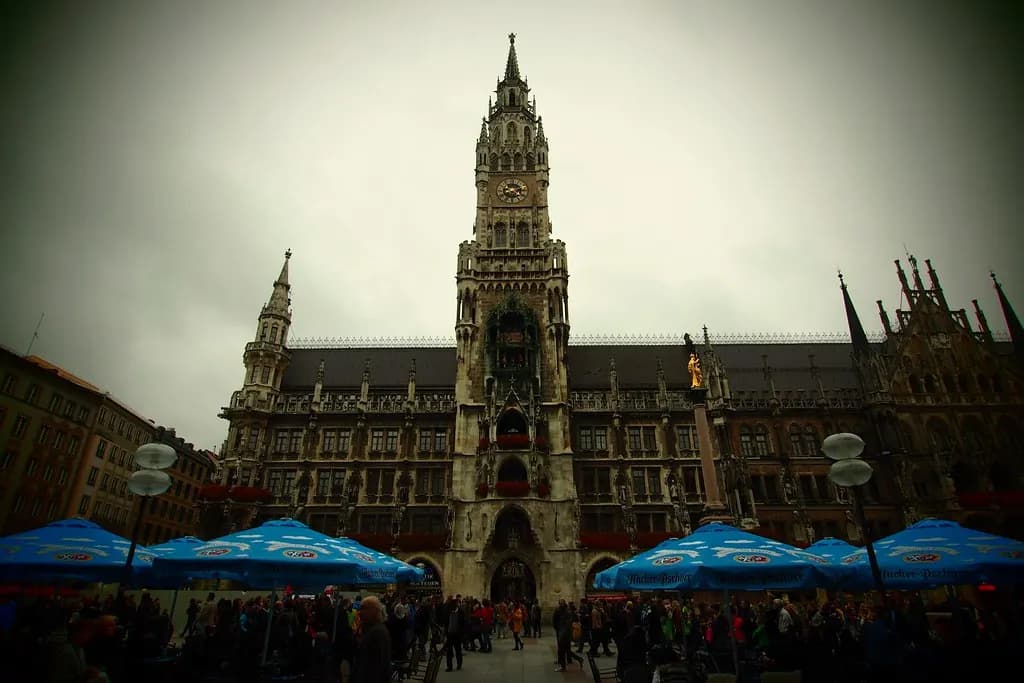
Marienplatz, the central square, is anchored by the New Town Hall's neo-Gothic facade and its Glockenspiel, a mechanical clock display that reenacts a 16th-century royal wedding tournament and a plague-era dance twice daily at 11am and noon (with a third showing at 5pm in summer). It's a tourist-crowd moment, but a free and genuinely well-made one.
Neuschwanstein Castle, the fairy-tale-looking 19th-century castle commissioned by King Ludwig II and the reported inspiration for Disney's Sleeping Beauty Castle, sits about two hours from Munich and is the default day trip for most visitors. It's one of the most-visited castles in Europe, which means timed-entry tickets booked well ahead are close to essential rather than optional, especially in summer.
What a trip here actually costs
$130 / day avg.
- 3-star hotel outside the immediate center
- Public transit day pass
- Beer garden meals, one sit-down Bavarian dinner
- Deutsches Museum or BMW Museum entry
What to do at this tier
- • Marienplatz and the Glockenspiel show, free, at 11am and noon
- • English Garden wander, including watching the Eisbach river surfers, free
- • Traditional beer garden evening, Hofbräuhaus or a quieter local spot
$300 / day avg.
- 4-5 star hotel near Marienplatz
- Private guided Old Town and Residenz palace tour
- Multi-course dinner at a well-regarded restaurant
- Private day trip to Neuschwanstein with a driver
What to do at this tier
- • Private guided tour of the Residenz, the former royal palace
- • Private day trip to Neuschwanstein Castle with a driver, avoiding tour bus schedules
- • Multi-course Bavarian tasting menu at a well-regarded restaurant
These are average estimates for planning purposes, not real-time prices — actual costs vary by season, availability, and how far ahead you book.
How to get there
Click anywhere on the world map — any airport works, not just our main hubs.
Click anywhere on the map above — any airport in the world works — to see estimated travel time and cost from there.
Times and prices are planning estimates, not live fares — always check a booking site before you commit. See the full Transport Comparison guide for the general tradeoffs of each mode.
Best time to visit
May-September brings warm weather and full beer garden season; visit specifically during Oktoberfest (late September-early October) only if the festival itself is the point, since prices and crowds both spike hard.
Safety notes
Very safe overall, among the safer major European cities. Standard urban caution around Oktoberfest crowds specifically is worth keeping in mind during the festival.
Visa & currency
Euro. Standard Schengen 90-day visa-free rule applies for most Western passport holders.
Questions people ask before visiting
Is Munich worth visiting outside of Oktoberfest?
Yes, and arguably more so — Oktoberfest (late September into early October) means inflated prices, packed hotels, and a city built almost entirely around the festival. Visiting outside those roughly two and a half weeks gets you the beer halls, the parks, and the architecture without the crowds or the premium.
Can I do Neuschwanstein Castle as a day trip from Munich?
Yes, it's the standard day trip, about two hours away by train plus a bus or walk up to the castle itself. Book the timed entry ticket in advance — it's one of the most-visited castles in Europe and walk-up availability is unreliable, especially in summer.
What's the etiquette in a Munich beer garden?
Traditional beer gardens have a self-service area (grab your own stein) and a table-service area (wait to be served, more expensive) — sitting at a table-service table and serving yourself is a real faux pas. Bringing your own food is allowed at most traditional beer gardens as long as you buy drinks there, a fairly unique local rule.
Can I really surf on a river in Munich?
Yes — the Eisbach, a man-made stream in the English Garden, has a permanent standing wave where surfers ride year-round, including in winter. It's free to watch from the bridge above and a genuinely surreal thing to stumble on in a landlocked city.
How many days do you need in Munich?
Two days covers Marienplatz, the English Garden, and a beer hall evening. A third day is worth setting aside for the Neuschwanstein Castle day trip.
Nearby destinations
 Zurich
Zurich
Switzerland
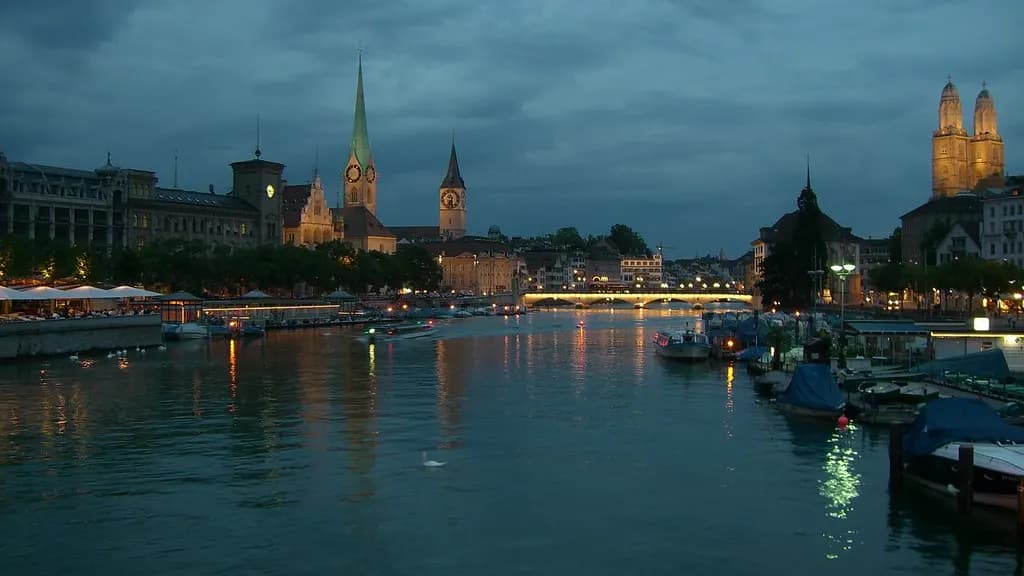
Over a thousand public drinking fountains run through this city, most fed by pristine lake and spring water, cold and genuinely safe to drink — which tells you a lot about how this place treats its infrastructure.
See full guide →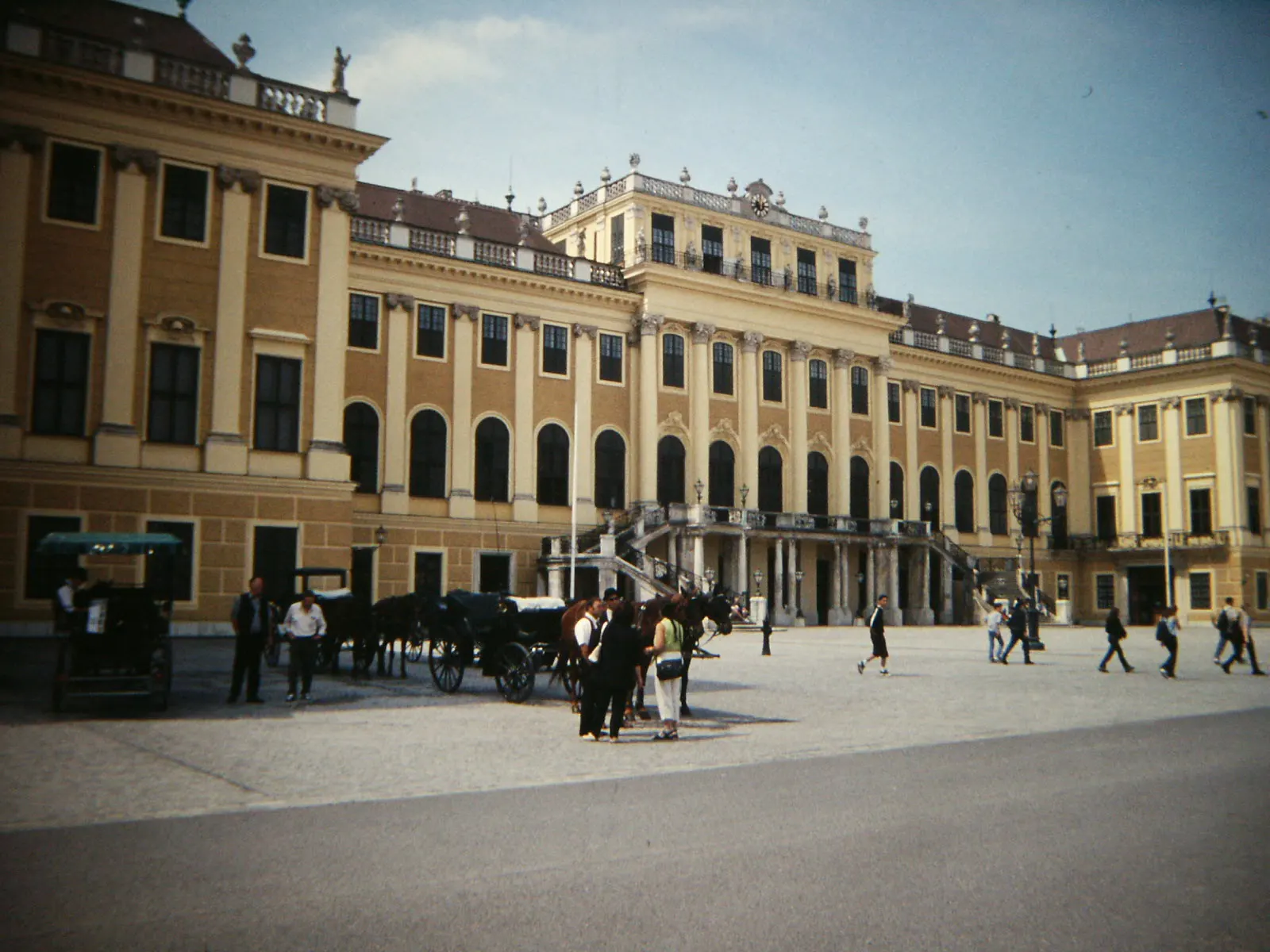 Vienna
Vienna
Austria
A single cup of coffee buys you a table for as long as you want it — the coffeehouse as a legal, UNESCO-recognized institution, not just a place to grab a drink and leave.
See full guide →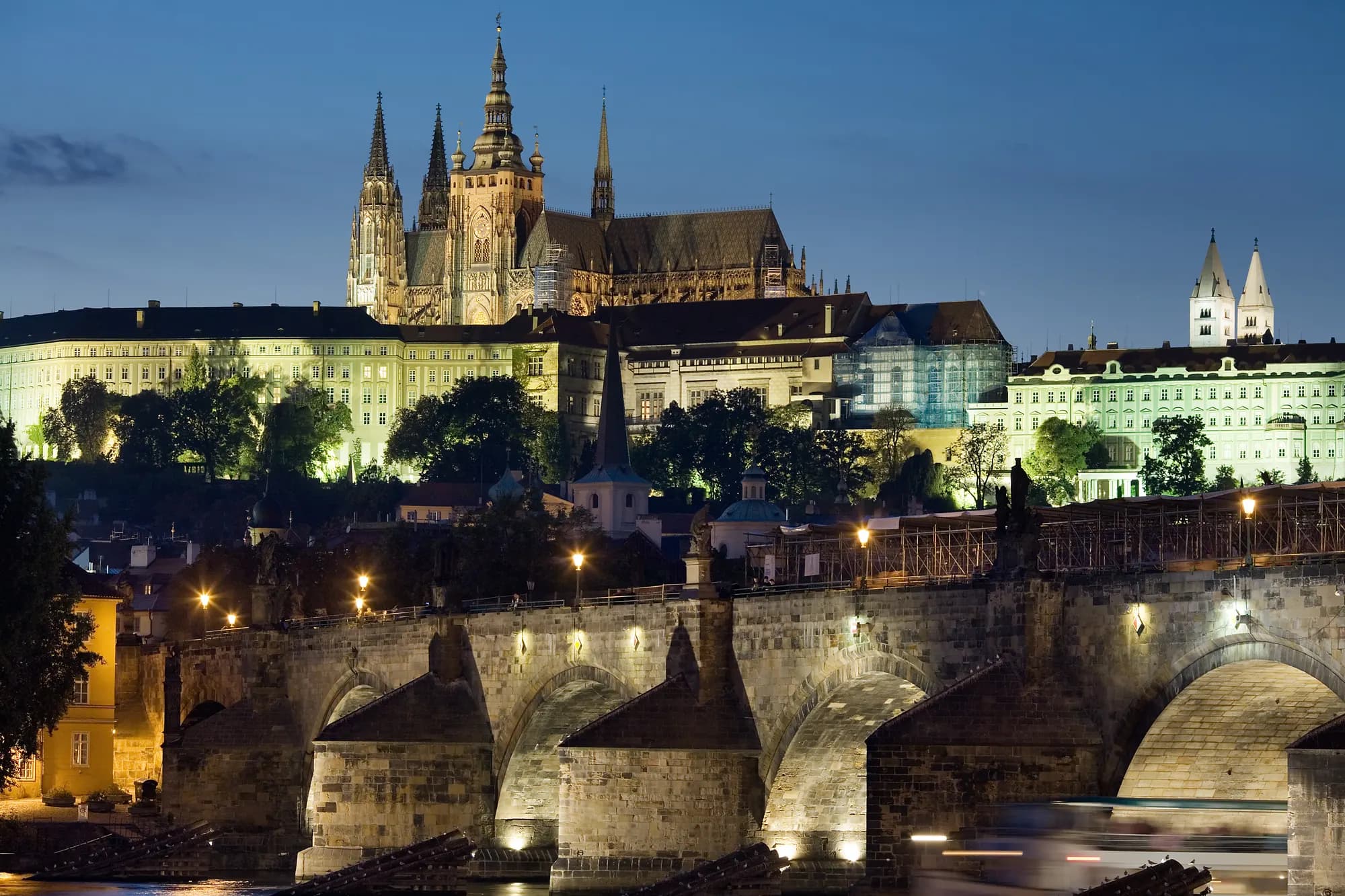 Prague
Prague
Czechia
The beer costs less than the bottled water in most restaurants, which tells you almost everything about the local priorities before you've even seen the castle.
See full guide →Comparing more than one route? See the full transport comparison guide.