Greece · Europe
Santorini
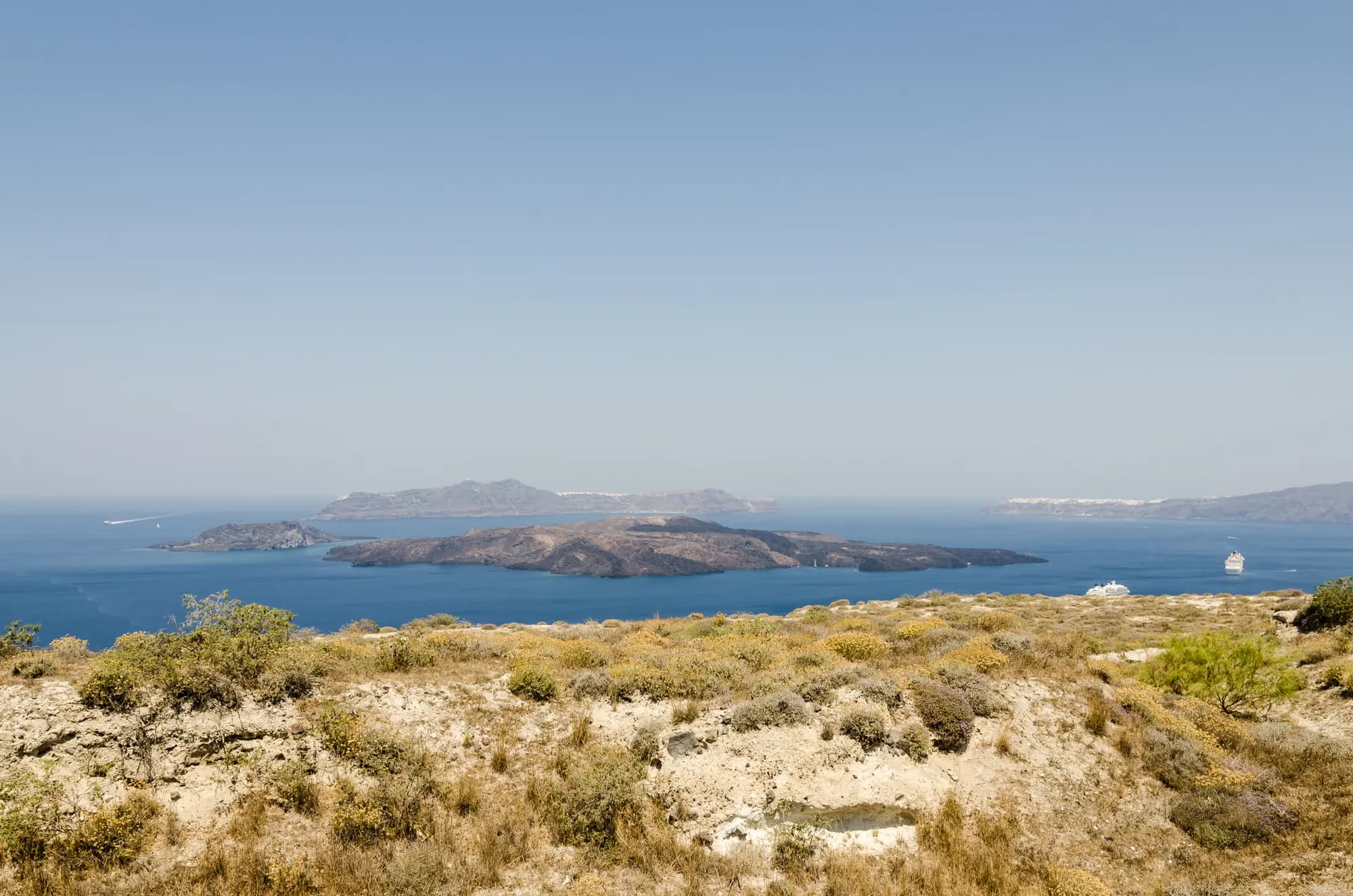
The island is actually the rim of a collapsed volcano that blew itself apart around 1600 BC, which is why every photo of Oia is really a photo of the edge of a crater.
The postcard image of Santorini — whitewashed buildings stacked along a curved cliff edge, blue domes catching the light — is a photo of a volcanic crater rim, not a coastline in the usual sense. Around 1600 BC, an eruption believed to be one of the largest in recorded history collapsed the center of what was once a much larger island, leaving behind the caldera that Santorini's towns now cling to the edge of. The volcano isn't extinct either; a small island in the middle of the caldera, Nea Kameni, still shows activity, and boat tours will take you to walk on it.
Oia gets the reputation and the crowds, largely for its sunset — genuinely one of the better ones in the Mediterranean, with the light hitting the caldera cliffs at an angle that turns the whole town gold for a few minutes. The problem is that everyone knows this, and the main viewpoint near Oia's castle ruins fills in dramatically an hour or more before sunset in July and August. Walking 10-15 minutes further along the coastal path, away from the single most-photographed spot, gets a comparable view with a fraction of the crowd.
Fira, the island's main town and transit hub, is busier and less photogenic than Oia but noticeably cheaper to stay in, and it's a reasonable base if the caldera-view premium in Oia doesn't fit the budget. The walking path between the two towns runs along the caldera rim for several hours and is one of the better free activities on the island, weather and stamina permitting.
The volcanic soil that makes the island geologically unstable also makes it unusually good for wine. Santorini's vineyards grow Assyrtiko grapes in low, basket-shaped vines trained close to the ground to protect them from the island's strong winds, rooted in volcanic ash that retains moisture in a way regular soil doesn't. The resulting wine is mineral and dry, distinct enough from mainland Greek wine that a tasting is worth building into the trip even for visitors who don't usually seek out wine tourism.
Getting around requires more planning than a well-connected European city. Public buses link the main towns but run a limited schedule, and most visitors rent an ATV or small car to reach the volcanic beaches — Red Beach's cliffs, Kamari's black sand — on their own timeline rather than working around bus departures.
What a trip here actually costs
$180 / day avg.
- 3-star hotel in Fira or Kamari, not caldera-view
- ATV or small car rental
- Taverna dinners, one wine tasting
- Red Beach and a black-sand beach day
What to do at this tier
- • Walk the caldera rim path from Fira to Oia, several hours, free
- • Red Beach and Kamari's black volcanic sand, both easy day trips
- • Wine tasting at a family-run winery growing Assyrtiko grapes in volcanic ash soil
$420 / day avg.
- Caldera-view suite with a private plunge pool in Oia
- Private catamaran cruise around the caldera
- Multi-course dinner on a caldera-facing terrace
- Private wine tasting tour of volcanic-soil vineyards
What to do at this tier
- • Private catamaran cruise around the caldera with a stop for swimming near the volcano
- • Caldera-facing dinner reservation timed exactly for sunset
- • Private guided wine tour across two or three of the island's oldest vineyards
These are average estimates for planning purposes, not real-time prices — actual costs vary by season, availability, and how far ahead you book.
How to get there
Click anywhere on the world map — any airport works, not just our main hubs.
London is one of our researched reference cities — every mode below is hand-checked, not a formula.
| Mode | Time | Approx. cost | Notes |
|---|---|---|---|
| Flight | 3h50 | $70-220 | Fastest option; book 6-8 weeks out for the lower end of the range. |
Times and prices are planning estimates, not live fares — always check a booking site before you commit. See the full Transport Comparison guide for the general tradeoffs of each mode.
Best time to visit
Late May-June and September-early October bring warm, dry weather with meaningfully thinner crowds than July-August, when the island reaches capacity.
Safety notes
Very safe overall. The main practical risk is heat and sun exposure in summer, and steep, uneven steps in the caldera towns that catch out anyone in the wrong shoes.
Visa & currency
Euro. Standard Schengen 90-day visa-free rule applies for most Western passport holders.
Questions people ask before visiting
Is Santorini worth the hype and the price?
The caldera views are genuinely as striking in person as in photos, which isn't true of every over-photographed destination. Whether it's worth the price depends on your priorities — this is one of the more expensive Greek islands, and the crowds at peak sunset spots can undercut the experience if you don't plan around them.
How do I avoid the crowds at Oia for sunset?
The famous castle viewpoint gets genuinely packed an hour before sunset in peak season. Walking 10-15 minutes further along Oia's coastal path, or watching from a restaurant terrace you've booked ahead, gets you nearly the same view with a fraction of the crowd.
Is it possible to visit Santorini on a budget?
It's harder here than almost anywhere else in this guide — Santorini, and Oia specifically, is one of the pricier Greek islands, with accommodation costs pushed up by caldera-view demand. Staying in Fira or Kamari instead of Oia, and eating away from the caldera-view terraces, brings the cost down meaningfully.
What's the best time to visit for fewer crowds?
Late May to early June and September into early October give you warm weather and noticeably thinner crowds than the July-August peak, when both the towns and the ferry terminal get genuinely overwhelmed.
Do I need a car to get around the island?
It helps a lot. Public buses connect the main towns but run on a limited schedule, and a rented ATV or small car gives you access to the volcanic beaches and wineries on your own timeline, which matters more here than on islands with denser transit.
Nearby destinations
 Rome
RomeRome
Italy
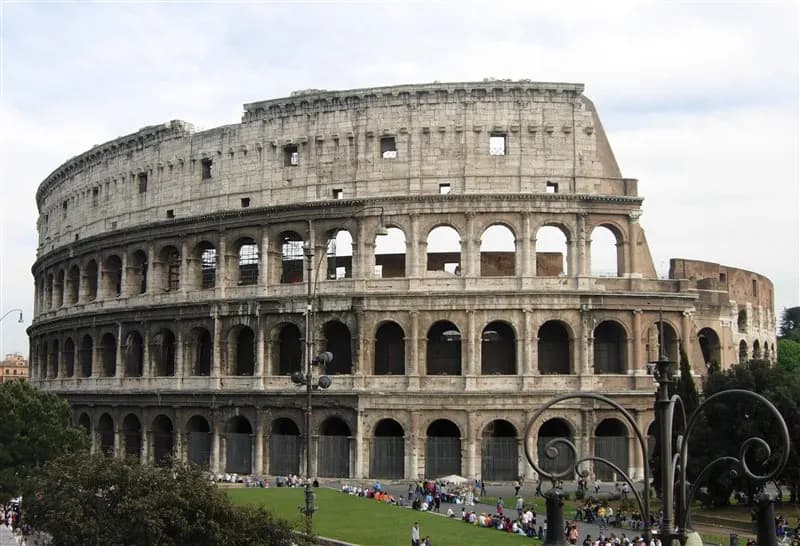
You can walk out of a 2,000-year-old amphitheater, cross one street, and order a coffee standing at a bar counter for a euro-fifty, no big deal to anyone but you.
See full guide →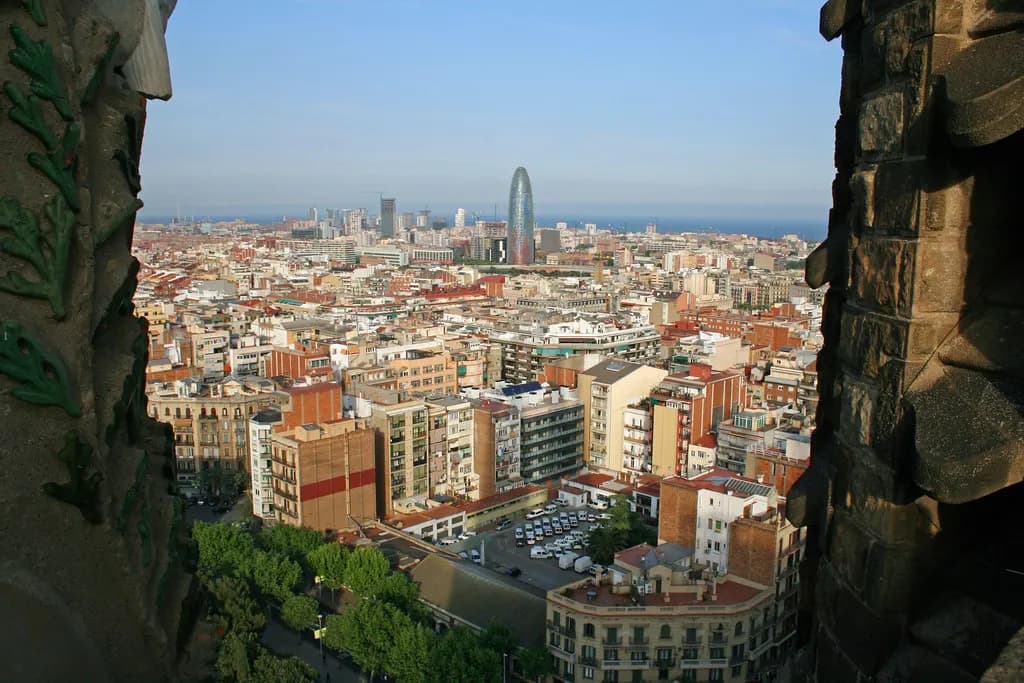 Barcelona
Barcelona
Spain
Gaudí spent over a decade on a church that's still not finished, and somehow that unfinished cathedral is now the thing everyone plans their trip around.
See full guide →Comparing more than one route? See the full transport comparison guide.