France · Europe
Strasbourg
Strasbourg's cathedral was the tallest building in the world for over two centuries, and the city itself has switched between French and German control four separate times since 1871 — its half-timbered old town and its role as a seat of the European Parliament sit on top of that back-and-forth history.
Strasbourg Cathedral held the title of tallest building in the world for over two centuries after its spire's completion in 1439, and its single-spire silhouette — the planned second tower was never built — remains a genuinely striking presence over the old town, one of the few Gothic cathedrals in Europe still regularly described in those terms of raw architectural ambition.
The city's identity has been shaped as much by conflict as by architecture. Strasbourg and the wider Alsace region switched between French and German sovereignty four separate times since 1871 — annexed by the newly formed German Empire after the Franco-Prussian War, returned to France after World War I, annexed again by Nazi Germany during World War II, and returned to France once more in 1945. That repeated back-and-forth left a lasting cultural imprint: the local Alsatian dialect, cuisine, and even street names blend French and German influence more visibly here than almost anywhere else in Europe.
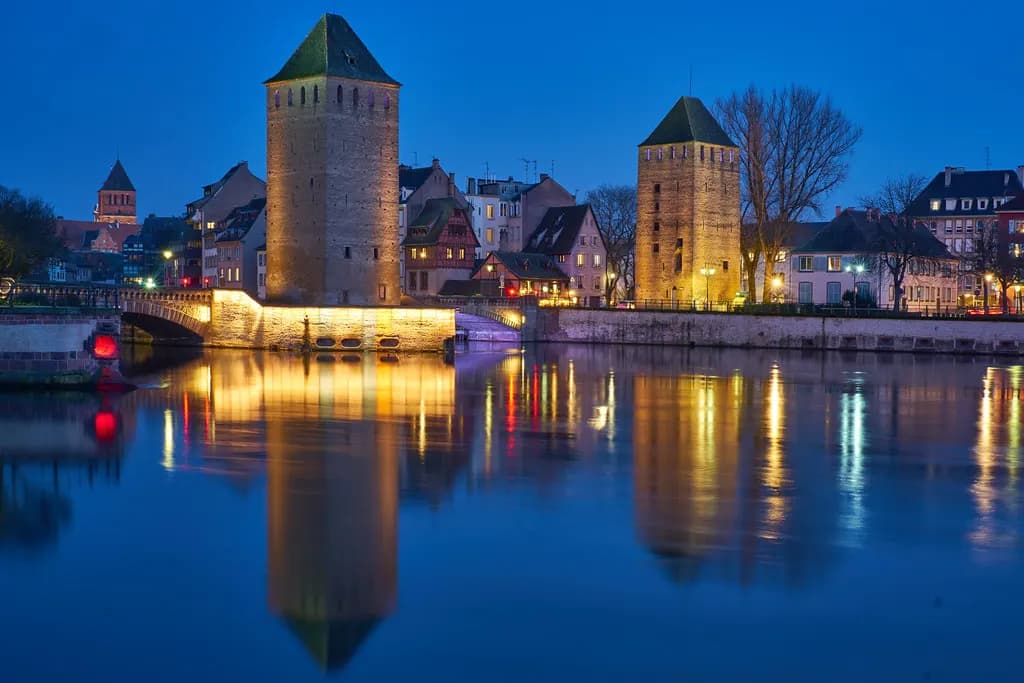
Petite France, the old tanners' and millers' quarter along Strasbourg's canals, has become the city's most photographed district — half-timbered houses, some genuinely leaning after centuries of settling, reflected in the water below, connected by a network of small bridges and locks still partially functional.
Partly because of that centuries-long Franco-German tension, Strasbourg was chosen as a seat of the European Parliament, a deliberately symbolic gesture toward postwar reconciliation between the two nations — the Parliament also meets in Brussels, an arrangement widely criticized as logistically inefficient but that persists precisely because of what Strasbourg represents.
Each year from late November through December, Strasbourg hosts one of Europe's oldest and largest Christmas markets, tracing back to 1570 — the entire old town commits to the season with lighting and decoration well beyond the market stalls themselves, drawing visitors from across the continent specifically for it.
What a trip here actually costs
$50 / day avg.
- Hostel near the historic center
- Tram day pass
- Bakery and casual Alsatian lunches
- Free wander through Petite France and the cathedral square
What to do at this tier
- • Petite France, the half-timbered former tanners' district along the canals, free
- • Strasbourg Cathedral exterior, free
- • Ponts Couverts and the Vauban dam for a canal and old town view, free
$110 / day avg.
- 3-star hotel near Petite France
- Cathedral astronomical clock and platform entry
- Sit-down Alsatian dinners
- Canal boat tour
What to do at this tier
- • Strasbourg Cathedral's astronomical clock and viewing platform, one of the tallest surviving medieval structures in Europe
- • Canal boat tour through Petite France and past the European Parliament district
- • Sit-down dinner featuring tarte flambée and choucroute, Alsatian specialties blending French and German influence
$240 / day avg.
- 4-5 star hotel near the old town
- Private guided Franco-German history tour
- Multi-course Alsatian tasting menu with regional wine pairing
- Private day trip along the Alsace wine route
What to do at this tier
- • Private guided tour covering the region's repeated shifts between French and German control
- • Private day trip along the Alsace wine route, including Colmar or Riquewihr
- • Multi-course Alsatian tasting menu paired with regional Riesling or Gewürztraminer
These are average estimates for planning purposes, not real-time prices — actual costs vary by season, availability, and how far ahead you book.
How to get there
Click anywhere on the world map — any airport works, not just our main hubs.
Click anywhere on the map above — any airport in the world works — to see estimated travel time and cost from there.
Times and prices are planning estimates, not live fares — always check a booking site before you commit. See the full Transport Comparison guide for the general tradeoffs of each mode.
Best time to visit
April-June brings mild, comfortable weather; late November through December brings the historic Christmas market, one of the oldest and largest in Europe, though with correspondingly heavy crowds.
Safety notes
Very safe overall. Standard urban caution is enough almost everywhere in the city.
Visa & currency
Euro. Standard Schengen 90-day visa-free rule applies for most Western passport holders.
Questions people ask before visiting
Is Strasbourg worth visiting?
Yes — it blends French and German influences more visibly than almost anywhere else in Europe, thanks to changing hands between the two nations four times since 1871, and it holds one of the most architecturally striking Gothic cathedrals in Europe alongside the fairy-tale Petite France district.
Is Strasbourg French or German?
French today, but it's switched between French and German sovereignty four times since 1871 — annexed by Germany after the Franco-Prussian War, returned to France after World War I, reannexed by Nazi Germany in World War II, and returned to France again in 1945. That back-and-forth history is why the local Alsatian dialect and cuisine blend both cultures so distinctly.
Why is the European Parliament based in Strasbourg?
Largely symbolic — after centuries of France-Germany conflict centered partly on this exact region, choosing Strasbourg as a seat of the European Parliament was meant to represent Franco-German reconciliation specifically. The Parliament also meets in Brussels, a genuinely contested arrangement that critics call inefficient but that persists for that symbolic reason.
Is the Strasbourg Christmas market worth visiting?
Yes, if visiting in late November through December — Strasbourg's Christmas market dates to 1570, making it one of the oldest and most significant in Europe, and the city fully commits to the season with decorations throughout the old town, not just the market stalls themselves.
How many days do you need in Strasbourg?
Two days covers the cathedral, Petite France, and the European Parliament district. A third day allows a slower pace through Alsace's wine route towns nearby, like Colmar or Riquewihr.
Nearby destinations
 Cologne
Cologne
Germany
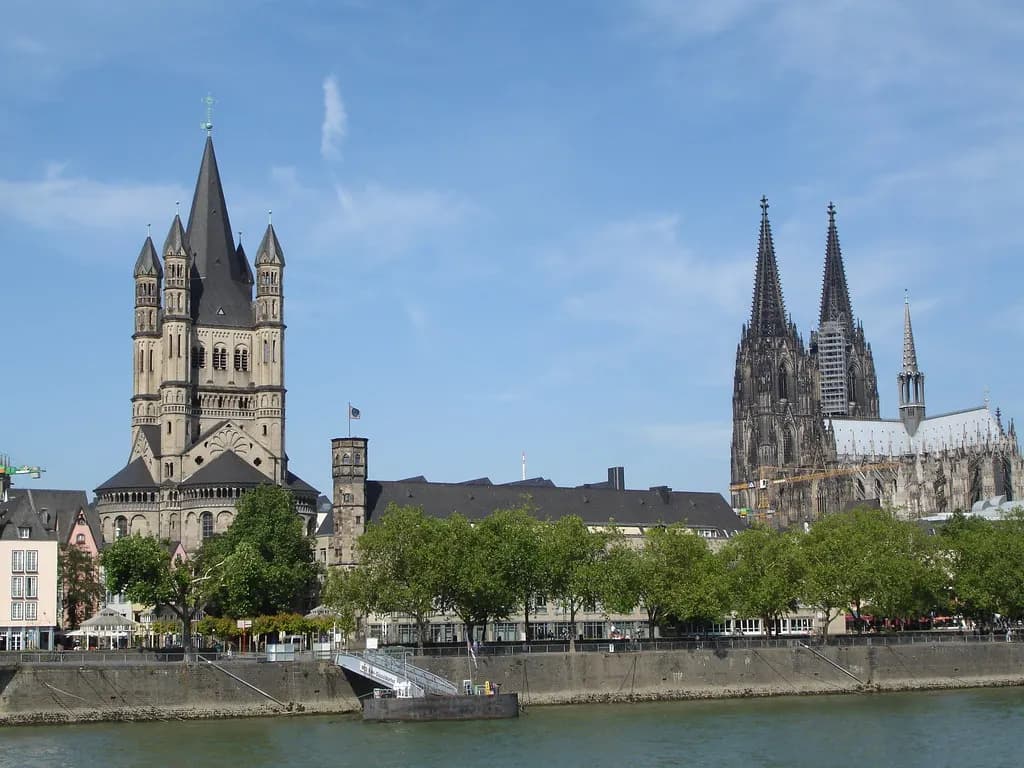
Cologne's cathedral took over 600 years to finish — construction stopped for four centuries and the original medieval crane sat unused on one of the half-built towers for so long it became a permanent city landmark in its own right before work ever resumed.
See full guide →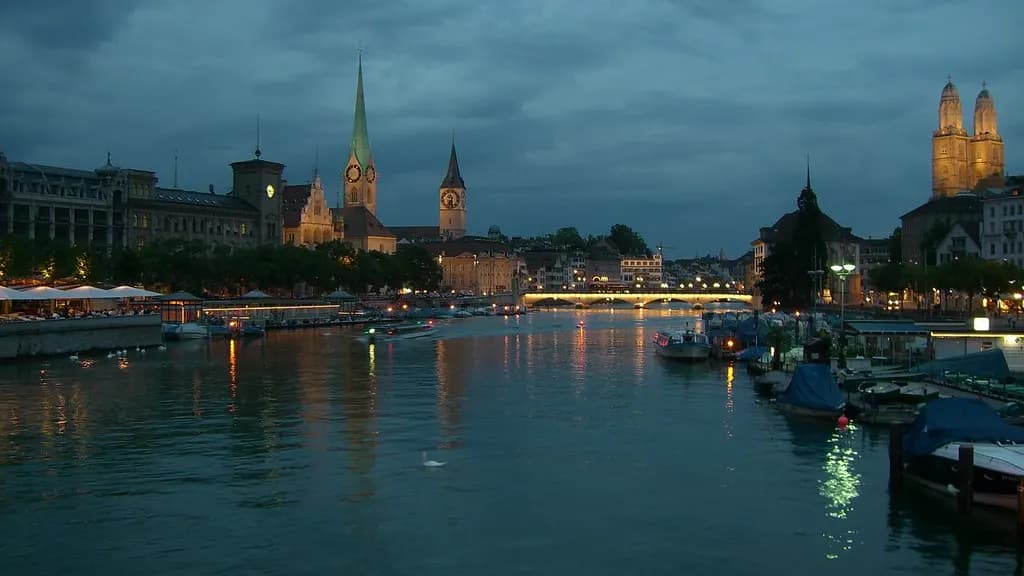 Zurich
Zurich
Switzerland
Over a thousand public drinking fountains run through this city, most fed by pristine lake and spring water, cold and genuinely safe to drink — which tells you a lot about how this place treats its infrastructure.
See full guide →Comparing more than one route? See the full transport comparison guide.