Germany · Europe
Cologne
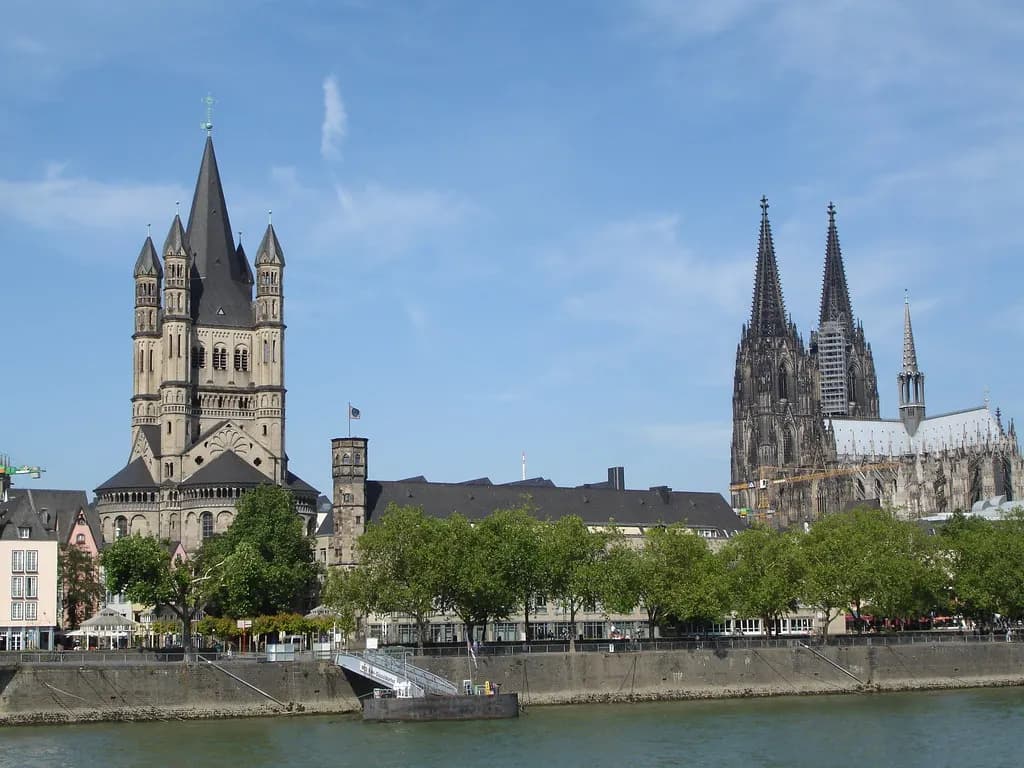
Cologne's cathedral took over 600 years to finish — construction stopped for four centuries and the original medieval crane sat unused on one of the half-built towers for so long it became a permanent city landmark in its own right before work ever resumed.
Cologne Cathedral took an almost unbelievable 632 years to complete. Construction began in 1248, progressed for roughly three centuries, then stalled almost entirely starting in the 1500s — for nearly 400 years, one of the towers sat visibly unfinished with the original medieval construction crane still perched on top, a genuine landmark of its own that Cologne residents lived alongside for generations before work ever resumed. Construction only restarted in the 19th century, guided by a set of original medieval plans that had, by sheer chance, survived intact, and the cathedral was finally finished in 1880 — now one of the largest Gothic churches on earth and a UNESCO World Heritage Site.
That cathedral anchors an Old Town that was almost entirely rebuilt after suffering catastrophic destruction in World War II — over 90% of the historic center was destroyed, and much of what stands today is a careful postwar reconstruction, making the cathedral's survival (heavily damaged but still standing amid the ruins) feel even more significant in retrospect.
Cologne's beer culture is genuinely distinct rather than a general German stereotype: Kölsch, a light, crisp style of beer, is legally protected to be brewed only within Cologne and its immediate surroundings, and it's served in small, narrow glasses that servers keep replacing automatically round after round — the only way to stop the flow is to place a beer coaster on top of your empty glass, a real, functioning local custom rather than a tourist gimmick.
The Hohenzollern Bridge, crossing the Rhine near the cathedral, has become an unofficial local tradition of its own: thousands of padlocks, left by couples as a symbol of commitment, now cover entire sections of the pedestrian railings, dense enough that the bridge has had to be structurally monitored for the added weight.
Cologne and nearby Düsseldorf share a long-standing, good-natured rivalry, partly expressed through their competing local beers (Kölsch versus Düsseldorf's darker Altbier), and the two cities — half an hour apart by train — are easy to combine into a single trip covering both Rhineland identities.
What a trip here actually costs
$55 / day avg.
- Hostel near the center
- Public transit day pass
- Currywurst and bakery lunches
- Free cathedral entry and Old Town wander
What to do at this tier
- • Cologne Cathedral, free to enter, one of the largest Gothic churches in the world
- • Old Town (Altstadt) wander along the Rhine, free
- • Hohenzollern Bridge, covered in thousands of padlocks left by couples, free to walk
$120 / day avg.
- 3-star hotel near the Old Town
- Cathedral tower climb and treasury entry
- Kölsch beer-hall dinners
- Museum Ludwig or Wallraf-Richartz entry
What to do at this tier
- • Cathedral tower climb, over 500 steps for a panoramic view over the Rhine
- • Kölsch beer-hall dinner in a traditional Brauhaus, small glasses kept coming until you signal enough
- • Museum Ludwig or Wallraf-Richartz Museum, two of Germany's more significant art collections
$260 / day avg.
- 4-5 star hotel with Rhine or cathedral views
- Private guided cathedral and Old Town history tour
- Multi-course dinner at a well-regarded restaurant
- Private Rhine river cruise
What to do at this tier
- • Private guided tour covering the cathedral's 600-year construction history
- • Private Rhine river cruise past the Old Town skyline
- • Multi-course dinner at a well-regarded Cologne restaurant
These are average estimates for planning purposes, not real-time prices — actual costs vary by season, availability, and how far ahead you book.
How to get there
Click anywhere on the world map — any airport works, not just our main hubs.
Click anywhere on the map above — any airport in the world works — to see estimated travel time and cost from there.
Times and prices are planning estimates, not live fares — always check a booking site before you commit. See the full Transport Comparison guide for the general tradeoffs of each mode.
Best time to visit
May-September brings the mildest weather; Cologne's Carnival celebrations in February are a major event worth knowing about, whether seeking the crowds out or avoiding them.
Safety notes
Very safe overall. Standard urban caution is enough almost everywhere in the city.
Visa & currency
Euro. Standard Schengen 90-day visa-free rule applies for most Western passport holders.
Questions people ask before visiting
Is Cologne worth visiting?
Yes — the cathedral alone, one of the largest Gothic churches in the world and a UNESCO World Heritage Site, justifies a stop, and the city backs it up with a genuinely distinct beer culture, a lively Rhine-side old town, and one of Germany's more significant art museum collections.
How long did it take to build Cologne Cathedral?
Officially over 600 years — construction began in 1248, stalled almost entirely for roughly four centuries starting in the 1500s (the original medieval crane remained visibly stuck atop one unfinished tower that entire time), and only resumed and finished in 1880, following the original medieval plans that had survived by chance.
Cologne or Düsseldorf — which should I visit?
Cologne has the cathedral, more historic depth, and a livelier old town nightlife scene. Düsseldorf, half an hour away, is more polished and fashion- and business-oriented. The two cities have a good-natured rivalry, partly expressed through their competing local beers, and are easy to combine on one trip.
What is Kölsch, and is the beer culture real?
Kölsch is Cologne's own style of light, crisp beer, protected by law to only be brewed within the city and surrounding region — served in small, distinctive narrow glasses, traditionally replaced rather than refilled by servers who keep bringing rounds until you place a coaster on top of your glass to signal you're done.
How many days do you need in Cologne?
Two days covers the cathedral, the Old Town, and one of the major museums. A third day allows a proper Kölsch beer-hall crawl through the historic brewery taverns, or a day trip to Düsseldorf or Bonn.
Nearby destinations
 Berlin
Berlin
Germany
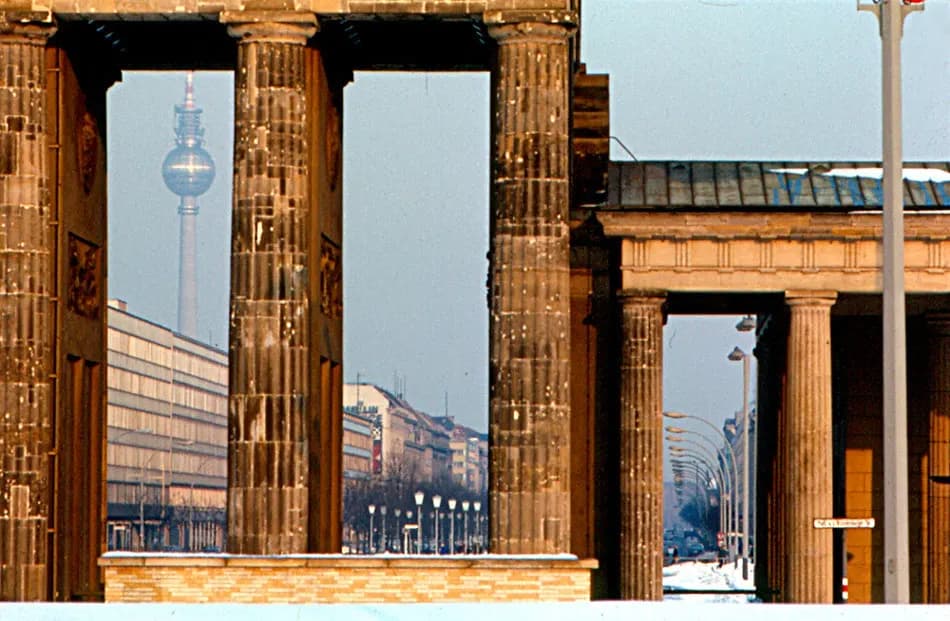
A city that was physically split in two for 28 years now has almost no visible seam — you can walk from what was the Soviet-controlled east into the former West Berlin without noticing, unless you know exactly where to look.
See full guide →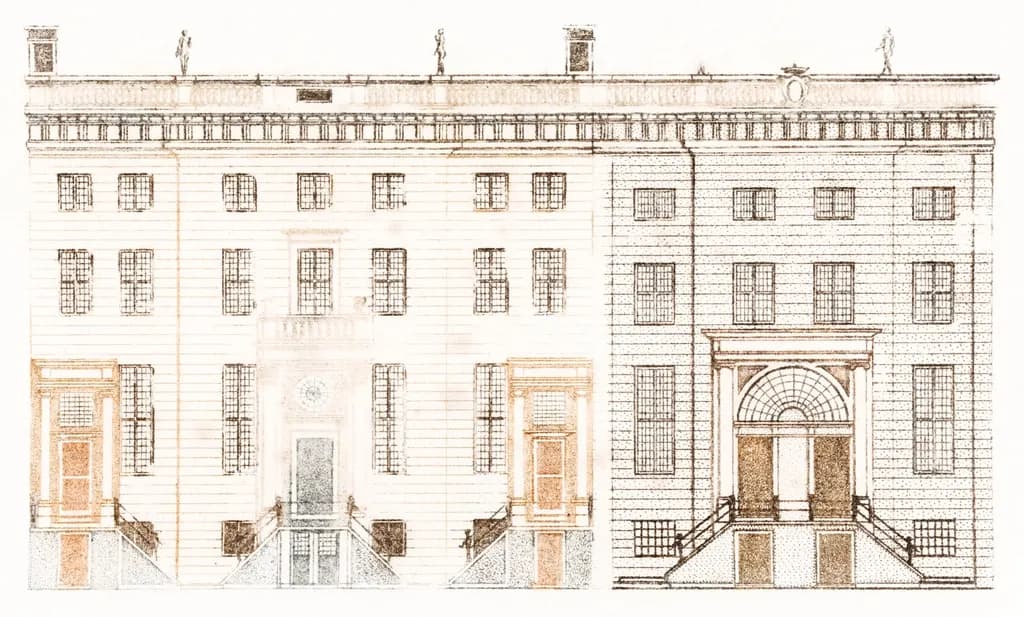 Amsterdam
Amsterdam
Netherlands
There are more bikes than people registered in this city, and the bike lanes are enforced with more consequence than the actual roads — step into one without looking and you'll hear about it.
See full guide →Comparing more than one route? See the full transport comparison guide.