Bulgaria · Europe
Sofia
You can ski a real mountain and be back in the city center for dinner the same day — Vitosha, a 2,290-meter peak, rises directly at Sofia's edge, close enough that it's practically a neighborhood rather than a day trip.
Sofia has a claim few national capitals can make: a real mountain, Vitosha, rising directly at its southern edge, reachable by public bus and a gondola lift in well under an hour from the city center. Hiking trails cover it in summer, and a functioning ski area covers it in winter, which means visitors can genuinely spend a morning on a 2,290-meter peak and be back in the city for dinner — a combination that's practically unheard of among European capitals.
The city center itself sits on layers of history stacked closely enough to see at once: Serdica, the Roman settlement that predates modern Sofia by centuries, has been excavated and left exposed directly beneath and around the current city streets, meaning pedestrians walk past visible Roman ruins on an ordinary commute rather than a museum visit.
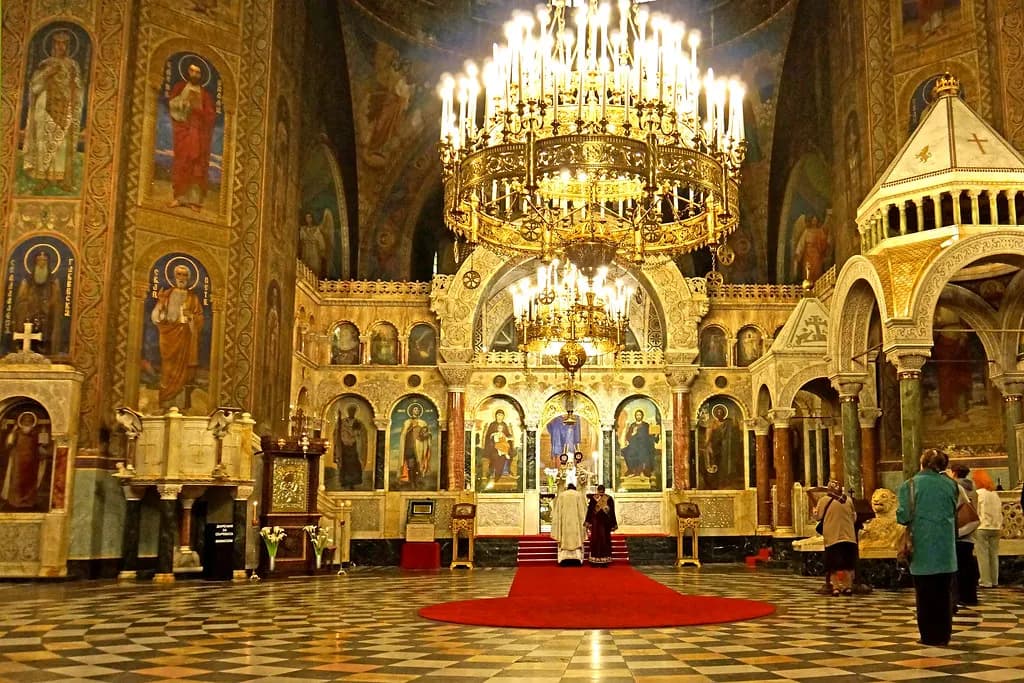
Alexander Nevsky Cathedral, with its gold-domed silhouette dominating the skyline, is one of the largest Eastern Orthodox cathedrals in the world, built in the early 20th century specifically to commemorate the roughly 200,000 Russian soldiers who died helping liberate Bulgaria from nearly five centuries of Ottoman rule — a building that's as much a political memorial as a place of worship.
Sofia's broader identity reflects that same layering: Ottoman-era mosques, Communist-era government buildings, and post-Soviet developments all sit within walking distance of each other, giving the city a visibly unresolved architectural character rather than a single polished narrative.
Prices here rank among the lowest of any capital in this guide — Bulgaria consistently sits near the bottom of the EU's cost-of-living rankings, and Sofia's food, transit, and accommodation prices reflect that clearly, making it a genuine value pick for travelers willing to go slightly further off the standard Western Europe circuit.
What a trip here actually costs
$28 / day avg.
- Hostel near the center
- Metro and bus day pass
- Banitsa and cafeteria-style Bulgarian lunches
- Free wander through the Roman ruins and cathedral exterior
What to do at this tier
- • Alexander Nevsky Cathedral exterior, one of the largest Orthodox cathedrals in the world, free
- • Serdica, exposed Roman ruins sitting directly beneath the modern city center, free
- • Vitosha hiking trails, reachable by public bus, free beyond transit cost
$70 / day avg.
- 3-star hotel near the center
- Alexander Nevsky Cathedral and National History Museum entry
- Sit-down Bulgarian dinners
- Vitosha gondola and hiking day
What to do at this tier
- • Alexander Nevsky Cathedral interior and the National History Museum
- • Vitosha gondola lift for a faster ascent, plus a mountain restaurant lunch
- • Sit-down dinner featuring shopska salad and banitsa, Bulgarian staples
These are average estimates for planning purposes, not real-time prices — actual costs vary by season, availability, and how far ahead you book.
How to get there
Click anywhere on the world map — any airport works, not just our main hubs.
Click anywhere on the map above — any airport in the world works — to see estimated travel time and cost from there.
Times and prices are planning estimates, not live fares — always check a booking site before you commit. See the full Transport Comparison guide for the general tradeoffs of each mode.
Best time to visit
May-September brings the mildest weather; winters are genuinely cold, though that's also when Vitosha's ski season runs, roughly December through March.
Safety notes
Very safe overall. Standard urban caution is enough almost everywhere in the city.
Visa & currency
Bulgarian lev (BGN), not the euro. Bulgaria is in the EU and the Schengen area; standard 90-day visa-free rule applies for most Western passport holders.
Questions people ask before visiting
Is Sofia worth visiting?
Yes, and it's one of the more underrated capitals in Europe — a genuinely rare mountain-city combination lets visitors hike or ski Vitosha and be back in the city center within the hour, alongside Roman ruins, Ottoman-era mosques, and Communist-era architecture layered across the same few blocks.
Can I really ski or hike Vitosha from Sofia?
Yes — Vitosha rises directly at the city's southern edge, reachable by public bus and a gondola lift, with hiking trails in summer and skiing in winter. It's genuinely unusual for a national capital to have a real mountain this immediately accessible.
Is Sofia cheap to visit?
Yes, one of the more affordable capitals in this guide — Bulgaria consistently ranks among the least expensive EU countries, and Sofia's prices reflect that across food, transit, and accommodation.
Is the Alexander Nevsky Cathedral worth visiting?
Yes — it's one of the largest Eastern Orthodox cathedrals in the world, built in the early 20th century to commemorate Russian soldiers who died liberating Bulgaria from Ottoman rule, and its gold domes are Sofia's most recognizable landmark.
How many days do you need in Sofia?
Two days covers the city center, Alexander Nevsky Cathedral, and the Roman ruins beneath the city. A third day allows a half-day trip up Vitosha, comfortably done as a hike in summer or a ski day in winter.
Nearby destinations
 Belgrade
Belgrade
Serbia
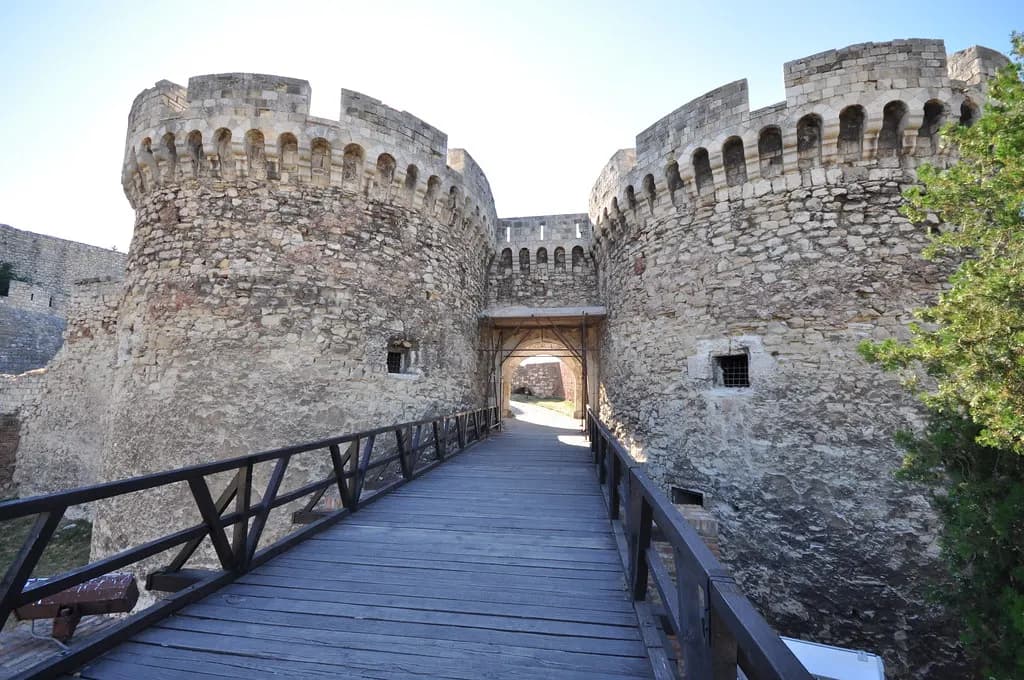
Belgrade has been conquered, destroyed, and rebuilt more times than almost any other European capital — by some counts, close to 40 times — and the fortress at its center has outlived every empire that ever held it.
See full guide →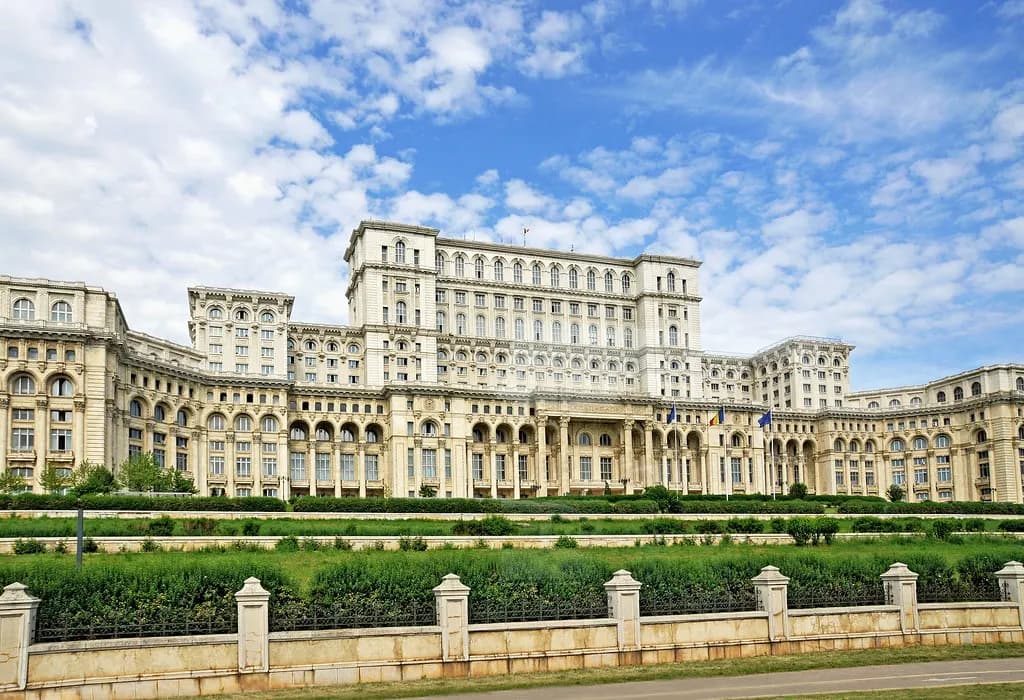 Bucharest
Bucharest
Romania
Ceaușescu's Palace of the Parliament is heavier than the Empire State Building and the Great Pyramid of Giza combined, built by a regime that flattened a fifth of historic Bucharest to make room for it.
See full guide →Comparing more than one route? See the full transport comparison guide.