Serbia · Europe
Belgrade
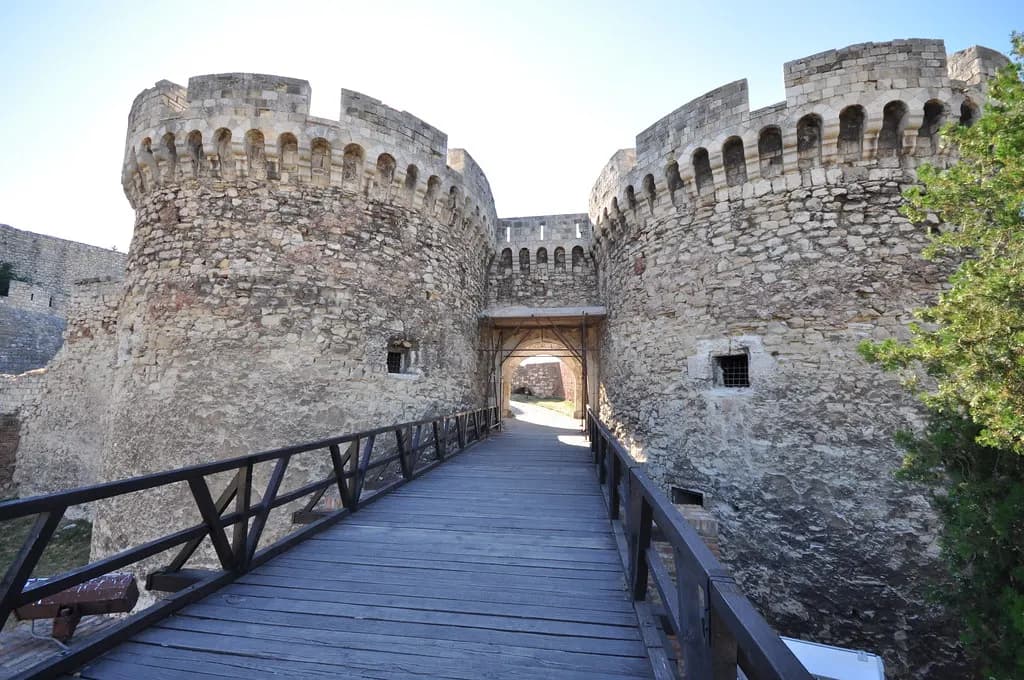
Belgrade has been conquered, destroyed, and rebuilt more times than almost any other European capital — by some counts, close to 40 times — and the fortress at its center has outlived every empire that ever held it.
Belgrade sits at the confluence of the Sava and Danube rivers, a position so strategically valuable that the city has been conquered, destroyed, and rebuilt an estimated 40 times across its history — by Celts, Romans, Byzantines, Ottomans, Habsburgs, and others, each leaving some mark before the next power took over. Kalemegdan Fortress, the ancient citadel overlooking that river confluence, has been rebuilt and reinforced by nearly every one of those rulers, making it less a single historical structure than a physical record of the city's entire layered history.
That history isn't sealed behind museum glass — parts of it are still visible in the streets. Several government buildings damaged in the 1999 NATO bombing campaign during the Kosovo conflict remain deliberately unrepaired near the city center, left as a stark, unresolved marker of Serbia's recent history rather than cleared away.
Belgrade's nightlife runs on a genuinely distinctive format: splavovi, floating clubs and bars moored along the riverbanks, ranging from relaxed bars to major nightclubs, active seasonally from spring through early autumn. It's dense and well-regarded enough within the region that Belgrade has a real claim to being one of Southeastern Europe's more significant nightlife destinations, not just a budget alternative to Western capitals.
Skadarlija, the city's old bohemian quarter, gives a calmer counterpoint — a cobblestone street lined with traditional kafanas, Serbian taverns serving hearty regional food alongside live folk music, a tradition dating back to the neighborhood's 19th-century artist and writer community.
Prices here sit comfortably in the affordable tier of this guide, closer to Sarajevo or Sofia than to Vienna or Budapest just across the border, which makes Belgrade a reasonable pick for travelers wanting serious history and a genuinely active nightlife scene without Western European costs.
What a trip here actually costs
$32 / day avg.
- Hostel near the center
- Bus and tram day pass
- Ćevapi and burek lunches
- Free wander through Kalemegdan Fortress
What to do at this tier
- • Kalemegdan Fortress and park, overlooking the Sava-Danube confluence, free
- • Skadarlija, the cobblestone bohemian quarter, free to wander
- • Knez Mihailova, the main pedestrian street, free
$78 / day avg.
- 3-star hotel near Skadarlija or the center
- Museum of Yugoslavia entry
- Sit-down Serbian dinners
- A night out at one of the river rafts
What to do at this tier
- • Museum of Yugoslavia, covering the country's 20th-century history and Tito's mausoleum
- • Night out on the splavovi, the floating river clubs along the Sava and Danube
- • Sit-down dinner featuring ćevapi and rakija, Serbia's fruit brandy
These are average estimates for planning purposes, not real-time prices — actual costs vary by season, availability, and how far ahead you book.
How to get there
Click anywhere on the world map — any airport works, not just our main hubs.
Click anywhere on the map above — any airport in the world works — to see estimated travel time and cost from there.
Times and prices are planning estimates, not live fares — always check a booking site before you commit. See the full Transport Comparison guide for the general tradeoffs of each mode.
Best time to visit
May-June and September-October bring mild, comfortable weather; the river raft nightlife scene is most active from spring through early autumn.
Safety notes
Generally safe overall, with standard urban caution enough for most visitors. Normal nightlife-district awareness applies around the river clubs late at night.
Visa & currency
Serbian dinar (RSD), not the euro. Serbia is not in the EU or Schengen area; most Western passport holders can enter visa-free for stays up to 90 days, though it's worth confirming current requirements for your specific nationality before flying.
Questions people ask before visiting
Is Belgrade worth visiting?
Yes — it's one of the most historically layered capitals in Europe, having changed hands between empires dozens of times, and it pairs that depth with a genuinely well-regarded nightlife scene built around floating river clubs, something few other European capitals can match.
What are the splavovi, the river rafts?
Floating clubs and bars moored along the Sava and Danube rivers, ranging from low-key bars to major nightclubs, and central enough to Belgrade's identity that they're one of the city's defining features rather than a niche attraction. They run seasonally, most active from spring through early autumn.
Is Belgrade safe?
Yes, generally safe for visitors, with standard urban caution enough for most trips. Serbia's 1990s conflicts are part of the city's visible history — including bombed government buildings left deliberately unrepaired as a memorial — but aren't a present-day safety concern.
Is Belgrade cheap to visit?
Yes, one of the more affordable capitals in this guide, similar to or slightly above Sarajevo and Sofia — food, transit, and nightlife all run well below Western European prices.
How many days do you need in Belgrade?
Two days covers Kalemegdan Fortress, the Old Town, and a river raft night out. A third day allows Skadarlija, the bohemian old quarter, and a slower pace through the city's museums.
Nearby destinations
 Sarajevo
Sarajevo
Bosnia and Herzegovina
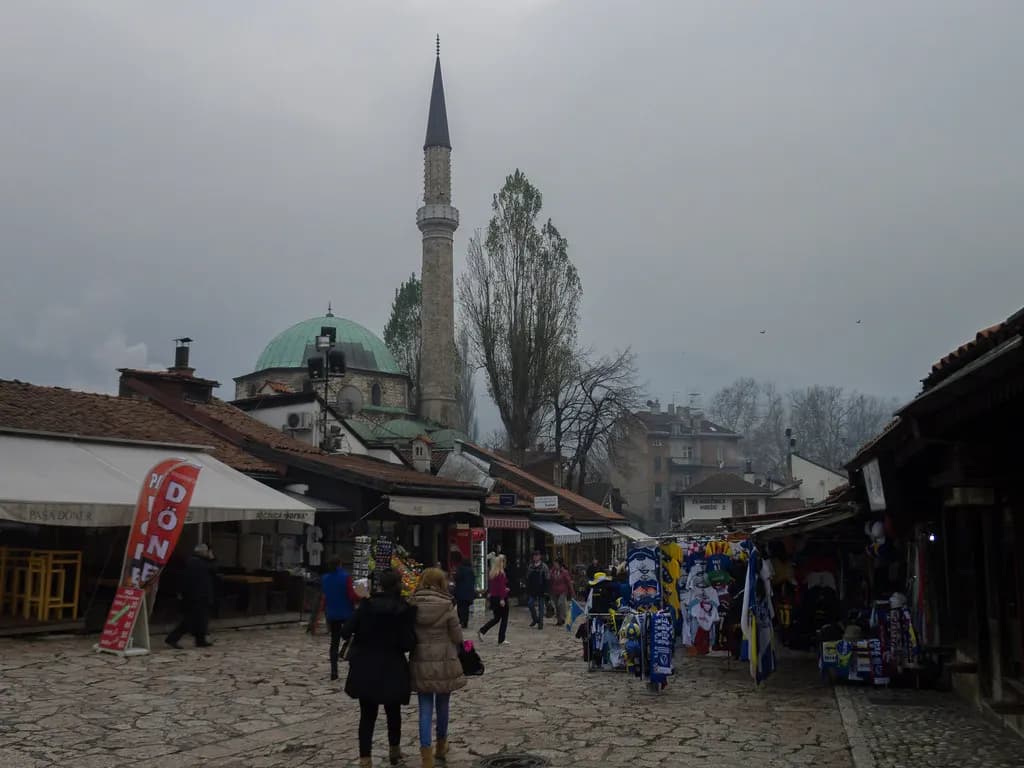
A single bridge in Sarajevo is where a 19-year-old's gunshot in 1914 set off a chain of alliances that became World War I — the spot is marked, unremarkable, and easy to walk past without noticing.
See full guide → Budapest
Budapest
Hungary
Two cities merged into one in 1873 — Buda's hills on one bank, Pest's flat grid on the other — and you can still feel the seam every time you cross the Chain Bridge between them.
See full guide →Comparing more than one route? See the full transport comparison guide.