Spain · Europe
Madrid
Dinner reservations before 9pm are considered early here — Madrid runs on a schedule shifted so late that the city's nightlife doesn't really start until other European capitals are already closing down.
Madrid runs on a clock that surprises first-time visitors more than almost anything else about the city. Lunch stretches into early afternoon, dinner rarely starts before 9pm, and nightlife genuinely doesn't get going until midnight — a schedule that isn't a quirky exception but the actual, ordinary rhythm of the city, shared by Spaniards generally but pushed further here than in most other Spanish cities.
The Prado Museum anchors what's often called Madrid's "Golden Triangle" of art museums, alongside the Reina Sofía (home to Picasso's Guernica) and the Thyssen-Bornemisza. The Prado's collection of Spanish masters — Velázquez's Las Meninas, an entire room of Goya's darkest late work, El Greco — is dense enough that a rushed hour barely scratches the surface; two to three hours is closer to the minimum for a real visit.
Retiro Park, once a royal retreat and now Madrid's central green space, is large enough to spend a full free afternoon in — rowing on the lake, the Crystal Palace's glass-and-iron structure, and wide avenues that fill with locals rather than just tourists on weekends. It sits a short walk from the Prado, making the two a natural pairing for one day.
Tapas culture here is a genuine daily practice, not a tourist performance, and La Latina — specifically the streets around Calle Cava Baja — has the highest concentration of standing-room bars where locals actually eat this way, moving between two or three spots over an evening rather than committing to one sit-down meal. Malasaña, a bit north, adds a younger, more nightlife-focused version of the same idea.
Madrid's centrality within Spain also makes it a strong base for day trips — Toledo, the former capital with a skyline still dominated by its cathedral and Alcázar fortress, sits under an hour away by high-speed train, close enough to add without disrupting a Madrid-focused itinerary.
What a trip here actually costs
$60 / day avg.
- Hostel in La Latina or Malasaña
- Metro day pass
- Tapas-hopping instead of sit-down meals
- Retiro Park and free museum hours (many offer free entry certain evenings)
What to do at this tier
- • Retiro Park, free, including the Crystal Palace exterior
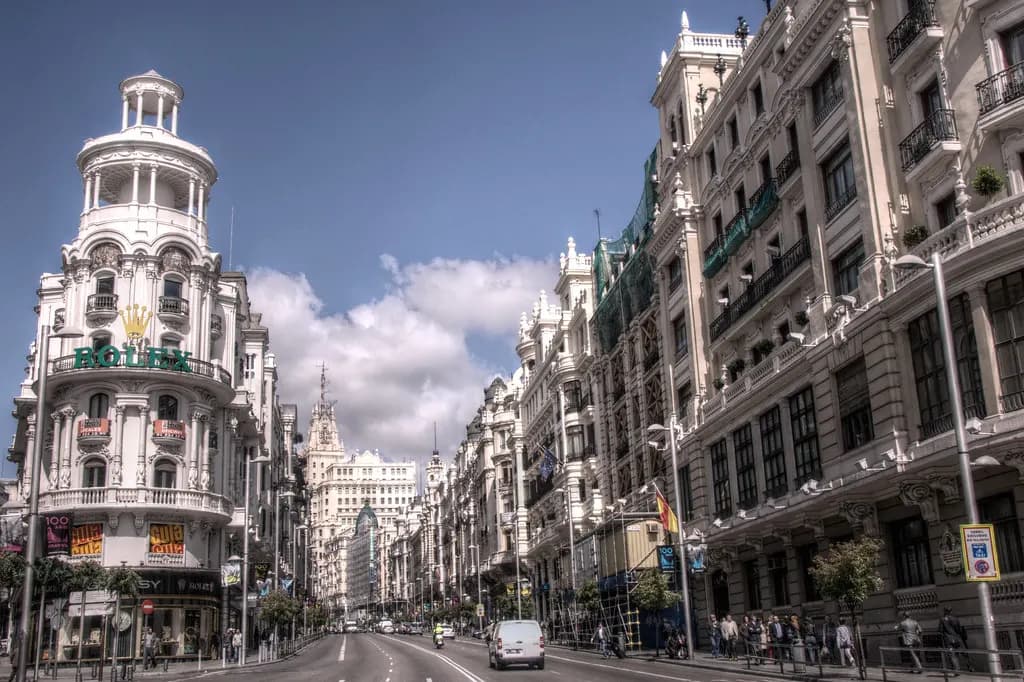
- • Gran Vía walk at night, free, especially good for the architecture lit up
- • Free entry hours at the Prado and Reina Sofía, check current evening windows
$135 / day avg.
- 3-star hotel near the center
- Prado and Reina Sofía museum tickets
- Sit-down dinners, one proper tapas crawl
- Royal Palace tour
What to do at this tier
- • Prado Museum, two to three hours, booked ahead
- • Reina Sofía for Picasso's Guernica and modern Spanish art
- • Tapas crawl through La Latina, four or five stops
$300 / day avg.
- 4-5 star hotel near Gran Vía or Salamanca district
- Private guided art walk through the Golden Triangle museums
- Multi-course dinner at a well-regarded restaurant
- Private day trip to Toledo
What to do at this tier
- • Private guided tour through Madrid's 'Golden Triangle' of art museums
- • Private day trip to Toledo, the former capital about an hour away
- • Multi-course dinner at a well-regarded Madrid restaurant, booked well ahead
These are average estimates for planning purposes, not real-time prices — actual costs vary by season, availability, and how far ahead you book.
How to get there
Click anywhere on the world map — any airport works, not just our main hubs.
Click anywhere on the map above — any airport in the world works — to see estimated travel time and cost from there.
Times and prices are planning estimates, not live fares — always check a booking site before you commit. See the full Transport Comparison guide for the general tradeoffs of each mode.
Best time to visit
April-June and September-October bring comfortable weather without the harsh summer heat, which regularly pushes past 35°C in July and August.
Safety notes
Very safe overall, among the safer major European capitals. Standard pickpocket caution on the metro and in crowded tapas areas at night is enough.
Visa & currency
Euro. Standard Schengen 90-day visa-free rule applies for most Western passport holders.
Questions people ask before visiting
How long should I spend at the Prado Museum?
At least two to three hours for a focused visit covering the major Spanish masters — Velázquez, Goya, El Greco. It's one of the world's great art museums, and rushing it in under an hour means missing most of what makes it significant.
Madrid or Barcelona first?
They're genuinely different trips. Barcelona is coastal, Catalan, and Gaudí-driven; Madrid is inland, the political and cultural capital, built around world-class museums and a later, more intense nightlife. Madrid works well as a first stop if you want the classic Spanish capital experience; Barcelona if the coast and modernist architecture matter more.
Where's the best tapas culture in Madrid, not just tourist menus?
La Latina and Malasaña neighborhoods have the highest concentration of genuine tapas bars, many still standing-room-only counters rather than sit-down restaurants. Calle Cava Baja in La Latina is a reliable starting point for a proper crawl.
Is Madrid walkable?
The historic center is very walkable, and the metro covers everything else efficiently and cheaply. Most first-time visitors don't need a car or rely heavily on taxis if staying central.
How many days do you need in Madrid?
Three days covers the Prado, Retiro Park, and a proper tapas evening in La Latina. A fourth day allows a day trip to Toledo or a slower wander through Malasaña and Chueca.
Nearby destinations
 Barcelona
Barcelona
Spain
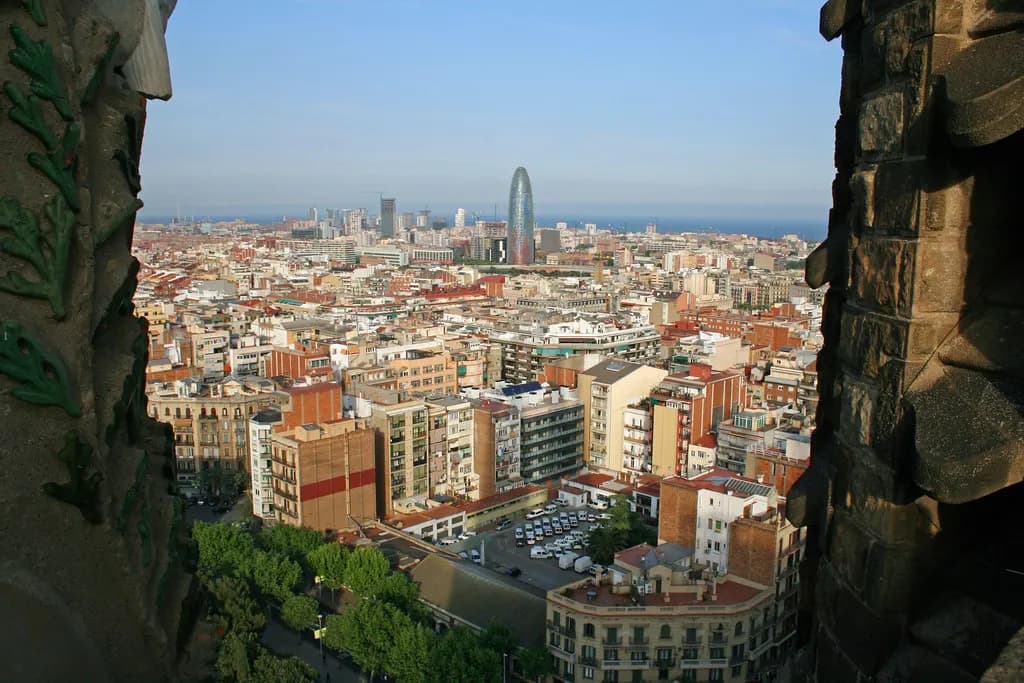
Gaudí spent over a decade on a church that's still not finished, and somehow that unfinished cathedral is now the thing everyone plans their trip around.
See full guide →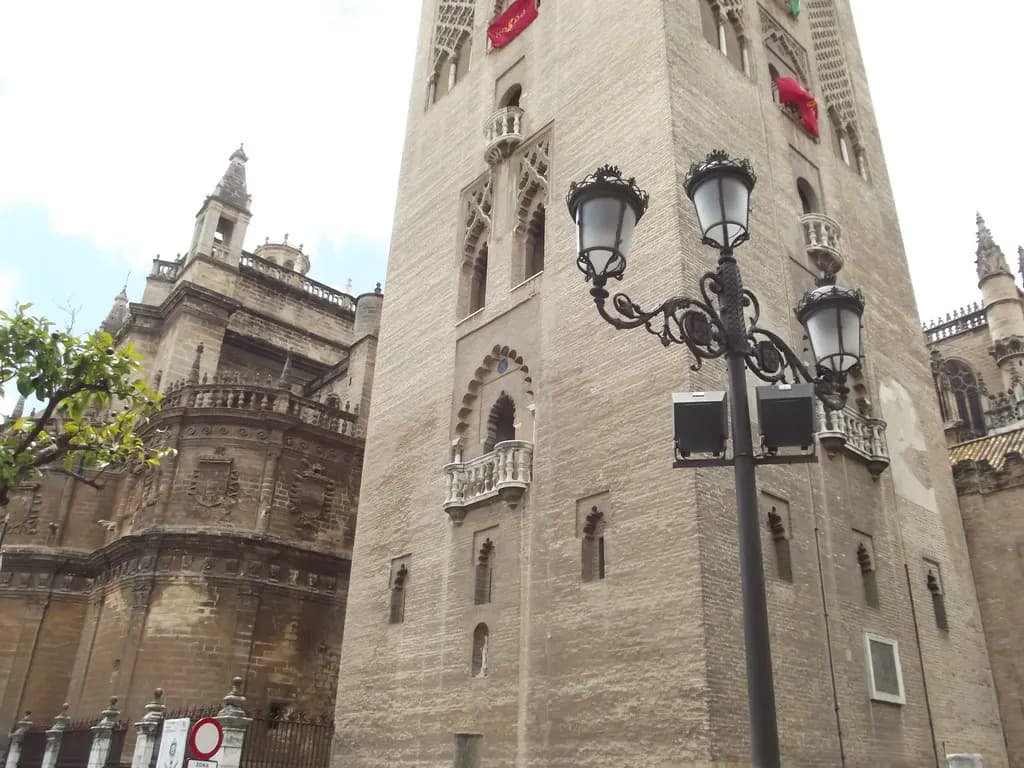 Seville
Seville
Spain
The cathedral here was built so big that its own founders reportedly said future generations would think they were mad — and it's still the largest Gothic cathedral on earth.
See full guide →Comparing more than one route? See the full transport comparison guide.