Italy · Europe
Naples
Margherita pizza was named after an actual queen who tried it here in 1889 — and the pizzeria that served her, Brandi, is still open a few streets from where the story happened.
Naples has a fair claim to being the birthplace of pizza in something close to its modern form, and the story locals tell is specific: in 1889, a Naples pizzaiolo made a pizza topped with tomato, mozzarella, and basil — red, white, and green, matching the Italian flag — for a visit by Queen Margherita of Savoy, and named it after her. The pizzeria credited with the dish, Brandi, still operates a few streets from the old royal palace, and Naples-style pizza remains protected enough as a concept that UNESCO added the Neapolitan pizzaiolo's craft to its Intangible Cultural Heritage list in 2017.
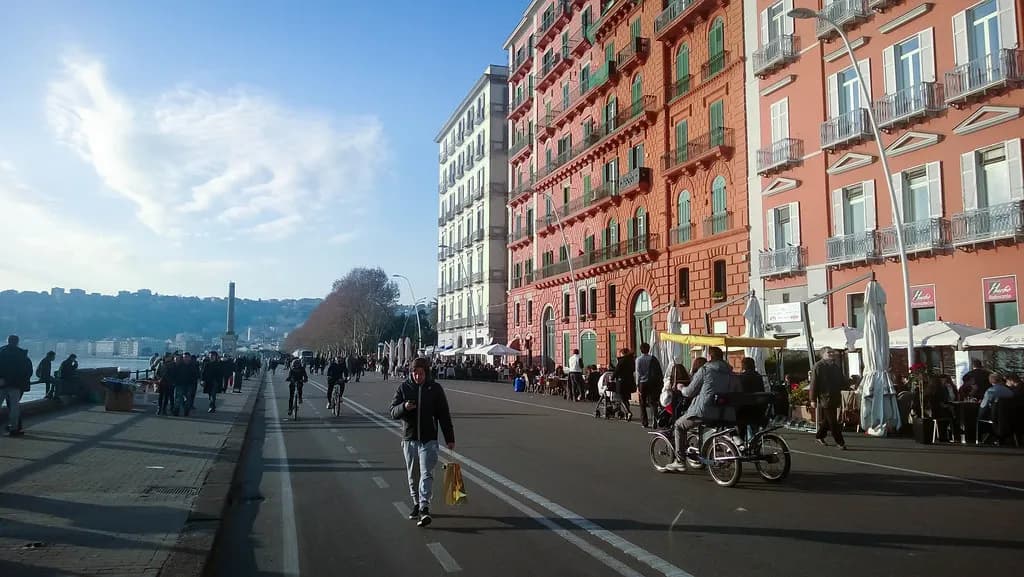
The historic center, one of the largest in Europe and continuously inhabited since its founding as a Greek colony called Neapolis — literally "new city" — around the 6th century BC, is dense, layered, and noticeably less polished than Rome's or Florence's equivalent districts. Spaccanapoli, a dead-straight street running through the old center on the line of an ancient Greek road, cuts past churches, market stalls, and shrines with a lived-in intensity that reads as chaotic to some visitors and as the most genuinely Italian experience in the country to others.
Beneath the streets, Napoli Sotterranea tours lead through a network of tunnels and cisterns dug first by the Greeks and expanded by the Romans for aqueducts, later reused as bomb shelters during World War II — an entire second city underfoot that most visitors never realize is there.
Naples's biggest practical advantage over Rome or Florence is proximity: Pompeii and Herculaneum, two of the best-preserved ancient sites on earth, both buried and paradoxically protected by the 79 AD eruption of Mount Vesuvius, are a short commuter-train ride away, and the Amalfi Coast, Capri, and Vesuvius itself are all realistic day trips or add-ons from the city's port and train stations.
Naples divides travelers more than most Italian destinations — it's grittier, more chaotic, and comes with more realistic petty-crime caution than Rome or Florence — but it also has a food culture, a layered ancient history, and an unpolished authenticity that a lot of visitors end up preferring to Italy's more tourist-optimized stops.
What a trip here actually costs
$45 / day avg.
- Hostel in the historic center
- Metro and funicular day pass
- Pizza and street food lunches
- Free wander through Spaccanapoli and the old center
What to do at this tier
- • Walk Spaccanapoli, the arrow-straight street splitting the historic center, free
- • Pizza at one of the historic pizzerias, Da Michele or Brandi among the most cited
- • Free viewpoints from the Certosa di San Martino grounds over the bay and Vesuvius
$100 / day avg.
- 3-star hotel near the center
- Pompeii train ticket and site entry
- Sit-down Neapolitan dinners
- Napoli Sotterranea underground tour
What to do at this tier
- • Pompeii day trip via the Circumvesuviana commuter train, at least three hours on-site
- • Napoli Sotterranea, guided tours through Greek and Roman-era tunnels beneath the city
- • Museo Archeologico Nazionale, holding much of what was excavated from Pompeii and Herculaneum
$220 / day avg.
- 4-5 star hotel with bay views
- Private guided Pompeii and Herculaneum tour
- Multi-course seafood dinner
- Private boat day trip to Capri
What to do at this tier
- • Private guided day covering both Pompeii and Herculaneum with an archaeologist-led focus
- • Private boat trip to Capri, including the Blue Grotto if sea conditions allow
- • Multi-course seafood tasting menu on the Santa Lucia waterfront
These are average estimates for planning purposes, not real-time prices — actual costs vary by season, availability, and how far ahead you book.
How to get there
Click anywhere on the world map — any airport works, not just our main hubs.
Click anywhere on the map above — any airport in the world works — to see estimated travel time and cost from there.
Times and prices are planning estimates, not live fares — always check a booking site before you commit. See the full Transport Comparison guide for the general tradeoffs of each mode.
Best time to visit
April-June and September-October bring warm, comfortable weather without the peak summer heat and the heaviest cruise and Pompeii crowds.
Safety notes
Generally safe in tourist areas, though petty theft is a real and more common concern here than in most other major Italian cities — keep bags zipped and phones out of back pockets, especially on buses and near the station.
Visa & currency
Euro. Standard Schengen 90-day visa-free rule applies for most Western passport holders.
Questions people ask before visiting
Is Naples worth visiting?
Yes, though it's a genuinely different experience from Rome, Florence, or Venice — grittier, less polished, and more intense, with a historic center that's one of the largest and oldest in Europe and a food culture that arguably outdoes anywhere else in Italy. It divides opinion more than most Italian cities, and that's part of what makes it worth forming your own view on.
Is Naples safe?
Yes for the overwhelming majority of visitors sticking to the main historic center and tourist areas, though petty theft — pickpocketing and phone snatching in particular — is a more realistic concern here than in most other major Italian cities. Normal urban caution, especially on public transit and around Napoli Centrale station, is enough for most trips.
Naples, Rome, or Florence — which should I prioritize?
Rome and Florence remain the classic first choices for their sheer density of world-famous sights. Naples rewards travelers who've already done one or both and want something rawer and less tourist-optimized, plus unmatched access to Pompeii, Herculaneum, and the Amalfi Coast.
Can I visit Pompeii as a day trip from Naples?
Yes, easily — a commuter train (the Circumvesuviana) reaches the Pompeii excavation site in under 40 minutes. Herculaneum, smaller but even better preserved in some respects, is en route and can be combined with Pompeii or visited separately.
How many days do you need in Naples?
Two days covers the historic center and a Pompeii day trip. A third or fourth day opens up Herculaneum, Mount Vesuvius itself, or a first taste of the Amalfi Coast or Capri, both reachable from Naples's port.
Nearby destinations
 Rome
RomeRome
Italy
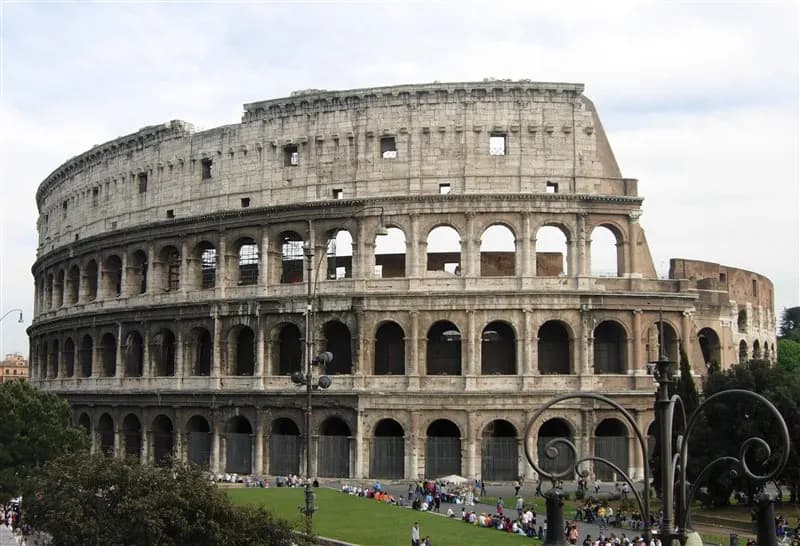
You can walk out of a 2,000-year-old amphitheater, cross one street, and order a coffee standing at a bar counter for a euro-fifty, no big deal to anyone but you.
See full guide →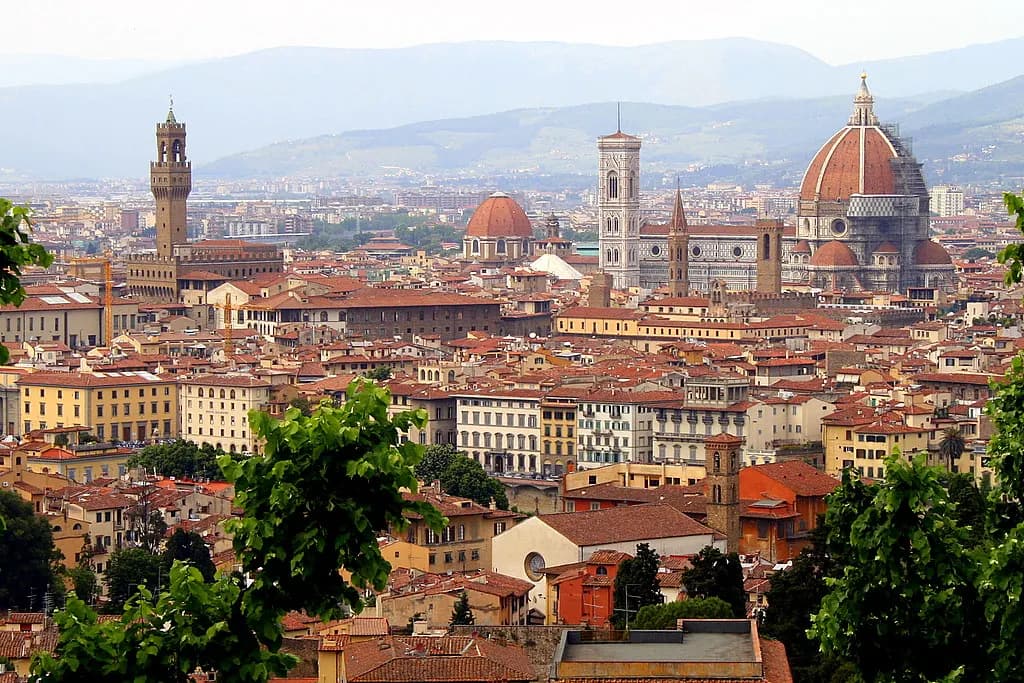 Florence
Florence
Italy
The entire historic center fits inside a walk you could do in under an hour, which is exactly why it gets so crowded — everyone's aiming for the same few blocks.
See full guide →Comparing more than one route? See the full transport comparison guide.