French Guiana · South America
Cayenne
French Guiana isn't a country at all — it's a full region of France, using the euro and sending representatives to the French parliament, which makes Cayenne the only South American capital where you can pay in euros and never need a visa if you're an EU citizen.
Cayenne is the capital of a place that technically isn't a country. French Guiana is an overseas region of France, with the same legal status as a French department on the mainland, which makes it part of the European Union sitting on the northeast coast of South America. Visitors pay in euros, EU citizens need no visa to enter, and the territory sends its own representatives to the French National Assembly in Paris.
That status has a very specific practical consequence about an hour from Cayenne, at the Guiana Space Centre in Kourou. The site sits close enough to the equator that a rocket launched from there gets extra speed from the Earth's own rotation, cutting fuel needs for reaching orbit. The European Space Agency and the French space agency have launched from Kourou since the 1960s, and Arianespace still runs regular missions from the same site today, with public viewing areas open for scheduled launches.
Just offshore from Kourou, the Îles du Salut hold a darker piece of the region's history. France used Île du Diable, Devil's Island, and the surrounding islands as a penal colony from the 1850s until 1953, sending prisoners to conditions that killed a large share of them through disease and forced labor. Alfred Dreyfus, the French army officer wrongly convicted of treason in a case that divided France for years, was held on Devil's Island, and the islands later became the setting for the memoir and film "Papillon." Boat tours now visit the ruins.
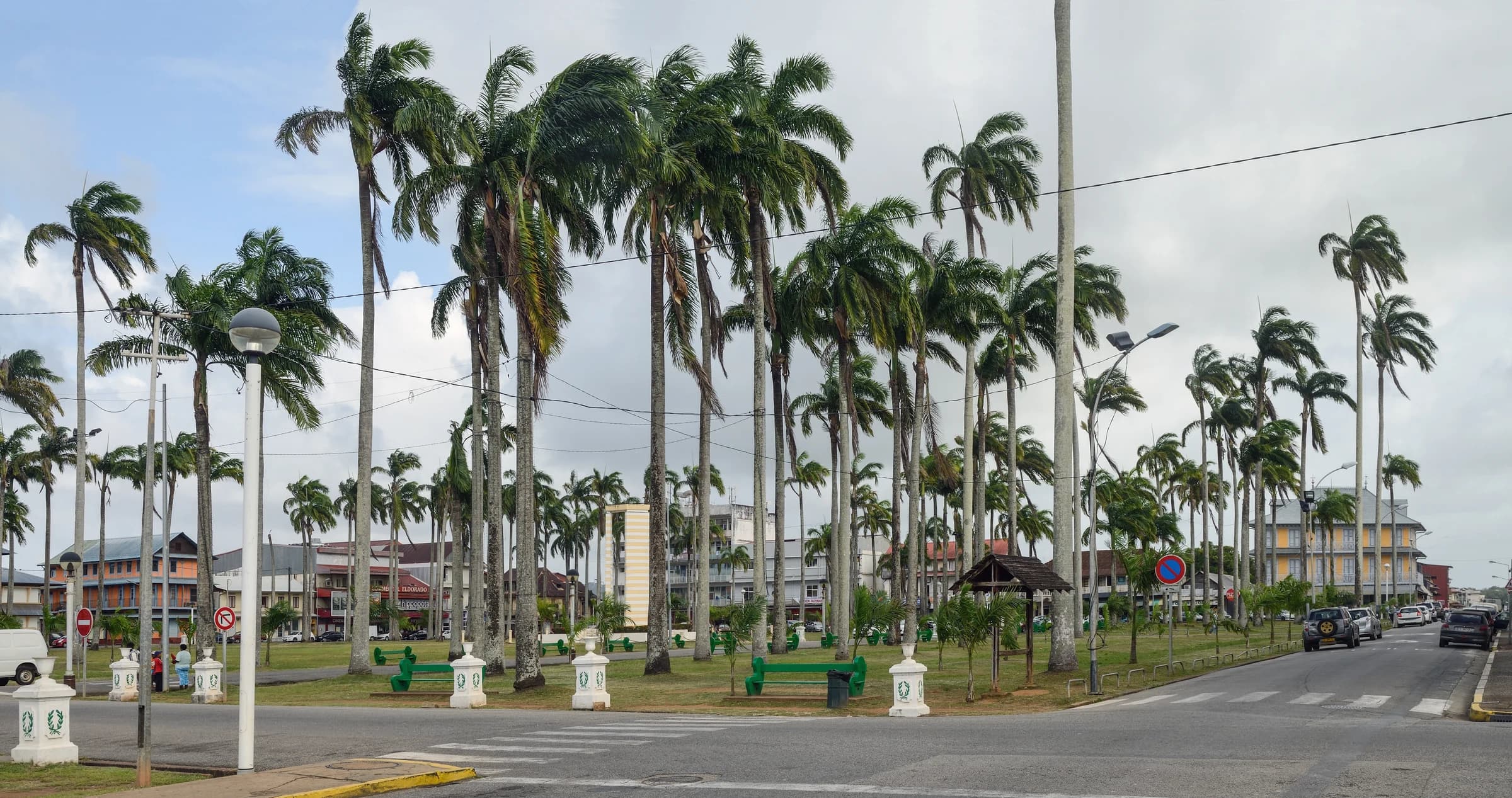
Cayenne's own historic center, centered on Place des Palmistes, reflects a more everyday version of French Guiana's mixed identity, where Creole, Hmong, Brazilian, and metropolitan French communities all show up in the markets and restaurants. The Hmong presence in particular traces back to refugees resettled here from Laos in the 1970s, who established farming communities that now supply much of the territory's produce.
Rainforest covers roughly 95 percent of French Guiana's land, and most visitors treat Cayenne as a base for exploring that interior alongside the coastal sites, whether through river trips, guided forest hikes, or simply the drive out toward Kourou, which cuts through dense green cover for most of the way.
What a trip here actually costs
$95 / day avg.
- 3-star hotel in central Cayenne
- Rental car for day trips to Kourou
- Sit-down Creole-French meals
- Guiana Space Centre guided tour
What to do at this tier
- • Place des Palmistes and Cayenne's colonial-era center, free to walk
- • Guiana Space Centre guided tour in Kourou, covering active launch facilities
- • Local market at Place Victor Schoelcher for Creole, Hmong, and French produce side by side
$220 / day avg.
- Upscale hotel near the waterfront
- Private guide for Kourou and the Space Centre
- Multi-course French-Creole dinners
- Boat charter to the Îles du Salut
What to do at this tier
- • Private guide for a full day covering Kourou's Space Centre and launch history
- • Boat charter to the Îles du Salut, including the Devil's Island penal colony ruins
- • Multi-course dinner featuring French technique with Creole and South American ingredients
These are average estimates for planning purposes, not real-time prices — actual costs vary by season, availability, and how far ahead you book.
How to get there
Click anywhere on the world map — any airport works, not just our main hubs.
Click anywhere on the map above — any airport in the world works — to see estimated travel time and cost from there.
Times and prices are planning estimates, not live fares — always check a booking site before you commit. See the full Transport Comparison guide for the general tradeoffs of each mode.
Best time to visit
August-November is drier; French Guiana's heaviest rains fall roughly December through July.
Safety notes
Generally safe in central Cayenne with standard urban caution, in line with typical French urban standards, though it has a higher crime rate than mainland France.
Visa & currency
Euro (EUR), since French Guiana is part of the European Union. EU citizens need no visa; other nationalities should check French Schengen-adjacent entry rules, which differ slightly for overseas territories.
Questions people ask before visiting
Is French Guiana part of France?
Yes, legally and administratively — French Guiana is an overseas region of France, part of the European Union, using the euro as currency. It's the only piece of continental European Union territory located in South America.
Why does France launch rockets from French Guiana?
The Guiana Space Centre at Kourou, about an hour from Cayenne, sits close to the equator, where the Earth's rotational speed gives rockets an extra boost and allows more fuel-efficient launches. The European Space Agency and Arianespace have launched from there since the 1960s, and public viewing areas let visitors watch launches when scheduled.
What is Devil's Island?
Île du Diable, part of the Îles du Salut just offshore from Kourou, was a French penal colony from the 1850s until 1953, notorious for its harsh conditions. Alfred Dreyfus was held there, and the islands later inspired the book and film 'Papillon.' Boat tours visit the ruins today.
How many days do you need in Cayenne and the surrounding area?
One day covers central Cayenne itself. Most visitors extend the trip to three or four days to include Kourou's Space Centre, the Îles du Salut, and time in the surrounding rainforest, which covers most of French Guiana's territory.
Nearby destinations
 Paramaribo
Paramaribo
Suriname
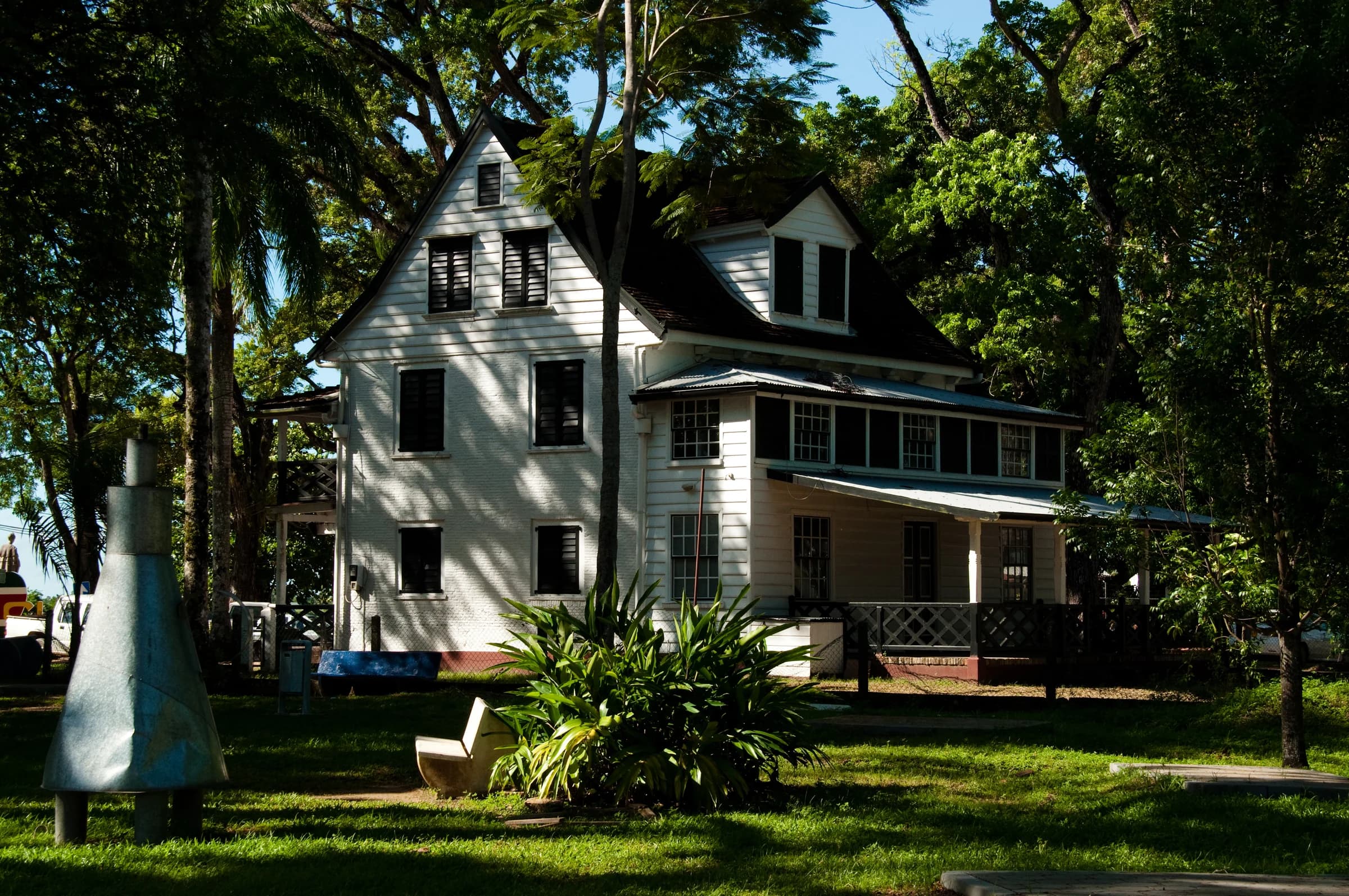
Suriname is the only Dutch-speaking country in South America, and its capital's historic center is such a distinctive mix of Dutch colonial layout and wooden Caribbean-style building that UNESCO listed the entire inner city as a World Heritage Site.
See full guide →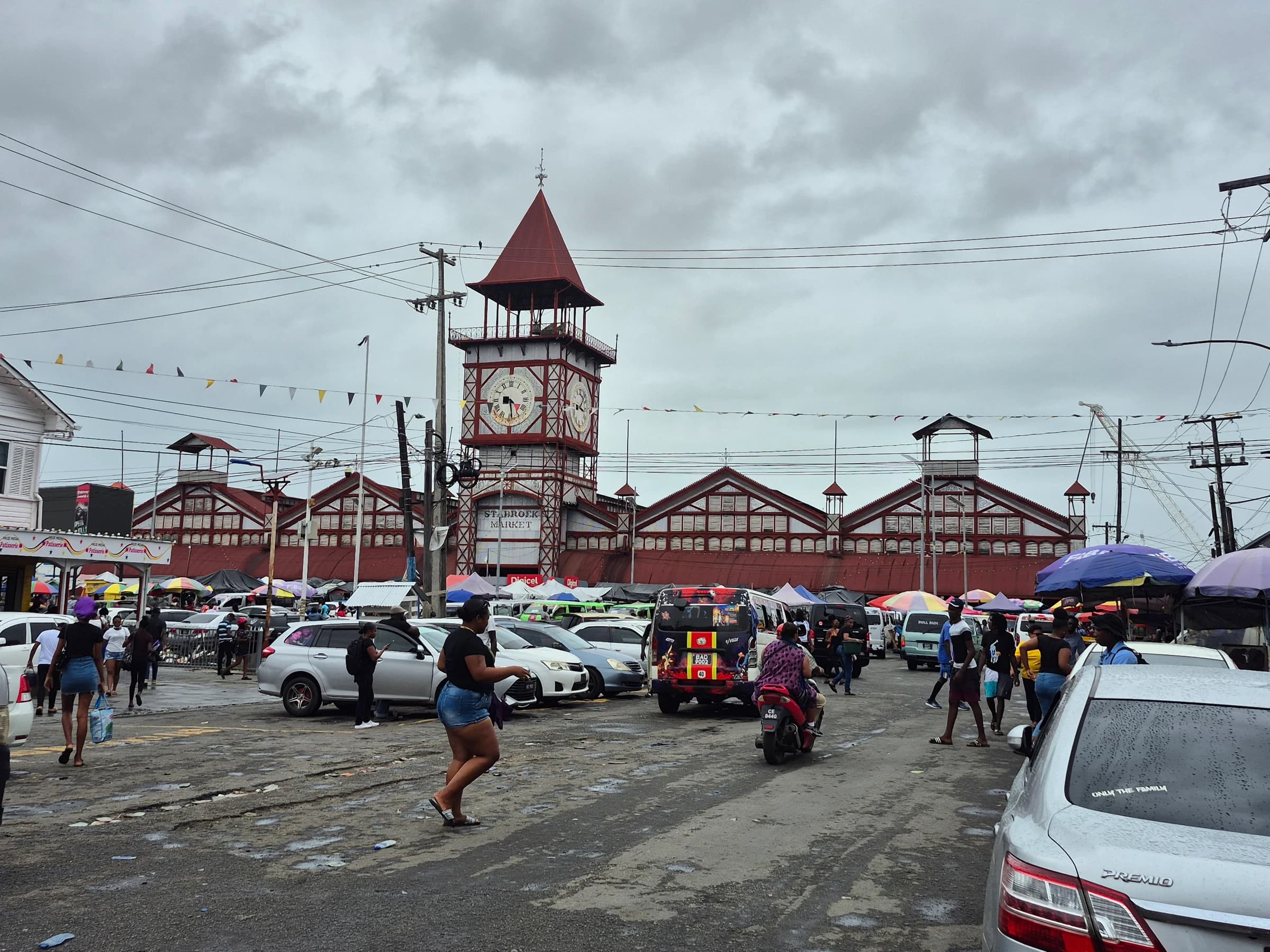 Georgetown
Georgetown
Guyana
Guyana is the only country in South America where English is the official language, a legacy of British rule that also left Georgetown with St. George's Cathedral, one of the tallest wooden buildings on Earth, built entirely without structural steel.
See full guide →Comparing more than one route? See the full transport comparison guide.