Suriname · South America
Paramaribo
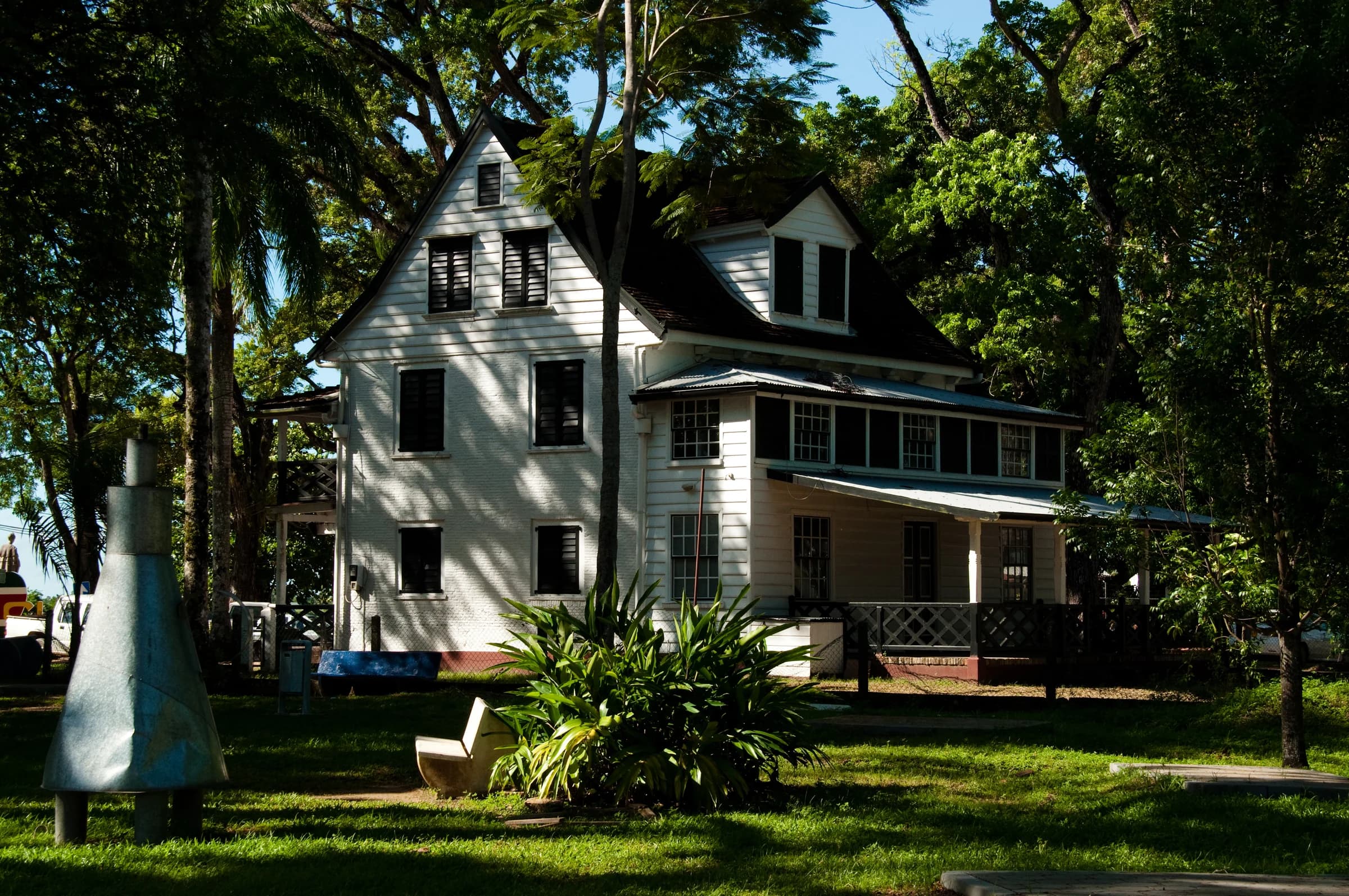
Suriname is the only Dutch-speaking country in South America, and its capital's historic center is such a distinctive mix of Dutch colonial layout and wooden Caribbean-style building that UNESCO listed the entire inner city as a World Heritage Site.
Paramaribo is the only capital city in South America built around Dutch colonial rule rather than Spanish or Portuguese, and that history is still visible in the layout and architecture of its historic center. UNESCO added the Historic Inner City of Paramaribo to its World Heritage list in 2002, citing the way Dutch urban planning and wooden tropical construction combined into something distinct from any other former Dutch colony still standing today.
The wooden Presidential Palace facing Onafhankelijkheidsplein, or Independence Square, ranks among the largest wooden buildings in the Americas, and Fort Zeelandia, dating to the 17th century, anchors the riverside end of the historic district with a small museum covering Suriname's colonial and post-independence history, including its 1975 transition to full independence from the Netherlands.
Suriname's population is one of the most ethnically mixed anywhere in the world relative to its size. Dutch colonizers brought enslaved Africans, and after slavery's abolition in 1863, indentured laborers arrived from India, Java, and China to work the plantations. Those communities all remained, and Paramaribo today has active mosques, Hindu temples, synagogues, and churches often standing within a few blocks of each other, a religious and ethnic density unusual for a city this size.
Sranan Tongo, a Creole language that developed among enslaved and indentured populations, functions as a genuine lingua franca alongside official Dutch, and food in Paramaribo reflects the same mix, with Javanese, Indian, Chinese, and Afro-Surinamese dishes all counting as everyday local food rather than novelty imports.
More than 90 percent of Suriname's land is covered in rainforest, most of it barely touched by development, and Paramaribo functions as the practical gateway to it. River trips upstream toward the interior, often arranged as multi-day lodge stays, give visitors access to a stretch of Amazon-adjacent forest that sees a fraction of the tourism found in Brazil or Peru's more established rainforest circuits.
What a trip here actually costs
$28 / day avg.
- Guesthouse near the historic center
- Local bus fares
- Casual Surinamese meals reflecting the country's mixed cuisine
- Historic center wander, free
What to do at this tier
- • Historic Inner City wander past Dutch colonial wooden buildings, UNESCO-listed, free
- • Waterkant riverside promenade along the Suriname River, free
- • Palmentuin, a palm-lined public park near the Presidential Palace, free
$65 / day avg.
- 3-star hotel in central Paramaribo
- Fort Zeelandia and museum entry
- Sit-down Javanese-Surinamese dinners
- Half-day river tour
What to do at this tier
- • Fort Zeelandia, a 17th-century fort now housing a small history museum
- • Wooden Presidential Palace exterior on Onafhankelijkheidsplein, one of the largest wooden structures in the Americas
- • Half-day boat tour on the Suriname River toward the edge of the rainforest interior
These are average estimates for planning purposes, not real-time prices — actual costs vary by season, availability, and how far ahead you book.
How to get there
Click anywhere on the world map — any airport works, not just our main hubs.
Click anywhere on the map above — any airport in the world works — to see estimated travel time and cost from there.
Times and prices are planning estimates, not live fares — always check a booking site before you commit. See the full Transport Comparison guide for the general tradeoffs of each mode.
Best time to visit
August-November is one of Suriname's drier stretches; the country sees two rainy seasons, roughly December-January and April-July.
Safety notes
Generally safe in central Paramaribo with standard urban caution; the city is calmer and less crime-affected than several other South American capitals.
Visa & currency
Surinamese dollar (SRD). Visa requirements vary by nationality, and some travelers need a visa or e-visa arranged before arrival, worth confirming well ahead of booking.
Questions people ask before visiting
Is Suriname worth visiting?
Yes, especially for travelers interested in a South American country that doesn't fit the usual pattern — Suriname is the smallest country on the continent, the only one where Dutch is the official language, and one of the most ethnically diverse places in the world per capita, with Javanese, South Asian, Afro-Surinamese, Indigenous, Chinese, and Dutch communities all visibly present in Paramaribo's daily life.
Why is Paramaribo's historic center a UNESCO site?
UNESCO listed the Historic Inner City of Paramaribo in 2002 for its distinctive fusion of Dutch colonial city planning with wooden architecture adapted to the tropics, a combination that doesn't survive in comparable form anywhere else in the former Dutch colonial world.
What language is spoken in Suriname?
Dutch is the official language, making Suriname the only Dutch-speaking country in South America. Sranan Tongo, a Creole language, is widely spoken alongside it, and Javanese, Hindi-derived Sarnami, and several other languages reflect the country's diverse immigrant and indentured-labor history.
How many days do you need in Paramaribo?
One to two days covers the UNESCO-listed historic center, including Fort Zeelandia and the wooden Presidential Palace. Many visitors combine it with a trip into Suriname's interior, which is over 90 percent rainforest, for a lodge stay along the Suriname River.
Nearby destinations
 Cayenne
Cayenne
French Guiana
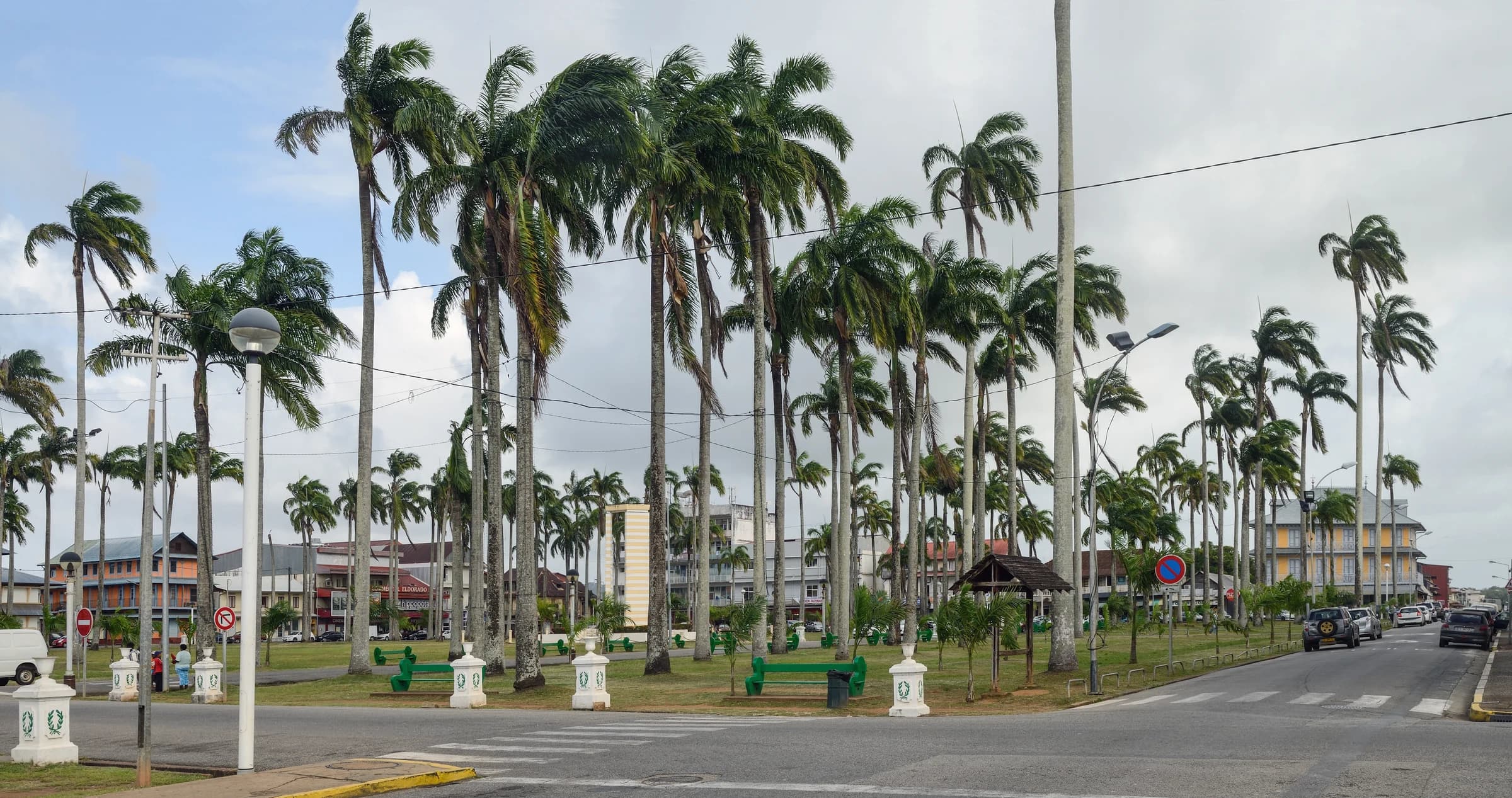
French Guiana isn't a country at all — it's a full region of France, using the euro and sending representatives to the French parliament, which makes Cayenne the only South American capital where you can pay in euros and never need a visa if you're an EU citizen.
See full guide →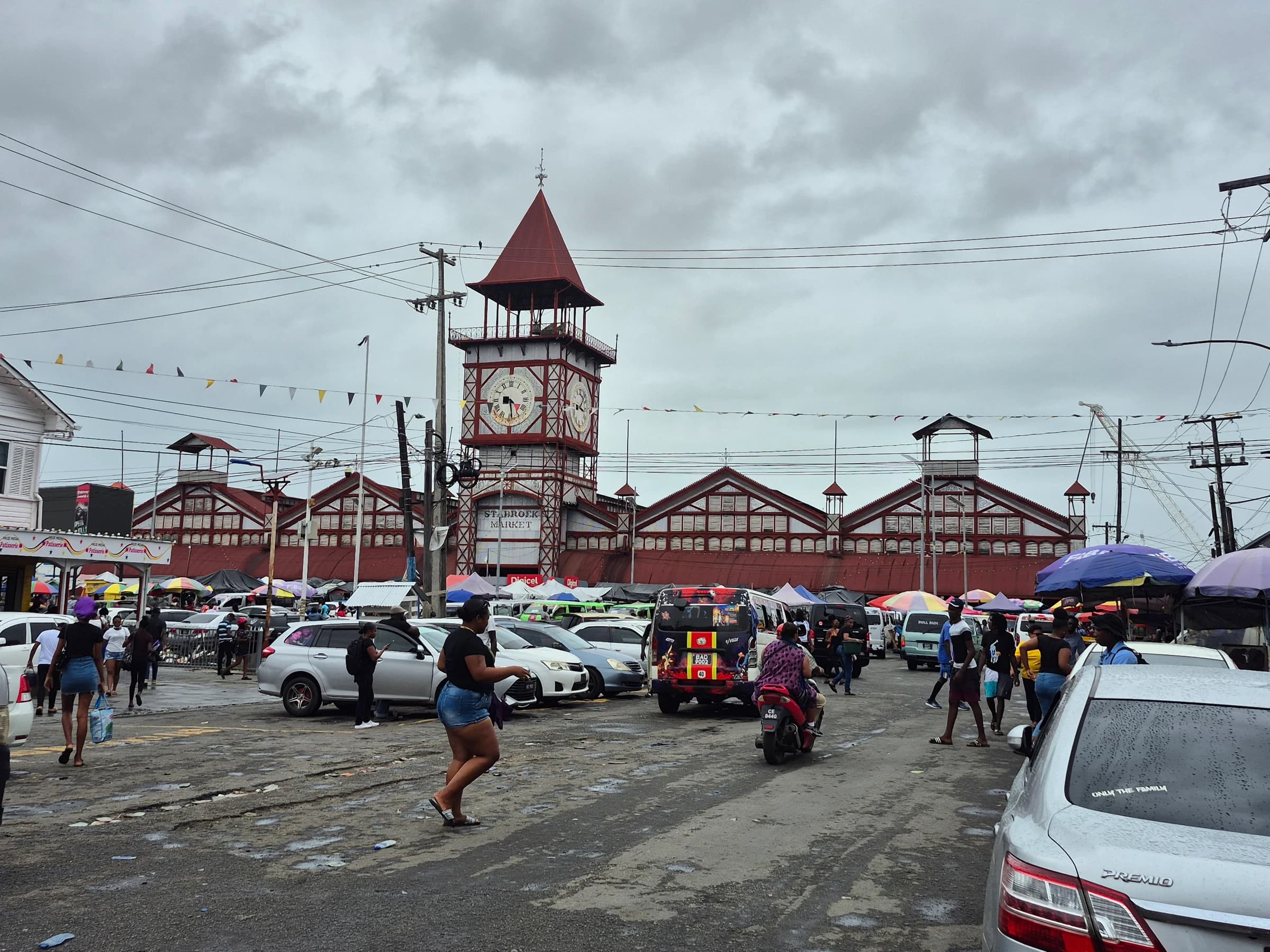 Georgetown
Georgetown
Guyana
Guyana is the only country in South America where English is the official language, a legacy of British rule that also left Georgetown with St. George's Cathedral, one of the tallest wooden buildings on Earth, built entirely without structural steel.
See full guide →Comparing more than one route? See the full transport comparison guide.