Brazil · South America
Ouro Preto
Ouro Preto's finest Baroque churches were carved largely by a sculptor whose hands were so deformed by illness that he worked with tools strapped directly to his forearms, and the gold rush wealth that funded his masterpieces once made this hillside town so important it served as the capital of Brazil's richest state for over a century.
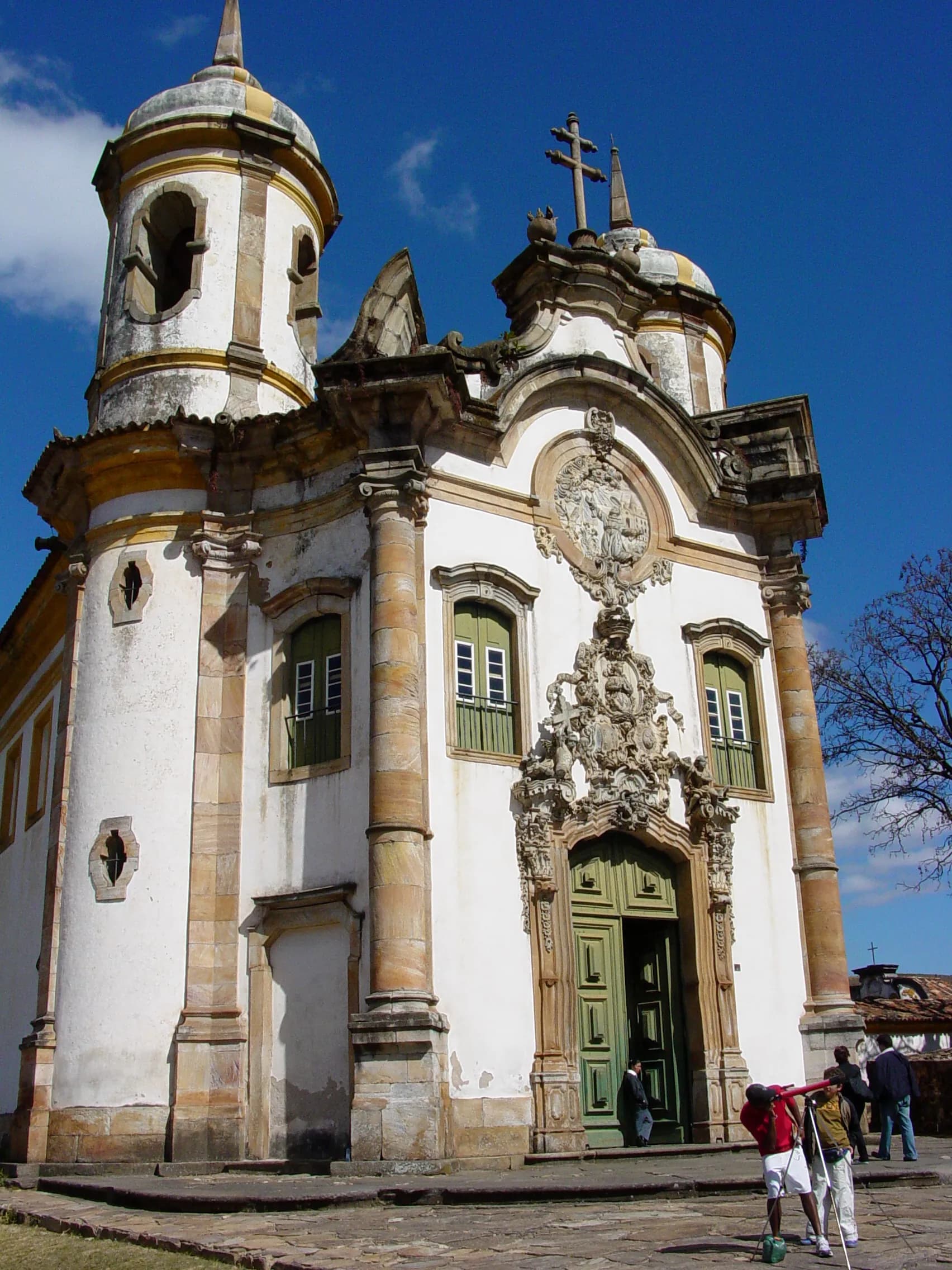
Ouro Preto's finest colonial churches carry the unmistakable touch of Antonio Francisco Lisboa, known as Aleijadinho, an 18th-century sculptor and architect whose hands became severely deformed by illness later in life, reportedly requiring him to work with chisels strapped directly to his forearms. Despite that disability, he produced some of the most celebrated works of Brazilian Baroque art, and Ouro Preto holds the largest concentration of his surviving churches and sculptures anywhere.
The town's name, meaning "black gold," refers to the gold ore discovered here in the late 17th century, triggering a rush that made it one of the wealthiest settlements in colonial Brazil and, for over a century, the capital of Minas Gerais, the country's richest state during the gold-mining era. That wealth funded the elaborate churches and civic buildings that still define the town's steep, cobblestone core today, a concentration of colonial architecture UNESCO recognized as a World Heritage Site in 1980.
Ouro Preto also holds a significant place in Brazilian political history as the site of the Inconfidência Mineira, a failed 1789 independence movement against Portuguese colonial rule inspired partly by the American Revolution. Its leaders, including a figure known as Tiradentes, were captured and executed, and the town's central square and a dedicated museum still commemorate the movement, an early, unsuccessful chapter in Brazil's eventual path to independence decades later.
Igreja de São Francisco de Assis, widely considered Aleijadinho's masterpiece, combines his sculptural work with paintings by Manuel da Costa Ataíde, another significant figure of the period, resulting in a church interior regarded as one of the finest examples of Brazilian Baroque art anywhere in the country.
Ouro Preto's steep, hilly streets and well-preserved 18th-century townscape give it a genuinely different character from Brazil's more commonly visited beach cities and metropolitan centers, a former center of colonial wealth and political ambition that's remained remarkably intact since its gold rush peak faded.
What a trip here actually costs
$30 / day avg.
- Guesthouse in the historic center
- Walking, since the town center is compact
- Local Minas Gerais restaurant meals
- Church entry fees, low cost
What to do at this tier
- • Igreja de São Francisco de Assis, an Aleijadinho masterpiece, low entry fee
- • Historic center walking tour, free
- • Praça Tiradentes and the Museu da Inconfidência, low entry fee
$75 / day avg.
- 3-star boutique colonial-era hotel
- Guided historic center and church tour
- Mina do Chico Rei mine tour
- Sit-down restaurant dinners
What to do at this tier
- • Guided tour covering Aleijadinho's major churches
- • Mina do Chico Rei, a former gold mine open for tours
- • Minas Gerais regional cooking class or tasting menu
These are average estimates for planning purposes, not real-time prices — actual costs vary by season, availability, and how far ahead you book.
How to get there
Click anywhere on the world map — any airport works, not just our main hubs.
Click anywhere on the map above — any airport in the world works — to see estimated travel time and cost from there.
Times and prices are planning estimates, not live fares — always check a booking site before you commit. See the full Transport Comparison guide for the general tradeoffs of each mode.
Best time to visit
May-September, the dry season, brings mild, comfortable temperatures well suited to walking the town's steep streets.
Safety notes
Generally safe with standard precautions; the town's steep cobblestone streets can be genuinely demanding, so sturdy footwear helps.
Visa & currency
Brazilian real (BRL). Many nationalities can enter visa-free for tourism, worth confirming based on passport before booking.
Questions people ask before visiting
Is Ouro Preto worth visiting?
Yes — Ouro Preto, a UNESCO World Heritage Site, holds the best-preserved collection of colonial Baroque architecture in Brazil, much of it shaped by sculptor Aleijadinho, and its steep cobblestone streets and gold-rush history give it a genuinely different character from Brazil's beach and city destinations.
Who was Aleijadinho?
Antonio Francisco Lisboa, known as Aleijadinho ("little cripple"), was an 18th-century sculptor and architect who, despite a debilitating illness that deformed his hands, produced some of the finest works of Brazilian Baroque art, working with chisels and tools reportedly strapped to his forearms in his later years.
What was the Inconfidência Mineira?
A failed 1789 independence movement against Portuguese colonial rule that originated in Ouro Preto, inspired partly by the American Revolution. Its leaders were captured and executed, but the movement remains a significant reference point in Brazilian national history.
How many days do you need in Ouro Preto?
Two to three days covers the main churches, museums, and the town's steep historic streets at a comfortable pace, since much of the appeal is simply walking through the well-preserved colonial core.
Nearby destinations
 Rio de Janeiro
Rio de Janeiro
Brazil
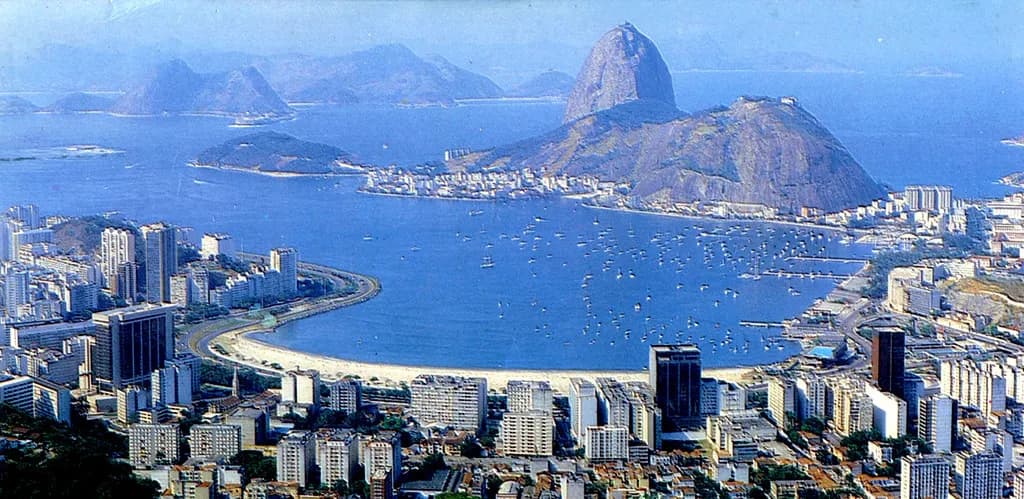
Christ the Redeemer took nine years to build and stands on a mountain that's part of a national park inside city limits — Rio has more urban rainforest within its borders than almost any other major city on Earth.
See full guide →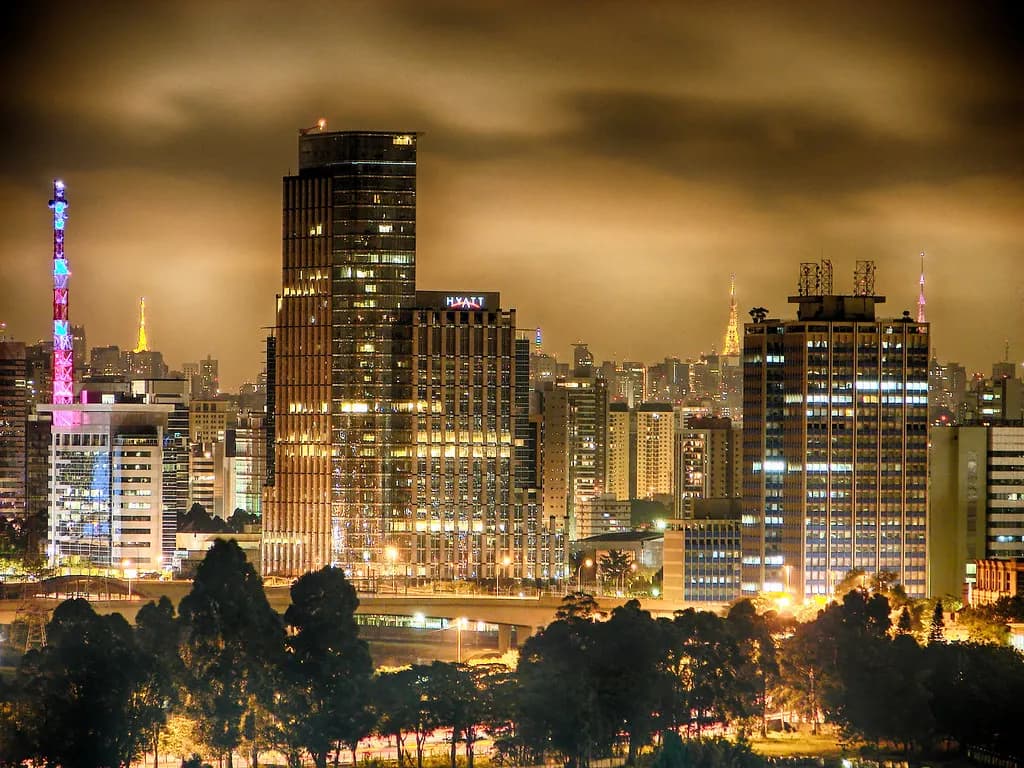 São Paulo
São Paulo
Brazil
São Paulo has more Michelin-starred restaurants and a bigger Japanese population than any city outside Japan itself — a metropolis of over 12 million people that barely registers on most first-time South America itineraries.
See full guide →Comparing more than one route? See the full transport comparison guide.