Brazil · South America
Rio de Janeiro
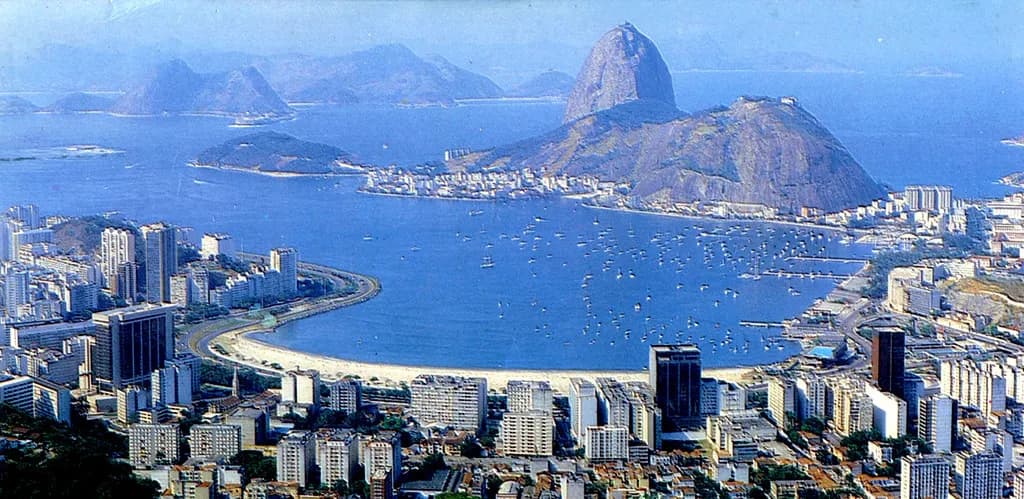
Christ the Redeemer took nine years to build and stands on a mountain that's part of a national park inside city limits — Rio has more urban rainforest within its borders than almost any other major city on Earth.
Christ the Redeemer, the Art Deco statue crowning Corcovado mountain, took nine years to build and was completed in 1931 — a scale of ambition matched by its setting, since the mountain sits inside Tijuca National Park, the largest urban rainforest anywhere in the world, giving Rio a genuine wilderness core that few major cities can claim within their own limits.
Copacabana and Ipanema, Rio's two most famous beaches, sit side by side along the city's southern coastline, each with a distinct character: Ipanema, framed by the distinctive twin-peaked Two Brothers mountains, draws a slightly more local, upscale crowd, while the longer Copacabana stays busier and more tourist-oriented, lined with beachside kiosks selling coconut water and grilled cheese on skewers.
Sugarloaf Mountain, reached by a cable car running since 1912, gives a second major panoramic viewpoint distinct from Corcovado's — closer to the bay, taking in the harbor, the beaches, and the surrounding granite peaks that give Rio its dramatic, mountain-meets-ocean geography.
Santa Teresa, a hillside neighborhood connected to the rest of the city by a historic tram, has developed into Rio's bohemian, artsy district — cobblestone streets, colonial-era mansions, and galleries, a genuinely different pace from the beach neighborhoods below. Nearby, the Selarón Steps, over 200 steps covered in more than 2,000 tiles gathered from over 60 countries by Chilean artist Jorge Selarón over two decades, have become one of Rio's most photographed spots.
Rio's reputation for danger runs somewhat ahead of the reality most tourists actually experience — the main visitor areas are heavily policed and generally safe with ordinary urban caution, and the favelas, while genuinely complex and often stigmatized, are increasingly visited respectfully through community-led tours that give visitors a more accurate picture than headlines alone provide.
What a trip here actually costs
$40 / day avg.
- Hostel near Copacabana or Santa Teresa
- Metro and bus fares
- Beachside kiosk lunches
- Free beach time and Selarón Steps
What to do at this tier
- • Copacabana and Ipanema beach time, free
- • Selarón Steps, a mosaic staircase covered in tiles from around the world, free
- • Santa Teresa neighborhood wander, bohemian streets and colonial architecture, free
$90 / day avg.
- 3-star hotel near Ipanema or Copacabana
- Christ the Redeemer and Sugarloaf Mountain tickets
- Sit-down Brazilian dinners
- Tijuca National Park hike
What to do at this tier
- • Christ the Redeemer via the official Corcovado train, one of the New Seven Wonders of the World
- • Sugarloaf Mountain cable car for a second, equally striking panoramic view
- • Tijuca National Park hike, the largest urban rainforest in the world
$220 / day avg.
- 4-5 star hotel with beach or bay views
- Private guided Corcovado and Sugarloaf tour
- Multi-course Brazilian tasting menu
- Private favela cultural tour with a local guide
What to do at this tier
- • Private guided tour combining Corcovado, Sugarloaf, and Santa Teresa in one day
- • Multi-course Brazilian tasting menu at a well-regarded Rio restaurant
- • Private, guide-led favela tour focused on community and culture rather than spectacle
These are average estimates for planning purposes, not real-time prices — actual costs vary by season, availability, and how far ahead you book.
How to get there
Click anywhere on the world map — any airport works, not just our main hubs.
Click anywhere on the map above — any airport in the world works — to see estimated travel time and cost from there.
Times and prices are planning estimates, not live fares — always check a booking site before you commit. See the full Transport Comparison guide for the general tradeoffs of each mode.
Best time to visit
May-September brings the driest, most comfortable weather; Carnival (usually February or March) draws major crowds and significantly higher prices.
Safety notes
Generally safe in the main tourist areas with normal precautions. Keep valuables minimal on the beach, and visit favelas only with a reputable local guide rather than independently.
Visa & currency
Brazilian real (BRL). Visa requirements vary significantly by nationality — many Western passport holders can enter visa-free for short stays, but it's worth confirming current requirements well before booking.
Questions people ask before visiting
Is Rio de Janeiro safe to visit?
Yes for the overwhelming majority of visitors who stick to the main tourist zones (Copacabana, Ipanema, Santa Teresa) and use normal city precautions — Rio's reputation runs somewhat ahead of the actual day-to-day risk for tourists, though petty theft on beaches and avoiding certain favelas without a guide are genuine, sensible precautions.
Is Christ the Redeemer worth visiting?
Yes — beyond the statue itself, the Corcovado mountain it stands on gives one of the most complete panoramic views of Rio available anywhere, taking in the city, the bay, and the beaches in a single sweep. Booking the official train or van tickets ahead avoids long waits.
Copacabana or Ipanema — which beach should I choose?
Ipanema is generally considered the more upscale, scenic option, backed by the Two Brothers mountains and popular with a slightly older, more local crowd. Copacabana is longer, busier, and more tourist-oriented with a wider range of beachside kiosks. Many visitors walk between both since they're adjacent.
When is the best time to visit Rio?
May-September, Rio's dry season, brings comfortable temperatures and less rain, though the city stays warm year-round. Carnival, usually in February or March, is a major draw in its own right but comes with peak crowds and prices.
How many days do you need in Rio de Janeiro?
Three days covers Christ the Redeemer, Sugarloaf Mountain, and beach time at Copacabana or Ipanema. A fourth or fifth day allows Santa Teresa's bohemian streets, the Selarón Steps, or a day trip into Tijuca National Park's rainforest trails.
Nearby destinations
 São Paulo
São Paulo
Brazil
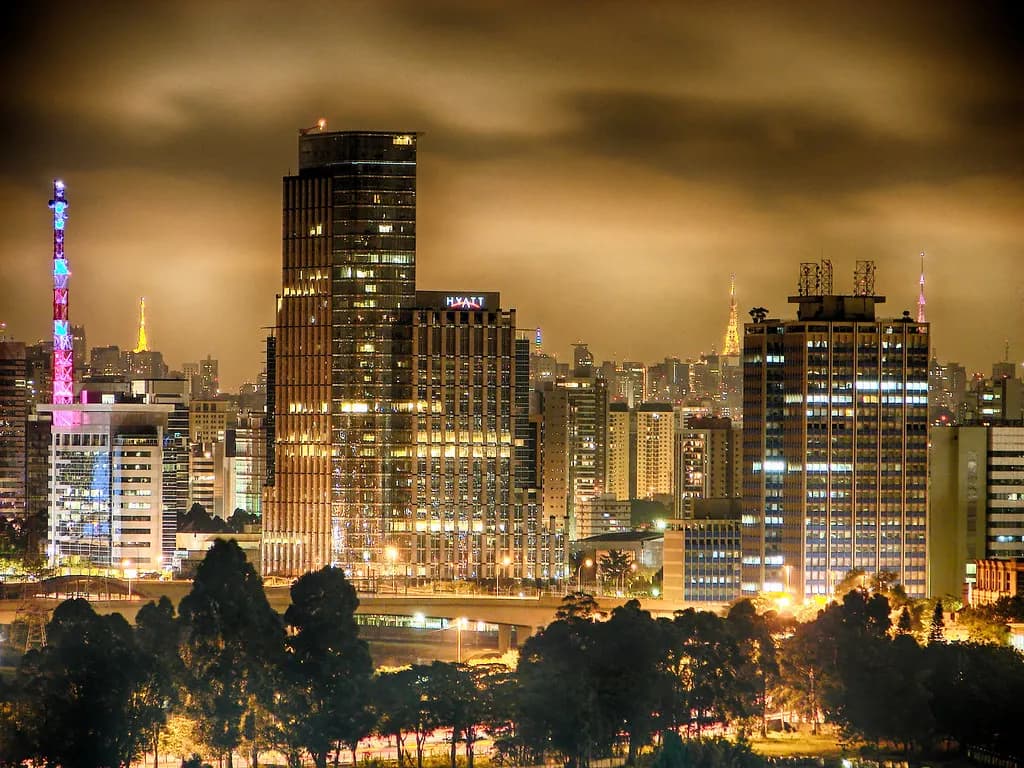
São Paulo has more Michelin-starred restaurants and a bigger Japanese population than any city outside Japan itself — a metropolis of over 12 million people that barely registers on most first-time South America itineraries.
See full guide →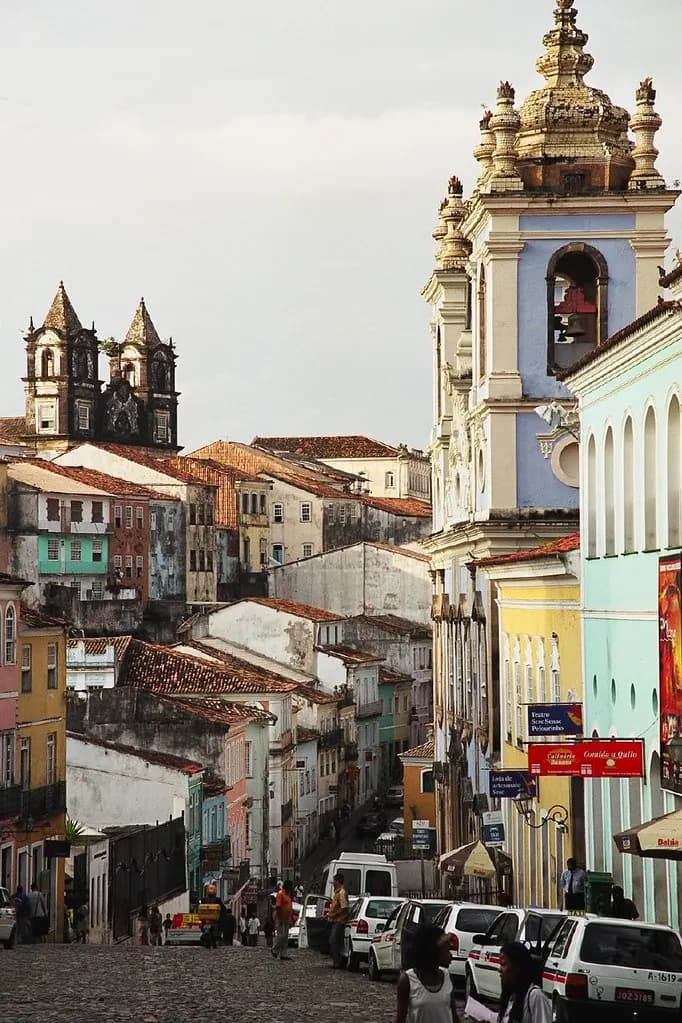 Salvador
Salvador
Brazil
Salvador was Brazil's first capital for over two centuries and the main port of the entire Atlantic slave trade into the Americas — today it has the largest Afro-Brazilian population and culture of any city in the country, most visible in the historic Pelourinho square where that painful history and its resulting culture collide most directly.
See full guide →Comparing more than one route? See the full transport comparison guide.