Brazil · South America
Salvador
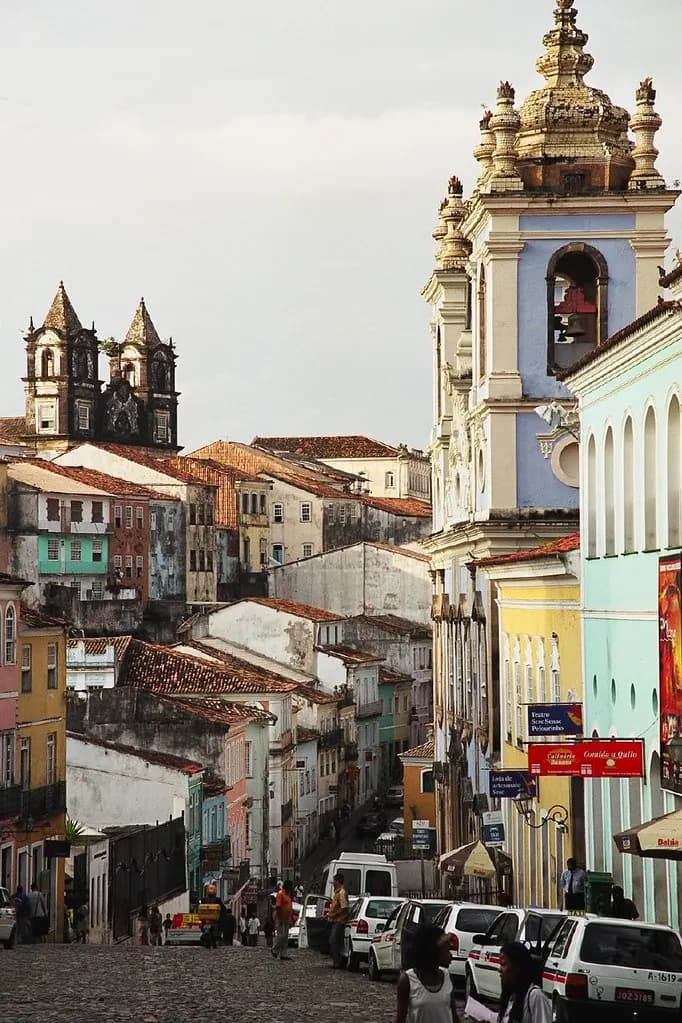
Salvador was Brazil's first capital for over two centuries and the main port of the entire Atlantic slave trade into the Americas — today it has the largest Afro-Brazilian population and culture of any city in the country, most visible in the historic Pelourinho square where that painful history and its resulting culture collide most directly.
Salvador served as Brazil's capital for over two centuries, from 1549 to 1763, and functioned as the main port through which the Atlantic slave trade brought enslaved Africans into the Americas — a brutal history that, combined with the sheer scale of forced migration through the city, left Salvador with the largest Afro-Brazilian population and cultural legacy of any city in the country today.
Pelourinho, the historic center, carries that history in its very name — a pelourinho was a pillory, a public post where punishment was once carried out, including against enslaved people. Today the same colorful colonial squares host live capoeira demonstrations (a martial art developed by enslaved Africans and disguised as dance to evade suppression) and percussion groups whose rhythms trace directly back to West African musical traditions, making Pelourinho as much a living cultural center as a historic site.
The Afro-Brazilian Museum, housed in a former medical school building, documents that heritage in depth — religious syncretism between Catholicism and West African Yoruba traditions, the musical and culinary legacies that shaped not just Salvador but Brazilian culture broadly, and the specific historical weight the city carries as the entry point for so much of that forced migration.
The Elevador Lacerda, a public elevator connecting Salvador's upper historic city to the lower commercial district and harbor below, has operated in some form since 1873 and remains a functioning piece of daily infrastructure as much as a tourist viewpoint, giving a genuine sense of the city's dramatic two-tiered geography.
Salvador's Carnival, centered on trio elétrico sound trucks moving through the streets with crowds following on foot rather than Rio's more formal, seated parade format, is considered by many Brazilians to be the country's most musically authentic and participatory version of the celebration — a genuine point of local pride that draws increasing international attention each year.
What a trip here actually costs
$35 / day avg.
- Hostel near Pelourinho
- Bus fares
- Acarajé and street food lunches
- Free wander through the historic center
What to do at this tier
- • Pelourinho historic center wander, colorful colonial architecture, free
- • Acarajé (black-eyed pea fritters) from a street vendor, a genuine Bahian specialty, cheap
- • Live capoeira and percussion performances in Pelourinho's squares, often free to watch
$80 / day avg.
- 3-star hotel near Pelourinho or the beach
- Afro-Brazilian museum entry
- Sit-down Bahian dinners
- Boat trip in the Bay of All Saints
What to do at this tier
- • Afro-Brazilian Museum, covering the deep cultural legacy of Salvador's African heritage
- • Elevador Lacerda, a historic public elevator connecting the upper and lower city, for a harbor view
- • Sit-down dinner featuring moqueca, a Bahian seafood stew with African-influenced spices
$180 / day avg.
- 4-5 star hotel with bay or ocean views
- Private guided history and culture tour
- Multi-course Bahian tasting menu
- Private island-hopping boat charter
What to do at this tier
- • Private guided tour connecting Salvador's colonial, religious, and Afro-Brazilian history
- • Private boat charter through the Bay of All Saints, including nearby islands
- • Multi-course Bahian tasting menu at a well-regarded Salvador restaurant
These are average estimates for planning purposes, not real-time prices — actual costs vary by season, availability, and how far ahead you book.
How to get there
Click anywhere on the world map — any airport works, not just our main hubs.
Click anywhere on the map above — any airport in the world works — to see estimated travel time and cost from there.
Times and prices are planning estimates, not live fares — always check a booking site before you commit. See the full Transport Comparison guide for the general tradeoffs of each mode.
Best time to visit
September-March brings warm, mostly dry weather, though Salvador stays warm and tropical year-round; Carnival, usually February or March, draws major crowds.
Safety notes
Generally safe in the main tourist areas with standard urban caution; extra vigilance around bags and valuables is sensible, particularly during Carnival.
Visa & currency
Brazilian real (BRL). Visa requirements vary significantly by nationality — many Western passport holders can enter visa-free for short stays, but it's worth confirming current requirements well before booking.
Questions people ask before visiting
Is Salvador worth visiting?
Yes — it's Brazil's most culturally distinct major city, with the country's strongest Afro-Brazilian heritage visible in its music, food, religion, and architecture, alongside colorful colonial buildings and genuine beach access, all at prices well below Rio.
What is Pelourinho, and why is it significant?
Pelourinho is Salvador's historic center, a UNESCO World Heritage Site of colorful colonial buildings — and its name, meaning 'pillory,' references its darker history as a public square where enslaved people were once punished. Today it's the heart of Salvador's Afro-Brazilian cultural life, including capoeira demonstrations and live percussion groups performing in the streets.
Is Salvador safe?
Generally safe in Pelourinho and the main tourist areas with standard urban caution, though, like other major Brazilian cities, petty theft is a realistic concern worth normal vigilance about, particularly around Carnival when crowds swell significantly.
Is Salvador's Carnival worth experiencing?
Yes, if the timing works — Salvador's Carnival is considered by many to be Brazil's most authentic and musically significant, built around trio elétrico sound trucks and genuine street-level participation rather than Rio's more spectator-oriented parade format. It draws large crowds and higher prices, so booking well ahead is essential.
How many days do you need in Salvador?
Two days covers Pelourinho and the historic center. A third day allows beach time at one of Salvador's city beaches or a boat trip to nearby Ilha dos Frades or Itaparica Island in the Bay of All Saints.
Nearby destinations
 Rio de Janeiro
Rio de Janeiro
Brazil
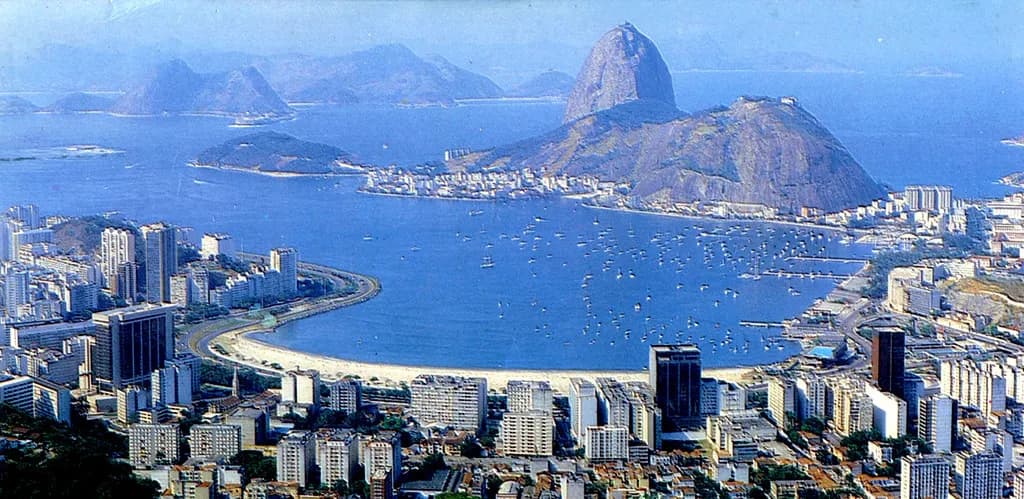
Christ the Redeemer took nine years to build and stands on a mountain that's part of a national park inside city limits — Rio has more urban rainforest within its borders than almost any other major city on Earth.
See full guide →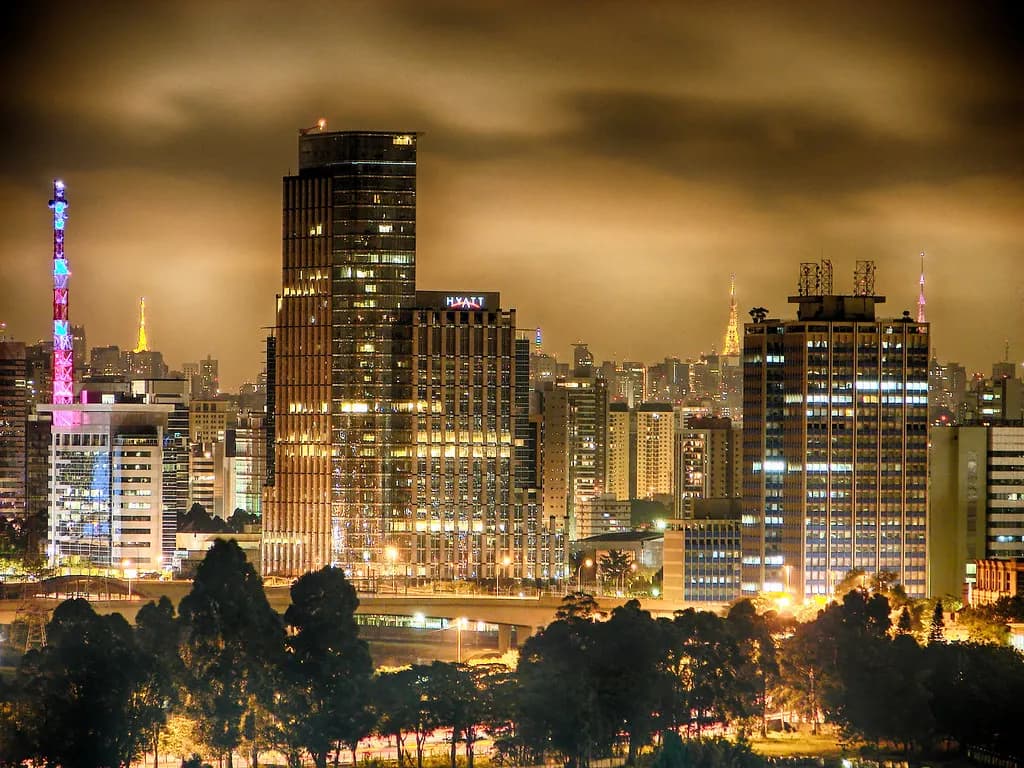 São Paulo
São Paulo
Brazil
São Paulo has more Michelin-starred restaurants and a bigger Japanese population than any city outside Japan itself — a metropolis of over 12 million people that barely registers on most first-time South America itineraries.
See full guide →Comparing more than one route? See the full transport comparison guide.