Brazil · South America
São Paulo
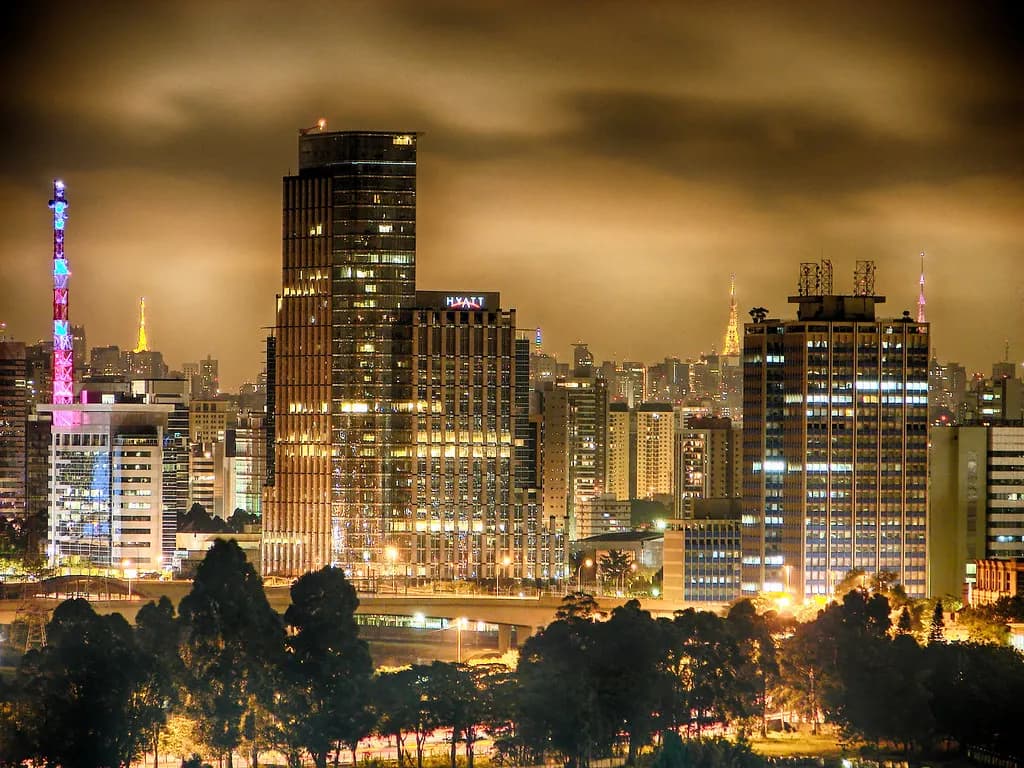
São Paulo has more Michelin-starred restaurants and a bigger Japanese population than any city outside Japan itself — a metropolis of over 12 million people that barely registers on most first-time South America itineraries.
São Paulo is Brazil's largest city and South America's largest metropolitan area, home to over 12 million people within city limits and more than 20 million across the wider metro region — a scale that surprises most first-time visitors who arrive expecting Rio's postcard scenery and instead find a dense, sprawling, business-driven megacity with a genuinely different identity.
That identity runs through food more than anything else. São Paulo has more restaurants per capita than almost any other major city and holds the largest concentration of Michelin-starred and Michelin-recommended restaurants in Latin America, a reputation built on the city's extraordinary immigrant diversity — Italian, Japanese, Lebanese, and countless other culinary traditions have all shaped what's now considered distinctly São Paulo cuisine rather than simply transplanted foreign food.
Liberdade, the city's historic Japanese neighborhood, reflects one particularly significant immigration wave: São Paulo holds the largest population of Japanese descent outside Japan itself, a legacy of mass immigration starting in 1908. The neighborhood's lantern-strung main street and bustling weekend market give it a genuinely distinct visual and culinary identity within the wider city.
MASP, the São Paulo Museum of Art, is instantly recognizable for its architecture alone — a bold concrete-and-glass structure suspended above an open public plaza, itself a significant piece of Brazilian modernist design — and holds one of the most significant art collections in Latin America, spanning European masters to Brazilian modernists.
Vila Madalena, a hillside neighborhood known for dense street art and a concentrated bar and live music scene, gives São Paulo's nightlife its most visible face — genuinely comparable in energy to nightlife districts in much larger, more internationally famous cities, and a strong argument for why São Paulo deserves more attention than it typically gets on a first South America trip built around Rio alone.
What a trip here actually costs
$40 / day avg.
- Hostel near Vila Madalena or the center
- Metro day pass
- Street food and lanchonete lunches
- Free wander through Ibirapuera Park
What to do at this tier
- • Ibirapuera Park, São Paulo's largest urban park, free
- • Paulista Avenue wander, the city's main commercial artery, free
- • Liberdade's Japanese neighborhood, free to walk, weekend street market
$90 / day avg.
- 3-star hotel near Jardins or Paulista Avenue
- MASP and Pinacoteca museum entry
- Sit-down Brazilian dinners
- Liberdade weekend market visit
What to do at this tier
- • MASP (Museum of Art of São Paulo), one of Latin America's most significant art collections
- • Pinacoteca do Estado, housed in a striking converted historic building
- • Sit-down dinner at a well-regarded São Paulo restaurant, reflecting the city's culinary reputation
$200 / day avg.
- 4-5 star hotel near Jardins
- Tasting menu at a Michelin-starred restaurant
- Private guided art and architecture tour
- Private nightlife tour through Vila Madalena
What to do at this tier
- • Tasting menu at one of São Paulo's Michelin-starred restaurants, several rank among Latin America's best
- • Private guided architecture and art tour covering the city's modernist buildings
- • Private nightlife tour through Vila Madalena's bars and live music venues
These are average estimates for planning purposes, not real-time prices — actual costs vary by season, availability, and how far ahead you book.
How to get there
Click anywhere on the world map — any airport works, not just our main hubs.
Click anywhere on the map above — any airport in the world works — to see estimated travel time and cost from there.
Times and prices are planning estimates, not live fares — always check a booking site before you commit. See the full Transport Comparison guide for the general tradeoffs of each mode.
Best time to visit
May-September brings mild, comfortable temperatures without the heaviest rain, which peaks in the summer months.
Safety notes
Generally safe in the main visitor districts with standard big-city caution, particularly at night.
Visa & currency
Brazilian real (BRL). Visa requirements vary significantly by nationality — many Western passport holders can enter visa-free for short stays, but it's worth confirming current requirements well before booking.
Questions people ask before visiting
Is São Paulo worth visiting?
Yes, especially for food, art, and nightlife — it's Brazil's real economic and cultural engine, with more world-class restaurants, museums, and live music venues than anywhere else in the country, even though it lacks Rio's beaches and postcard scenery.
São Paulo or Rio de Janeiro — which should I visit?
Rio has the beaches, mountains, and iconic landmarks most first-time visitors picture. São Paulo is Brazil's genuine cultural and culinary capital — a massive, dense, business-driven metropolis with a food scene, art museums, and nightlife that rival any major global city. Many longer trips combine both.
What is Liberdade, and is it worth visiting?
Liberdade is São Paulo's historic Japanese neighborhood, home to the largest Japanese population outside Japan itself, a legacy of major immigration waves starting in the early 20th century. Its weekend street market, lantern-lined main street, and genuinely excellent Japanese-Brazilian food make it one of the city's most distinctive districts.
Is São Paulo safe?
Generally safe in the main visitor areas (Jardins, Vila Madalena, Liberdade, Paulista Avenue) with standard big-city caution. Like any megacity of this size, awareness of surroundings and avoiding poorly lit areas at night is sensible.
How many days do you need in São Paulo?
Two days covers Paulista Avenue, the Museum of Art (MASP), and Liberdade. A third day allows Vila Madalena's street art and bar scene, or a deeper dive into the city's restaurant reputation, widely considered the strongest in South America.
Nearby destinations
 Rio de Janeiro
Rio de Janeiro
Brazil
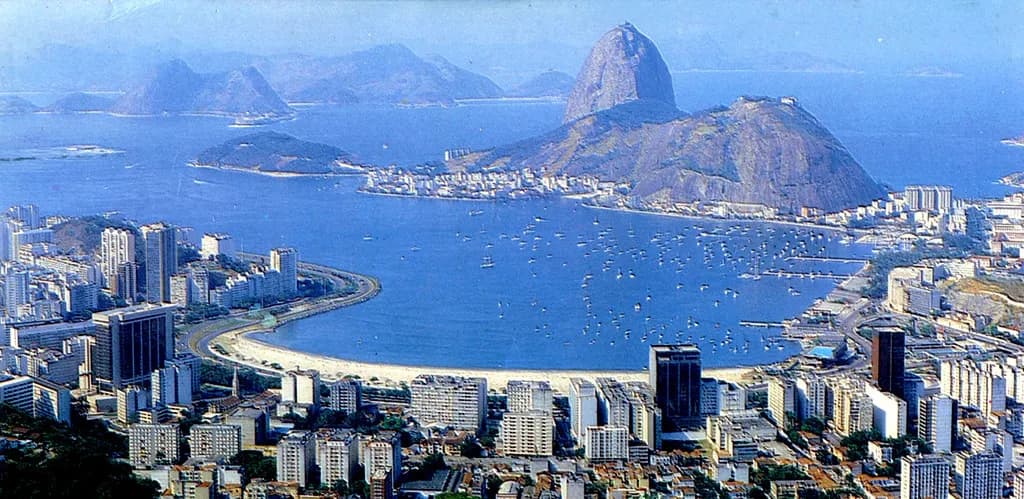
Christ the Redeemer took nine years to build and stands on a mountain that's part of a national park inside city limits — Rio has more urban rainforest within its borders than almost any other major city on Earth.
See full guide →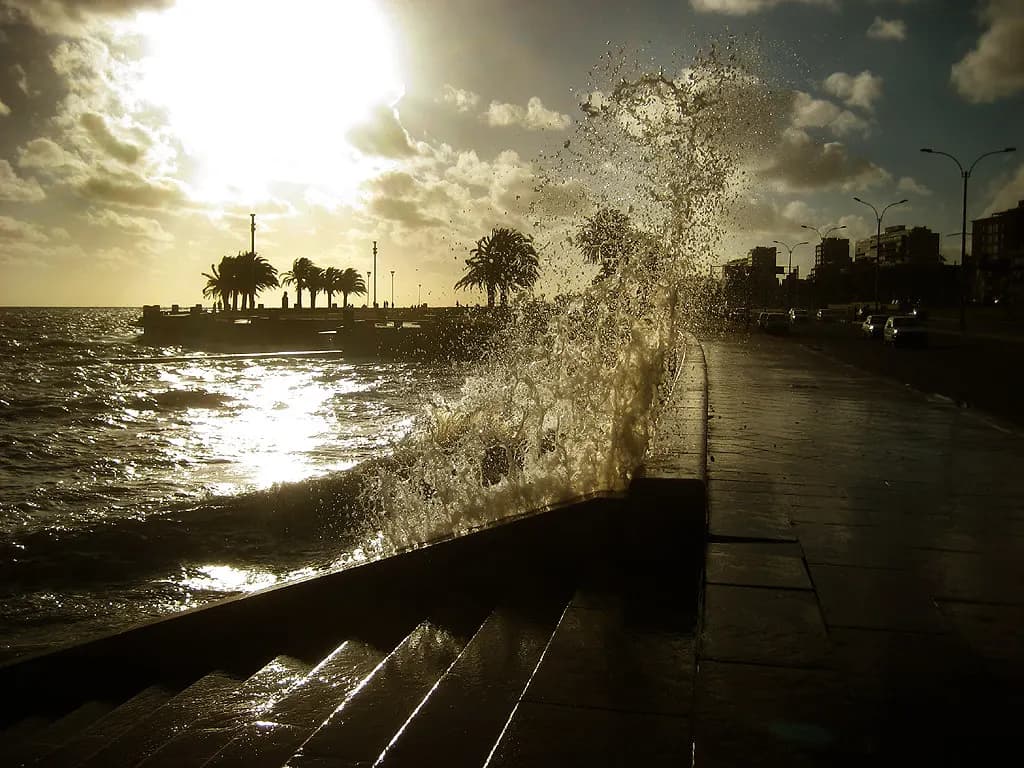 Montevideo
Montevideo
Uruguay
Uruguay legalized marijuana and same-sex marriage years before most of the world and has one of Latin America's highest standards of living — and its capital has a 22-kilometer waterfront promenade that's just... mostly empty, even in a city of 1.3 million people.
See full guide →Comparing more than one route? See the full transport comparison guide.