Uruguay · South America
Montevideo
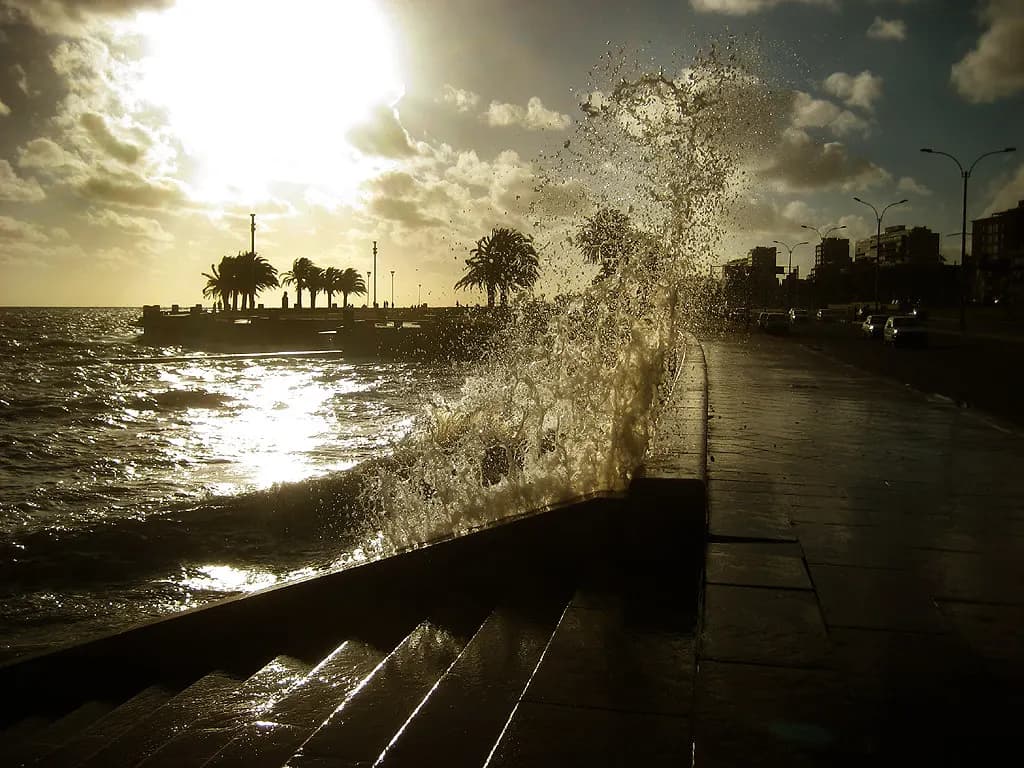
Uruguay legalized marijuana and same-sex marriage years before most of the world and has one of Latin America's highest standards of living — and its capital has a 22-kilometer waterfront promenade that's just... mostly empty, even in a city of 1.3 million people.
Uruguay has built a reputation as one of Latin America's most socially progressive and stable countries — same-sex marriage and marijuana were both legalized nationally years before most of the world seriously considered either, and the country consistently ranks among the region's highest for standard of living, press freedom, and safety. Montevideo, its capital and home to nearly half the national population, reflects that stability in its calm, unhurried pace.
The Rambla, a waterfront promenade running roughly 22 kilometers along the Río de la Plata, is one of the longest continuous sidewalks in the world and functions as genuine daily infrastructure for Montevideo residents — joggers, cyclists, and small groups drinking mate from shared thermoses populate it constantly, rather than it existing primarily as a scenic backdrop for visitors.
Ciudad Vieja, the old town, holds a dense mix of colonial-era and early 20th-century architecture, reflecting Montevideo's history as an important Atlantic port — a role that also shaped the Mercado del Puerto, a historic covered market now filled with parrilla grill stalls serving some of the city's best traditional Uruguayan barbecue in a genuinely local, unpretentious setting.
Uruguay's beef and wine culture rivals neighboring Argentina's in quality if not in international fame — Uruguayans eat comparably large quantities of beef per capita, and the country's Tannat grape, brought originally from southwestern France, has become Uruguay's signature wine varietal, distinct enough from Argentine Malbec to reward a dedicated tasting for wine-interested visitors.
Montevideo sits close enough to Buenos Aires — roughly an hour by high-speed ferry across the Río de la Plata — that the two cities are commonly combined on a single trip, giving travelers a genuine contrast between Argentina's larger, more architecturally grand capital and Uruguay's quieter, more understated one.
What a trip here actually costs
$40 / day avg.
- Hostel in Ciudad Vieja or Pocitos
- Local bus fares
- Mercado del Puerto grill lunches
- Free Rambla walk or bike ride
What to do at this tier
- • Rambla waterfront promenade, a walk or run along the Río de la Plata, free
- • Ciudad Vieja (old town) wander, colonial and early 20th-century architecture, free
- • Mercado del Puerto, a historic covered market with parrilla grill stalls, browsing is free
$95 / day avg.
- 3-star hotel near Ciudad Vieja or Pocitos
- Museum entries in Ciudad Vieja
- Sit-down parrilla dinners
- Bike rental for a full Rambla ride
What to do at this tier
- • Museo Torres García or another Ciudad Vieja museum, covering Uruguayan art and history
- • Bike rental for a longer stretch of the 22-kilometer Rambla
- • Sit-down dinner at a traditional parrilla, Uruguay's grilled-meat dining tradition
$220 / day avg.
- 4-5 star hotel with waterfront views
- Private guided history and food tour
- Multi-course tasting menu with Uruguayan Tannat wine pairing
- Private day trip to Punta del Este or a nearby winery
What to do at this tier
- • Private guided tour connecting Montevideo's colonial history with its modern social progressivism
- • Private day trip to Punta del Este, Uruguay's upscale beach resort town
- • Multi-course tasting menu paired with Tannat, Uruguay's signature red wine grape
These are average estimates for planning purposes, not real-time prices — actual costs vary by season, availability, and how far ahead you book.
How to get there
Click anywhere on the world map — any airport works, not just our main hubs.
Click anywhere on the map above — any airport in the world works — to see estimated travel time and cost from there.
Times and prices are planning estimates, not live fares — always check a booking site before you commit. See the full Transport Comparison guide for the general tradeoffs of each mode.
Best time to visit
November-March brings warm, comfortable weather best suited to the Rambla and any beach add-ons; the rest of the year stays mild but cooler.
Safety notes
Very safe overall, among the safest capitals in Latin America. Standard urban caution is enough almost everywhere.
Visa & currency
Uruguayan peso (UYU). Visa requirements vary by nationality; many Western passport holders can enter visa-free for short stays, worth confirming before booking.
Questions people ask before visiting
Is Montevideo worth visiting?
Yes, especially for travelers who want a calmer, less touristy alternative to Buenos Aires just across the river — Montevideo offers a genuinely relaxed pace, a striking waterfront promenade, strong beef and wine culture, and one of the highest standards of living and safety records in Latin America.
Montevideo or Buenos Aires — which should I visit?
Buenos Aires is larger, more architecturally grand, and has more famous individual sights. Montevideo is smaller, quieter, and rewards travelers who want a slower, more local pace without an itinerary of major landmarks — it's easily combined with Buenos Aires via a roughly one-hour high-speed ferry across the Río de la Plata.
What is the Rambla, and is it worth exploring?
The Rambla is Montevideo's waterfront promenade, running roughly 22 kilometers along the Río de la Plata — one of the longest continuous sidewalks in the world. It's genuinely used by locals for running, cycling, and drinking mate (Uruguay's traditional herbal tea) rather than existing purely for tourists, and walking or biking a stretch of it is one of the best low-key ways to experience the city.
Is Montevideo safe?
Yes, among the safest capitals in Latin America — Uruguay consistently ranks at or near the top of regional safety and stability indices, and standard urban caution is more than enough for most visitors.
How many days do you need in Montevideo?
Two days covers Ciudad Vieja (the old town), the Mercado del Puerto, and a Rambla walk or bike ride. A third day allows a beach day at nearby Punta del Este or a slower pace through the city's parrilla and wine scene.
Nearby destinations
 Buenos Aires
Buenos Aires
Argentina
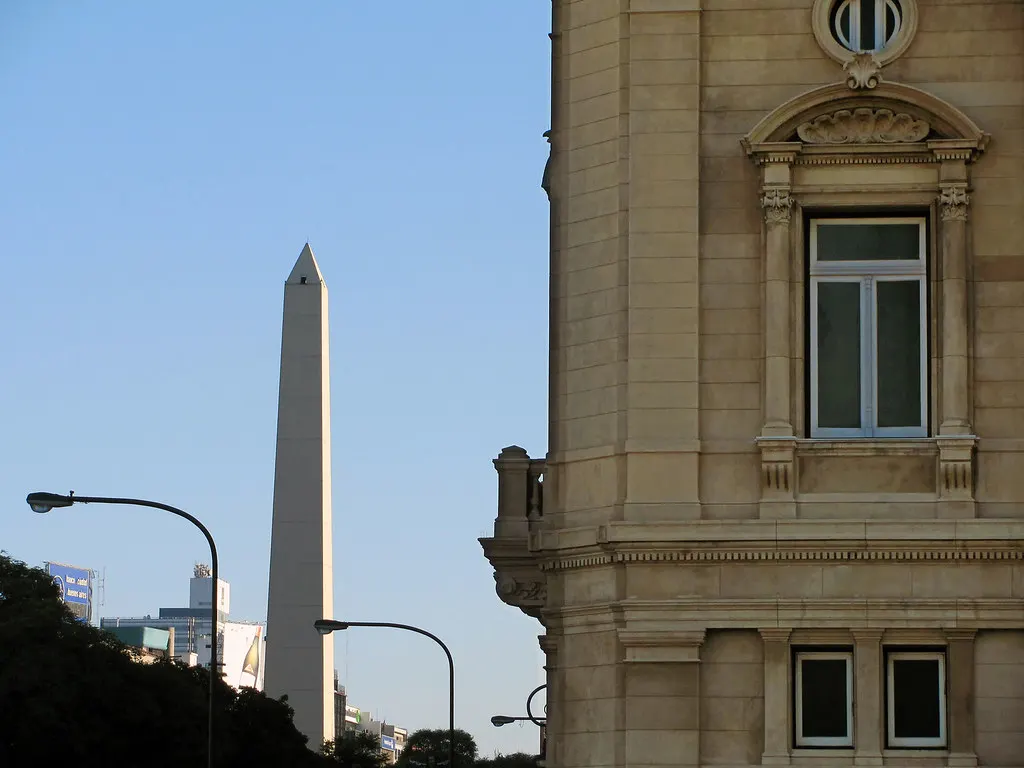
Argentines eat more beef per person than almost any nation on Earth, dance a tango that started in the city's brothels and dockside bars in the 1880s, and built a capital so deliberately modeled on Paris that locals still call it "the Paris of South America."
See full guide →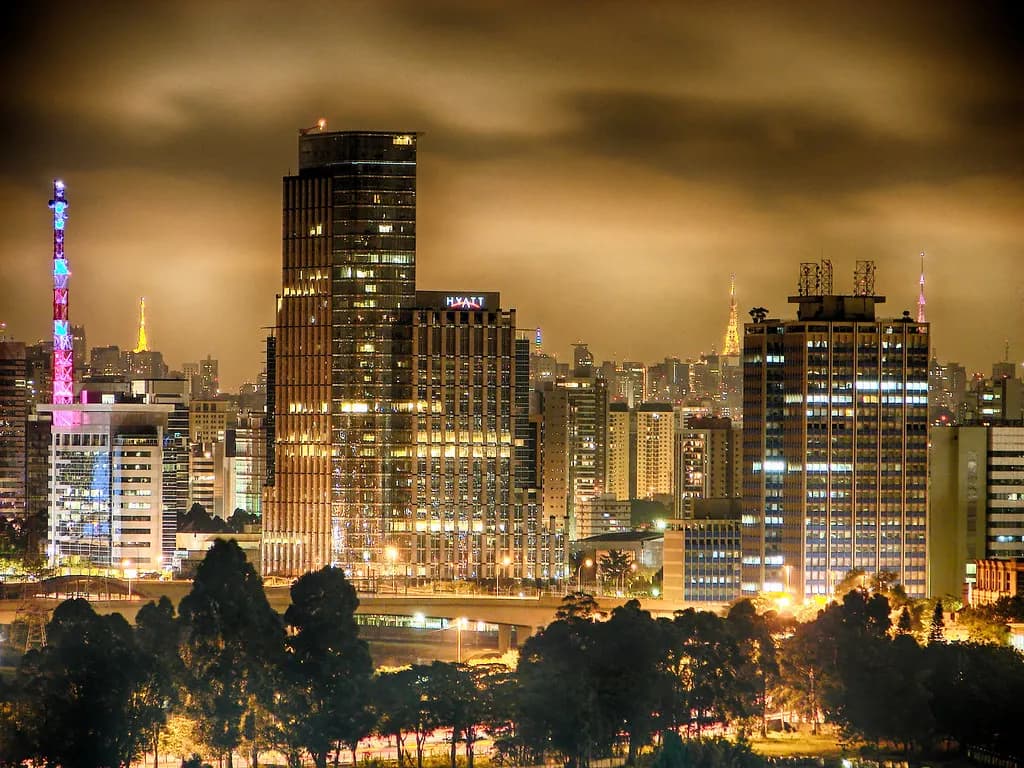 São Paulo
São Paulo
Brazil
São Paulo has more Michelin-starred restaurants and a bigger Japanese population than any city outside Japan itself — a metropolis of over 12 million people that barely registers on most first-time South America itineraries.
See full guide →Comparing more than one route? See the full transport comparison guide.