Argentina · South America
Buenos Aires
Argentines eat more beef per person than almost any nation on Earth, dance a tango that started in the city's brothels and dockside bars in the 1880s, and built a capital so deliberately modeled on Paris that locals still call it "the Paris of South America."
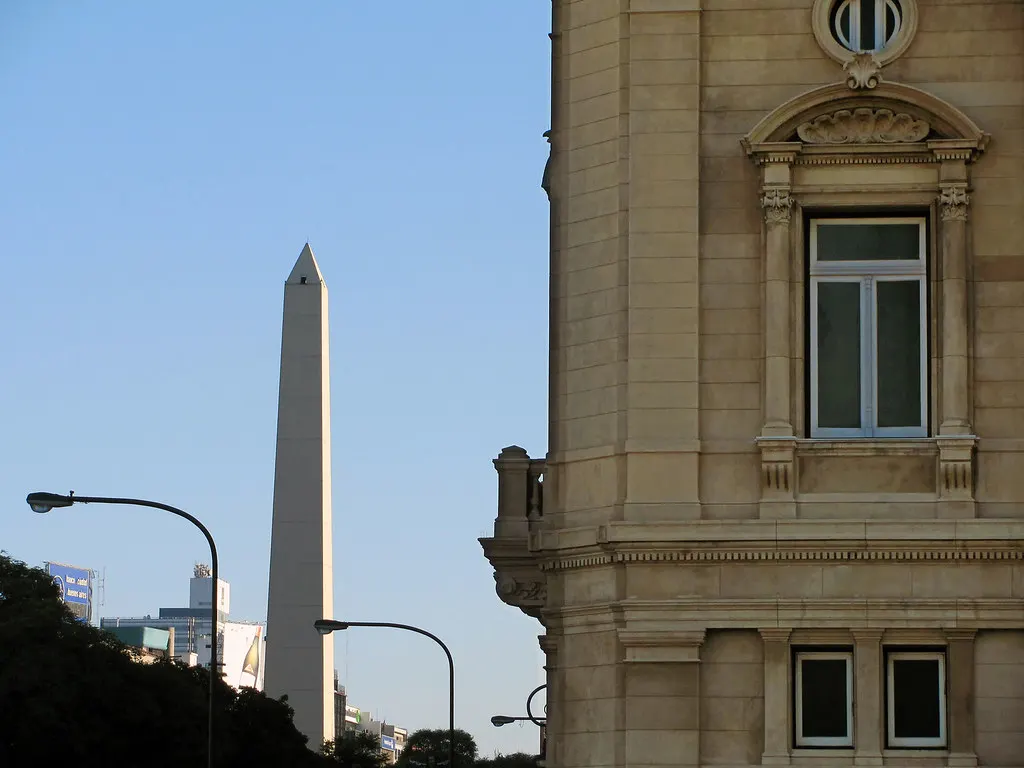
Buenos Aires earned its old nickname, "the Paris of South America," through deliberate design — late 19th and early 20th-century wealth from Argentina's booming beef and grain exports funded wide Parisian-style boulevards, ornate European-influenced architecture, and grand public buildings, giving the city a genuinely different visual character from most of the rest of Latin America.
Tango developed in Buenos Aires's working-class port neighborhoods and brothels in the 1880s, born from a mix of European immigrant music, African rhythmic traditions, and local folk styles — initially considered disreputable by Argentina's elite before Parisian high society embraced it in the early 20th century and sent it back home with newfound respectability. Today, San Telmo and La Boca hold the strongest concentration of tango culture, from impromptu street performances to milongas, genuine social dance halls where locals still gather to dance rather than perform for tourists.
Recoleta Cemetery, one of the most elaborate cemeteries in the world, holds the graves of Argentina's most significant historical figures within an extraordinary density of ornate mausoleums and statuary — Eva Perón's grave, visited constantly by admirers decades after her 1952 death, remains the single most sought-out site within its maze-like walkways.
Argentina's beef culture runs deep enough to shape daily life broadly — the country has one of the highest rates of beef consumption per capita on Earth, and the parrilla, a traditional grilled-meat dining ritual, remains a genuine cultural institution rather than a tourist-oriented steakhouse concept, typically involving multiple cuts served over an extended, unhurried meal.
Argentina's persistent currency volatility has made Buenos Aires an unusually affordable major capital for international visitors holding stronger currencies, even as it complicates daily life for residents — a genuine, if double-edged, practical reason the city has become an increasingly popular value destination for longer stays and digital nomads alike.
What a trip here actually costs
$35 / day avg.
- Hostel near San Telmo or Palermo
- Subte (metro) day pass
- Parrilla (grill) lunches and empanadas
- Free wander through Recoleta and San Telmo
What to do at this tier
- • Recoleta Cemetery, an elaborate above-ground cemetery holding Eva Perón's grave, free
- • San Telmo Sunday market, antiques and street performers, free to browse
- • La Boca's Caminito street, colorful houses and tango dancers, free to walk
$85 / day avg.
- 3-star hotel near Palermo or Recoleta
- Recoleta Cemetery guided tour
- Sit-down steakhouse dinners
- Milonga tango show entry
What to do at this tier
- • Guided tour of Recoleta Cemetery, adding context to its most significant graves and mausoleums
- • Sit-down parrilla dinner, Argentina's traditional grilled-meat dining experience
- • Milonga tango show, a genuine social dance hall rather than a purely tourist performance
$200 / day avg.
- 4-5 star hotel near Recoleta or Puerto Madero
- Private guided architecture and tango history tour
- Multi-course tasting menu at a top parrilla
- Private day trip to a traditional estancia
What to do at this tier
- • Private guided architecture tour covering the city's European-influenced boulevards and buildings
- • Multi-course tasting menu at one of Buenos Aires's top-rated parrillas or fine dining restaurants
- • Private day trip to a traditional estancia in the surrounding pampas
These are average estimates for planning purposes, not real-time prices — actual costs vary by season, availability, and how far ahead you book.
How to get there
Click anywhere on the world map — any airport works, not just our main hubs.
Click anywhere on the map above — any airport in the world works — to see estimated travel time and cost from there.
Times and prices are planning estimates, not live fares — always check a booking site before you commit. See the full Transport Comparison guide for the general tradeoffs of each mode.
Best time to visit
September-November and March-May bring the most comfortable weather, avoiding both summer humidity and winter cold.
Safety notes
Generally safe in the main tourist neighborhoods with standard urban caution; pickpocketing in crowded markets is a more realistic concern than violent crime.
Visa & currency
Argentine peso (ARS), with a notably volatile exchange rate — many visitors find US dollars useful for larger purchases. Visa requirements vary by nationality; many Western passport holders can enter visa-free for short stays, worth confirming before booking.
Questions people ask before visiting
Is Buenos Aires worth visiting?
Yes — it combines genuinely European-feeling architecture and boulevards with a distinct Latin American energy, plus the birthplace culture of tango, some of the best steak in the world, and prices that remain relatively affordable for international visitors given Argentina's currency history.
Is a tango show worth it in Buenos Aires?
Yes, particularly a milonga (a genuine social tango dance hall where locals actually dance) over a purely tourist-oriented dinner show, though both have their place. La Boca and San Telmo neighborhoods have the highest concentration of authentic tango culture, including impromptu street performances.
Is Buenos Aires safe?
Generally safe in the main tourist neighborhoods (Recoleta, Palermo, San Telmo) with standard urban caution. Petty theft is a more realistic concern than violent crime for most visitors, particularly in crowded areas like San Telmo's Sunday market.
When is the best time to visit Buenos Aires?
September-November (spring) and March-May (fall) bring comfortable, mild weather and avoid both the intense summer heat and humidity of December-February and the damp cold of winter.
How many days do you need in Buenos Aires?
Three days covers Recoleta Cemetery, San Telmo's Sunday market, and a tango show. A fourth or fifth day allows a day trip to an estancia (traditional ranch) or the colonial river town of Colonia del Sacramento, just across the river in Uruguay.
Nearby destinations
 Montevideo
Montevideo
Uruguay
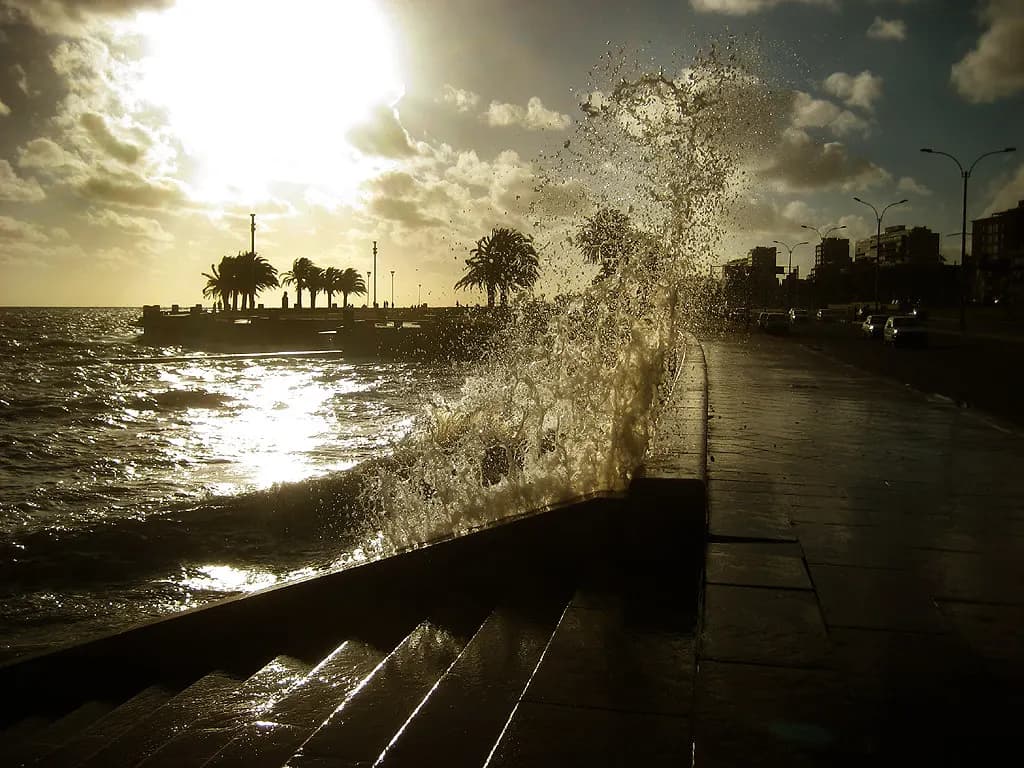
Uruguay legalized marijuana and same-sex marriage years before most of the world and has one of Latin America's highest standards of living — and its capital has a 22-kilometer waterfront promenade that's just... mostly empty, even in a city of 1.3 million people.
See full guide →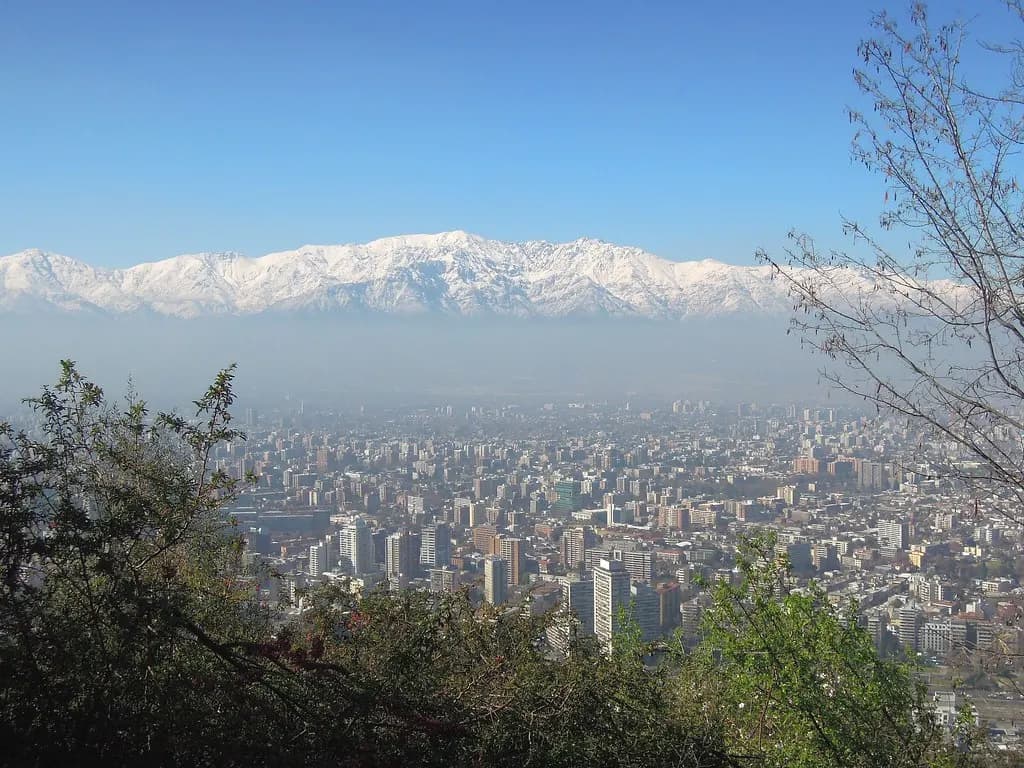 Santiago
Santiago
Chile
You can ski the Andes and be back in downtown Santiago for dinner the same day — a handful of major resorts sit less than two hours from a capital city of over 6 million people, a combination almost no other capital in the world can genuinely offer.
See full guide →Comparing more than one route? See the full transport comparison guide.