Argentina · South America
Bariloche
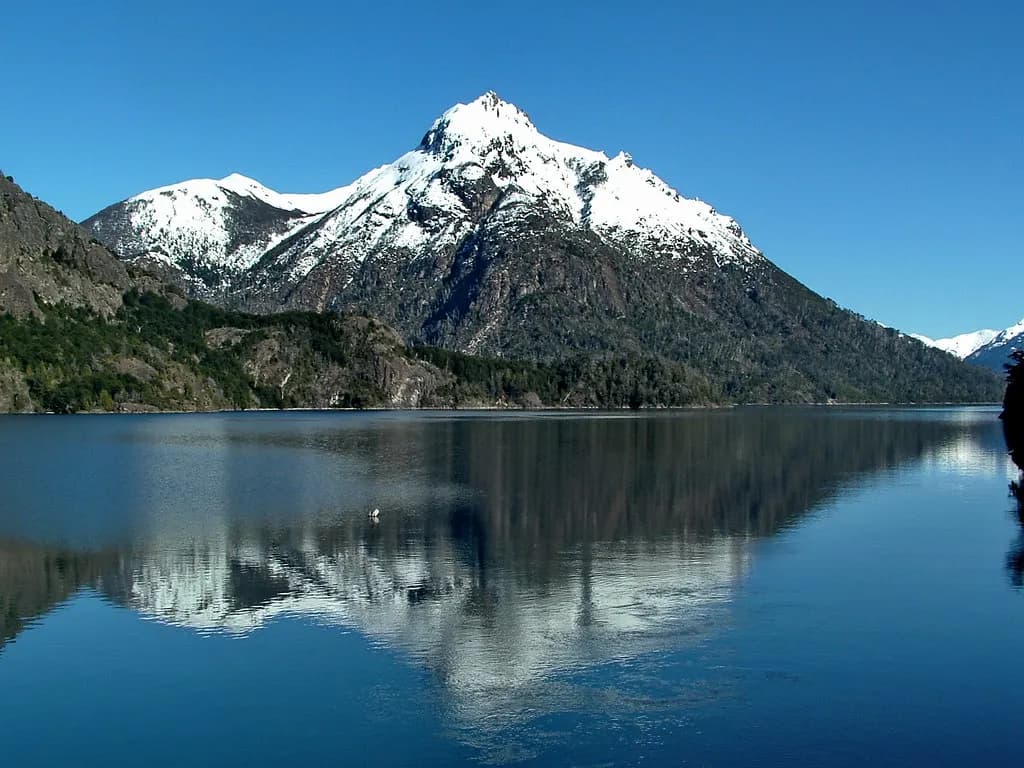
Bariloche looks so much like the Swiss Alps that its own founders built the town in a deliberately Alpine style on purpose — chocolate shops, alpine chalets, and a lake district so extensive it takes days just to see the highlights.
Bariloche's Alpine character isn't accidental — Swiss, German, and other European immigrants who settled the area in the early-to-mid 20th century deliberately built the town in an Alpine architectural style, complete with chalet-style buildings and a Centro Cívico modeled on European mountain-town civic centers, giving Bariloche a genuinely distinct look within Argentina.
That same immigration brought European chocolate-making traditions, and Bariloche has leaned into the connection fully — the town is now widely considered Argentina's chocolate capital, with numerous specialty shops along its main streets producing everything from traditional bars to elaborate sculptural displays, a genuine local industry rather than a tourist gimmick.
The town sits at the edge of Nahuel Huapi National Park, Argentina's oldest national park, protecting an extensive network of glacial lakes, forests, and Andes peaks. The Circuito Chico, a roughly 60-kilometer scenic loop, packs many of the park's most celebrated viewpoints — lakes, forests, and mountain vistas — into a single half-day drive or guided tour, making it one of the most efficient ways to experience the region's scale.
Cerro Catedral, a short drive from town, ranks among the largest ski resorts in South America, drawing visitors from across the continent and beyond during the Southern Hemisphere winter (roughly June through September) — a genuine ski destination rather than a minor add-on activity.
In summer, the same lake district shifts focus toward hiking, boating, and the lakes themselves, with Nahuel Huapi Lake's vivid blue water and surrounding forested peaks giving Bariloche a scenic profile that draws frequent, genuine comparisons to the Swiss and Austrian Alps — a comparison the town's own founders clearly had in mind from the start.
What a trip here actually costs
$35 / day avg.
- Hostel near the center
- Local bus fares
- Chocolate and casual lunches
- Free lakeside walks and viewpoints
What to do at this tier
- • Lakeside walks along Nahuel Huapi Lake in the town center, free
- • Chocolate shop wander along the main streets, samples often free
- • Centro Cívico, the town's Alpine-style civic center, free
$90 / day avg.
- 3-star hotel near the center or lake
- Circuito Chico half-day tour
- Sit-down Patagonian dinners
- Cerro Campanario chairlift for a panoramic view
What to do at this tier
- • Circuito Chico, a scenic half-day drive or tour through lakes, forests, and viewpoints
- • Cerro Campanario chairlift for one of the region's most celebrated panoramic views
- • Sit-down dinner featuring Patagonian lamb and locally caught trout
$210 / day avg.
- 4-5 star hotel with lake views
- Private guided Nahuel Huapi National Park tour
- Multi-course dinner featuring Patagonian lamb and trout
- Ski day at Cerro Catedral with equipment and lift pass
What to do at this tier
- • Private guided full-day tour deeper into Nahuel Huapi National Park
- • Ski day at Cerro Catedral, one of South America's largest ski resorts, with equipment rental
- • Multi-course dinner at a well-regarded Bariloche restaurant with regional wine pairing
These are average estimates for planning purposes, not real-time prices — actual costs vary by season, availability, and how far ahead you book.
How to get there
Click anywhere on the world map — any airport works, not just our main hubs.
Click anywhere on the map above — any airport in the world works — to see estimated travel time and cost from there.
Times and prices are planning estimates, not live fares — always check a booking site before you commit. See the full Transport Comparison guide for the general tradeoffs of each mode.
Best time to visit
December-March for hiking and lake activities; June-September for skiing at Cerro Catedral.
Safety notes
Very safe overall. Standard mountain and lake safety precautions apply for outdoor activities.
Visa & currency
Argentine peso (ARS). Visa requirements vary by nationality; many Western passport holders can enter visa-free for short stays, worth confirming before booking.
Questions people ask before visiting
Is Bariloche worth visiting?
Yes — it's Argentina's premier lake district destination, set against Andes peaks and Nahuel Huapi National Park's forests and glacial lakes, with a genuinely Alpine architectural character and both strong summer hiking and winter skiing seasons.
Why is Bariloche known for chocolate?
Swiss and German immigrants who settled the area in the early-to-mid 20th century brought European chocolate-making traditions with them, and the town leaned into that heritage deliberately — Bariloche is now considered Argentina's chocolate capital, with numerous specialty shops along its main streets.
When is ski season in Bariloche?
Roughly June through September, Southern Hemisphere winter, centered on Cerro Catedral, one of South America's largest ski resorts. Summer (December-March) shifts the focus to hiking, lake activities, and the Circuito Chico scenic drive.
How many days do you need in Bariloche?
Three days covers the town center, the Circuito Chico lake-and-mountain drive, and a hike or ski day depending on season. Longer stays allow deeper exploration of Nahuel Huapi National Park's more remote trails and lakes.
Nearby destinations
 Santiago
Santiago
Chile
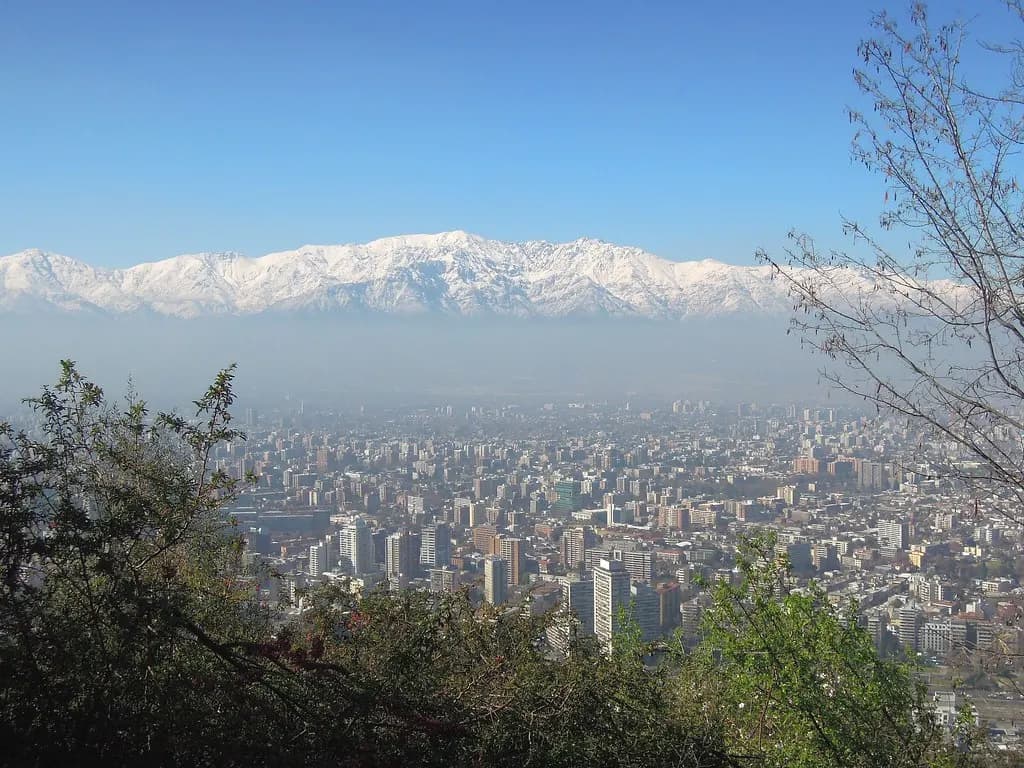
You can ski the Andes and be back in downtown Santiago for dinner the same day — a handful of major resorts sit less than two hours from a capital city of over 6 million people, a combination almost no other capital in the world can genuinely offer.
See full guide →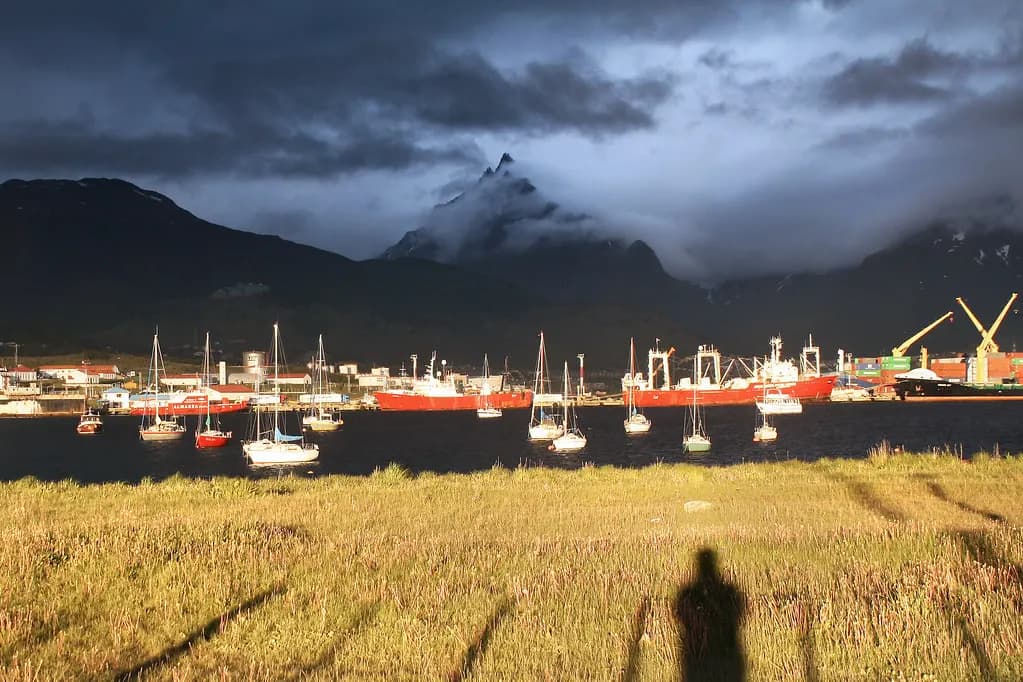 Ushuaia
Ushuaia
Argentina
Ushuaia calls itself "the end of the world," and the claim holds up better than most marketing slogans — it's the southernmost city on Earth with a real airport and hotels, closer to Antarctica than to most of the rest of Argentina.
See full guide →Comparing more than one route? See the full transport comparison guide.