Argentina · South America
Mendoza
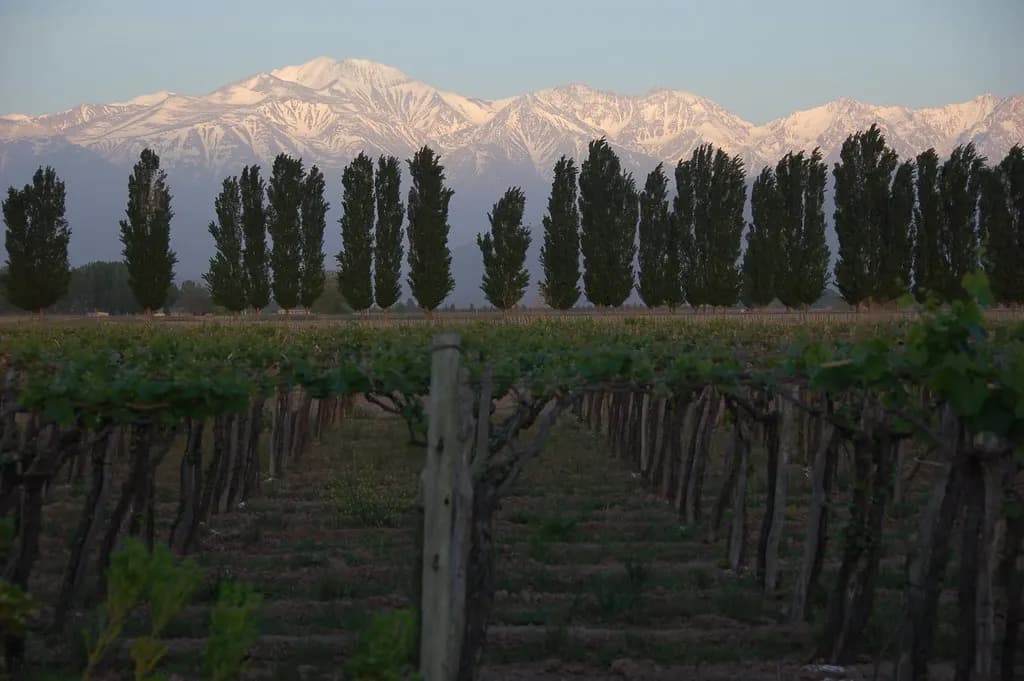
Argentina's driest wine region produces some of its best wine — Mendoza sits in a literal desert, and every vineyard here survives on a 600-year-old irrigation system originally engineered by the indigenous Huarpe people, still carrying snowmelt down from the Andes today.
Mendoza sits in a genuine desert — the region receives minimal rainfall and would be agriculturally unviable without irrigation — yet it produces some of Argentina's and the world's most acclaimed wine, particularly Malbec, a grape variety that found a second, arguably better home here after declining in its native France. The contradiction resolves through water engineering: a network of irrigation canals originally developed by the indigenous Huarpe people centuries before Spanish colonization, later expanded by Italian and Spanish immigrant winemakers, still channels Andes snowmelt down to the vineyards today.
The wine region divides into several subregions within easy reach of the city, with Luján de Cuyo and Maipú the two most visited — the latter compact and flat enough that many visitors rent bikes and move between several small, family-run bodegas across a single self-guided day, stopping for tastings along tree-lined roads.
Aconcagua, rising to 6,961 meters within a provincial park a few hours from Mendoza, is the tallest peak in both the Western and Southern Hemispheres — a realistic day trip for a viewpoint and short walk toward its base, while serious ascents require dedicated, much longer mountaineering expeditions that draw climbers from around the world.
Mendoza's city center itself, rebuilt after a devastating 1861 earthquake destroyed most of the original colonial town, was deliberately redesigned with wide, tree-lined streets and irrigation channels running alongside them — a layout that keeps the city notably cooler and greener than its surrounding desert would otherwise suggest, and gives Mendoza one of Argentina's most pleasant city centers to simply walk through.
Beyond wine, the surrounding Andes foothills support a genuine adventure tourism industry — whitewater rafting on glacier-fed rivers and horseback riding through the mountains are both well-established activities, giving Mendoza a dual identity as both a wine destination and an outdoor adventure base.
What a trip here actually costs
$35 / day avg.
- Hostel near the center
- Bike rental for a self-guided winery day
- Casual Argentine lunches
- Free wander through the city's parks and plazas
What to do at this tier
- • Parque General San Martín, Mendoza's large central park, free
- • Self-guided bike tour between a few wineries in Maipú, low bike rental cost
- • Plaza Independencia and the city's tree-lined streets, free
$85 / day avg.
- 3-star hotel near the center
- Guided half-day wine tour with tastings
- Sit-down Argentine parrilla dinners
- Aconcagua Provincial Park viewpoint day trip
What to do at this tier
- • Guided half-day wine tour covering several bodegas in Luján de Cuyo, including tastings
- • Aconcagua Provincial Park day trip for a viewpoint of the tallest peak in the Americas
- • Sit-down parrilla dinner paired with a bottle of local Malbec
$200 / day avg.
- 4-5 star hotel or vineyard lodge
- Private full-day wine tour with a sommelier
- Multi-course dinner paired with premium Malbec
- Private Andes foothills horseback or rafting excursion
What to do at this tier
- • Private full-day wine tour with a sommelier, covering premium and boutique bodegas
- • Multi-course dinner at a vineyard restaurant, paired with the estate's own wines
- • Private Andes foothills excursion, horseback riding or whitewater rafting
These are average estimates for planning purposes, not real-time prices — actual costs vary by season, availability, and how far ahead you book.
How to get there
Click anywhere on the world map — any airport works, not just our main hubs.
Click anywhere on the map above — any airport in the world works — to see estimated travel time and cost from there.
Times and prices are planning estimates, not live fares — always check a booking site before you commit. See the full Transport Comparison guide for the general tradeoffs of each mode.
Best time to visit
March-May (harvest season) and September-November bring the most comfortable weather and, in autumn, the added appeal of the grape harvest itself.
Safety notes
Very safe overall. Standard caution applies for any Andes foothill activities like rafting or horseback riding.
Visa & currency
Argentine peso (ARS). Visa requirements vary by nationality; many Western passport holders can enter visa-free for short stays, worth confirming before booking.
Questions people ask before visiting
Is Mendoza worth visiting?
Yes, especially for wine — it's Argentina's premier wine region and one of the most significant Malbec-producing areas in the world, set against a dramatic Andes backdrop that also offers rafting, horseback riding, and access to Aconcagua, the tallest peak in the Americas.
Is Mendoza good for wine tours?
Yes — the region holds hundreds of wineries (bodegas) ranging from small family operations to major producers, most offering tastings and tours, and many travelers rent a bike for a self-guided day moving between several wineries in the Luján de Cuyo or Maipú subregions.
Can I see Aconcagua from Mendoza?
Yes, on clear days, and Aconcagua Provincial Park, home to the tallest peak in the Western and Southern Hemispheres at 6,961 meters, is a realistic day trip from the city for viewpoints, with serious climbing expeditions requiring much longer, separate planning.
How many days do you need in Mendoza?
Two days covers a wine tour day and the city center. A third day allows an Andes day trip toward Aconcagua or an adventure activity like rafting or horseback riding in the foothills.
Nearby destinations
 Buenos Aires
Buenos Aires
Argentina
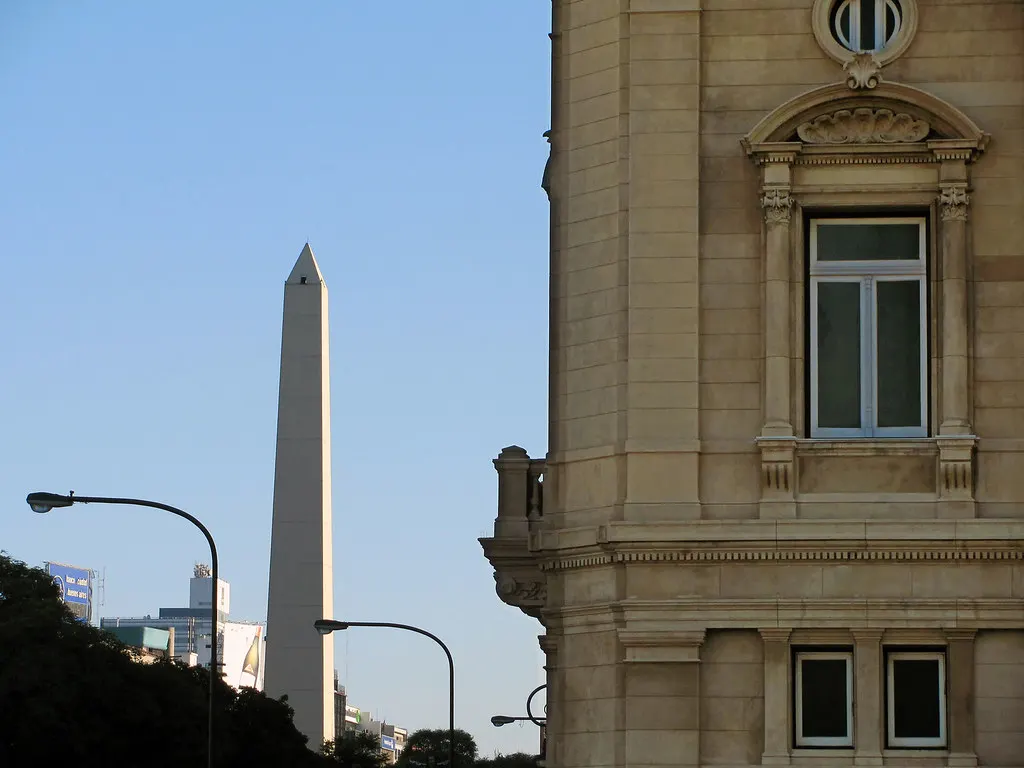
Argentines eat more beef per person than almost any nation on Earth, dance a tango that started in the city's brothels and dockside bars in the 1880s, and built a capital so deliberately modeled on Paris that locals still call it "the Paris of South America."
See full guide →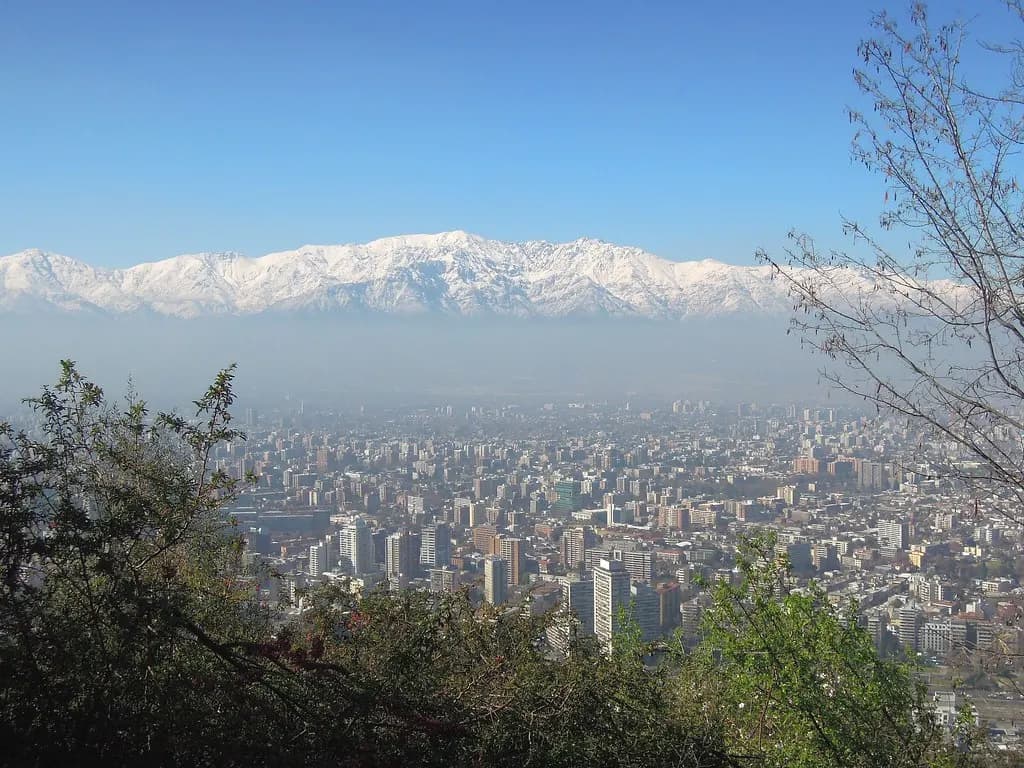 Santiago
Santiago
Chile
You can ski the Andes and be back in downtown Santiago for dinner the same day — a handful of major resorts sit less than two hours from a capital city of over 6 million people, a combination almost no other capital in the world can genuinely offer.
See full guide →Comparing more than one route? See the full transport comparison guide.