Peru · South America
Arequipa
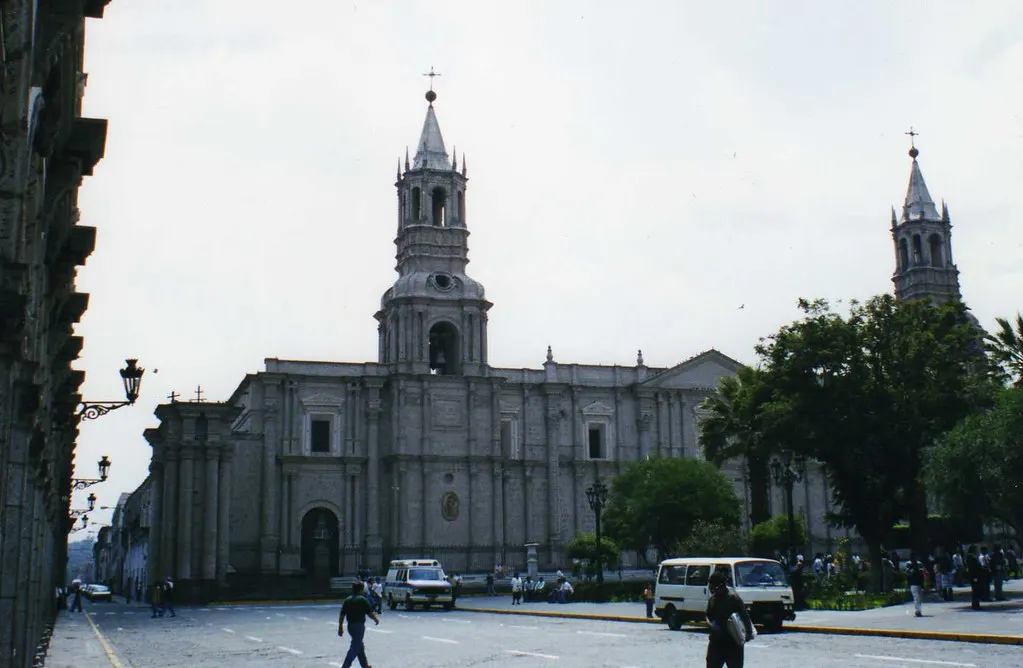
Arequipa is built almost entirely from sillar, a white volcanic stone quarried from the three volcanoes overlooking the city — enough of it that the whole historic center reflects sunlight back with a genuine, unmistakable glow that earned it the nickname "the White City."
Arequipa's historic center is built almost entirely from sillar, a white volcanic stone quarried from the three volcanoes that overlook the city, including the still-active El Misti. The stone reflects sunlight distinctively enough that the city earned the nickname "the White City" (la Ciudad Blanca), and UNESCO recognized the resulting architectural character — Baroque colonial buildings unlike anything found in Peru's other major cities — as a World Heritage Site in 2000.
Santa Catalina Monastery, the city's single most significant attraction, is a walled convent covering nearly a full city block, functioning almost like a self-contained small town within Arequipa — colorful painted streets in ochre, blue, and white, courtyards, a cemetery, and cells that once housed dozens of nuns, some from wealthy families who brought servants and elaborate furnishings with them into religious life, a detail that surprises many visitors expecting austere simplicity.
Colca Canyon, roughly twice as deep as the Grand Canyon, sits within realistic day-trip or overnight-tour distance and offers one of the more reliable chances in South America to see Andean condors in flight, particularly at the Cruz del Cóndor viewpoint during the early morning hours when the birds ride thermal air currents rising from the canyon depths.
The city's three surrounding volcanoes — El Misti, Chachani, and Pichu Pichu — give Arequipa a dramatic natural backdrop visible from numerous viewpoints around the city, including Yanahuara, a neighborhood whose plaza offers one of the most photographed views combining the white colonial architecture with the volcanic peaks behind it.
Arequipa tends to move at a notably calmer pace than Cusco, Peru's more heavily touristed historic city, and rewards travelers with enough time in the country to look beyond the essential Machu Picchu circuit — a genuine architectural and natural-landscape counterpoint that many Peru itineraries skip entirely, to their own loss.
What a trip here actually costs
$25 / day avg.
- Hostel near the historic center
- Local bus fares
- Menu del día lunches
- Free wander through the sillar-stone historic center
What to do at this tier
- • Historic center wander, sillar-stone architecture throughout, free
- • Plaza de Armas and the cathedral exterior, free
- • Mirador de Yanahuara for a free view of the city and its three surrounding volcanoes
$60 / day avg.
- 3-star hotel near Plaza de Armas
- Santa Catalina Monastery entry
- Sit-down Peruvian dinners
- Guided Colca Canyon day trip
What to do at this tier
- • Santa Catalina Monastery, a walled colonial convent functioning almost like a small city
- • Guided Colca Canyon day trip, including the Cruz del Cóndor viewpoint for condor sightings
- • Sit-down dinner featuring rocoto relleno, an Arequipa specialty of stuffed spicy peppers
$140 / day avg.
- 4-5 star hotel near the historic center
- Private guided city and monastery tour
- Multi-course Peruvian tasting menu
- Private two-day Colca Canyon tour with premium lodging
What to do at this tier
- • Private guided tour connecting Arequipa's sillar architecture with its colonial religious history
- • Private two-day Colca Canyon tour with premium lodging near the canyon rim
- • Multi-course Peruvian tasting menu at a well-regarded Arequipa restaurant
These are average estimates for planning purposes, not real-time prices — actual costs vary by season, availability, and how far ahead you book.
How to get there
Click anywhere on the world map — any airport works, not just our main hubs.
Click anywhere on the map above — any airport in the world works — to see estimated travel time and cost from there.
Times and prices are planning estimates, not live fares — always check a booking site before you commit. See the full Transport Comparison guide for the general tradeoffs of each mode.
Best time to visit
May-September, the dry season, brings the clearest skies for both the city and Colca Canyon condor viewing.
Safety notes
Very safe overall. Standard altitude and outdoor precautions apply for Colca Canyon trips.
Visa & currency
Peruvian sol (PEN). Visa requirements vary by nationality; many Western passport holders can enter visa-free for short stays, worth confirming before booking.
Questions people ask before visiting
Is Arequipa worth visiting?
Yes — its historic center, built almost entirely from white volcanic sillar stone, is genuinely distinct from any other Peruvian city, UNESCO-listed, and it's the practical base for visiting Colca Canyon, one of the deepest canyons in the world.
Is Colca Canyon worth visiting from Arequipa?
Yes — Colca Canyon is roughly twice as deep as the Grand Canyon and one of the best places in South America for a realistic chance of seeing Andean condors in flight, particularly at the Cruz del Cóndor viewpoint in the early morning. Most visitors do it as an organized two-day tour or a very long single day trip.
Is the Santa Catalina Monastery worth visiting?
Yes — this walled convent, still partially in operation, functions almost like a small city within the city, with colorful painted streets, courtyards, and cells reflecting centuries of Arequipa's colonial religious history. It's frequently cited as one of the best single attractions in southern Peru.
Arequipa or Cusco — which should I prioritize?
Cusco has Machu Picchu and the Inca capital history, making it the more essential stop for most first-time Peru visitors. Arequipa rewards travelers with more time — distinctive architecture, Colca Canyon, and a notably calmer pace than Cusco's more heavily touristed streets.
How many days do you need in Arequipa?
Two days covers the historic center and Santa Catalina Monastery. A Colca Canyon trip adds one to two more days depending on whether it's a day trip or overnight tour.
Nearby destinations
 Cusco
CuscoCusco
Peru
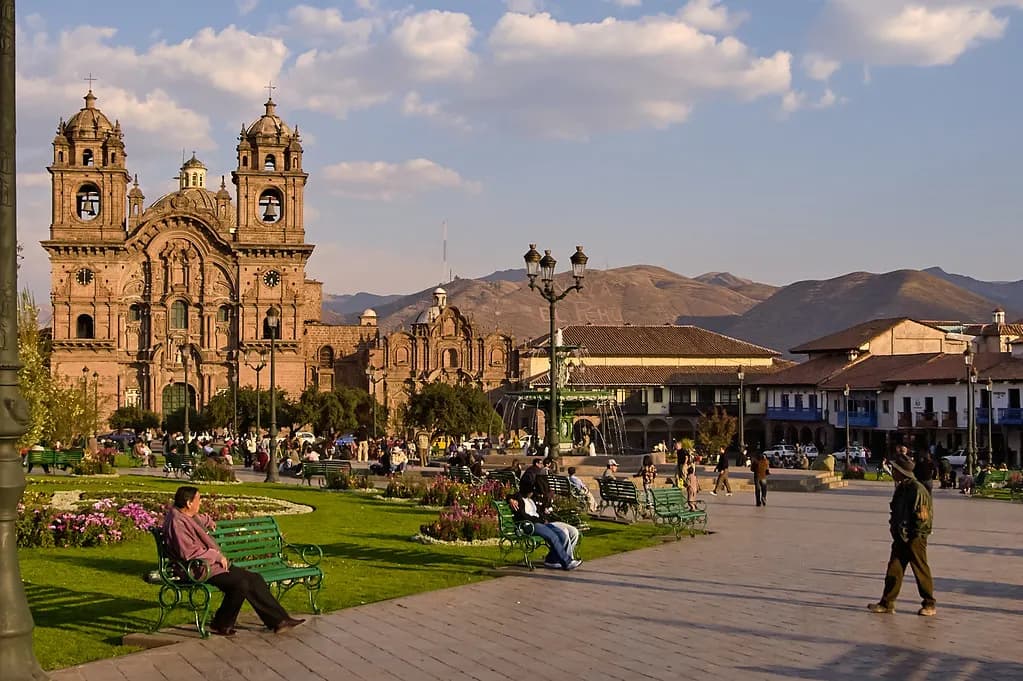
The Inca built stone walls so precisely fitted that you still can't slide a knife blade between the blocks 500 years later — and Cusco was their capital, the literal center of an empire that stretched further than the Roman Empire at its peak.
See full guide →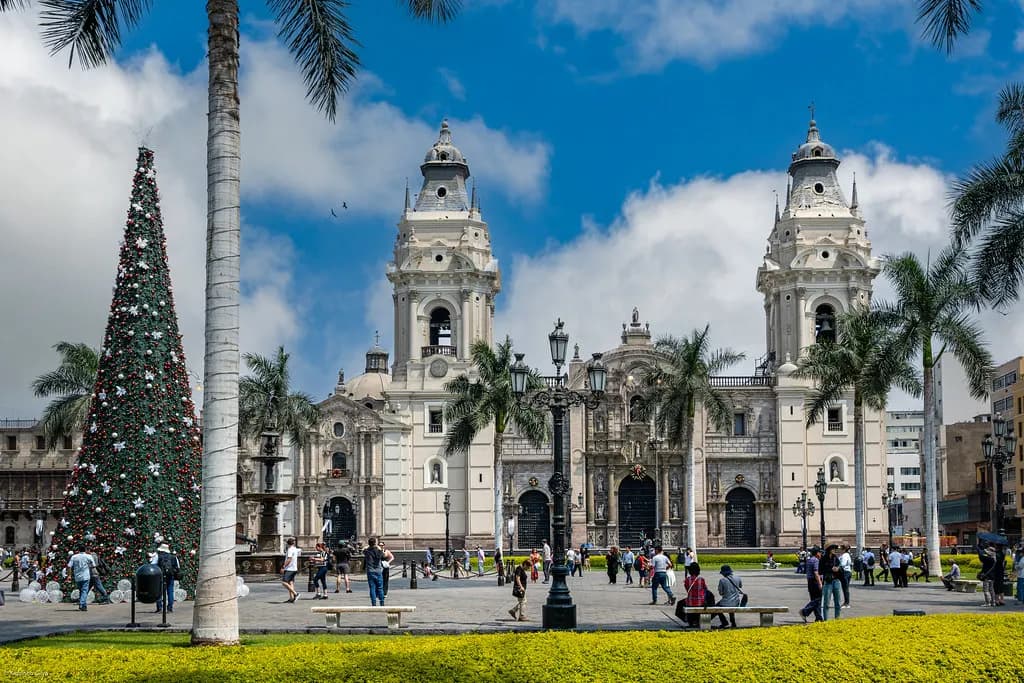 Lima
LimaLima
Peru
Lima has more restaurants on the World's 50 Best list than almost any other city on Earth, and the ceviche recipe locals insist is the only real one uses fish that never touches a stove — cooked entirely by citrus acid in a matter of minutes.
See full guide →Comparing more than one route? See the full transport comparison guide.