Brazil · South America
Paraty
Paraty's colonial builders sloped the town's cobblestone streets so that high tide floods them on purpose, a deliberate design meant to flush waste out to sea, and 300 years later the streets still flood right on schedule.
Paraty's colonial engineers built several of the town's streets with a deliberate slope toward the sea, letting the high tide flow in and flush accumulated waste and debris back out with the outgoing water. It was a practical sanitation solution for a small 18th-century port, and three centuries later, streets like Rua da Lapa still flood on schedule with the tide, now treated as a local curiosity that visitors time their walks around rather than a problem anyone's trying to fix.
The town owes its original wealth and layout to the Caminho do Ouro, the Gold Trail, a route that carried gold mined in Minas Gerais down through the mountains to Paraty's port for shipment back to Portugal during the 18th-century gold boom. Sections of the original stone-paved trail still survive in the hills above town, and guided hikes along preserved stretches give a direct sense of how the gold actually moved before Rio de Janeiro's port eventually took over that role.
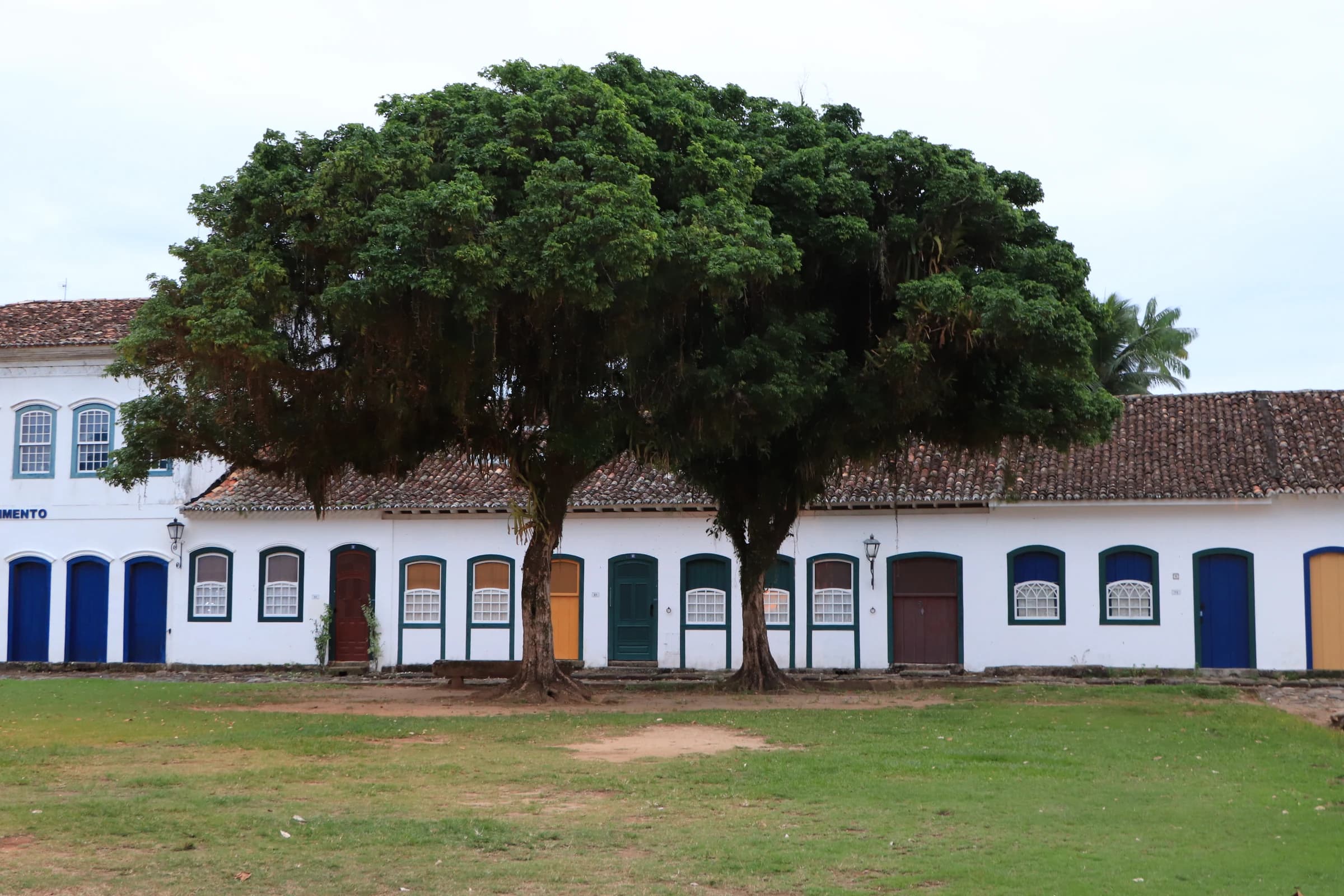
UNESCO added Paraty and the surrounding Serra da Bocaina to its World Heritage list in 2019, a joint designation covering both the town's well-preserved colonial architecture and the biodiversity of the Atlantic Forest surrounding it. The historic center's whitewashed buildings with brightly painted door and window frames remain largely intact, and cars are barred from much of it, leaving the cobblestone streets to pedestrians, bicycles, and the tide.
Paraty sits along Brazil's Costa Verde, the Green Coast, a stretch of coastline dotted with dozens of small islands and secluded beaches reachable only by boat. Day trips out of Paraty's harbor are the standard way to see them, with schooner-style boats running loop routes that stop for swimming at several islands over the course of an afternoon.
The town has produced cachaça, Brazil's sugarcane spirit, since the colonial era, and a number of small distilleries around Paraty still operate using traditional methods, some open for tours and tastings that trace the drink's production from cane to bottle.
What a trip here actually costs
$35 / day avg.
- Guesthouse just outside the historic center
- Local bus fares
- Casual Brazilian meals
- Free wander through the colonial center
What to do at this tier
- • Historic center wander past whitewashed 18th-century buildings, free
- • Rua da Lapa and the streets that flood at high tide, a local curiosity, free
- • Igreja de Santa Rita, a colonial-era church near the waterfront, free to view exterior
$90 / day avg.
- 3-star pousada inside the historic center
- Shared boat tour of the surrounding islands
- Sit-down Brazilian seafood dinners
- Cachaça distillery tour
What to do at this tier
- • Shared boat tour of the Costa Verde's surrounding islands and beaches
- • Cachaça distillery tour, exploring Paraty's long history producing the spirit
- • Sit-down dinner at a restaurant serving Brazilian coastal seafood
$220 / day avg.
- Boutique pousada in a restored colonial building
- Private boat charter around the Costa Verde islands
- Multi-course tasting menu at a well-regarded restaurant
- Private guided Gold Trail hike
What to do at this tier
- • Private boat charter to quieter islands and beaches away from the main tour routes
- • Guided hike along a preserved stone-paved stretch of the historic Gold Trail
- • Multi-course tasting menu highlighting Paraty's cachaça and regional Brazilian cuisine
These are average estimates for planning purposes, not real-time prices — actual costs vary by season, availability, and how far ahead you book.
How to get there
Click anywhere on the world map — any airport works, not just our main hubs.
Click anywhere on the map above — any airport in the world works — to see estimated travel time and cost from there.
Times and prices are planning estimates, not live fares — always check a booking site before you commit. See the full Transport Comparison guide for the general tradeoffs of each mode.
Best time to visit
May-September is drier and cooler; the rest of the year is warmer and wetter but still generally visitable given the mild coastal climate.
Safety notes
Generally safe within the historic center and main tourist areas with standard urban caution.
Visa & currency
Brazilian real (BRL). Visa requirements vary by nationality and have changed in recent years for some passport holders, worth confirming before booking.
Questions people ask before visiting
Is Paraty worth visiting?
Yes — Paraty's colonial Portuguese center is one of the best-preserved in Brazil, UNESCO-listed since 2019, with whitewashed 18th-century buildings, a genuinely walkable historic core, and easy access to dozens of nearby islands and beaches along the Costa Verde.
Why does Paraty flood at high tide?
Colonial engineers deliberately sloped several of Paraty's streets toward the sea so that seawater would flow in at high tide and flush accumulated waste and debris back out, a practical sanitation solution for the era. Streets like Rua da Lapa still flood reliably today, and it's become something of a local curiosity rather than a problem.
What was Paraty's role in Brazil's colonial economy?
Paraty served as a key port on the Caminho do Ouro, the Gold Trail, a route that carried gold mined in Minas Gerais down to the coast for shipment to Portugal during the 18th-century gold boom. Sections of the original stone-paved trail still exist in the hills around the town.
How many days do you need in Paraty?
Two days covers the historic center on foot, including its churches and cachaça bars. A third day allows a boat tour to the surrounding islands and beaches of the Costa Verde, or a hike along a preserved stretch of the old Gold Trail.
Nearby destinations
 Rio de Janeiro
Rio de Janeiro
Brazil
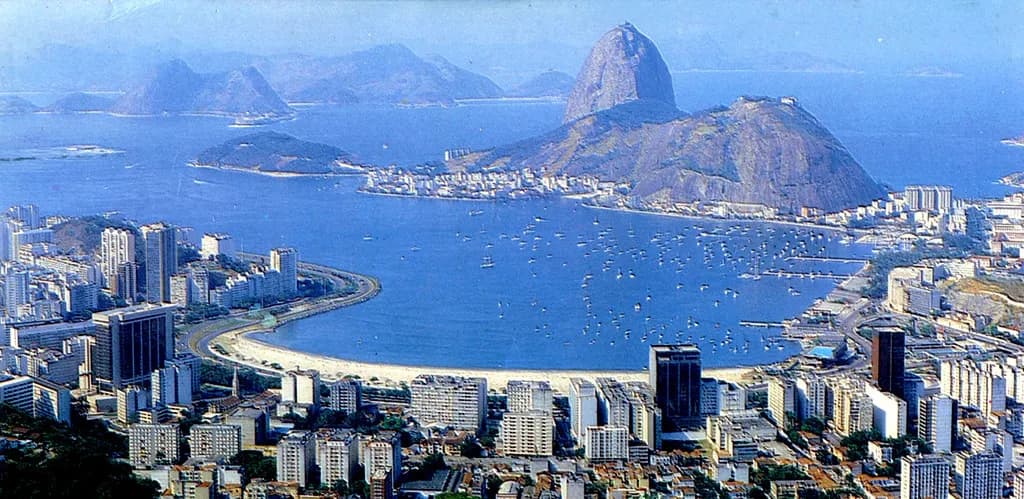
Christ the Redeemer took nine years to build and stands on a mountain that's part of a national park inside city limits — Rio has more urban rainforest within its borders than almost any other major city on Earth.
See full guide →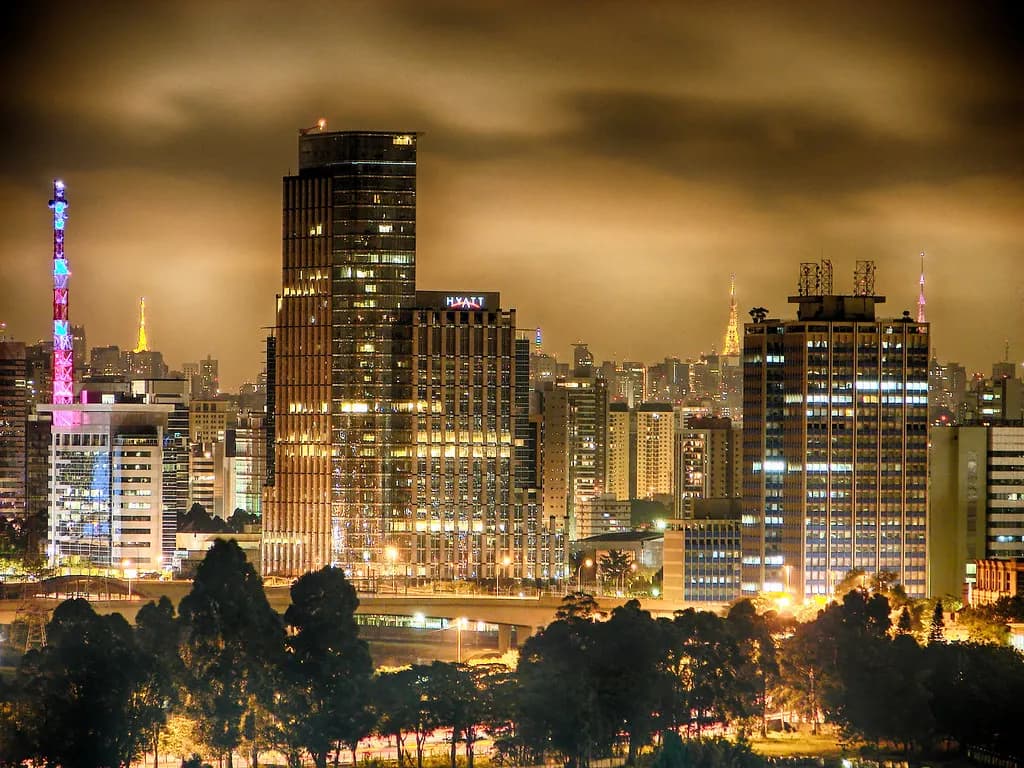 São Paulo
São Paulo
Brazil
São Paulo has more Michelin-starred restaurants and a bigger Japanese population than any city outside Japan itself — a metropolis of over 12 million people that barely registers on most first-time South America itineraries.
See full guide →Comparing more than one route? See the full transport comparison guide.