Bolivia · South America
Rurrenabaque
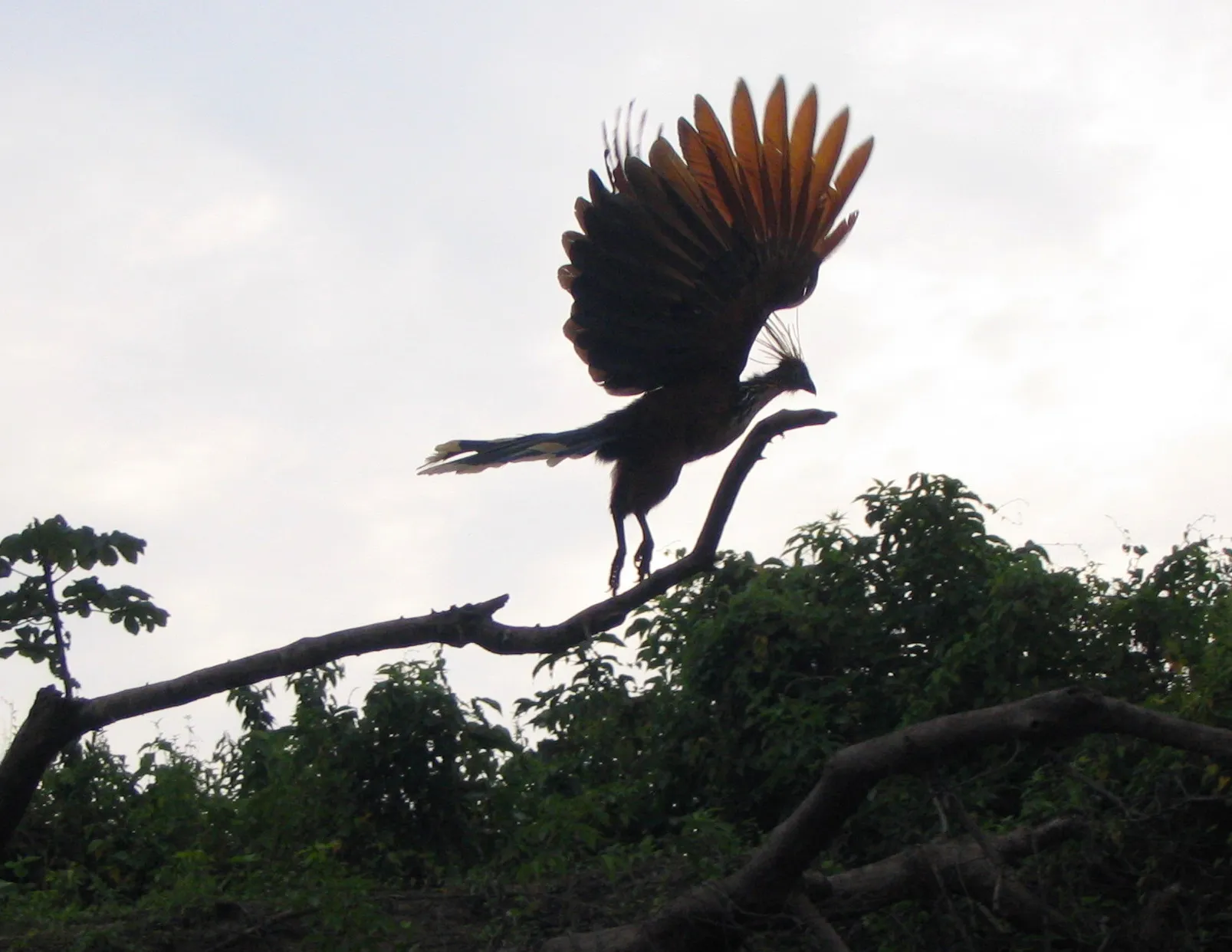
Rurrenabaque sits at the exact point where the Andes drop into the Amazon basin, close enough that a single short flight from La Paz's high-altitude cold swaps travelers into humid lowland jungle within the hour, splitting most visits between genuine rainforest and the wildlife-dense Pampas wetlands nearby.
Few short flights anywhere change a traveler's environment as dramatically as the roughly 40-minute hop from La Paz to Rurrenabaque. La Paz sits at nearly 3,650 meters, thin cold air and Andean peaks in every direction; Rurrenabaque sits at just a few hundred meters elevation, humid, dense, and firmly within the Amazon basin. The flight itself, weather permitting, tracks that transition visibly, snow-capped mountains giving way to unbroken green lowland forest within the space of less than an hour.
That accessibility has made Rurrenabaque Bolivia's primary gateway to the Amazon, and most visits split between two genuinely different environments. Jungle tours head into dense rainforest along the Beni River, offering the more classically immersive Amazon experience, thick canopy, guided hikes, and wildlife that requires patience and a sharp guide to spot through the vegetation. Pampas tours instead travel to open wetlands, where boat-based wildlife viewing along wide, slow waterways makes spotting animals considerably easier: pink river dolphins surfacing beside the boat, caimans sunning on the banks, capybaras grazing at the water's edge, and dense concentrations of birdlife visible without needing to search.
The alternative to flying, an 18-to-20-hour bus journey along the Yungas region's famously precarious mountain roads, including sections of what's been called the world's most dangerous road, makes the short flight from La Paz an easy choice for nearly all visitors, even accounting for its higher cost relative to overland travel.
Rurrenabaque's tourism industry has grown up specifically around these two tour types, and pricing here generally runs lower than comparable Amazon access points in Brazil or Peru, a genuine advantage for budget-conscious travelers who still want authentic rainforest and wetland wildlife experiences rather than a diluted version.
For travelers already building a Bolivia itinerary around La Paz, Uyuni, or Sucre, Rurrenabaque adds a genuinely different register entirely, lowland Amazon rather than Andean highlands, reachable easily enough that it fits naturally into a broader trip rather than requiring a separate expedition to a different country's rainforest access points.
What a trip here actually costs
$60 / day avg.
- Budget guesthouse in Rurrenabaque town
- Shared group Pampas or jungle tour, averaged per day
- Full-board meals during tour
- Local transport
What to do at this tier
- • 3-day Pampas wildlife tour
- • Rurrenabaque town and Beni River viewpoint, free
- • Piranha fishing on a Pampas tour
$130 / day avg.
- Jungle or Pampas eco-lodge
- Private or small-group guided tour
- Full-board meals
- Flight from La Paz, one way averaged
What to do at this tier
- • Multi-day jungle lodge stay with guided rainforest hikes
- • Pink river dolphin swimming (where locally deemed safe)
- • Night caiman-spotting boat tour
These are average estimates for planning purposes, not real-time prices — actual costs vary by season, availability, and how far ahead you book.
How to get there
Click anywhere on the world map — any airport works, not just our main hubs.
Click anywhere on the map above — any airport in the world works — to see estimated travel time and cost from there.
Times and prices are planning estimates, not live fares — always check a booking site before you commit. See the full Transport Comparison guide for the general tradeoffs of each mode.
Best time to visit
May-October is the dry season, offering easier travel and more concentrated wildlife viewing around remaining water sources; the wet season runs roughly November-April with higher humidity and more difficult access.
Safety notes
Generally safe with established tour operators; book jungle and Pampas tours only through licensed agencies, and check current health guidance regarding malaria prophylaxis for the region.
Visa & currency
Bolivian boliviano (BOB). Most nationalities receive visa-free entry or visa on arrival for short stays; confirm current requirements before booking.
Questions people ask before visiting
Is Rurrenabaque worth visiting?
Yes, particularly for travelers already in Bolivia who want genuine Amazon rainforest and wildlife access without traveling all the way to Brazil or Peru's more famous jungle regions — Rurrenabaque offers both jungle lodges and Pampas wetland tours, generally at lower cost than comparable trips elsewhere in the Amazon basin.
What is the difference between jungle and Pampas tours from Rurrenabaque?
Jungle tours head into dense rainforest along the Beni River, offering a more immersive forest experience with wildlife that's harder to spot through thick vegetation. Pampas tours travel to open wetlands where boat-based wildlife viewing is considerably easier, pink river dolphins, caimans, capybaras, and abundant birdlife visible directly from the boat.
How do you get to Rurrenabaque?
Small propeller planes fly from La Paz in around 40 minutes, the standard route given the alternative, a bus journey along the Yungas region's mountain roads, takes 18-20 hours. The flight itself offers dramatic views transitioning from Andean peaks to Amazon lowland.
Can you see pink river dolphins near Rurrenabaque?
Yes, Bolivian river dolphins (a pink-hued Amazon dolphin species) are a common and reliable sighting on Pampas tours specifically, where the open wetland waterways make wildlife spotting considerably easier than in dense jungle terrain.
Nearby destinations
 La Paz
La Paz
Bolivia
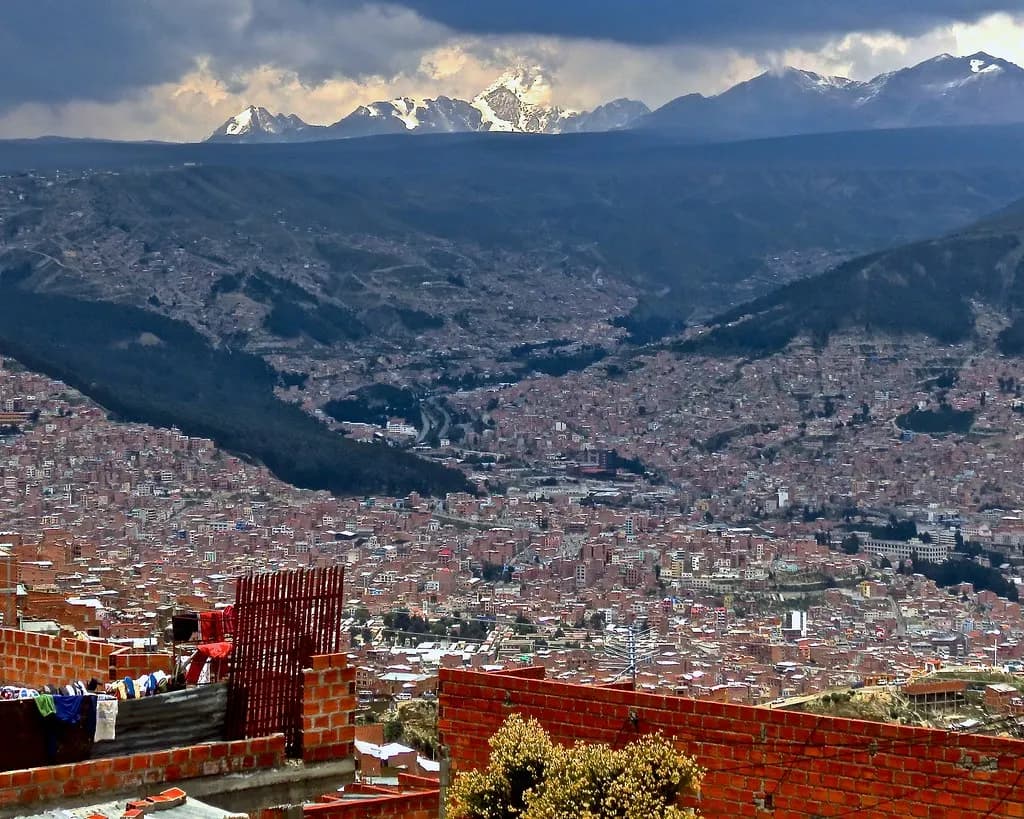
La Paz sits so high — over 3,600 meters at its lowest point — that the city built the largest urban cable car network on Earth just to move people up and down the canyon it's built into, since regular buses and roads couldn't handle the terrain.
See full guide →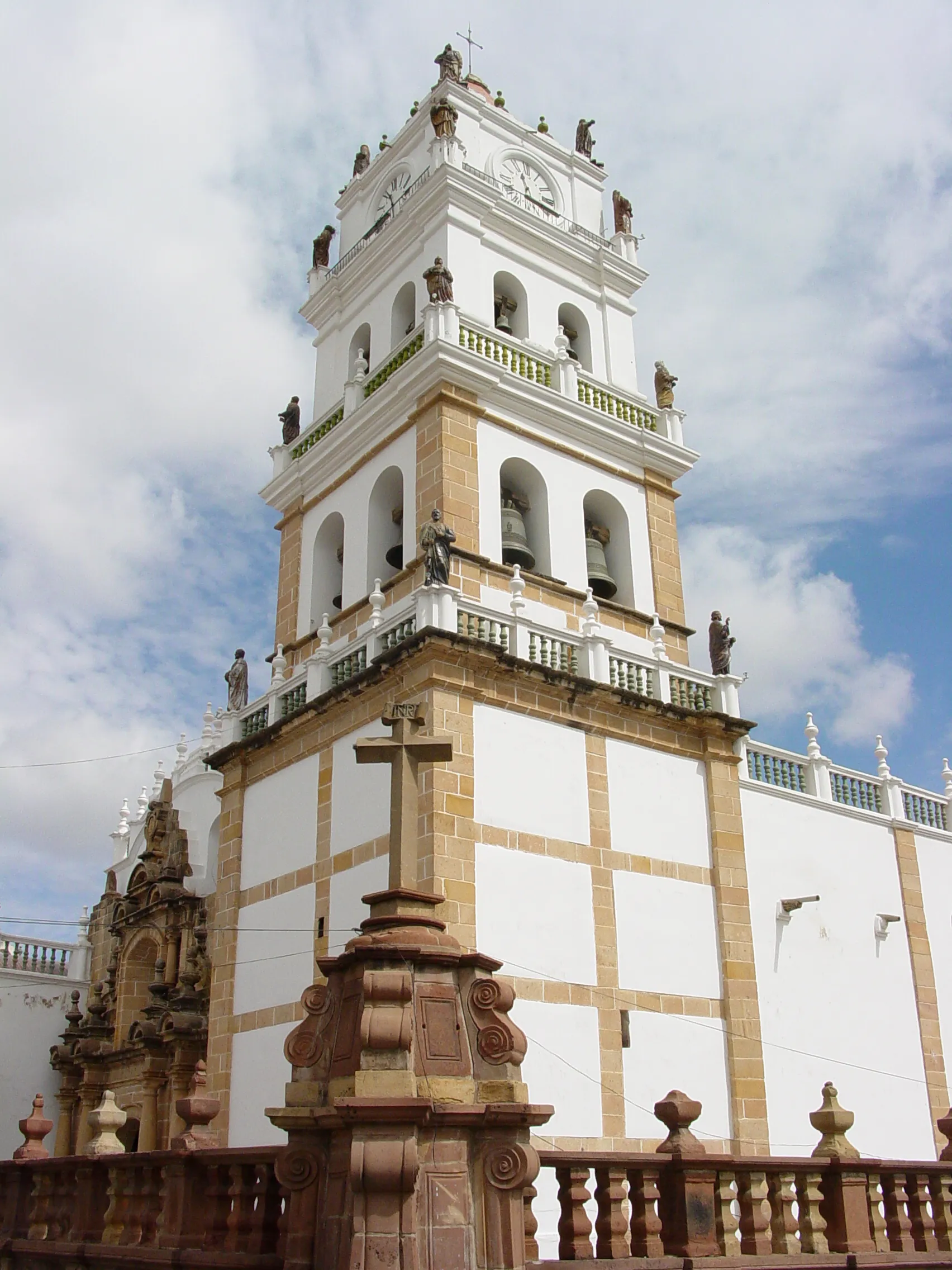 Sucre
SucreSucre
Bolivia
Bolivia technically has two capitals, and Sucre, the whitewashed constitutional capital where independence was formally declared in 1825, sits a short drive from a vertical limestone quarry wall holding over 5,000 dinosaur footprints, discovered entirely by accident when a cement company blasted away rock and exposed one of the largest dinosaur track sites on Earth.
See full guide →Comparing more than one route? See the full transport comparison guide.