Bolivia · South America
La Paz
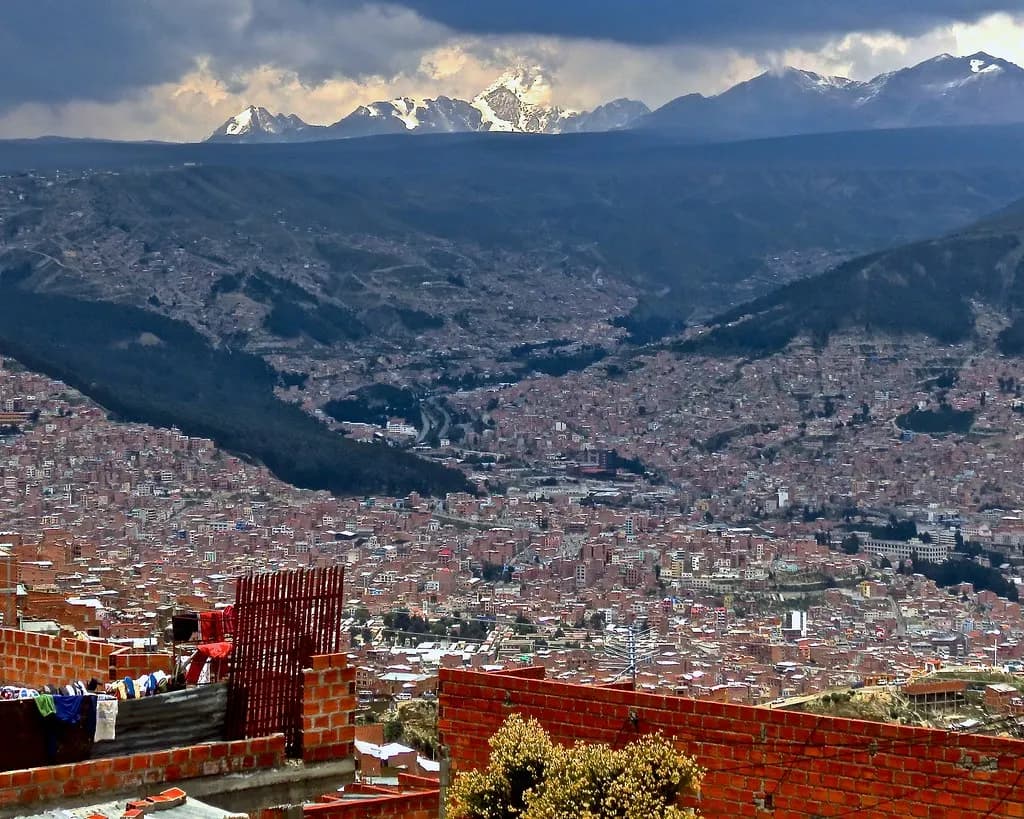
La Paz sits so high — over 3,600 meters at its lowest point — that the city built the largest urban cable car network on Earth just to move people up and down the canyon it's built into, since regular buses and roads couldn't handle the terrain.
La Paz holds the distinction of being the highest de facto capital city in the world — while Bolivia's constitutional capital is technically Sucre, La Paz functions as the seat of government and is built into a dramatic canyon at an altitude ranging from around 3,600 meters in the city center to over 4,000 meters in neighboring El Alto, home to the airport and a sprawling, largely indigenous Aymara population.
That extreme, canyon-based geography made conventional urban transit genuinely difficult — buses and roads struggle with the steep grades connecting the city center to the surrounding hillsides. The solution, Mi Teleférico, is now the largest urban cable car network in the world, with multiple color-coded lines carrying commuters across the canyon daily. For visitors, riding several lines gives some of the most striking urban aerial views available anywhere, a functioning transit system that doubles as one of the city's best attractions.
The Witches' Market (Mercado de las Brujas), in the city center, reflects La Paz's strong indigenous Aymara cultural presence — stalls sell traditional herbal remedies, ritual objects, and dried llama fetuses used in Andean offerings to Pachamama (Mother Earth), a genuinely significant cultural practice rather than a tourist curiosity, even as it draws visitor attention for its unusual visuals.
Altitude sickness is a real, common concern for visitors arriving in La Paz, particularly those flying directly into the even-higher El Alto airport — most people experience some symptoms in their first day or two, and taking arrival slowly, staying well hydrated, and trying coca tea, a traditional and widely available local remedy, helps most visitors adjust without more serious complications.
Tiwanaku, a significant pre-Inca archaeological site predating the Inca Empire by centuries, sits within a realistic day-trip distance and gives insight into one of the major civilizations that shaped the Andean region long before Cusco became the Inca capital — a worthwhile addition for visitors with an extra day, and Bolivia's genuinely low prices, among the most affordable in South America, make extending a stay an easy decision.
What a trip here actually costs
$22 / day avg.
- Hostel near the historic center
- Mi Teleférico cable car fares
- Salteña and market lunches
- Free wander through the historic center and Witches' Market
What to do at this tier
- • Witches' Market (Mercado de las Brujas), traditional Aymara herbal and ritual goods, free to browse
- • Historic center wander, including Plaza Murillo, free
- • Ride one or two Mi Teleférico cable car lines for panoramic canyon views, low fare
$55 / day avg.
- 3-star hotel near the historic center
- Multiple Mi Teleférico line rides
- Sit-down Bolivian dinners
- Guided Tiwanaku ruins day trip
What to do at this tier
- • Multiple Mi Teleférico lines across the network, the largest urban cable car system in the world
- • Day trip to Tiwanaku, a significant pre-Inca archaeological site
- • Sit-down dinner featuring Bolivian dishes like salteñas and pique macho
These are average estimates for planning purposes, not real-time prices — actual costs vary by season, availability, and how far ahead you book.
How to get there
Click anywhere on the world map — any airport works, not just our main hubs.
Click anywhere on the map above — any airport in the world works — to see estimated travel time and cost from there.
Times and prices are planning estimates, not live fares — always check a booking site before you commit. See the full Transport Comparison guide for the general tradeoffs of each mode.
Best time to visit
May-October, the dry season, brings the most stable weather; the city's high altitude keeps temperatures cool year-round regardless of season.
Safety notes
Generally safe in the main tourist areas with standard urban caution. The main practical risk is altitude sickness rather than crime — take acclimatization seriously.
Visa & currency
Bolivian boliviano (BOB). Visa requirements vary significantly by nationality — some Western passport holders require a visa obtained in advance or on arrival; worth confirming current requirements well before booking.
Questions people ask before visiting
Is La Paz worth visiting?
Yes — it's the highest de facto capital city in the world, built into a dramatic canyon that gives it a genuinely unique urban geography, with the world's largest cable car transit network, a significant indigenous Aymara cultural presence, and prices among the lowest of any capital in South America.
How bad is altitude sickness in La Paz?
It can be genuinely significant — La Paz's city center sits around 3,600-3,700 meters, and the airport, in neighboring El Alto, sits even higher at over 4,000 meters. Most visitors experience some symptoms in the first day or two; taking it slow, staying hydrated, and trying coca tea, a traditional local remedy, helps most people adjust.
What is Mi Teleférico, and is it worth riding?
Mi Teleférico is La Paz's cable car transit system, the largest urban network of its kind in the world, connecting the city center with El Alto and surrounding neighborhoods across the steep canyon terrain that conventional roads struggle with. Riding several lines gives some of the most striking urban views available anywhere, and it functions as genuine public transit, not just a tourist attraction.
Is La Paz cheap to visit?
Yes, among the most affordable capitals in South America — Bolivia remains genuinely inexpensive across food, transit, and accommodation, even as visitor numbers have grown in recent years.
How many days do you need in La Paz?
Two days covers the historic center, the Witches' Market, and a ride on several Mi Teleférico lines. A third day allows a day trip to the pre-Inca ruins of Tiwanaku or further out to the Salar de Uyuni salt flats, though the latter typically requires a separate multi-day trip.
Nearby destinations
 Cusco
CuscoCusco
Peru
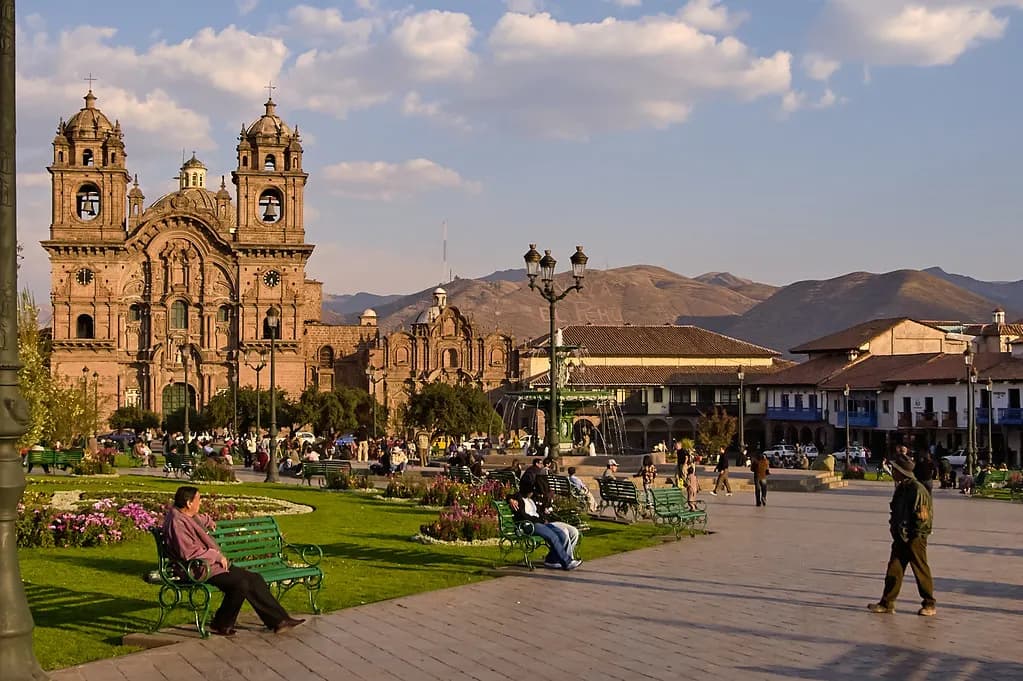
The Inca built stone walls so precisely fitted that you still can't slide a knife blade between the blocks 500 years later — and Cusco was their capital, the literal center of an empire that stretched further than the Roman Empire at its peak.
See full guide →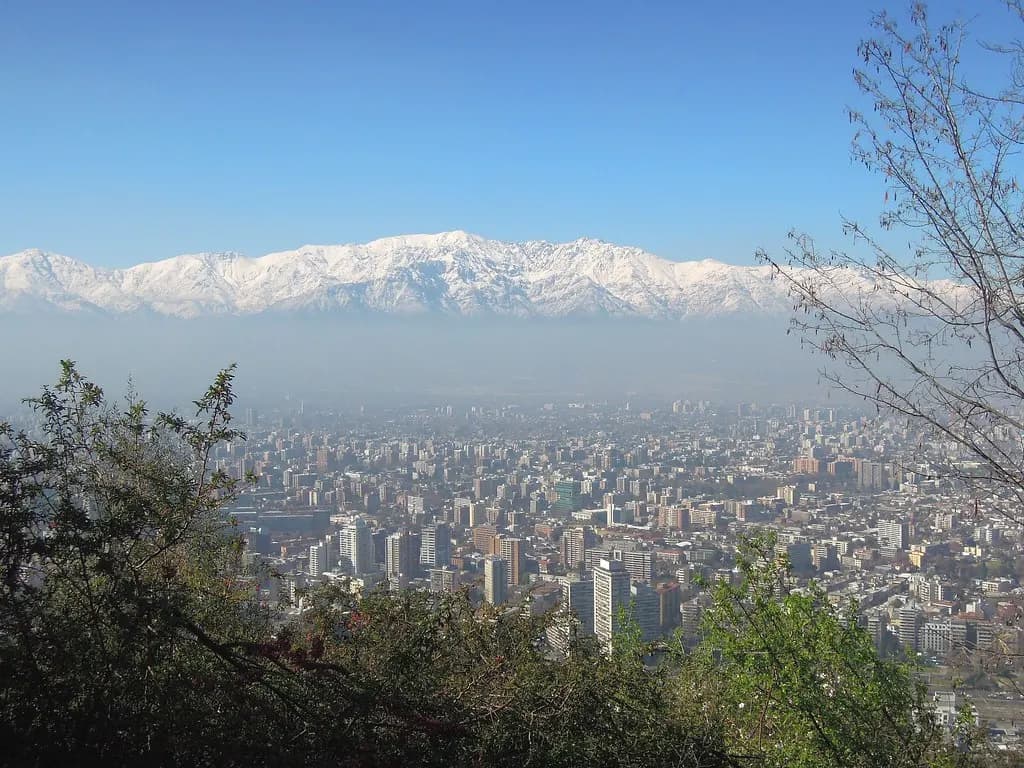 Santiago
Santiago
Chile
You can ski the Andes and be back in downtown Santiago for dinner the same day — a handful of major resorts sit less than two hours from a capital city of over 6 million people, a combination almost no other capital in the world can genuinely offer.
See full guide →Comparing more than one route? See the full transport comparison guide.