Peru · South America
Puno
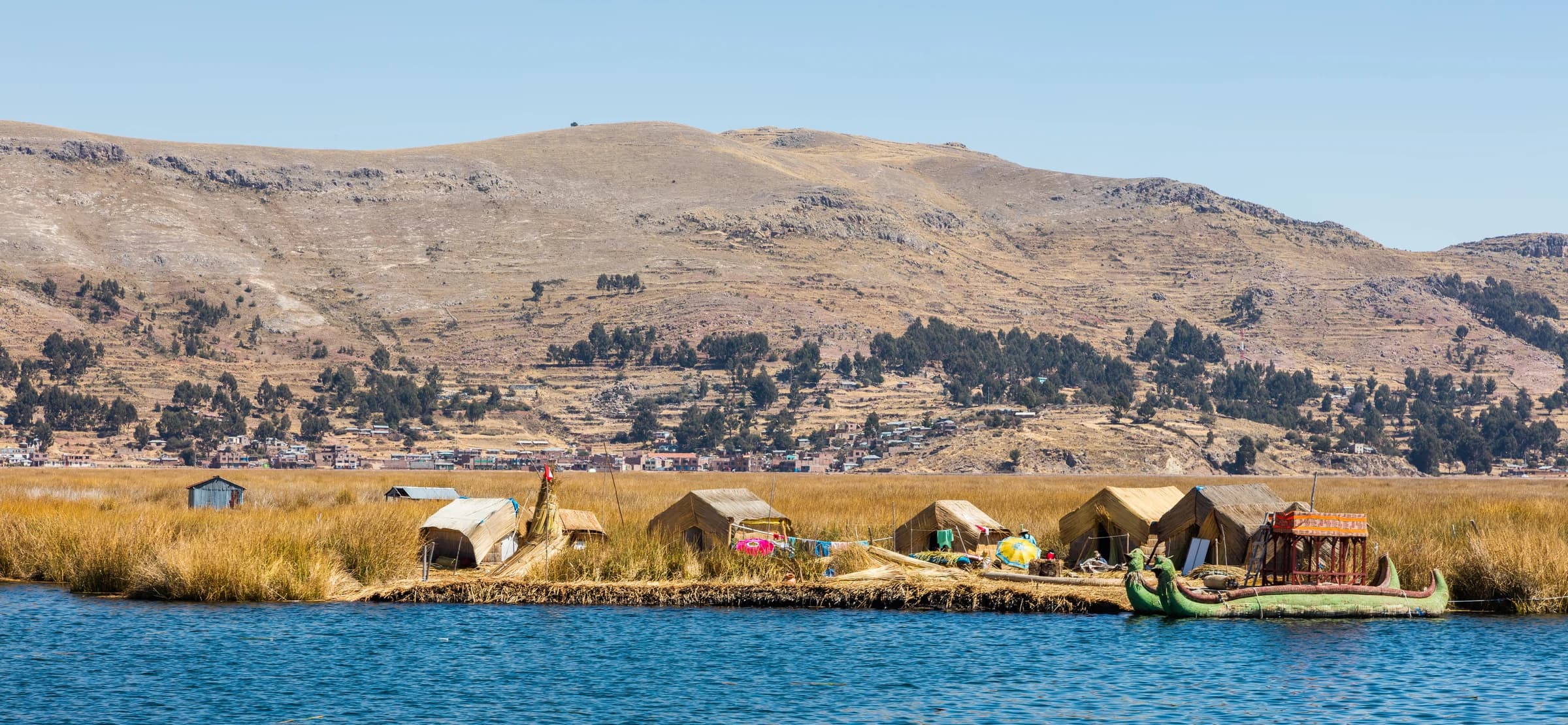
The Uros people have lived on islands in Lake Titicaca that they build entirely from layered totora reeds, floating on water over 3,800 meters above sea level — a tradition that began, according to Uros oral history, as a way to physically move their homes out of reach whenever a more powerful neighboring group threatened them.
Lake Titicaca, straddling the border between Peru and Bolivia at roughly 3,812 meters above sea level, holds the distinction of being the highest navigable lake in the world by a wide margin — an altitude high enough that most visitors feel it immediately, and one that shapes nearly everything about how the surrounding communities live.
The Uros people have adapted to that environment in a genuinely unusual way, building and living on islands made entirely from layered totora reed, a plant that grows abundantly in the lake's shallows. According to Uros oral tradition, the practice began as a defensive strategy, letting communities physically relocate their homes out of reach whenever threatened by more powerful neighboring groups — a tradition that continued long after that original defensive purpose faded, evolving into a distinct way of life maintained today largely for cultural continuity and tourism.
Maintaining a floating island is genuinely ongoing work — new reed layers are added on top as the base slowly decomposes in the water below, a process residents compare to tending a compost pile, and the same reed material builds the islands' houses, watchtowers, and even boats.
Taquile Island, further out on the lake, offers a different cultural draw: its textile tradition, particularly intricate hand-knitted items traditionally made by men rather than women, earned recognition from UNESCO as an example of intangible cultural heritage, a genuinely rare honor for a textile practice.
Each February, Puno hosts the Virgen de la Candelaria festival, one of the largest folk celebrations in South America, drawing tens of thousands of participants in elaborate costumes performing dozens of distinct traditional dances — a scale and intensity that has earned the city its nickname as Peru's folk capital.
What a trip here actually costs
$40 / day avg.
- Hostel or budget guesthouse in Puno
- Casual local meals featuring trout and quinoa dishes
- Group boat tour to the Uros floating islands
- Public transport around town
What to do at this tier
- • Uros floating islands boat tour, the standard introduction to the lake
- • Puno's main plaza and cathedral, free to walk
- • Mirador Kuntur Wasi viewpoint over the city and lake
$90 / day avg.
- 3-star hotel with lake views
- Full-day tour combining Uros Islands and Taquile Island
- Sit-down dinners
- Homestay experience on one of the lake's islands
What to do at this tier
- • Taquile Island, known for traditional hand-woven textiles recognized by UNESCO
- • Overnight homestay with a local family on one of the lake's islands
- • Sillustani pre-Inca burial towers, a short drive from Puno
$220 / day avg.
- Lakefront hotel or lodge
- Private multi-island boat tour with a dedicated guide
- Fine dining reservations
- Private cultural experience with a Uros or Taquile family
What to do at this tier
- • Private multi-day boat tour covering several of the lake's islands
- • Private cultural immersion visit with a Uros family
- • Lakefront lodge stay with private Titicaca views
These are average estimates for planning purposes, not real-time prices — actual costs vary by season, availability, and how far ahead you book.
How to get there
Click anywhere on the world map — any airport works, not just our main hubs.
Click anywhere on the map above — any airport in the world works — to see estimated travel time and cost from there.
Times and prices are planning estimates, not live fares — always check a booking site before you commit. See the full Transport Comparison guide for the general tradeoffs of each mode.
Best time to visit
May through October is the dry season, with clearer skies and easier travel conditions, though nights get genuinely cold at this altitude regardless of season.
Safety notes
Generally safe with standard precautions; altitude sickness is a real, common concern given the elevation, so pacing the first day or two and staying hydrated matters more than typical safety advice.
Visa & currency
Peruvian sol (PEN). Most Western passport holders can enter Peru visa-free for tourist stays — worth confirming current requirements before booking.
Questions people ask before visiting
How are the Uros floating islands actually built?
Layers of totora reed, a plant native to the lake's shallows, are stacked and bound together, with new layers added on top as the bottom decomposes, similar to maintaining a compost pile. The islands, along with the reed houses and even boats built on them, require ongoing maintenance and can last for decades with regular care.
How high is Lake Titicaca?
Roughly 3,812 meters above sea level, making it the highest navigable lake in the world by a significant margin. The altitude affects visitors noticeably, so arriving with some acclimatization from Cusco or another high-altitude stop first is worth planning for.
Puno or Copacabana, Bolivia — which side of Lake Titicaca should I visit?
Puno, on the Peruvian side, is the main gateway to the Uros floating islands and Taquile Island, with more developed tourism infrastructure. Copacabana, across the border in Bolivia, offers access to Isla del Sol, considered sacred in Inca mythology as the birthplace of the sun. Many longer itineraries combine both sides via a border crossing.
Why is Puno called the Folk Capital of Peru?
The city hosts the Virgen de la Candelaria festival each February, one of the largest and most elaborate folk festivals in South America, drawing tens of thousands of dancers and musicians in elaborate costumes representing dozens of traditional dance forms from the region.
Nearby destinations
 Cusco
CuscoCusco
Peru
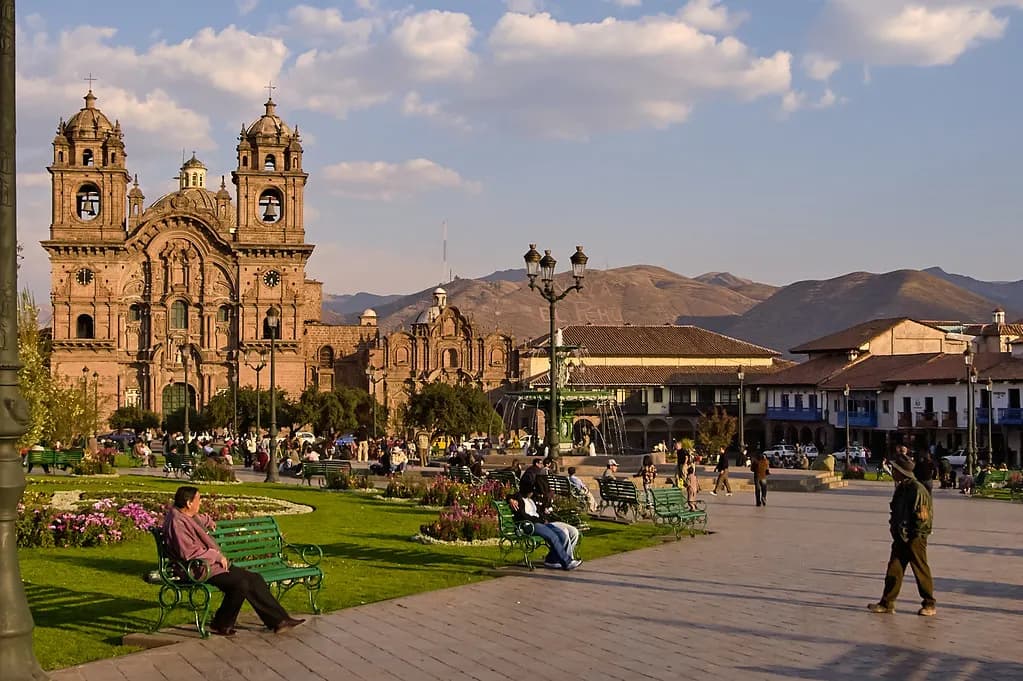
The Inca built stone walls so precisely fitted that you still can't slide a knife blade between the blocks 500 years later — and Cusco was their capital, the literal center of an empire that stretched further than the Roman Empire at its peak.
See full guide →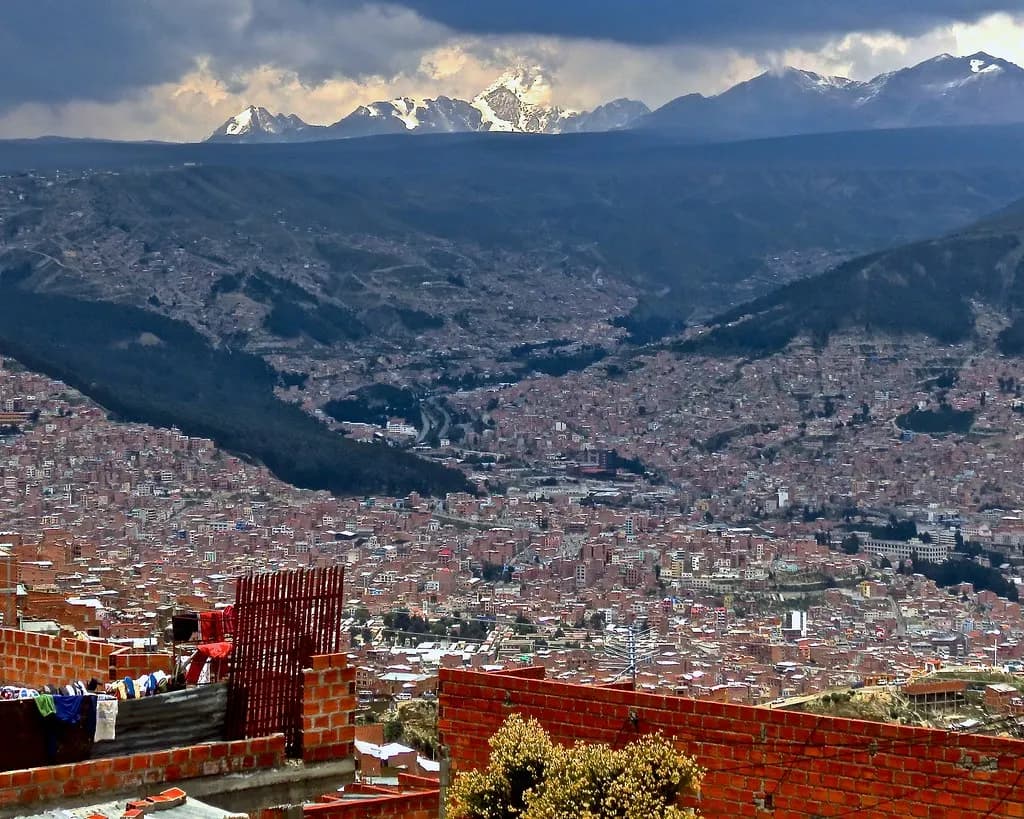 La Paz
La Paz
Bolivia
La Paz sits so high — over 3,600 meters at its lowest point — that the city built the largest urban cable car network on Earth just to move people up and down the canyon it's built into, since regular buses and roads couldn't handle the terrain.
See full guide →Comparing more than one route? See the full transport comparison guide.