Brazil · South America
Brasília
Brasília didn't grow into a capital — it was designed as one, from scratch, in the shape of an airplane, and built in under four years in the middle of an empty plateau specifically to force development into Brazil's neglected interior.
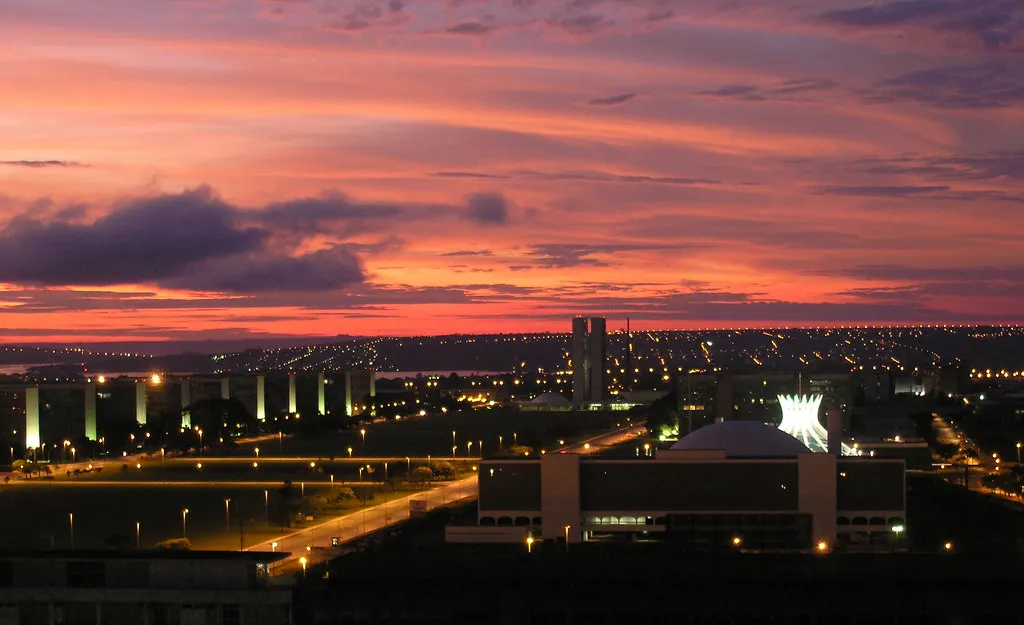
Brasília is one of the only major cities in the world built entirely from scratch according to a single, unified plan rather than growing organically over centuries. Brazil's government commissioned its construction specifically to shift national development away from the crowded coast and into the country's underdeveloped interior, and the city rose from an empty plateau between 1956 and 1960 under President Juscelino Kubitschek — an extraordinarily fast timeline that became a point of national pride in itself.
Urban planner Lúcio Costa laid out the city's overall form, often described as resembling an airplane or a bow, with a long Monumental Axis running through government and monumental buildings, while architect Oscar Niemeyer designed the individual structures in his signature curved, futuristic modernist style — a cohesive architectural vision rare for any city, let alone one built this quickly.
The Cathedral of Brasília, one of Niemeyer's most striking designs, uses a hyperboloid structure of concrete columns supporting stained glass, with the entire main worship space sitting below ground level, accessed through a dark entrance tunnel that opens dramatically into the light-filled interior above.
UNESCO listed Brasília's city center as a World Heritage Site in 1987, an unusually early recognition for a 20th-century city and a reflection of how significant the international architecture community considered Niemeyer and Costa's achievement — few other modern planned capitals have received the same level of formal heritage recognition.
Brasília functions differently from Brazil's other major cities — it's a genuinely planned, spread-out administrative capital rather than an organic urban center, which means most visitors treat it as a shorter, architecture-focused stop rather than a base for a longer stay, best explored with a car or taxi given the significant distances between its major sites.
What a trip here actually costs
$35 / day avg.
- Hostel near the center
- Local bus fares
- Casual Brazilian lunches
- Free exterior viewing of the main government buildings
What to do at this tier
- • Exterior viewing of the National Congress, Palácio do Planalto, and other Niemeyer buildings, free
- • Cathedral of Brasília exterior, a striking hyperboloid structure, free
- • Monumental Axis wander, the city's central urban design spine, free
$80 / day avg.
- 3-star hotel near the Monumental Axis
- National Congress guided tour
- Sit-down Brazilian dinners
- Cathedral of Brasília entry
What to do at this tier
- • National Congress guided tour, including its distinctive dome and bowl-shaped chambers
- • Cathedral of Brasília interior, with its dramatic stained-glass ceiling
- • JK Memorial, dedicated to the president who commissioned the city's construction
$180 / day avg.
- 4-5 star hotel near the center
- Private guided Niemeyer architecture tour
- Multi-course dinner at a well-regarded restaurant
- Private access tour of government buildings not normally open to the public
What to do at this tier
- • Private guided architecture tour covering Niemeyer's full body of work across the city
- • Private access tour of government buildings with advance arrangement
- • Multi-course dinner at a well-regarded Brasília restaurant
These are average estimates for planning purposes, not real-time prices — actual costs vary by season, availability, and how far ahead you book.
How to get there
Click anywhere on the world map — any airport works, not just our main hubs.
Click anywhere on the map above — any airport in the world works — to see estimated travel time and cost from there.
Times and prices are planning estimates, not live fares — always check a booking site before you commit. See the full Transport Comparison guide for the general tradeoffs of each mode.
Best time to visit
May-September, the dry season, brings the most comfortable weather for walking the spread-out Monumental Axis.
Safety notes
Generally safe in the central planned areas with standard urban caution.
Visa & currency
Brazilian real (BRL). Visa requirements vary significantly by nationality; many Western passport holders can enter visa-free for short stays, but it's worth confirming current requirements well before booking.
Questions people ask before visiting
Is Brasília worth visiting?
Yes, particularly for architecture and design enthusiasts — it's one of the only cities in the world built entirely from scratch according to a single unified plan, and its collection of Oscar Niemeyer-designed modernist government buildings is unlike anything found elsewhere in Brazil or South America.
Why was Brasília built?
Brazil's government moved its capital from Rio de Janeiro to a newly constructed city inland specifically to encourage development away from the coast and into the country's underdeveloped interior. Construction ran from 1956 to 1960 under President Juscelino Kubitschek, an extraordinarily fast timeline for building an entire functioning capital city.
What makes Brasília's architecture significant?
The city was designed by urban planner Lúcio Costa and architect Oscar Niemeyer as a cohesive modernist vision, laid out in the shape of an airplane or bow, with government buildings, cathedrals, and monuments all following Niemeyer's signature curved, futuristic style. UNESCO listed the entire city center as a World Heritage Site in 1987, unusually early for a 20th-century city.
How many days do you need in Brasília?
One to two days covers the main government and monumental buildings comfortably — the Cathedral, the National Congress, and the Palácio da Alvorada. Brasília works well as a shorter, architecture-focused stop rather than a longer stay.
Nearby destinations
 Rio de Janeiro
Rio de Janeiro
Brazil
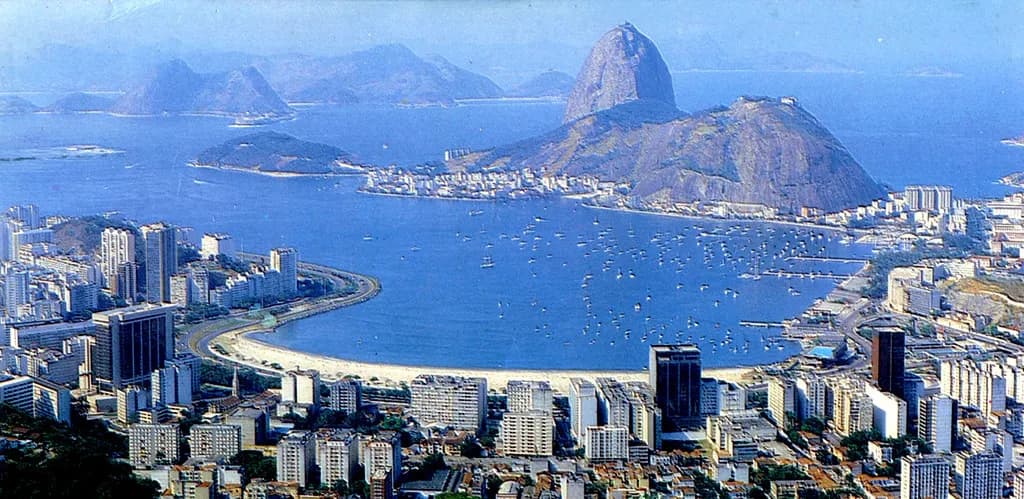
Christ the Redeemer took nine years to build and stands on a mountain that's part of a national park inside city limits — Rio has more urban rainforest within its borders than almost any other major city on Earth.
See full guide →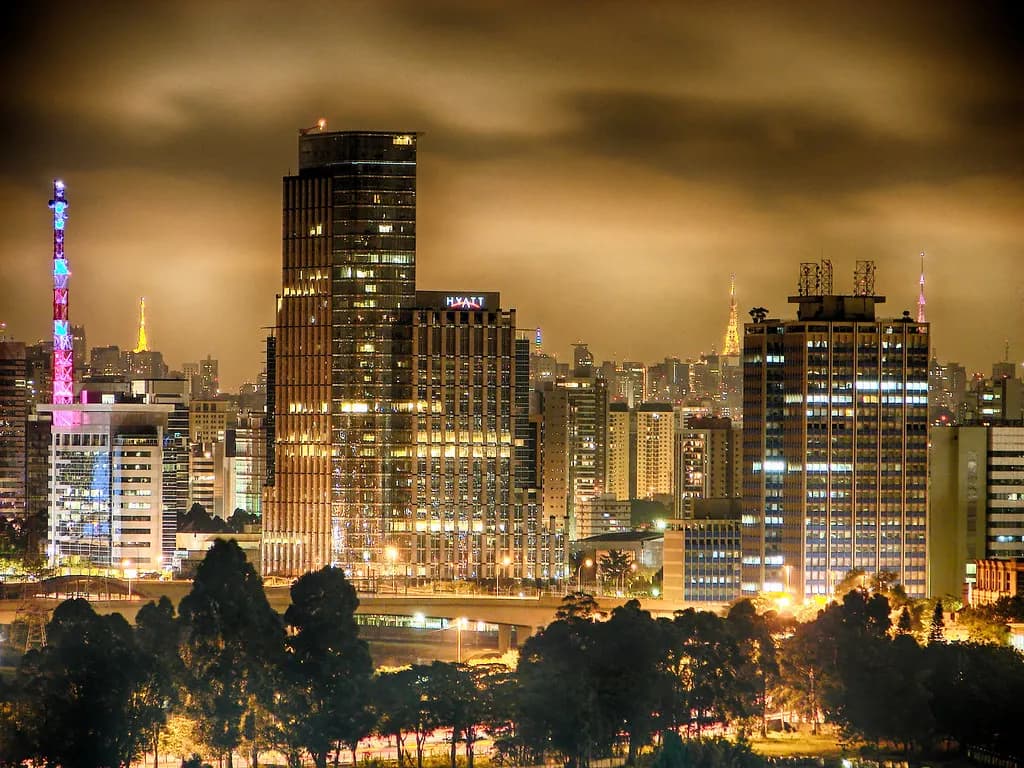 São Paulo
São Paulo
Brazil
São Paulo has more Michelin-starred restaurants and a bigger Japanese population than any city outside Japan itself — a metropolis of over 12 million people that barely registers on most first-time South America itineraries.
See full guide →Comparing more than one route? See the full transport comparison guide.