Argentina · South America
Salta
A museum in Salta displays three Inca child mummies found frozen near the summit of a 6,700-meter volcano, preserved so completely by the extreme cold and dryness that researchers can study their organs, stomach contents, and even the textiles they were buried in — a genuinely rare, unsettling window into a 500-year-old sacrifice ritual.
Salta's Museum of High Altitude Archaeology holds one of the more genuinely striking archaeological finds in South America — three Inca children, mummified by the extreme cold and dryness near the 6,700-meter summit of Llullaillaco volcano, discovered in 1999 as part of a capacocha ceremony, an Inca ritual sacrifice tied to significant events like a ruler's death or a natural disaster. The preservation is exceptional enough that researchers have studied the children's organs, last meals, and the intricately woven textiles they were buried in.
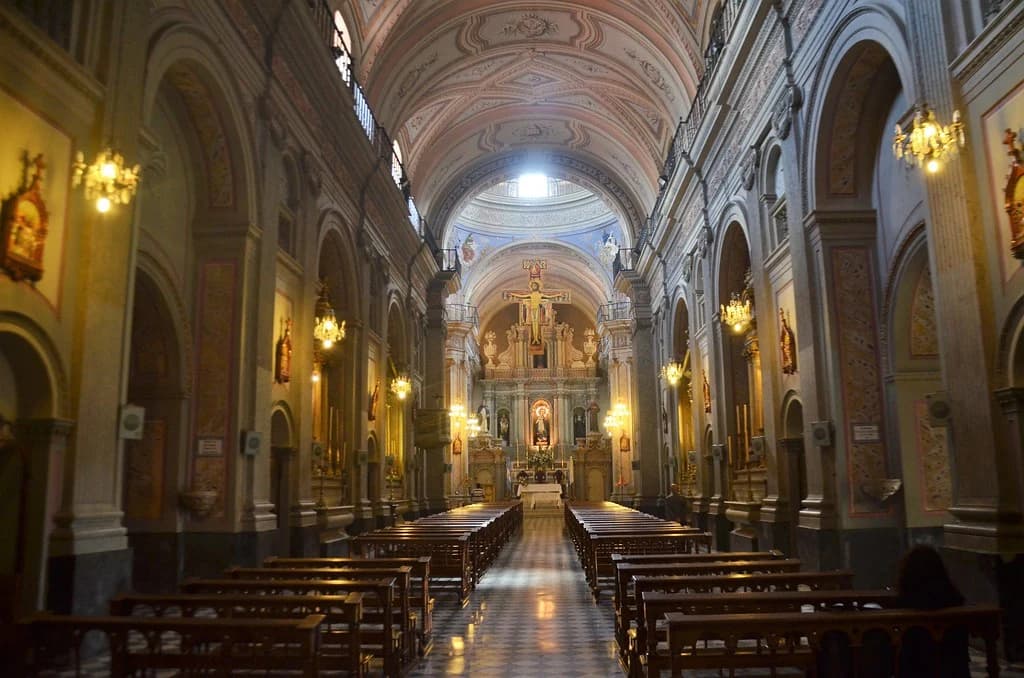
The city itself, nicknamed Salta la Linda (Salta the Pretty), preserves one of Argentina's best-kept colonial centers, its whitewashed churches and plazas surviving in a way that many other Argentine cities lost to later development.
North of the city, the Quebrada de Humahuaca cuts a dramatic path through the Andes, its rock walls striped in reds, greens, and yellows from mineral deposits laid down over millions of years. The town of Purmamarca, sitting beneath the most famous of these formations, the Cerro de los Siete Colores, draws day-trippers from Salta specifically for the view.
The Train to the Clouds, built in the early 20th century to link Argentina with Chile across the Andes, climbs to over 4,200 meters at its highest point, crossing a dramatic curved viaduct along the way — one of the highest railways in the world, and still run today primarily as a scenic tourist excursion rather than functional cross-border transport.
South of Salta, the high-altitude vineyards around Cafayate produce Torrontés, a white wine grape that thrives at elevations most vines can't tolerate, giving the region a genuine wine-tourism identity distinct from Argentina's better-known Mendoza wine country further south.
What a trip here actually costs
$40 / day avg.
- Hostel or budget guesthouse in the city center
- Empanadas and casual local food
- Walking the colonial center, free
- MAAM museum entry
What to do at this tier
- • Salta's colonial center and main plaza, free to walk
- • Museum of High Altitude Archaeology (MAAM), a paid but affordable entry
- • San Bernardo Hill cable car for a city viewpoint
$100 / day avg.
- 3-star hotel downtown
- Train to the Clouds excursion
- Sit-down dinners featuring regional Andean cuisine
- Day trip to Quebrada de Humahuaca
What to do at this tier
- • Train to the Clouds scenic railway into the Andes
- • Day trip to Purmamarca and the Cerro de los Siete Colores
- • Regional Andean dinner featuring llama and tamales
$250 / day avg.
- Boutique hotel in a restored colonial building
- Private guided tour of Quebrada de Humahuaca and Purmamarca
- Wine tasting in the nearby Cafayate vineyards
- Fine dining reservations
What to do at this tier
- • Private guided tour of the full Quebrada de Humahuaca valley
- • Wine tasting trip to the high-altitude vineyards around Cafayate
- • Private access visit to see the MAAM mummies with a specialist guide
These are average estimates for planning purposes, not real-time prices — actual costs vary by season, availability, and how far ahead you book.
How to get there
Click anywhere on the world map — any airport works, not just our main hubs.
Click anywhere on the map above — any airport in the world works — to see estimated travel time and cost from there.
Times and prices are planning estimates, not live fares — always check a booking site before you commit. See the full Transport Comparison guide for the general tradeoffs of each mode.
Best time to visit
April through October brings dry, mild weather well suited to sightseeing and day trips into the surrounding mountains. Summers (December-February) bring more rain and higher humidity.
Safety notes
Very safe with low crime; standard precautions apply in the city center, and altitude can affect visitors on excursions to Quebrada de Humahuaca or the Train to the Clouds given the elevations involved.
Visa & currency
Argentine peso (ARS). Most Western passport holders can enter Argentina visa-free for tourist stays — worth confirming current requirements before booking.
Questions people ask before visiting
What is the Museum of High Altitude Archaeology in Salta?
A museum, known locally as MAAM, housing the remarkably preserved mummified remains of three Inca children found near the summit of Llullaillaco volcano in 1999, part of an Inca child sacrifice ritual called capacocha. The extreme cold and dryness at that altitude preserved the bodies, clothing, and burial offerings in genuinely exceptional condition.
What is the Train to the Clouds?
Tren a las Nubes, a scenic railway climbing into the Andes from Salta, reaching over 4,200 meters at its highest point and crossing a dramatic curved viaduct. It's one of the highest railways in the world, built originally in the early 20th century to connect Argentina with Chile.
What is the Quebrada de Humahuaca?
A UNESCO-listed mountain valley north of Salta known for dramatically striped, multicolored rock formations, most famously the Cerro de los Siete Colores (Hill of Seven Colors) above the town of Purmamarca. It's a common day trip or overnight excursion from Salta.
Is Salta worth visiting?
Yes, particularly for well-preserved colonial architecture, genuinely significant Inca archaeology, and access to dramatic high-Andean landscapes, all with noticeably fewer crowds than Argentina's more heavily touristed regions like Patagonia or Buenos Aires.
Nearby destinations
 Buenos Aires
Buenos Aires
Argentina
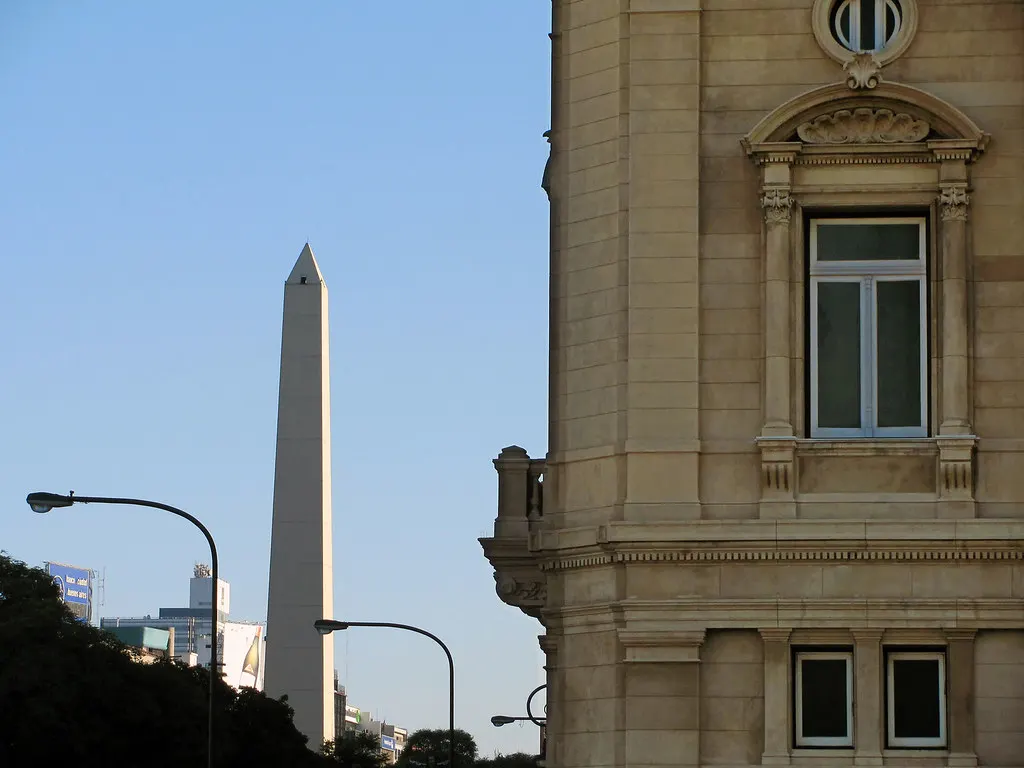
Argentines eat more beef per person than almost any nation on Earth, dance a tango that started in the city's brothels and dockside bars in the 1880s, and built a capital so deliberately modeled on Paris that locals still call it "the Paris of South America."
See full guide →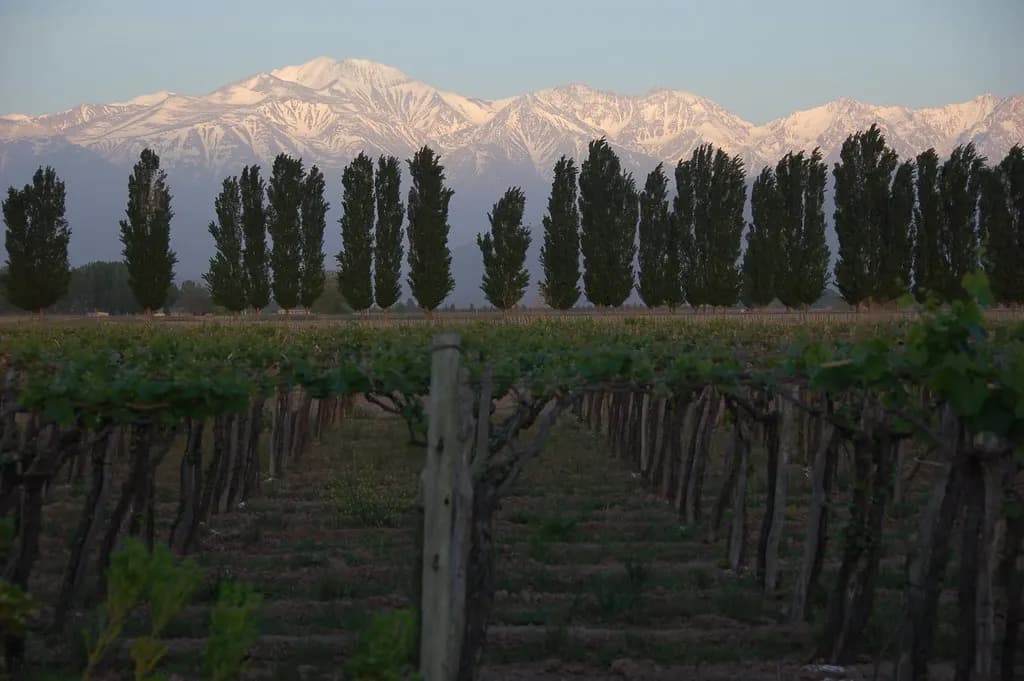 Mendoza
Mendoza
Argentina
Argentina's driest wine region produces some of its best wine — Mendoza sits in a literal desert, and every vineyard here survives on a 600-year-old irrigation system originally engineered by the indigenous Huarpe people, still carrying snowmelt down from the Andes today.
See full guide →Comparing more than one route? See the full transport comparison guide.