Chile · South America
Valparaíso
Valparaíso's steep hills got so impossible to climb on foot that the city built over a dozen antique funicular elevators starting in the 1880s — several are still running today, more than any other city in the world, hauling residents past walls covered in some of the best street art in South America.
Valparaíso's geography — a flat port squeezed against a wall of steep hills — made the city genuinely difficult to navigate on foot as it grew through the 19th century, and the solution was a network of ascensores, wooden funicular elevators built starting in the 1880s to haul residents between the port and the residential neighborhoods above. At their peak, dozens operated across the city; around a dozen still run today, more surviving historic funiculars than any other city in the world, and several remain genuine daily transit for residents rather than tourist novelties.
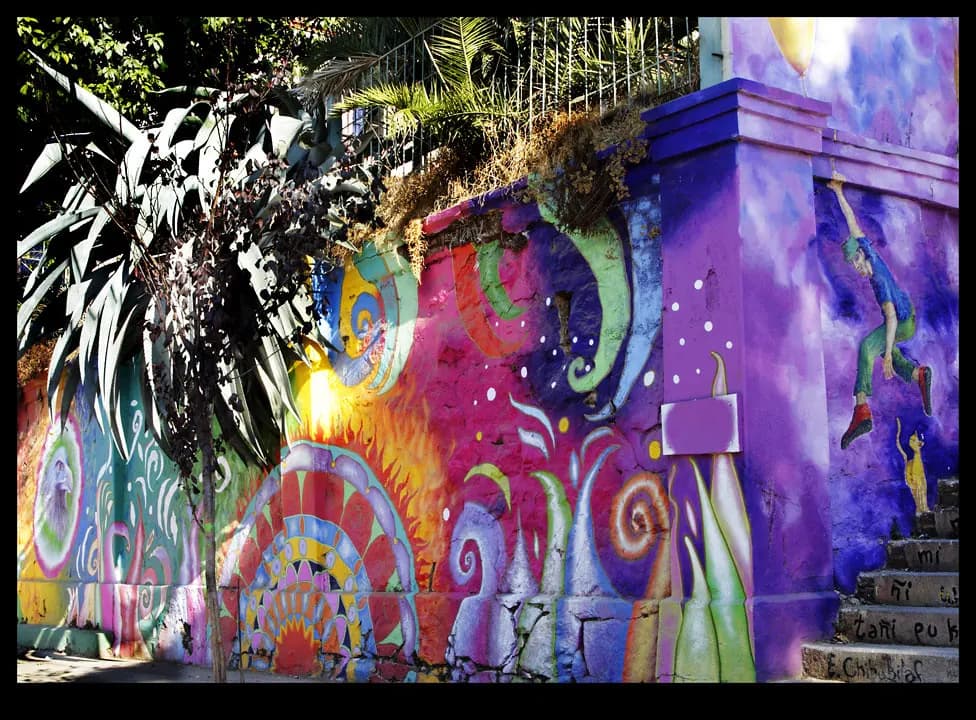
Cerro Alegre and Cerro Concepción, two of the most visited hills, hold the highest concentration of Valparaíso's dense, constantly evolving street art scene — building facades, staircases, and even utility boxes covered in murals ranging from political commentary to pure abstract color, dense enough that UNESCO specifically cited the city's unique urban and artistic character when listing its historic quarter as a World Heritage Site in 2003.
Pablo Neruda, Chile's Nobel Prize-winning poet, kept a house in Valparaíso called La Sebastiana, one of his three Chilean residences, chosen specifically for its sweeping views over the port and hills — visitors can tour the house today, preserved with much of Neruda's original eclectic collection of maritime and folk art objects intact.
The port itself, once one of the most important stops on Pacific shipping routes before the Panama Canal's 1914 opening redirected traffic away from the long journey around South America's southern tip, gives Valparaíso a genuine maritime history distinct from Chile's more inland, mountain-focused identity elsewhere in the country.
The city's steep, maze-like streets and famously chaotic-feeling layout — a deliberate contrast to Santiago's more orderly grid — reward slow, unplanned wandering more than a checklist itinerary, and most visitors who spend real time in the hills come away describing Valparaíso as one of the more genuinely surprising cities in South America.
What a trip here actually costs
$30 / day avg.
- Guesthouse on Cerro Alegre or Cerro Concepción
- Funicular fares
- Casual Chilean lunches
- Free wander through the street art hills
What to do at this tier
- • Cerro Alegre and Cerro Concepción street art wander, free
- • Ride one or more of the historic ascensores (funiculars), low fare
- • Port area and Plaza Sotomayor, free
$75 / day avg.
- 3-star hotel with harbor views
- La Sebastiana (Neruda's house) entry
- Sit-down Chilean seafood dinners
- Guided street art walking tour
What to do at this tier
- • La Sebastiana, one of Pablo Neruda's three Chilean homes, now a museum with sweeping harbor views
- • Guided street art tour, adding context to the murals and the artists behind them
- • Sit-down dinner featuring fresh Pacific seafood, a genuine Valparaíso strength
$180 / day avg.
- 4-5 star hotel with panoramic port views
- Private guided history and street art tour
- Multi-course seafood tasting menu
- Private day trip combining Valparaíso and Viña del Mar
What to do at this tier
- • Private guided tour covering the city's maritime history, funiculars, and street art evolution
- • Private day trip combining Valparaíso's hills with Viña del Mar's beaches, a short distance away
- • Multi-course seafood tasting menu at a well-regarded Valparaíso restaurant
These are average estimates for planning purposes, not real-time prices — actual costs vary by season, availability, and how far ahead you book.
How to get there
Click anywhere on the world map — any airport works, not just our main hubs.
Click anywhere on the map above — any airport in the world works — to see estimated travel time and cost from there.
Times and prices are planning estimates, not live fares — always check a booking site before you commit. See the full Transport Comparison guide for the general tradeoffs of each mode.
Best time to visit
September-April brings the mildest, driest weather for exploring the steep hillside streets comfortably.
Safety notes
Generally safe in the main visitor hills during the day; use standard caution and stick to well-trafficked areas after dark, or join a guided evening walk.
Visa & currency
Chilean peso (CLP). Visa requirements vary by nationality; many Western passport holders can enter visa-free for short stays, worth confirming before booking.
Questions people ask before visiting
Is Valparaíso worth visiting?
Yes — its steep, colorful hillside neighborhoods, UNESCO-listed historic port, dense street art scene, and antique funicular elevators give it a genuinely distinct character, unlike any other Chilean city and unlike most port cities anywhere in South America.
What are Valparaíso's funiculars, and are they worth riding?
Ascensores, wooden funicular elevators built starting in the 1880s to connect the flat port area with the steep residential hills above, were once numerous enough to define daily commuting in the city. Around a dozen still operate today, each with its own character, and riding one is both a practical way to see the hills and a genuine piece of living history.
Is Valparaíso safe?
Generally safe in the main tourist hills (Cerro Alegre, Cerro Concepción) during the day with standard urban caution; some areas of the port and outer hills warrant more care, particularly after dark, so sticking to well-trafficked areas or joining a guided walk is sensible.
Is Valparaíso a good day trip from Santiago?
Yes, roughly 1.5 hours away by bus, making it entirely realistic as a day trip, though an overnight stay allows more time to properly explore the steep, maze-like hill neighborhoods without rushing.
How many days do you need in Valparaíso?
One full day covers Cerro Alegre and Cerro Concepción's street art and funiculars comfortably. A second day allows a slower pace through the port area and poet Pablo Neruda's La Sebastiana house, or a side trip to nearby beach town Viña del Mar.
Nearby destinations
 Santiago
Santiago
Chile
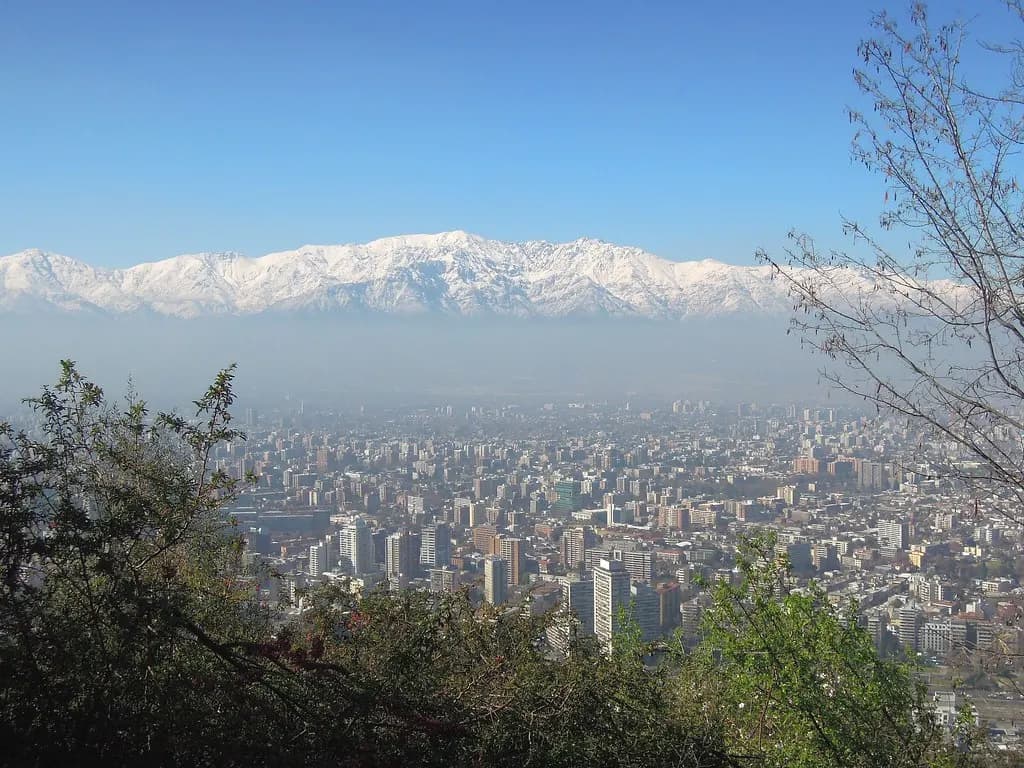
You can ski the Andes and be back in downtown Santiago for dinner the same day — a handful of major resorts sit less than two hours from a capital city of over 6 million people, a combination almost no other capital in the world can genuinely offer.
See full guide →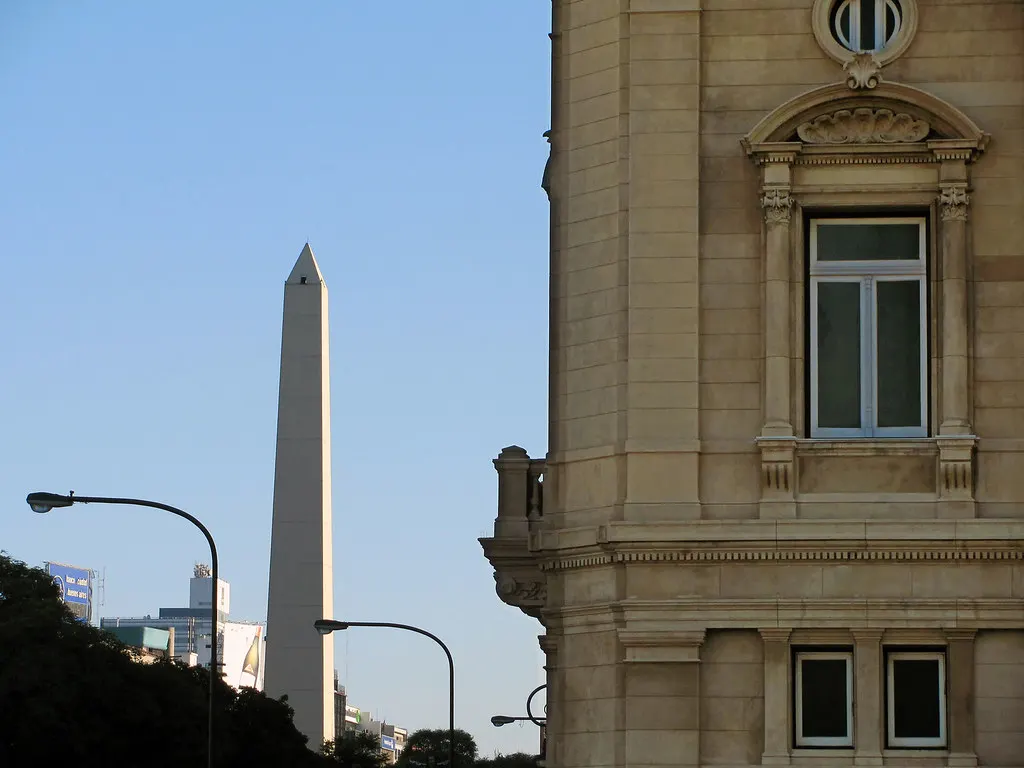 Buenos Aires
Buenos Aires
Argentina
Argentines eat more beef per person than almost any nation on Earth, dance a tango that started in the city's brothels and dockside bars in the 1880s, and built a capital so deliberately modeled on Paris that locals still call it "the Paris of South America."
See full guide →Comparing more than one route? See the full transport comparison guide.