Colombia · South America
Medellín
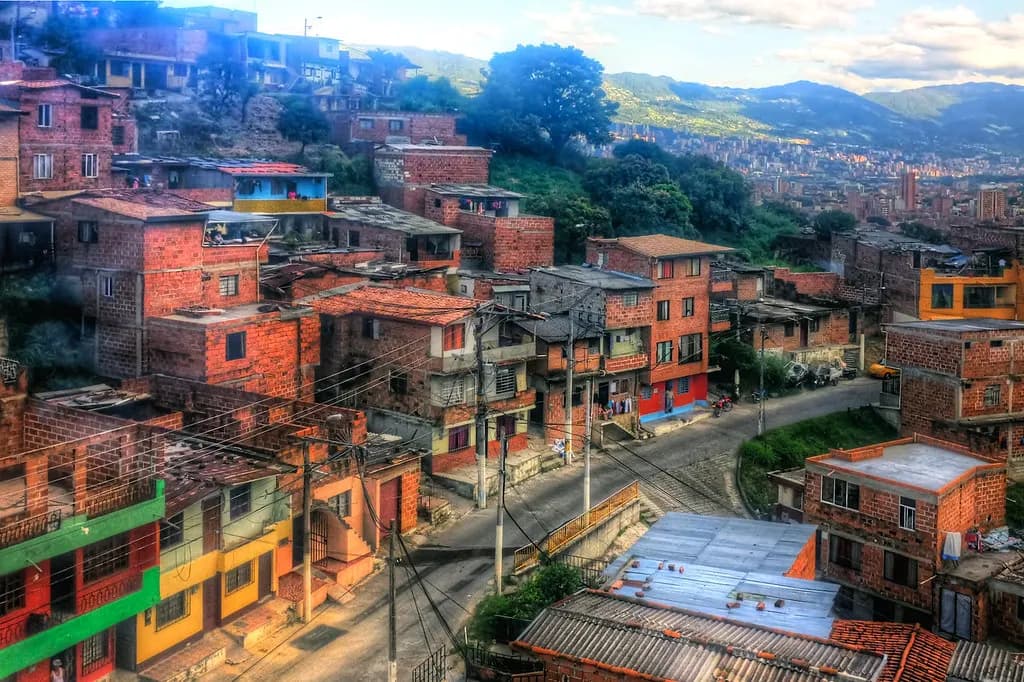
Medellín was once ranked the most dangerous city on Earth in the early 1990s — now it runs a cable car system built specifically to connect its poorest hillside neighborhoods to the city center, a transportation-as-social-policy project so effective that urban planners now study it worldwide.
Medellín's transformation ranks among the most dramatic of any major city in the world. In the early 1990s, at the height of Pablo Escobar's Medellín Cartel and the violence surrounding it, the city held the grim distinction of the highest homicide rate on Earth. Three decades of deliberate investment in public infrastructure, education, and social programs — rather than purely security crackdowns — have turned it into one of Latin America's most visited and livable cities, a case study now studied by urban planners internationally.
Comuna 13 sits at the center of that transformation story. Once one of the city's most dangerous neighborhoods, cut off from the urban center by its steep hillside terrain and controlled by armed groups, it's now connected by a series of outdoor public escalators — installed specifically to improve mobility and opportunity for residents — and covered in murals telling the neighborhood's history, from its violent past through to its ongoing recovery through art, music, and community-led tourism.
The Metrocable, an aerial cable car system integrated directly into Medellín's public transit network, was built for the same underlying purpose: connecting poorer hillside barrios that buses and roads couldn't easily reach to the city center below, turning a daily commute that once took hours into a 15-20 minute ride and giving residents genuine access to jobs and services previously out of reach. Riding it as a visitor doubles as one of the best low-cost panoramic views of the city.
Medellín's climate has earned it the nickname "the city of eternal spring" — sitting in a valley at a moderate altitude gives it remarkably consistent, mild temperatures year-round, without the strong seasonal swings found in most of the rest of Colombia or the wider region.
El Poblado, the city's most upscale and internationally oriented neighborhood, has developed into a significant hub for digital nomads and longer-stay visitors, drawn by the mild climate, relatively low cost of living, and a genuinely strong restaurant and nightlife scene that reflects Medellín's broader reinvention.
What a trip here actually costs
$30 / day avg.
- Hostel in El Poblado or Laureles
- Metro and cable car fares
- Casual Colombian lunches
- Comuna 13 self-guided walk
What to do at this tier
- • Comuna 13 self-guided walk, including the public escalators and street art, free
- • Metro cable car (Metrocable) ride, part of the public transit system, low fare
- • El Poblado and Laureles neighborhood wander, free
$70 / day avg.
- 3-star hotel in El Poblado
- Guided Comuna 13 street art tour
- Sit-down Colombian dinners
- Metro cable car ride over the city
What to do at this tier
- • Guided Comuna 13 tour, adding essential context to the neighborhood's history and transformation
- • Botanical Garden (Jardín Botánico), free entry, guided options available
- • Sit-down dinner featuring bandeja paisa, a hearty regional Colombian dish
$170 / day avg.
- 4-5 star hotel in El Poblado
- Private guided city transformation and history tour
- Multi-course tasting menu
- Private day trip to Guatapé
What to do at this tier
- • Private guided tour connecting Medellín's violent history with its social-transformation projects
- • Private day trip to Guatapé, including the climb up El Peñón de Guatapé rock
- • Multi-course tasting menu at a well-regarded Medellín restaurant
These are average estimates for planning purposes, not real-time prices — actual costs vary by season, availability, and how far ahead you book.
How to get there
Click anywhere on the world map — any airport works, not just our main hubs.
Click anywhere on the map above — any airport in the world works — to see estimated travel time and cost from there.
Times and prices are planning estimates, not live fares — always check a booking site before you commit. See the full Transport Comparison guide for the general tradeoffs of each mode.
Best time to visit
December-March is generally driest, though Medellín's mild, spring-like climate makes it a genuinely comfortable year-round destination.
Safety notes
Generally safe in the main visitor areas with standard urban caution; Comuna 13 is best visited with a guide for context and safety alike.
Visa & currency
Colombian peso (COP). Visa requirements vary by nationality; many Western passport holders can enter visa-free for short stays, worth confirming before booking.
Questions people ask before visiting
Is Medellín safe to visit now?
Yes, for the overwhelming majority of visitors sticking to El Poblado, Laureles, and guided Comuna 13 tours — the city has undergone one of the most dramatic urban transformations of any major city in the world since its early-1990s peak as the most dangerous city on Earth, and standard urban caution is enough for most trips today.
What is Comuna 13, and is it worth visiting?
Comuna 13 was once one of Medellín's most violent neighborhoods, controlled by armed groups and cut off from the rest of the city. Public escalators and murals installed as part of the city's broader social transformation have turned it into a genuinely powerful, guide-led destination showing both the neighborhood's painful history and its remarkable recovery through street art and community tourism.
What is Medellín's 'eternal spring' climate?
Medellín sits at a moderate altitude in a valley that gives it consistently mild, spring-like temperatures year-round, roughly 17-28°C (63-82°F) with minimal seasonal variation — a genuine local nickname ("la ciudad de la eterna primavera") rather than just marketing.
Is Medellín worth visiting?
Yes — beyond the safety transformation story itself, Medellín has genuinely good food, a lively nightlife and digital nomad scene in El Poblado, and the Comuna 13 cable car and escalator system offers a uniquely powerful urban history lesson few other cities can match.
How many days do you need in Medellín?
Two days covers Comuna 13, the metro cable car system, and El Poblado. A third day allows Botanical Garden, the Pablo Escobar-related history sites (approached thoughtfully), or a day trip to nearby Guatapé.
Nearby destinations
 Cartagena
Cartagena
Colombia
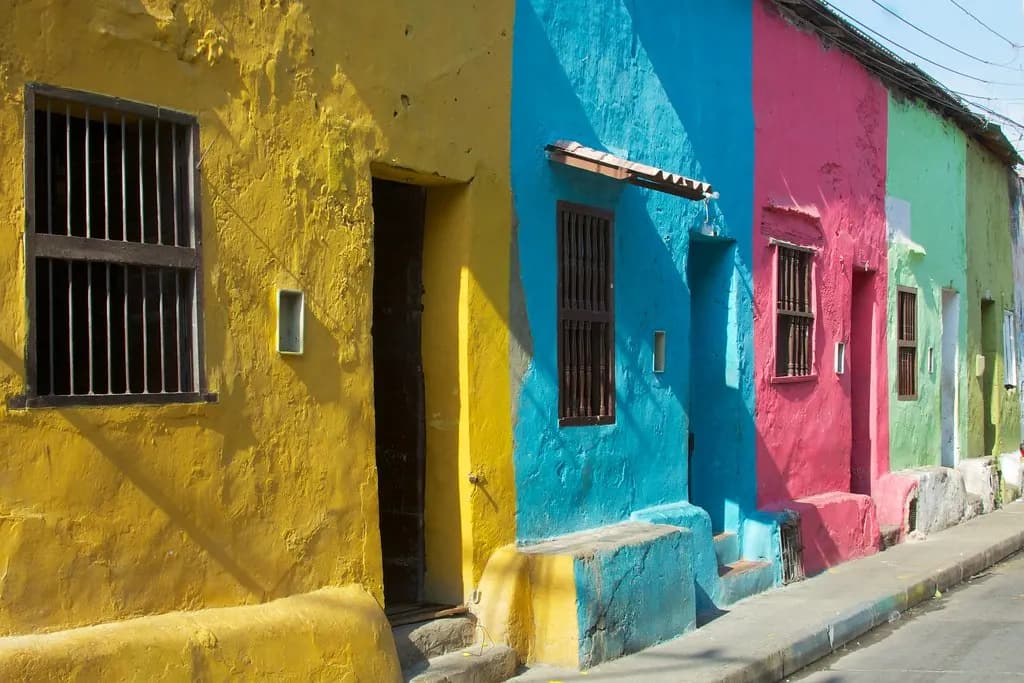
Spain spent over 200 years building walls around Cartagena to keep pirates and English privateers out, including Francis Drake himself — the fortifications worked well enough that they're still almost entirely intact, wrapping a genuinely lived-in colonial city rather than a museum piece.
See full guide →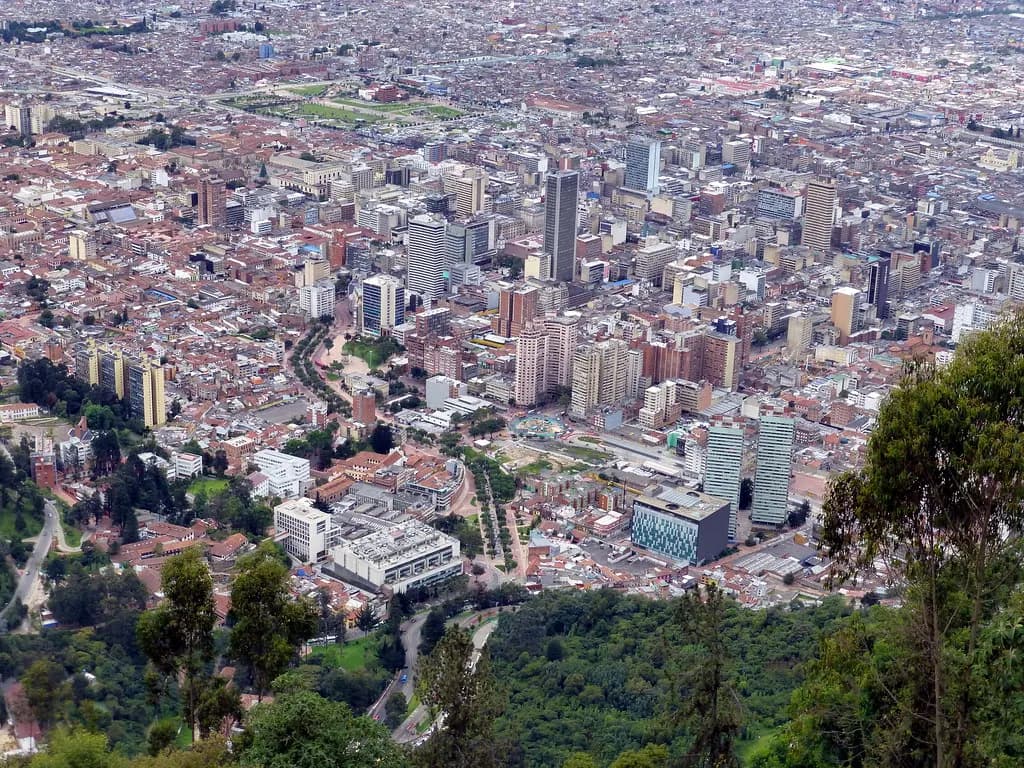 Bogotá
Bogotá
Colombia
Bogotá sits so high in the Andes — over 2,600 meters — that visitors regularly get winded walking uphill on their first day, and the city has responded by closing over 120 kilometers of its main roads to cars every Sunday morning for a citywide bike event that's been running since 1974.
See full guide →Comparing more than one route? See the full transport comparison guide.