Paraguay · South America
Asunción
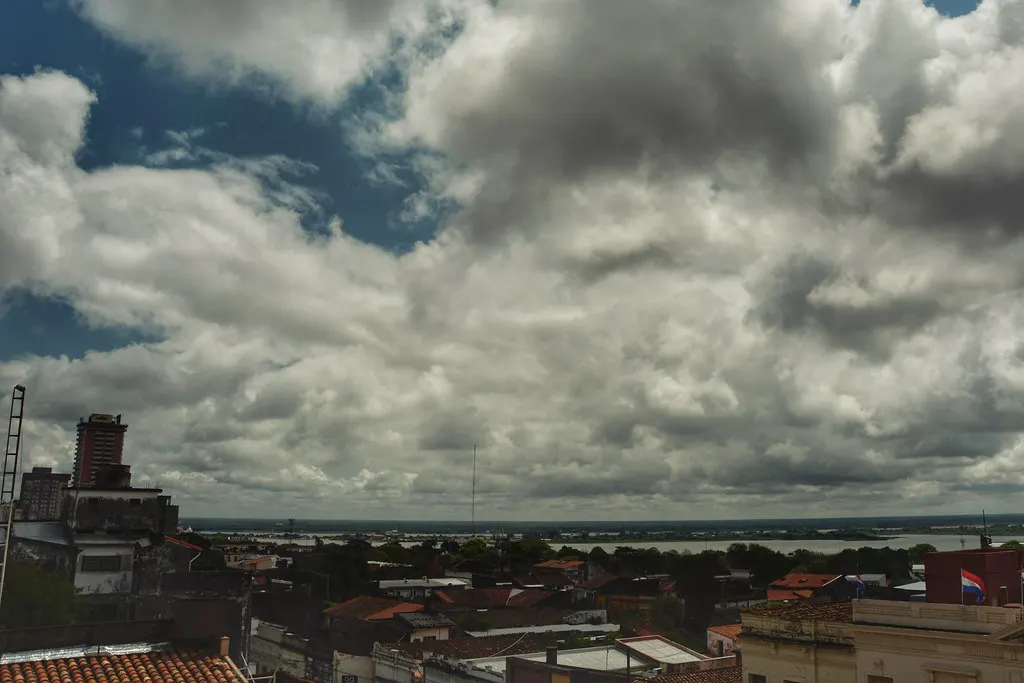
Paraguay's capital is one of the oldest cities in South America, founded in 1537, old enough that it served as the administrative base for Spanish colonization of a territory that once included parts of four other modern countries.
Asunción, founded in 1537, ranks among the oldest continuously inhabited cities in South America, predating most of the continent's other major colonial capitals. For decades after its founding, it served as the primary administrative base for Spanish colonization of a vast surrounding territory — expeditions launched from Asunción helped found cities that today sit in Argentina, Brazil, Bolivia, and Uruguay, earning the city the historical nickname "Madre de Ciudades," Mother of Cities.
The historic center, though less architecturally grand than some neighboring capitals, holds genuine 19th-century significance around Plaza de los Héroes and the Panteón Nacional de los Héroes, a national mausoleum modeled loosely on Paris's Les Invalides and honoring Paraguay's military history, including the devastating Paraguayan War (1864-1870), a conflict against Argentina, Brazil, and Uruguay combined that killed a staggering share of Paraguay's population and remains a defining national trauma.
The Costanera, a more recently redeveloped promenade along the Paraguay River, gives the city a modern public waterfront space distinct from its older colonial core, reflecting broader efforts to invest in Asunción's public infrastructure in recent decades.
Paraguay overall remains one of South America's least-visited and most affordable countries, and Asunción's prices reflect that clearly — among the cheapest capital cities anywhere on the continent across accommodation, food, and transit, a genuine value proposition for travelers willing to look past the more heavily trafficked Southern Cone circuit of Buenos Aires, Santiago, and Montevideo.
Chipa, a cheese-and-cassava-starch bread deeply tied to Paraguayan Guaraní culinary tradition, and sopa paraguaya, a dense, savory cornbread despite its name suggesting soup, both remain genuine everyday staples in Asunción rather than tourist-oriented novelties, reflecting the strong ongoing influence of Paraguay's indigenous Guaraní heritage on its food and, notably, its widely spoken bilingual Spanish-Guaraní culture.
What a trip here actually costs
$22 / day avg.
- Hostel near the historic center
- Local bus fares
- Casual Paraguayan lunches
- Free wander through the historic center
What to do at this tier
- • Historic center wander, including Plaza de los Héroes, free
- • Panteón Nacional de los Héroes, Paraguay's national mausoleum, free to enter
- • Government Palace exterior along the riverfront, free
$55 / day avg.
- 3-star hotel near the center
- Panteón Nacional and Government Palace exterior tour
- Sit-down Paraguayan dinners
- Costanera waterfront walk
What to do at this tier
- • Costanera de Asunción, a redeveloped riverfront promenade along the Paraguay River
- • Manzana de la Rivera, a cluster of restored historic houses functioning as a small museum complex
- • Sit-down dinner featuring Paraguayan dishes like sopa paraguaya and chipa
These are average estimates for planning purposes, not real-time prices — actual costs vary by season, availability, and how far ahead you book.
How to get there
Click anywhere on the world map — any airport works, not just our main hubs.
Click anywhere on the map above — any airport in the world works — to see estimated travel time and cost from there.
Times and prices are planning estimates, not live fares — always check a booking site before you commit. See the full Transport Comparison guide for the general tradeoffs of each mode.
Best time to visit
April-June and September-November bring milder, more comfortable temperatures than the intense summer heat of December-February.
Safety notes
Generally safe in the main central and riverfront areas with standard urban caution.
Visa & currency
Paraguayan guaraní (PYG). Visa requirements vary by nationality; many Western passport holders can enter visa-free for short stays, worth confirming before booking.
Questions people ask before visiting
Is Asunción worth visiting?
Yes, particularly for travelers interested in genuinely off-the-radar South American capitals — Asunción holds significant colonial and 19th-century history, some of the continent's cheapest prices, and a lived-in, unpolished character that few Western visitors ever experience firsthand.
Why is Asunción historically significant?
Founded in 1537, it's one of the oldest continuously inhabited cities in South America and served as the administrative center for Spanish colonization of a vast surrounding territory that once extended into parts of what's now Argentina, Brazil, Bolivia, and Uruguay — earning it the historical nickname 'Mother of Cities.'
Is Asunción cheap to visit?
Yes, among the most affordable capitals in South America — Paraguay consistently ranks as one of the region's least expensive countries across food, transit, and accommodation.
How many days do you need in Asunción?
One to two days covers the historic center, including the Government Palace exterior and the Panteón Nacional de los Héroes. Paraguay overall works better as an extended stop within a broader Southern Cone itinerary than a dedicated standalone destination for most first-time visitors.
Nearby destinations
 Buenos Aires
Buenos Aires
Argentina
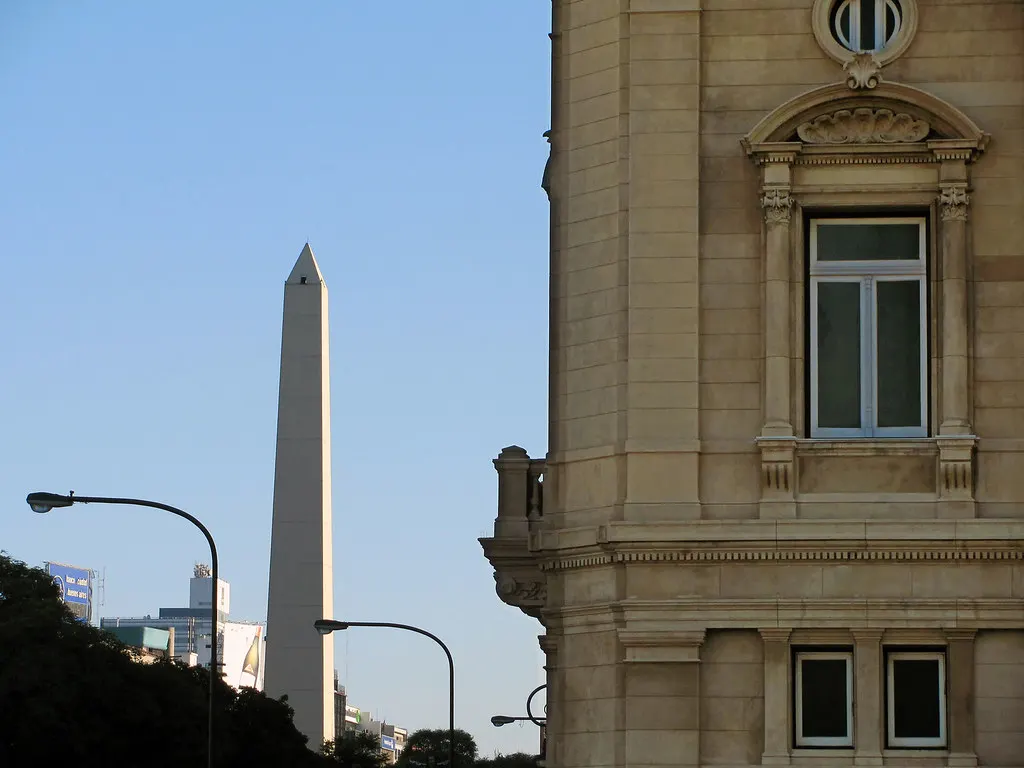
Argentines eat more beef per person than almost any nation on Earth, dance a tango that started in the city's brothels and dockside bars in the 1880s, and built a capital so deliberately modeled on Paris that locals still call it "the Paris of South America."
See full guide →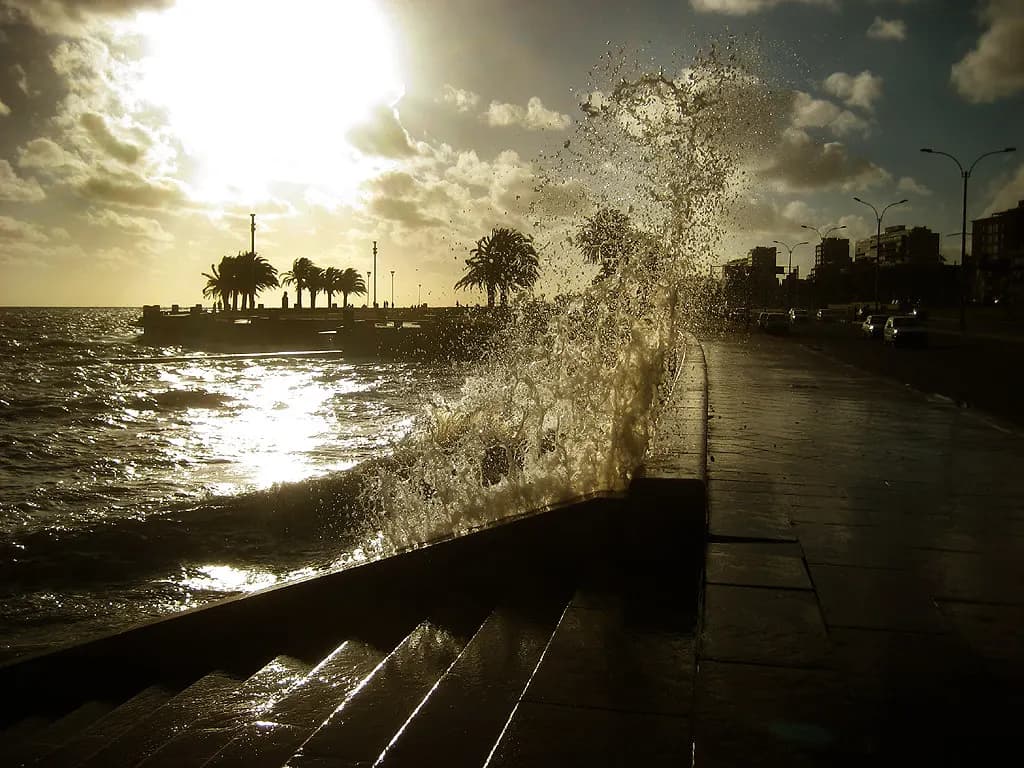 Montevideo
Montevideo
Uruguay
Uruguay legalized marijuana and same-sex marriage years before most of the world and has one of Latin America's highest standards of living — and its capital has a 22-kilometer waterfront promenade that's just... mostly empty, even in a city of 1.3 million people.
See full guide →Comparing more than one route? See the full transport comparison guide.