Peru · South America
Trujillo
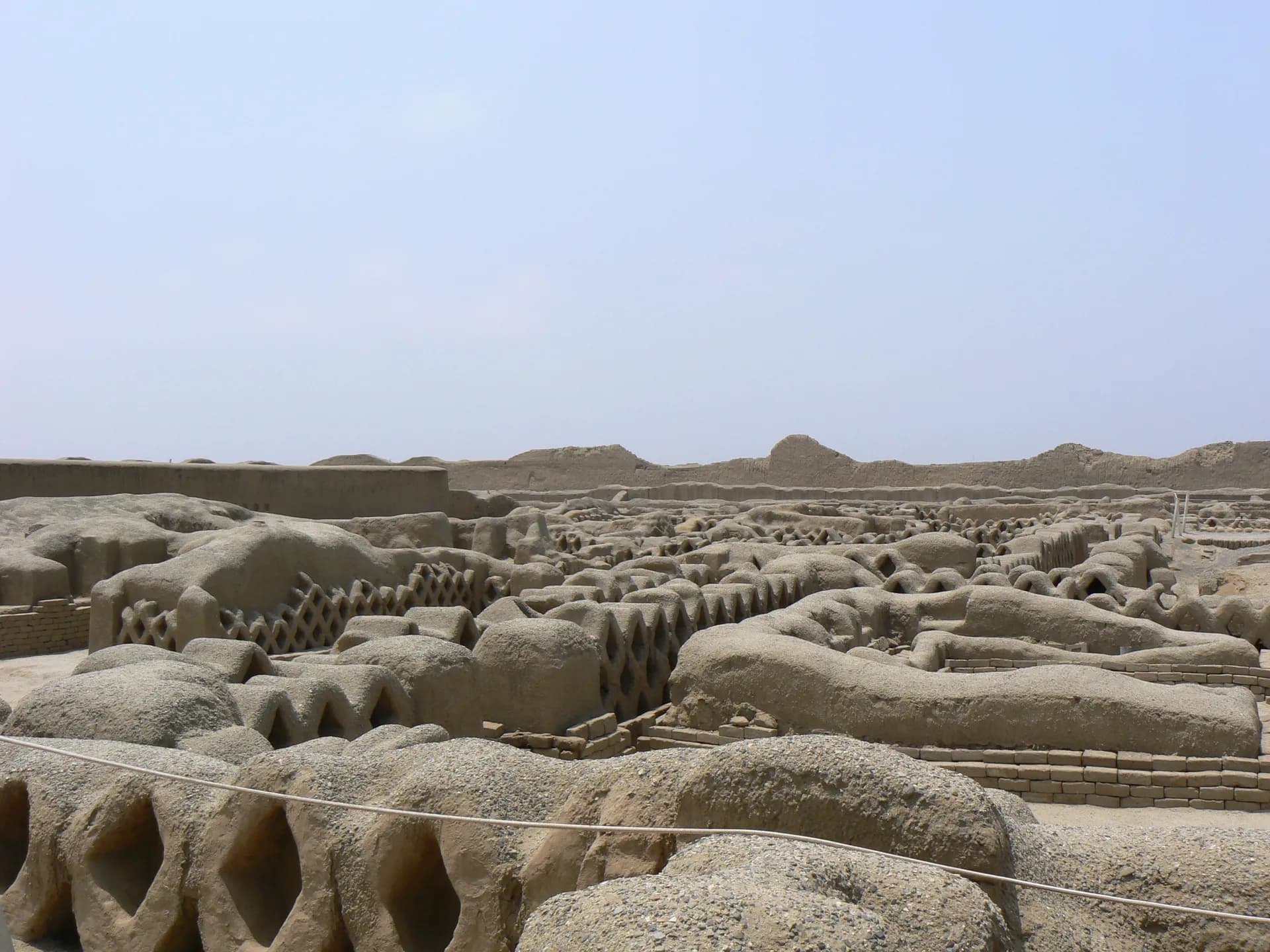
Chan Chan, the adobe capital of the pre-Inca Chimú civilization outside Trujillo, covers more ground than any other mud-brick city ever built in the Americas, a sprawling maze of walled citadels decorated with intricate geometric friezes that once housed an estimated 30,000 people before the Inca conquered it in the 15th century.
Chan Chan, the capital of the Chimú civilization on Peru's northern coast, covers roughly 20 square kilometers, making it the largest adobe, or mud-brick, city ever built anywhere in the pre-Columbian Americas. At its peak, the city housed an estimated 30,000 residents across a maze of walled citadels, each decorated with intricate geometric and animal friezes pressed directly into the mud walls, before the Inca conquered the Chimú in the 15th century and absorbed the city into their own expanding empire.
The scale of Chan Chan's walled compounds, originally built for Chimú royalty and elite administrators, reflects a genuinely sophisticated urban planning system, with separate sectors for ceremonial, residential, and storage functions. UNESCO recognized the site as a World Heritage Site in 1986, and ongoing conservation work continues to protect the fragile adobe structures against Peru's occasional but damaging El Niño rains.
Predating Chan Chan by several centuries, the Moche civilization built Huaca del Sol and Huaca de la Luna, two massive adobe pyramids just outside Trujillo. Huaca de la Luna in particular holds some of the best-preserved polychrome murals surviving from ancient Peru, depicting deities and ritual scenes in colors that remain vivid enough to give a genuine sense of how the structures would have looked when the Moche were still actively using them.
Trujillo's colonial center, built centuries after both Chan Chan and the Moche pyramids, holds its own distinct identity as the birthplace of marinera, considered Peru's most elegant national dance, a formal, courtship-themed performance involving handkerchiefs and intricate footwork. The city hosts a major annual marinera festival and competition, drawing dancers from across the country.
Trujillo's nickname, "City of Eternal Spring," reflects a genuinely mild, consistent coastal desert climate that's made it a comfortable base for exploring both the ancient Chimú and Moche sites and the more recent colonial and cultural history layered on top of them.
What a trip here actually costs
$25 / day avg.
- Guesthouse in central Trujillo
- Local bus or shared taxi to the ruins
- Local restaurant meals
- Chan Chan entry, low cost
What to do at this tier
- • Chan Chan ruins, low entry fee
- • Trujillo's colonial center and main square, free
- • Huanchaco Beach and its traditional reed fishing boats, free
$65 / day avg.
- 3-star hotel
- Guided Chan Chan and Huaca de la Luna tour
- Colonial center walking tour
- Sit-down restaurant dinners
What to do at this tier
- • Guided tour covering Chan Chan and the Moche pyramids
- • Huaca de la Luna's polychrome murals, guided visit
- • Marinera dance performance, seasonal or by arrangement
These are average estimates for planning purposes, not real-time prices — actual costs vary by season, availability, and how far ahead you book.
How to get there
Click anywhere on the world map — any airport works, not just our main hubs.
Click anywhere on the map above — any airport in the world works — to see estimated travel time and cost from there.
Times and prices are planning estimates, not live fares — always check a booking site before you commit. See the full Transport Comparison guide for the general tradeoffs of each mode.
Best time to visit
May-September, the dry season, brings mild temperatures well suited to walking the open-air ruins, which offer little shade.
Safety notes
Generally safe in tourist areas with standard precautions; carry sun protection given the desert climate and limited shade at the archaeological sites.
Visa & currency
Peruvian sol (PEN). Many nationalities can enter visa-free for tourism, worth confirming based on passport before booking.
Questions people ask before visiting
Is Trujillo worth visiting?
Yes — Trujillo sits near Chan Chan, the largest adobe city ever built in the pre-Columbian Americas and a UNESCO World Heritage Site, alongside the Moche civilization's Huaca del Sol and Huaca de la Luna pyramids, both holding vivid, well-preserved polychrome murals.
What was Chan Chan?
The capital of the Chimú civilization, a pre-Inca society that ruled Peru's northern coast, Chan Chan housed an estimated 30,000 residents at its peak and covered roughly 20 square kilometers, making it the largest adobe city ever constructed in the Americas before the Inca conquered the Chimú in the 15th century.
What are the Huaca del Sol and Huaca de la Luna?
Two massive adobe pyramids built by the Moche civilization, predating Chan Chan by several centuries. Huaca de la Luna holds some of the best-preserved polychrome murals from ancient Peru, depicting deities and ritual scenes in vivid original color.
How many days do you need in Trujillo?
Two to three days covers Chan Chan, the Moche pyramids, and the city's colonial center at a comfortable pace, with time to catch a marinera dance performance if timing allows.
Nearby destinations
 Lima
LimaLima
Peru
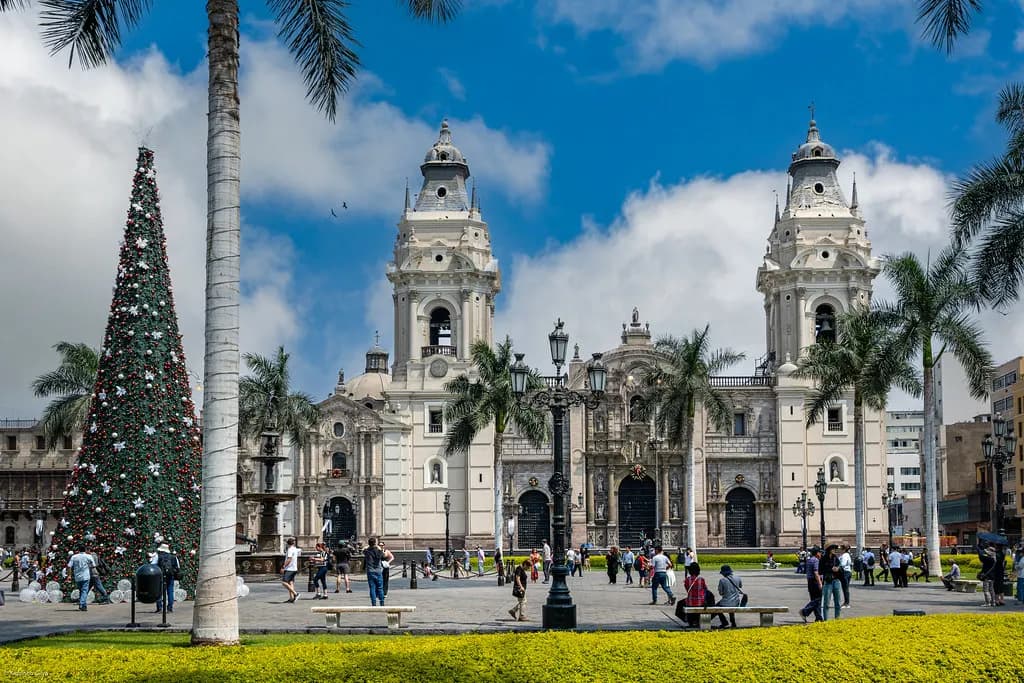
Lima has more restaurants on the World's 50 Best list than almost any other city on Earth, and the ceviche recipe locals insist is the only real one uses fish that never touches a stove — cooked entirely by citrus acid in a matter of minutes.
See full guide →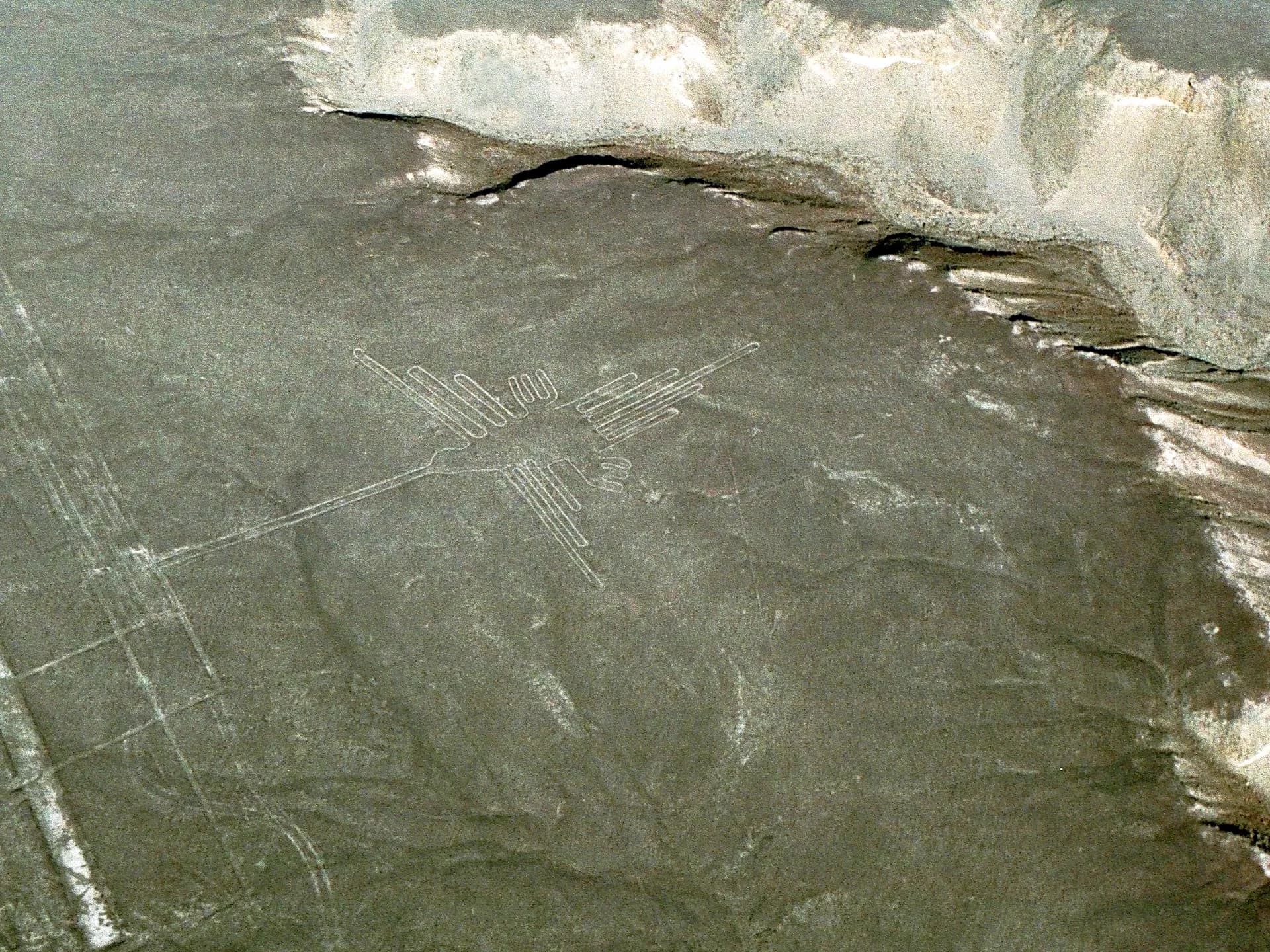 Nazca
NazcaNazca
Peru
The Nazca Lines, hundreds of massive geoglyphs etched into Peru's coastal desert between roughly 500 BCE and 500 CE, are so large that a hummingbird figure spans 93 meters and a spider stretches 47 — shapes only fully readable from the air, which means the culture that made them had no way to see their own finished work.
See full guide →Comparing more than one route? See the full transport comparison guide.