Uruguay · South America
Colonia del Sacramento
Portugal founded Colonia del Sacramento in 1680 directly across the Río de la Plata from Spanish Buenos Aires, deliberately provoking a border dispute that lasted nearly a century, and the town changed hands between the two empires so many times that its old quarter today mixes Portuguese and Spanish colonial architecture within the same few blocks.
Colonia del Sacramento exists because of a deliberate provocation. Portugal founded the settlement in 1680 directly across the Río de la Plata from Spanish Buenos Aires, a calculated foothold intended to challenge Spain's claim over the river's trade routes. Spain responded exactly as expected, and the two empires spent nearly a century fighting over the town, which changed hands repeatedly before Spain finally secured permanent control in 1777, only for Uruguay itself to gain independence decades later.
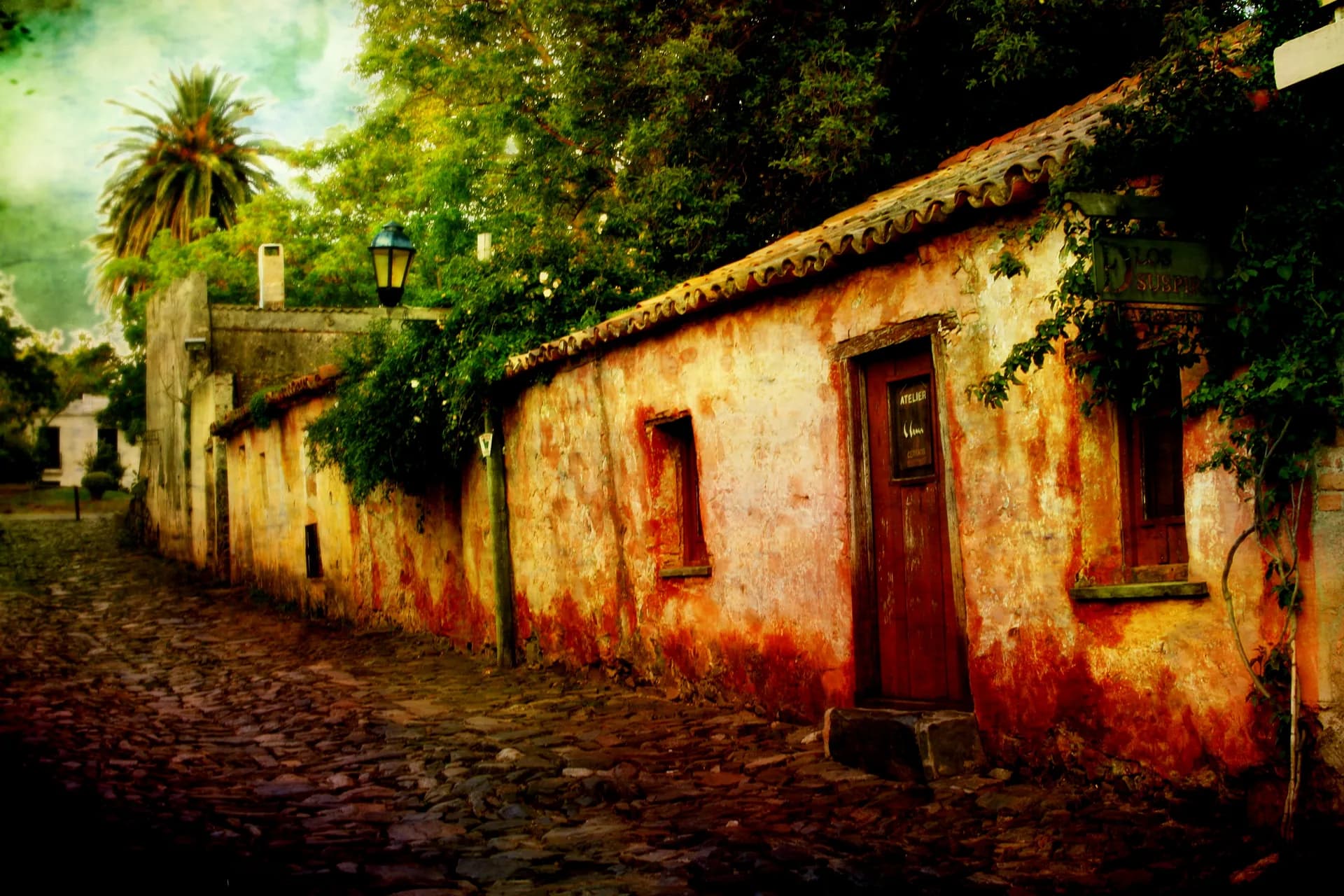
That contested history left a genuinely unusual architectural fingerprint. Colonia's Barrio Histórico, a UNESCO World Heritage old town, mixes Portuguese and Spanish colonial building styles within the same compact grid of cobblestone streets, low colorful houses with Portuguese-style tiled roofs standing beside more formal Spanish colonial facades, a physical record of the tug-of-war fought over this small peninsula for the better part of a century.
The town's lighthouse, built atop the ruins of a 17th-century convent destroyed during one of the many conflicts, offers the best overview of that mixed old quarter, climbable for a view across the terracotta rooftops toward the river. Basalt Street, one of the oldest in Uruguay, runs down toward the water lined with buildings from both colonial eras, and sunset here, with the Río de la Plata's wide, calm water catching the light, has become one of the more reliably photographed moments along the whole river.
Colonia's practical advantage is proximity. High-speed ferries connect it to Buenos Aires in about an hour, running multiple times daily, making it one of the most accessible international day trips available from the Argentine capital, a genuine border crossing that requires barely more planning than a local outing. Many visitors do exactly that, a single day exploring the old town before returning to Buenos Aires by evening.
Staying overnight, though, changes the experience meaningfully. Colonia empties out considerably once the day-trip ferries depart, and the old town in early morning or after dark, cobblestone streets quiet, river light shifting, offers a version of the place that the crowded midday hours don't. For a town built originally as a point of conflict between two empires, it's settled into something notably calm.
What a trip here actually costs
$100 / day avg.
- Boutique hotel in the historic quarter
- Ferry from Buenos Aires, round trip
- Restaurant meals
- Barrio Histórico walking tour
What to do at this tier
- • Barrio Histórico cobblestone streets, free
- • Colonia Lighthouse climb
- • Sunset at the riverside promenade, free
- • Vintage car rental for a scenic drive along the coast
These are average estimates for planning purposes, not real-time prices — actual costs vary by season, availability, and how far ahead you book.
How to get there
Click anywhere on the world map — any airport works, not just our main hubs.
Click anywhere on the map above — any airport in the world works — to see estimated travel time and cost from there.
Times and prices are planning estimates, not live fares — always check a booking site before you commit. See the full Transport Comparison guide for the general tradeoffs of each mode.
Best time to visit
October-April covers Uruguay's warmer months, ideal for walking the old town and enjoying riverside evenings; winters stay mild but cooler and windier.
Safety notes
Very safe and well-established for tourism; standard precautions apply as in any small historic town.
Visa & currency
Uruguayan peso (UYU). Many nationalities receive visa-free entry for short stays; confirm current requirements before booking.
Questions people ask before visiting
Is Colonia del Sacramento worth visiting?
Yes, particularly as a day or overnight trip from Buenos Aires — the UNESCO-listed old town's mix of Portuguese and Spanish colonial architecture, cobblestone streets, and river sunset views make it one of the most rewarding short trips in the wider Río de la Plata region.
How do you get to Colonia del Sacramento from Buenos Aires?
High-speed ferries cross the Río de la Plata from Buenos Aires in about an hour, running multiple times daily, making Colonia one of the most accessible international day trips available from the Argentine capital.
Why does Colonia del Sacramento have both Portuguese and Spanish architecture?
Portugal founded the town in 1680 as a strategic foothold directly across from Spanish Buenos Aires, and the two empires fought over control for nearly a century, the settlement changing hands multiple times before Spain secured it permanently in 1777. Each period of control left its own architectural imprint, still visible side by side today.
What is the Barrio Histórico?
Colonia's UNESCO World Heritage old town, a compact grid of cobblestone streets, colonial-era buildings, and a lighthouse built atop the ruins of a 17th-century convent, walkable in a few hours but worth lingering in for the river views at sunset.
Nearby destinations
 Buenos Aires
Buenos Aires
Argentina
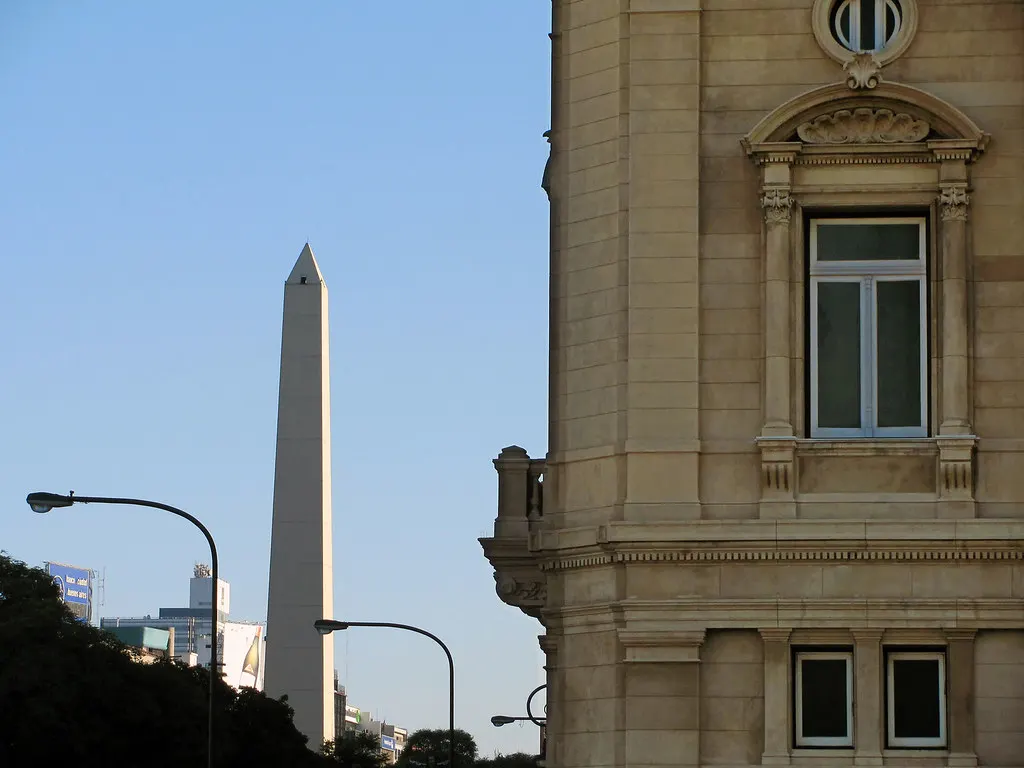
Argentines eat more beef per person than almost any nation on Earth, dance a tango that started in the city's brothels and dockside bars in the 1880s, and built a capital so deliberately modeled on Paris that locals still call it "the Paris of South America."
See full guide →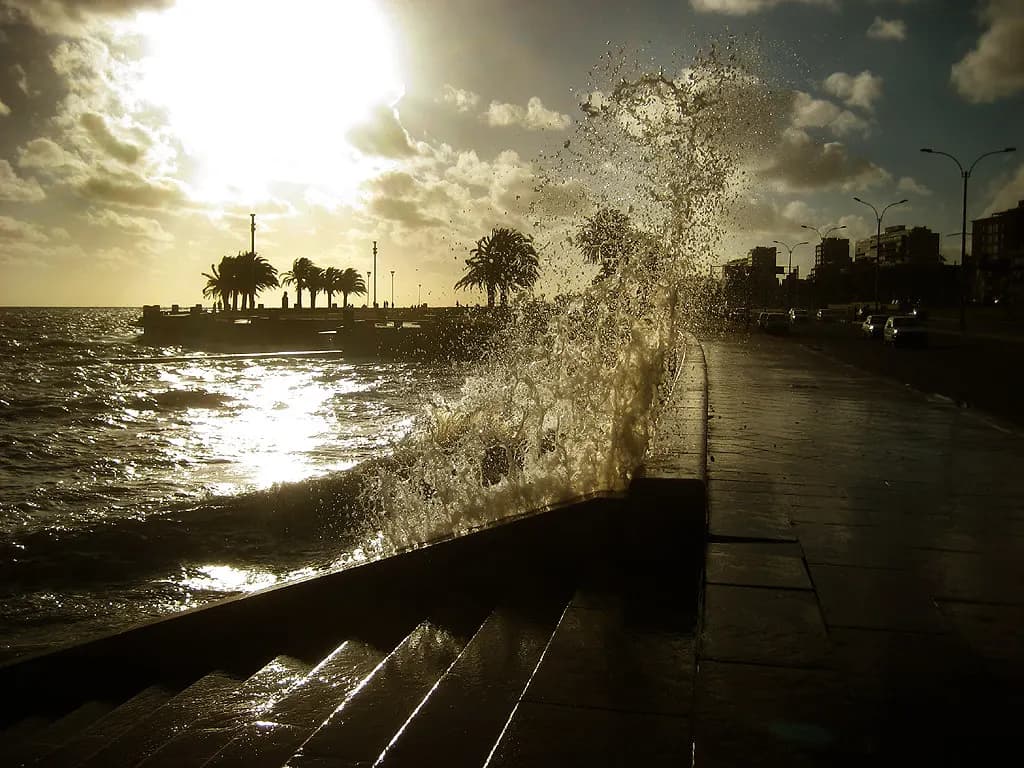 Montevideo
Montevideo
Uruguay
Uruguay legalized marijuana and same-sex marriage years before most of the world and has one of Latin America's highest standards of living — and its capital has a 22-kilometer waterfront promenade that's just... mostly empty, even in a city of 1.3 million people.
See full guide →Comparing more than one route? See the full transport comparison guide.