Venezuela · South America
Los Roques
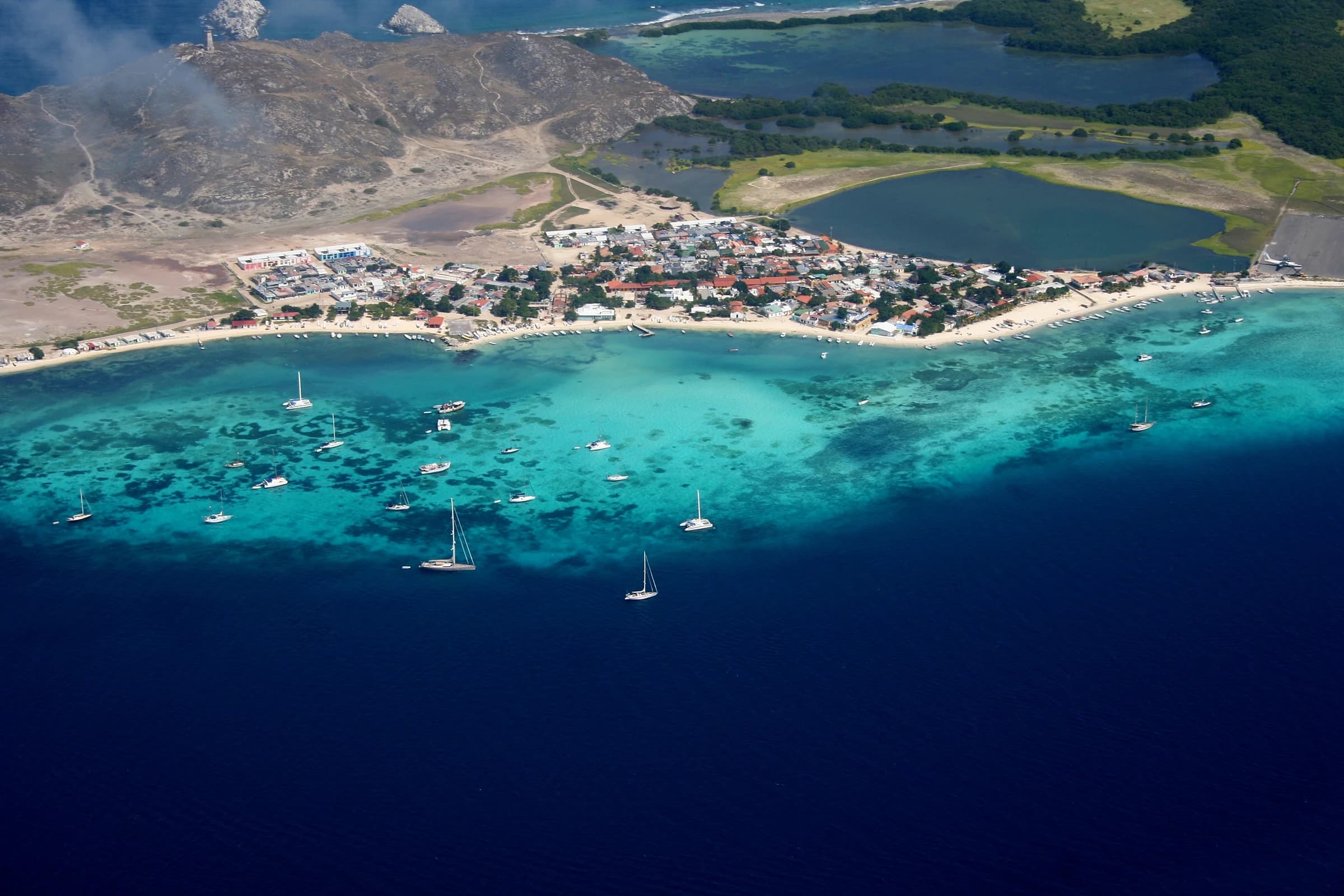
Los Roques has no roads connecting it to anywhere — the roughly 350 islands and cays of this archipelago sit far enough offshore that the only way in is a 45-minute flight from Caracas on a small plane, which has kept the water close to untouched.
Los Roques is a national park covering roughly 350 islands, cays, and reefs scattered across a lagoon of Caribbean water, and almost none of it has been built up. The only way in is a small plane from Caracas, a flight of around 45 minutes that lands on a single airstrip on Gran Roque, the archipelago's one settled island. There's no bridge, no ferry route, and no road connecting Los Roques to the mainland, and that isolation is the main reason the water here has stayed as clear as it has.
Gran Roque itself holds a few thousand residents and most of the archipelago's posadas, small guesthouse-style hotels that double as the starting point for day trips out to the surrounding cays. The streets are sand rather than pavement, and the whole island can be walked in well under an hour, including the short climb up to the old lighthouse for a view over the bay.
Cayo de Agua and Crasqui are two of the more frequently visited cays, both reachable by a short boat ride and both offering the kind of shallow, gradient-blue water that shows up on Caribbean postcards without much competition for space on the sand. Playa Francisqui, closer to Gran Roque, gets steady enough wind to draw kitesurfers, and a handful of operators on the island teach lessons.
Venezuela's broader economic and political difficulties have made Caracas itself a harder sell for most travelers, but Los Roques functions somewhat apart from that in practice. Visitors typically fly in and out without spending real time in the capital, staying entirely within the archipelago for the length of their trip, which keeps the experience largely insulated from mainland conditions even as it depends on Caracas for the only flight connection.
Prices sit higher than most of Venezuela given the cost of flying everything in, from fuel to food, and the archipelago runs largely on US dollars given the bolívar's instability. It's not a budget destination the way much of mainland Venezuela currently is, but for water this untouched in the Caribbean, it remains one of the region's more distinctive finds.
What a trip here actually costs
$130 / day avg.
- Posada room on Gran Roque, breakfast included
- Day boat trip to a nearby cay
- Casual seafood lunches and dinners
- Snorkeling gear rental
What to do at this tier
- • Day boat trip to Cayo de Agua or Crasqui, two of the archipelago's most photographed cays
- • Snorkeling directly off Gran Roque's beaches, calm and shallow enough for beginners
- • Climb the small lighthouse hill above Gran Roque for a sunset view over the whole bay
$320 / day avg.
- Upscale posada with full board
- Private boat charter to multiple cays in one day
- Kitesurfing lesson at Francisqui
- Sunset sail around Gran Roque
What to do at this tier
- • Private boat charter covering two or three cays in a single day, avoiding the shared group boats
- • Kitesurfing lesson at Playa Francisqui, one of the Caribbean's more consistent wind spots
- • Sunset sail around Gran Roque with a private crew
These are average estimates for planning purposes, not real-time prices — actual costs vary by season, availability, and how far ahead you book.
How to get there
Click anywhere on the world map — any airport works, not just our main hubs.
Click anywhere on the map above — any airport in the world works — to see estimated travel time and cost from there.
Times and prices are planning estimates, not live fares — always check a booking site before you commit. See the full Transport Comparison guide for the general tradeoffs of each mode.
Best time to visit
December-April brings the driest weather and the steadiest winds for kitesurfing; hurricane risk is low year-round given the archipelago's position south of the main storm belt.
Safety notes
Generally calm within the archipelago itself given its isolation and limited access; book flights and posadas through an established operator and confirm current conditions given Venezuela's broader situation.
Visa & currency
US dollars are widely accepted and often preferred on Gran Roque given Venezuela's currency instability. Visa requirements vary by nationality and have shifted in recent years, so confirm current entry rules before booking.
Questions people ask before visiting
Is Los Roques worth visiting?
For the water alone, yes — Los Roques is a national park protecting roughly 350 coral islands and cays with some of the clearest, most consistently turquoise water in the Caribbean, largely free of the resort development found on more accessible islands.
How do you get to Los Roques?
By small plane, almost exclusively. Regional carriers fly the roughly 45-minute route from Caracas to the archipelago's only airstrip on Gran Roque, the main settlement. There's no ferry or road access, which is a large part of why the islands have stayed undeveloped.
Is Los Roques safe to visit given Venezuela's situation?
Los Roques operates somewhat separately from mainland safety concerns in practice — visitors fly directly in and stay within the archipelago, typically at a posada on Gran Roque, without passing through Caracas' higher-risk areas. Still, confirm current conditions and book through an established operator before traveling.
What is Gran Roque like?
It's the only inhabited island with real infrastructure, home to a few thousand residents, sandy streets rather than paved roads, and most of the archipelago's posadas, small guesthouse-style hotels that arrange boat trips out to the surrounding cays for the day.
Nearby destinations
 Caracas
Caracas
Venezuela
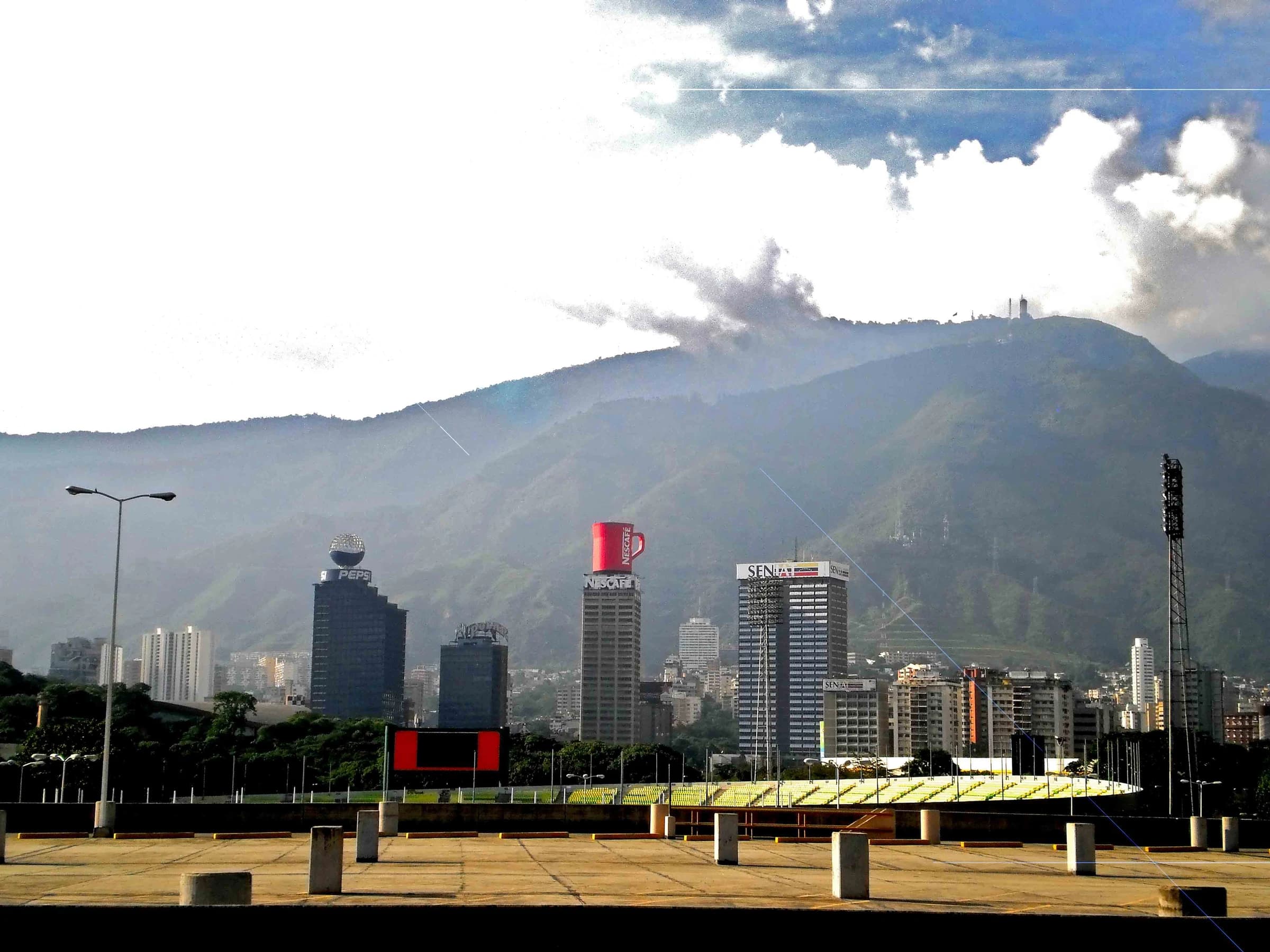
Caracas sits at roughly 900 meters in a narrow valley pinned between the Caribbean coast and the Ávila mountain, high enough that the city has never recorded a truly hot day despite lying just ten degrees north of the equator — locals call it the land of eternal spring.
See full guide →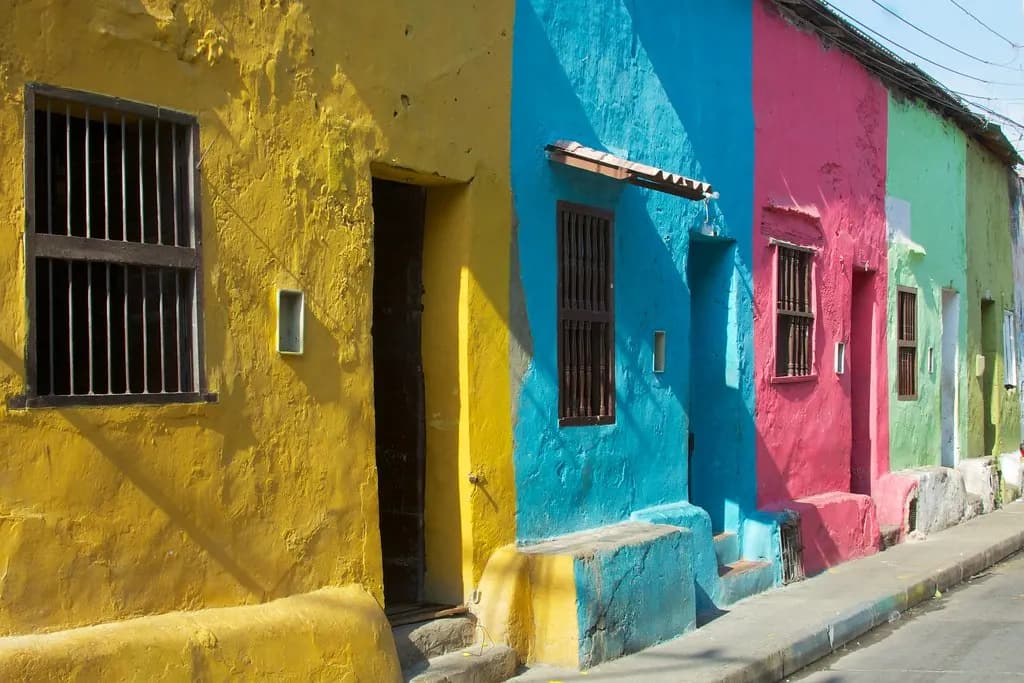 Cartagena
Cartagena
Colombia
Spain spent over 200 years building walls around Cartagena to keep pirates and English privateers out, including Francis Drake himself — the fortifications worked well enough that they're still almost entirely intact, wrapping a genuinely lived-in colonial city rather than a museum piece.
See full guide →Comparing more than one route? See the full transport comparison guide.