Ecuador · South America
Guayaquil
Guayaquil spent decades known mainly as Ecuador's rougher port city — then it rebuilt its entire riverfront into a two-and-a-half-kilometer public promenade and turned a formerly dangerous hillside slum into one of its most colorful, visited neighborhoods.
Guayaquil, Ecuador's largest city and main port, spent decades with a reputation as rougher and less visitor-friendly than the capital, Quito — a perception the city has worked deliberately to change through major urban redevelopment starting in the late 1990s and early 2000s.
Malecón 2000, the centerpiece of that effort, transformed roughly 2.5 kilometers of riverfront along the Guayas River from a neglected, poorly maintained waterfront into a genuinely impressive public space — gardens, monuments, museums, a botanical garden, and an IMAX theater, all connected by pedestrian walkways that draw both locals and visitors in large numbers.
Las Peñas, the city's oldest neighborhood, underwent a similar transformation: once considered dangerous and largely avoided, the steep hillside district of colorful houses climbing toward the Santa Ana lighthouse has been restored and repainted, and the roughly 400 numbered steps leading up through it are now one of Guayaquil's most photographed and visited attractions, with small galleries and cafés lining the route.
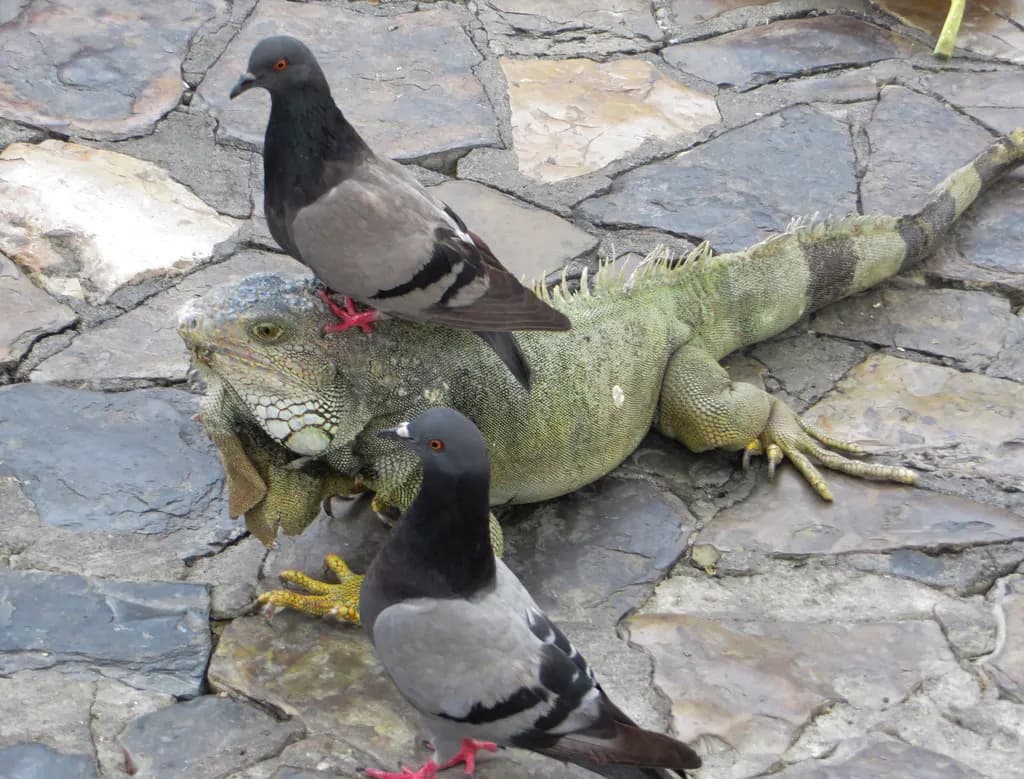
Parque Seminario, a small central plaza also known as Iguana Park, holds a resident population of dozens of iguanas that roam freely among visitors — an unusual, low-key city curiosity that's become one of Guayaquil's more distinctive minor attractions.
For most international visitors, Guayaquil functions primarily as the practical gateway for Galápagos Islands flights, alongside Quito, and a short one- or two-day stopover before or after a Galápagos trip is the most common way travelers experience the city — enough time to see the Malecón and Las Peñas without requiring an extended standalone visit.
What a trip here actually costs
$28 / day avg.
- Hostel near the Malecón or center
- Local bus fares
- Casual Ecuadorian coastal lunches
- Free wander along the Malecón and Las Peñas steps
What to do at this tier
- • Malecón 2000 riverfront promenade wander, free
- • Las Peñas neighborhood and its numbered steps up to the Santa Ana lighthouse, free
- • Parque Seminario (Iguana Park), home to a resident population of iguanas, free
$65 / day avg.
- 3-star hotel near the Malecón
- Santa Ana lighthouse and Las Peñas entry
- Sit-down Ecuadorian seafood dinners
- Guayaquil Historical Park entry
What to do at this tier
- • Guayaquil Historical Park, covering the city's history through recreated buildings and a small zoo
- • Santa Ana lighthouse viewpoint over the city and river
- • Sit-down dinner featuring Ecuadorian coastal seafood dishes like ceviche and encebollado
$160 / day avg.
- 4-5 star hotel near the riverfront
- Private guided city and history tour
- Multi-course Ecuadorian coastal tasting menu
- Private transfer and Galápagos trip logistics support
What to do at this tier
- • Private guided tour connecting the Malecón redevelopment story with Las Peñas' restoration
- • Multi-course tasting menu at a well-regarded Guayaquil restaurant
- • Private transfer and logistics support for onward Galápagos travel
These are average estimates for planning purposes, not real-time prices — actual costs vary by season, availability, and how far ahead you book.
How to get there
Click anywhere on the world map — any airport works, not just our main hubs.
Click anywhere on the map above — any airport in the world works — to see estimated travel time and cost from there.
Times and prices are planning estimates, not live fares — always check a booking site before you commit. See the full Transport Comparison guide for the general tradeoffs of each mode.
Best time to visit
June-November, the drier season, brings more comfortable humidity levels; the city stays warm and tropical year-round.
Safety notes
Generally safe in the Malecón, Las Peñas, and central tourist areas with standard urban caution; Guayaquil has historically had a rougher reputation than Quito, so sticking to well-trafficked areas is sensible.
Visa & currency
US dollar (USD), Ecuador's official currency since 2000. Visa requirements vary by nationality; many Western passport holders can enter visa-free for short stays, worth confirming before booking.
Questions people ask before visiting
Is Guayaquil worth visiting?
Yes, particularly as a stopover before or after the Galápagos Islands — the Malecón riverfront redevelopment and the colorful Las Peñas neighborhood give the city genuine visitor appeal beyond its role as a transit hub, even if it doesn't match Quito's colonial density.
What is Malecón 2000?
A major redevelopment of Guayaquil's Simón Bolívar riverfront promenade, completed in the early 2000s, transforming a roughly 2.5-kilometer stretch along the Guayas River into public gardens, monuments, museums, and walkways — widely credited as a turning point in the city's broader urban revitalization.
What is Las Peñas, and is it worth visiting?
Las Peñas is Guayaquil's oldest neighborhood, a steep hillside district of colorful houses climbing toward the Santa Ana lighthouse, reached via several hundred numbered steps. Once considered dangerous and neglected, it's been restored into one of the city's most photogenic and visited areas.
Guayaquil or Quito — which should I prioritize?
Quito has the more significant historic center and closer proximity to Andean sites. Guayaquil is warmer, coastal, and functions as the more common gateway for Galápagos flights — many trips pass through Guayaquil specifically for that connection rather than as a standalone extended stay.
How many days do you need in Guayaquil?
One to two days covers the Malecón and Las Peñas comfortably, which is why it works well as a short stopover before or after a Galápagos trip rather than requiring an extended stay.
Nearby destinations
 Quito
QuitoQuito
Ecuador
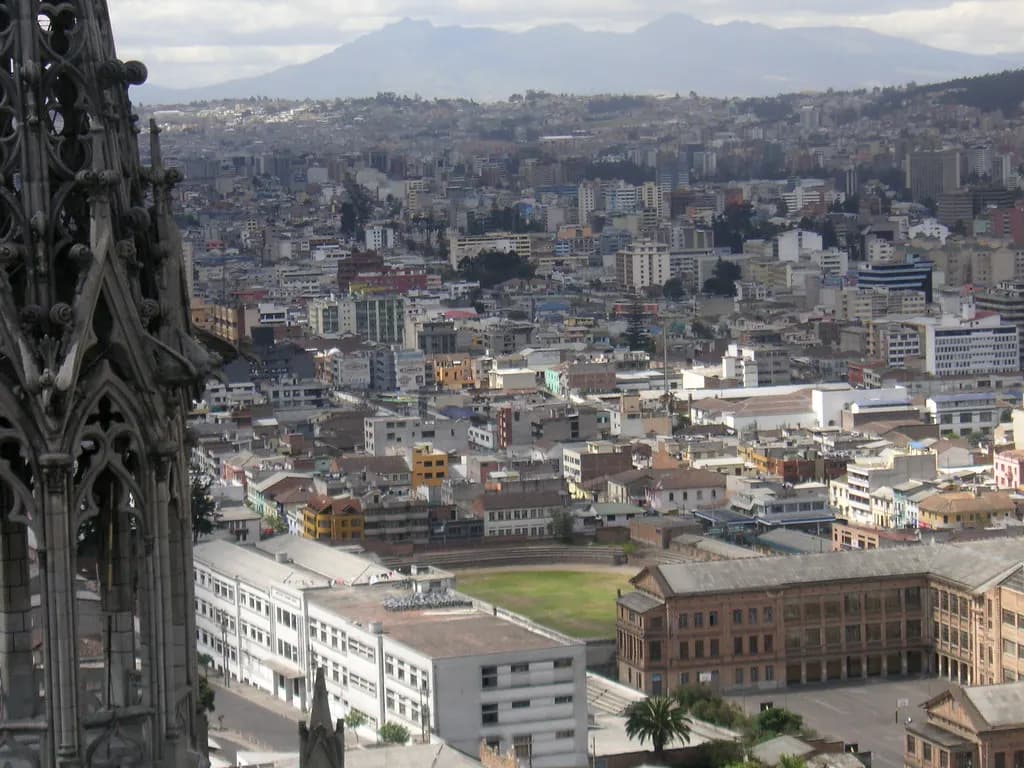
Quito's historic center was one of the first two sites UNESCO ever named to its World Heritage list in 1978, tied with Krakow — and the city sits close enough to the equator that you can stand with one foot in each hemisphere at a monument just outside town.
See full guide →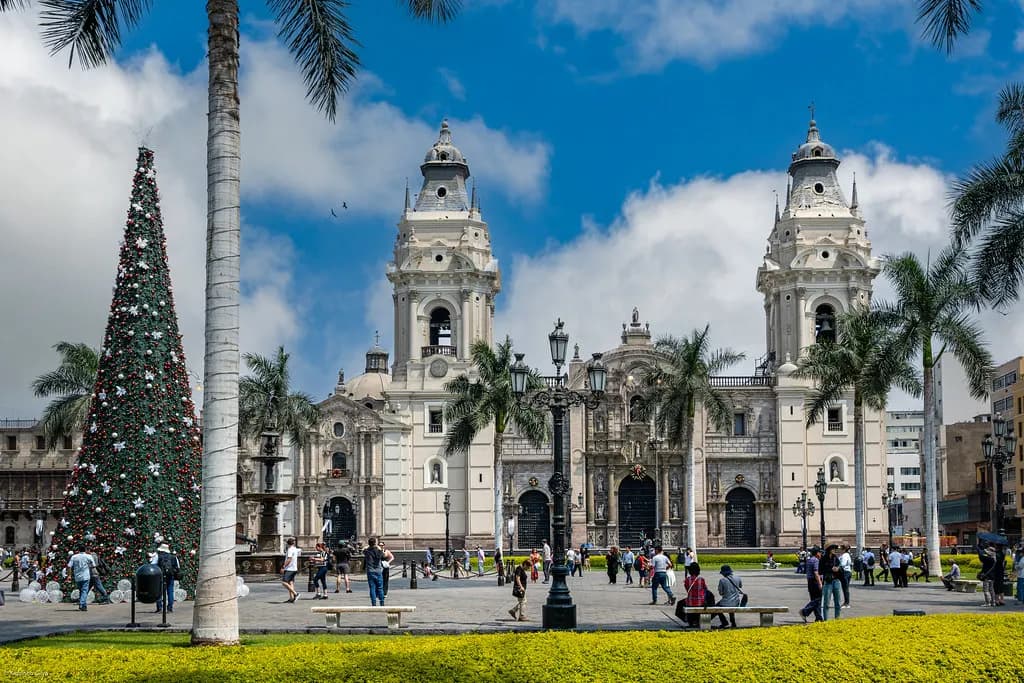 Lima
LimaLima
Peru
Lima has more restaurants on the World's 50 Best list than almost any other city on Earth, and the ceviche recipe locals insist is the only real one uses fish that never touches a stove — cooked entirely by citrus acid in a matter of minutes.
See full guide →Comparing more than one route? See the full transport comparison guide.