Brazil · South America
Ilha Grande
Ilha Grande spent decades as the site of one of Brazil's most notorious maximum-security prisons, which kept development and even paved roads off the island entirely — the prison closed in 1994, and that same enforced isolation is now the reason the island's beaches rank among Brazil's most pristine.
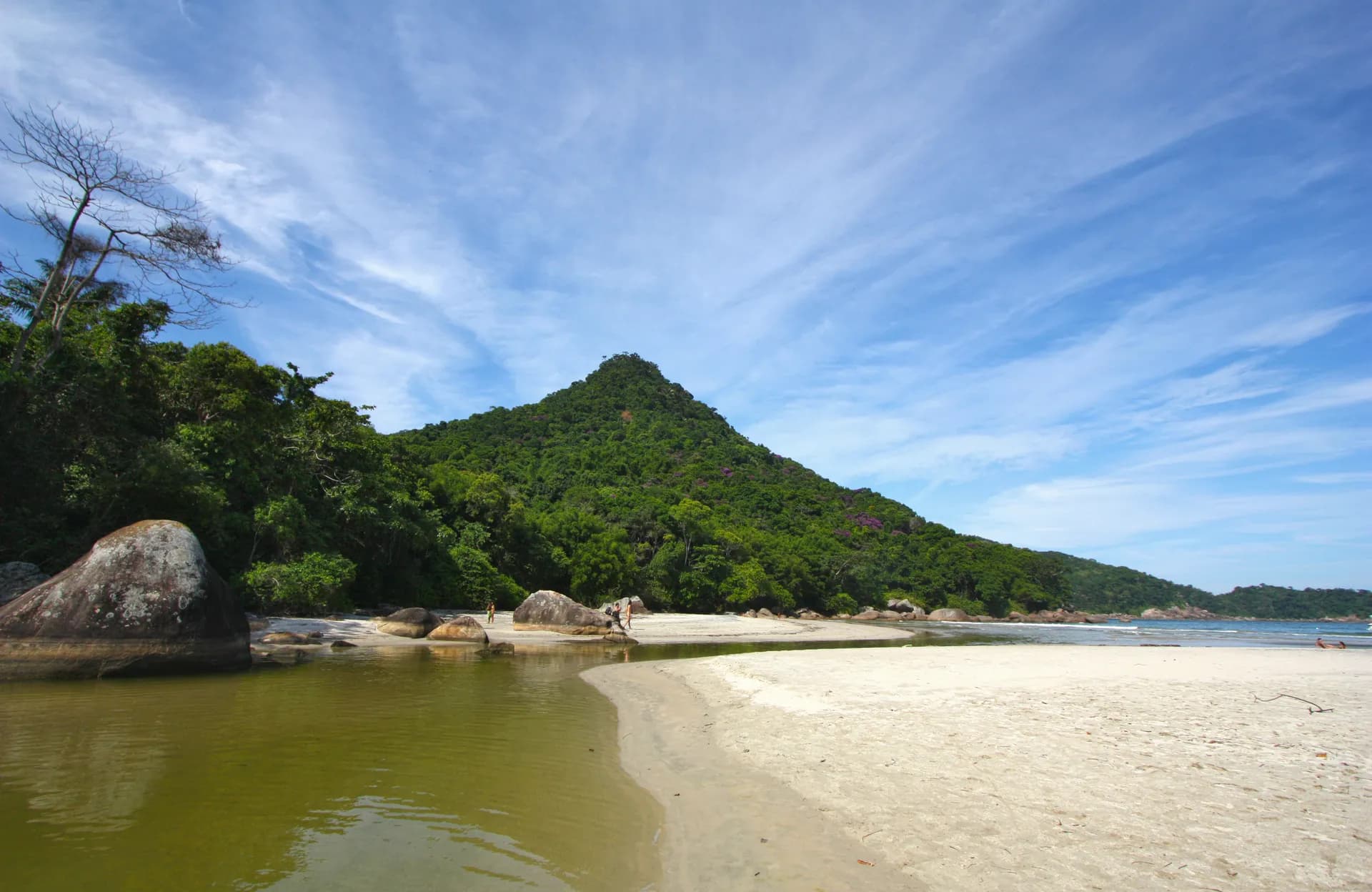
Ilha Grande's biggest draw today exists largely because of what the island used to be. From 1903 until 1994, it held Instituto Penal Cândido Mendes, one of Brazil's most notorious maximum-security prisons, and the restricted access that came with operating a major penal colony kept large-scale development, roads, resorts, the usual infrastructure of coastal tourism, off the island for most of the 20th century. When the prison finally closed, what remained was over 100 beaches and dense Atlantic Forest largely undisturbed by the kind of construction that reshaped much of Brazil's more accessible coastline over the same decades.
That legacy shows up most directly in the island's complete absence of cars. Vila do Abraão, the main settlement, and the network of trails connecting the island's beaches were never built for vehicles, and today everything moves on foot, by small boat, or occasionally bicycle, a genuinely unusual pace for a destination this close to a major metropolitan area. Rio de Janeiro sits roughly 2.5 to 3 hours away by bus and ferry combined, close enough for a weekend trip, far enough removed in atmosphere to feel like a different country.
Lopes Mendes, reachable by a scenic hike or boat, regularly ranks among Brazil's most beautiful beaches, a long stretch of fine white sand backed by forest with minimal development along its length. Praia Preta and Praia do Bananal offer quieter, closer alternatives near Vila do Abraão for visitors without the time or inclination for a longer trek, and Lagoa Azul's clear water draws snorkelers hoping to spot the sea turtles that frequent the area.
The prison ruins themselves remain on the island, gradually being reclaimed by the same forest that grew back around them once restrictions lifted, a physical reminder of the specific history that shaped what Ilha Grande became. Few Brazilian beach destinations carry as direct a connection between a difficult past and a genuinely rewarding present, the isolation that once confined prisoners now the same isolation that's kept the beaches this undeveloped.
For travelers based in Rio, Ilha Grande offers one of the most complete escapes available within a single weekend, car-free trails, forest-backed beaches, and a pace shaped by decades of enforced disconnection from exactly the kind of development most coastal escapes eventually attract.
What a trip here actually costs
$55 / day avg.
- Hostel or budget guesthouse in Vila do Abraão
- Ferry from the mainland, round trip
- Local Brazilian meals
- Beach hiking trails, free
What to do at this tier
- • Hike to Lopes Mendes beach, free
- • Vila do Abraão village wander, free
- • Praia Preta and Praia do Bananal, free
$130 / day avg.
- Beachfront pousada
- Boat tour around the island
- Restaurant meals
- Guided hike to Lopes Mendes beach
What to do at this tier
- • Full-day boat tour around the island's beaches
- • Guided Atlantic Forest jungle trek
- • Snorkeling at Lagoa Azul
These are average estimates for planning purposes, not real-time prices — actual costs vary by season, availability, and how far ahead you book.
How to get there
Click anywhere on the world map — any airport works, not just our main hubs.
Click anywhere on the map above — any airport in the world works — to see estimated travel time and cost from there.
Times and prices are planning estimates, not live fares — always check a booking site before you commit. See the full Transport Comparison guide for the general tradeoffs of each mode.
Best time to visit
April-October avoids the busiest Brazilian summer holiday crowds and Rio's peak humidity; the island stays warm enough for beaches year-round.
Safety notes
Generally very safe, particularly in the main Vila do Abraão area; standard precautions apply on longer, more remote jungle trails.
Visa & currency
Brazilian real (BRL). Many nationalities receive visa-free entry for short stays; confirm current requirements before booking.
Questions people ask before visiting
Is Ilha Grande worth visiting?
Yes, it's regularly cited among Brazil's best beach destinations, with over 100 beaches across the island, no cars, and hiking trails through Atlantic Forest connecting them, a direct result of the decades of restricted access during the island's prison era.
Why does Ilha Grande have no cars?
The island's main settlement, Vila do Abraão, and the trails connecting its beaches were never built out for vehicle traffic, partly a legacy of the island's restricted status during its decades as a prison colony. Today all transport around the island happens on foot, by boat, or occasionally by bicycle.
What was Ilha Grande's prison history?
The island held Instituto Penal Cândido Mendes, one of Brazil's most notorious maximum-security prisons, from 1903 until its closure in 1994. That long restricted-access period kept large-scale tourism development off the island for most of the 20th century, leaving its forests and beaches largely undisturbed by the time it closed.
How do you get to Ilha Grande?
Ferries run from Angra dos Reis or Mangaratiba on the mainland, roughly 80-150 minutes depending on the departure point, both reachable by bus or car from Rio de Janeiro in about 2.5 to 3 hours.
Nearby destinations
 Rio de Janeiro
Rio de Janeiro
Brazil
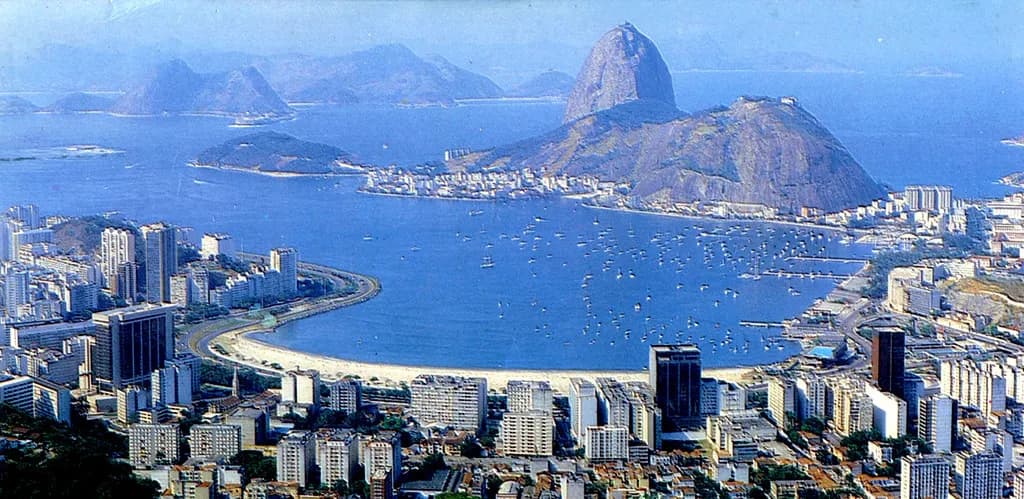
Christ the Redeemer took nine years to build and stands on a mountain that's part of a national park inside city limits — Rio has more urban rainforest within its borders than almost any other major city on Earth.
See full guide →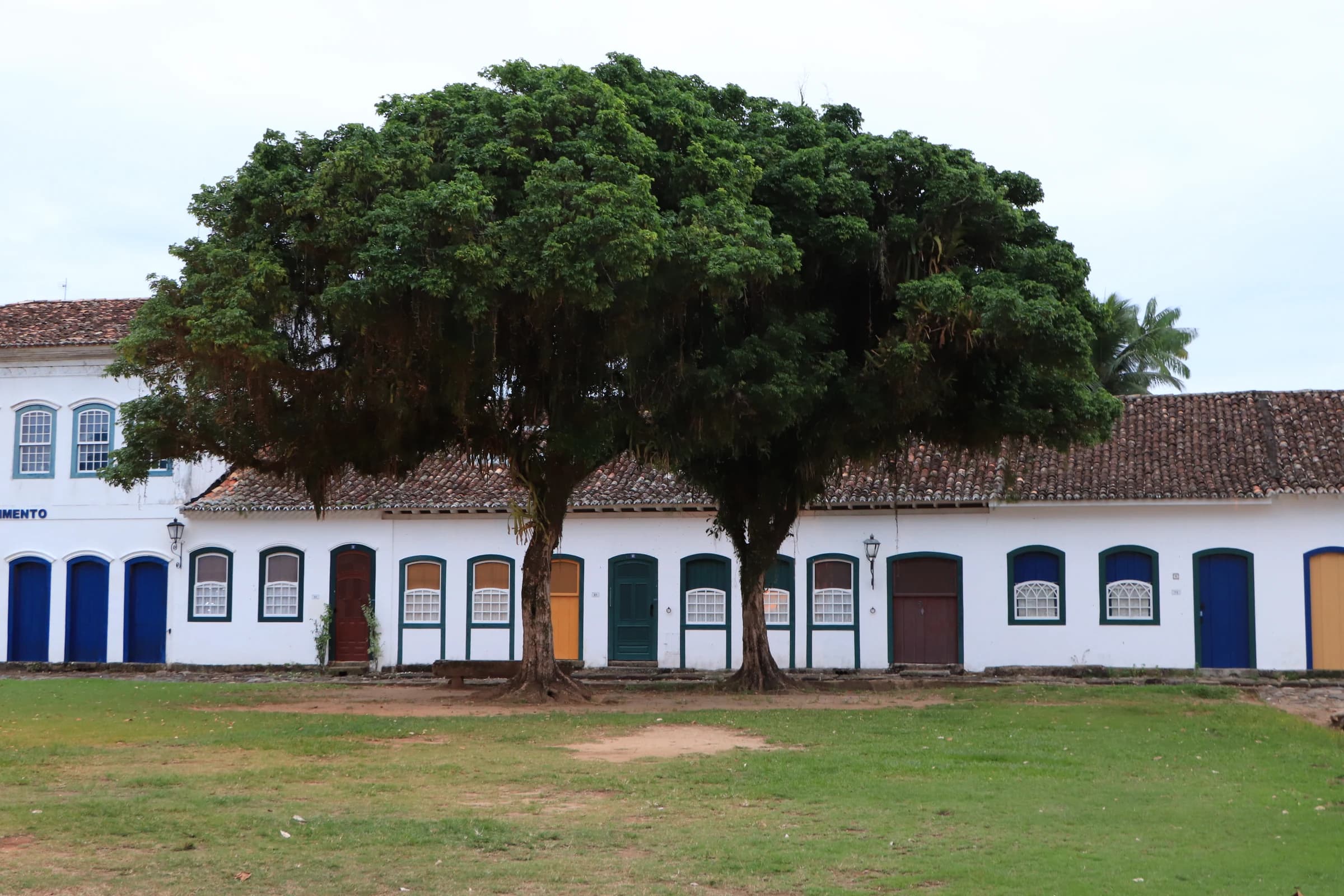 Paraty
Paraty
Brazil
Paraty's colonial builders sloped the town's cobblestone streets so that high tide floods them on purpose, a deliberate design meant to flush waste out to sea, and 300 years later the streets still flood right on schedule.
See full guide →Comparing more than one route? See the full transport comparison guide.