Chile · South America
Easter Island
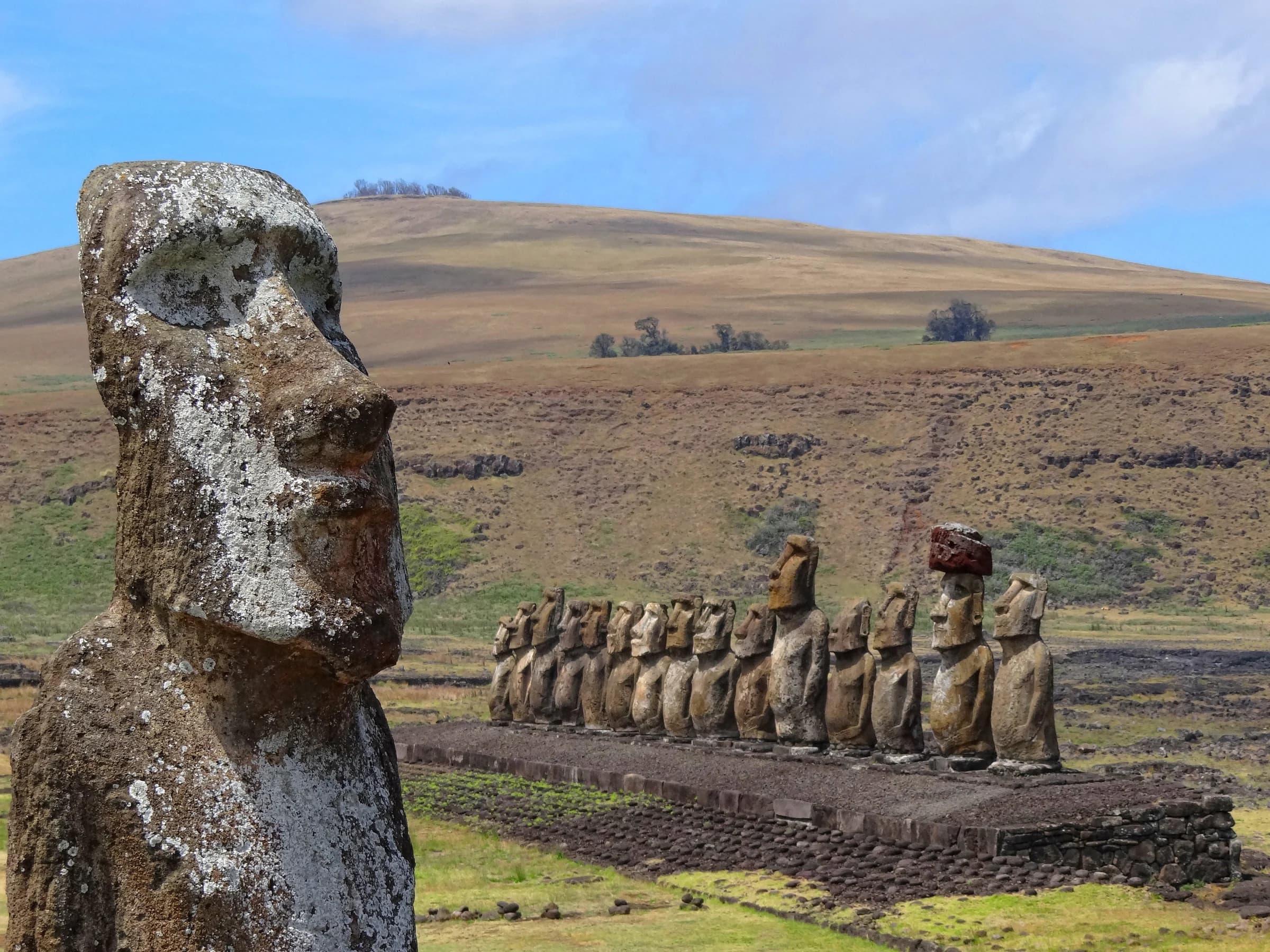
Easter Island sits roughly 3,500 kilometers from mainland Chile and over 2,000 kilometers from the nearest inhabited island, making it one of the most remote inhabited places on Earth — which makes it even more remarkable that its Rapa Nui ancestors carved and moved nearly 900 multi-ton moai statues across it centuries before any outside contact.
Easter Island's isolation is genuinely extreme even by remote-island standards — roughly 3,500 kilometers from mainland Chile and over 2,000 kilometers from the nearest inhabited landmass, Pitcairn Island, making it one of the most remote permanently inhabited places anywhere on Earth. That distance makes the island's defining achievement more remarkable, not less: the Rapa Nui people carved and transported nearly 900 moai statues, some weighing over 80 tons, across the island using nothing but tools and methods developed entirely in isolation, centuries before any outside contact.
How the statues actually moved from their volcanic quarry to ceremonial platforms around the island puzzled outsiders for generations. The leading modern theory, tested through physical experiments, suggests the Rapa Nui used ropes attached at different points to rock each upright statue side to side in a walking motion — a method that lines up closely with Rapa Nui oral tradition, which has always maintained, more literally than outsiders initially assumed, that the statues walked.
Rano Raraku, the volcanic crater that served as the primary quarry, still holds roughly 400 moai in various stages of completion, some fully carved but never moved, others still partially attached to the rock — a genuinely striking record of a production process interrupted, likely by the social and ecological upheaval that reshaped the island before European contact in 1722.
Despite belonging to Chile since 1888, the island's culture, language, and ancestry remain distinctly Polynesian, entirely separate from mainland South American heritage — a combination that shows up everywhere from place names to the annual Tapati Rapa Nui festival, which celebrates Polynesian traditions rather than Chilean ones.
Nearly the entire island's archaeological heritage sits within Rapa Nui National Park, a UNESCO World Heritage Site protecting not just the moai themselves but the quarries, ceremonial platforms, and petroglyphs that together tell the story of a civilization that built one of the world's most singular cultural landscapes in near-total isolation.
What a trip here actually costs
$180 / day avg.
- 3-star hotel near Hanga Roa, the island's only town
- National Park entry, valid for 10 days
- Rental car or scooter for self-guided touring
- Casual meals at local restaurants
What to do at this tier
- • Ahu Tongariki, the largest group of restored moai, especially at sunrise
- • Rano Raraku, the volcanic crater quarry where most moai were carved, many still left in progress
- • Anakena Beach, a white-sand beach with several restored moai nearby
$450 / day avg.
- Boutique hotel or lodge
- Private guided archaeological tour of major moai sites
- Fine dining reservations
- Horseback riding tour to remote sites
What to do at this tier
- • Private guided archaeological tour covering the island's major ceremonial sites
- • Horseback riding tour to more remote moai and petroglyph sites
- • Sunset dinner overlooking Ahu Tahai's restored statues
These are average estimates for planning purposes, not real-time prices — actual costs vary by season, availability, and how far ahead you book.
How to get there
Click anywhere on the world map — any airport works, not just our main hubs.
Click anywhere on the map above — any airport in the world works — to see estimated travel time and cost from there.
Times and prices are planning estimates, not live fares — always check a booking site before you commit. See the full Transport Comparison guide for the general tradeoffs of each mode.
Best time to visit
December through March brings the warmest, driest weather, coinciding with the island's Tapati Rapa Nui cultural festival in early February.
Safety notes
Very safe with low crime; the main practical consideration is the island's limited infrastructure, so booking accommodation and car rentals in advance matters more here than in most destinations.
Visa & currency
Chilean peso (CLP), Easter Island's official currency despite its distance from the mainland. Most Western passport holders can enter Chile visa-free for tourist stays — worth confirming current requirements before booking, along with the separate National Park entry fee paid on arrival.
Questions people ask before visiting
How were the moai statues actually moved?
The leading modern theory, supported by experiments, is that the Rapa Nui used ropes to rock the statues side to side in a walking motion, moving them upright rather than dragging them flat. Oral tradition has long held that the statues walked, a description that turns out to match this physical method fairly closely.
How do you get to Easter Island?
By flight only, typically from Santiago, Chile, a roughly five-hour flight covering one of the longest regularly scheduled routes to an inhabited island anywhere in the world. There's no practical boat option for tourists given the distance involved.
Is Easter Island part of Chile?
Yes, it's been a Chilean special territory since 1888, though it's Polynesian in culture, language, and ancestry, entirely distinct from mainland Chilean or broader South American heritage — a genuinely unusual combination reflected in the island's dual Spanish and Rapa Nui place names.
Is Easter Island worth visiting?
Yes, though it requires real commitment given the remote location and cost — nearly all of the roughly 900 moai and the island's other archaeological sites are protected within Rapa Nui National Park, a genuinely unique cultural landscape with no real equivalent elsewhere.
Nearby destinations
 Santiago
Santiago
Chile
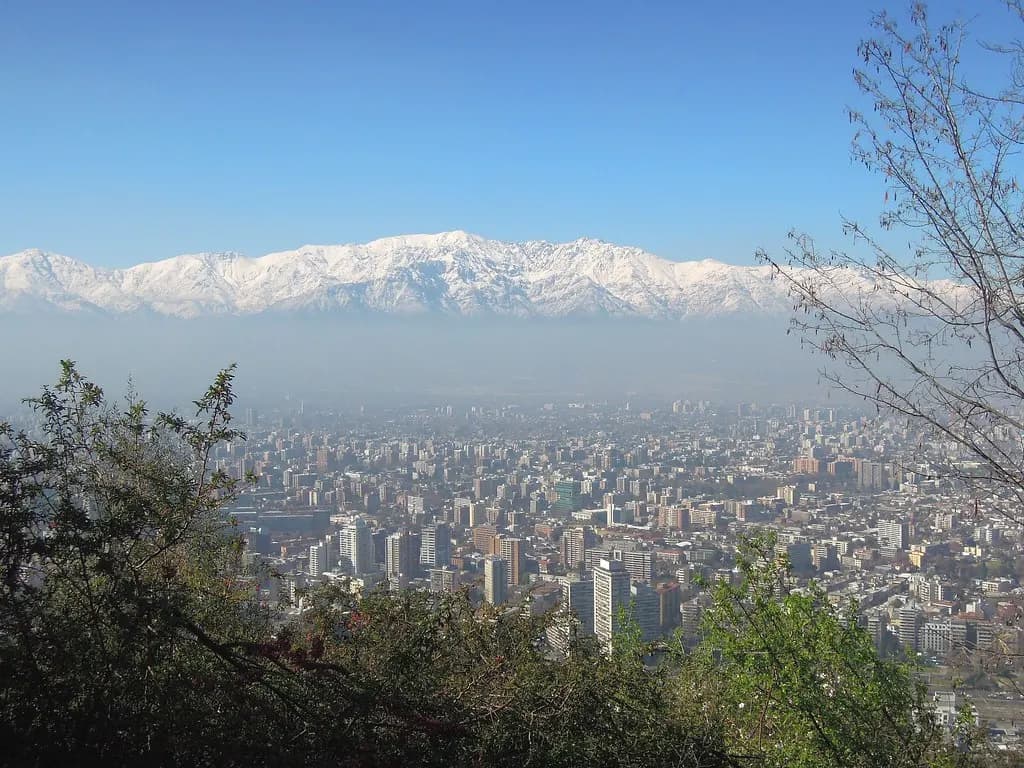
You can ski the Andes and be back in downtown Santiago for dinner the same day — a handful of major resorts sit less than two hours from a capital city of over 6 million people, a combination almost no other capital in the world can genuinely offer.
See full guide →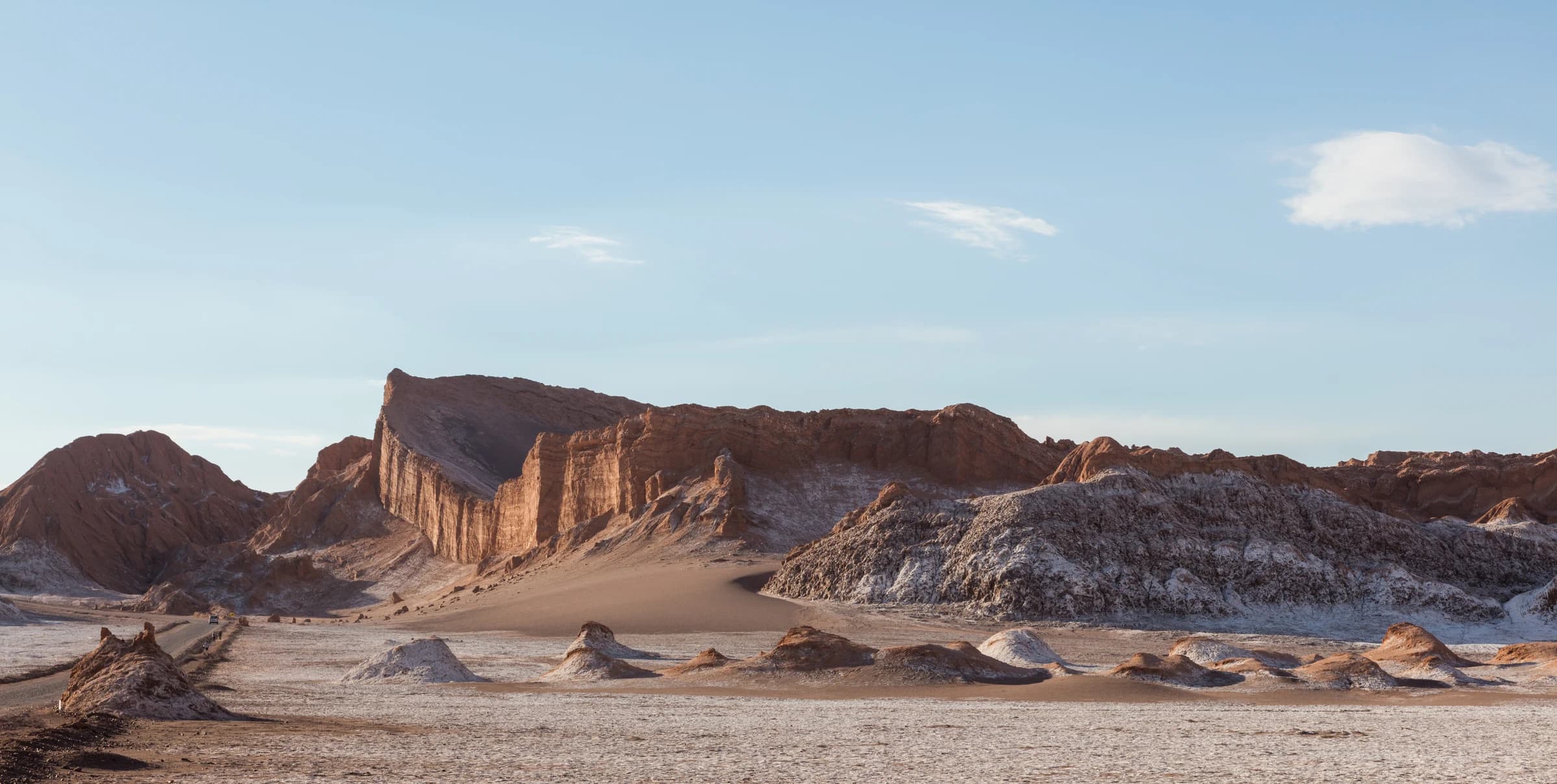 San Pedro de Atacama
San Pedro de Atacama
Chile
Some weather stations in the Atacama Desert around San Pedro have never recorded a single drop of rain since records began, making it the driest non-polar desert on Earth — and that same relentlessly clear, dry air is exactly why the world's most powerful array of radio telescopes was built on a plateau nearby.
See full guide →Comparing more than one route? See the full transport comparison guide.