Argentina · South America
El Calafate
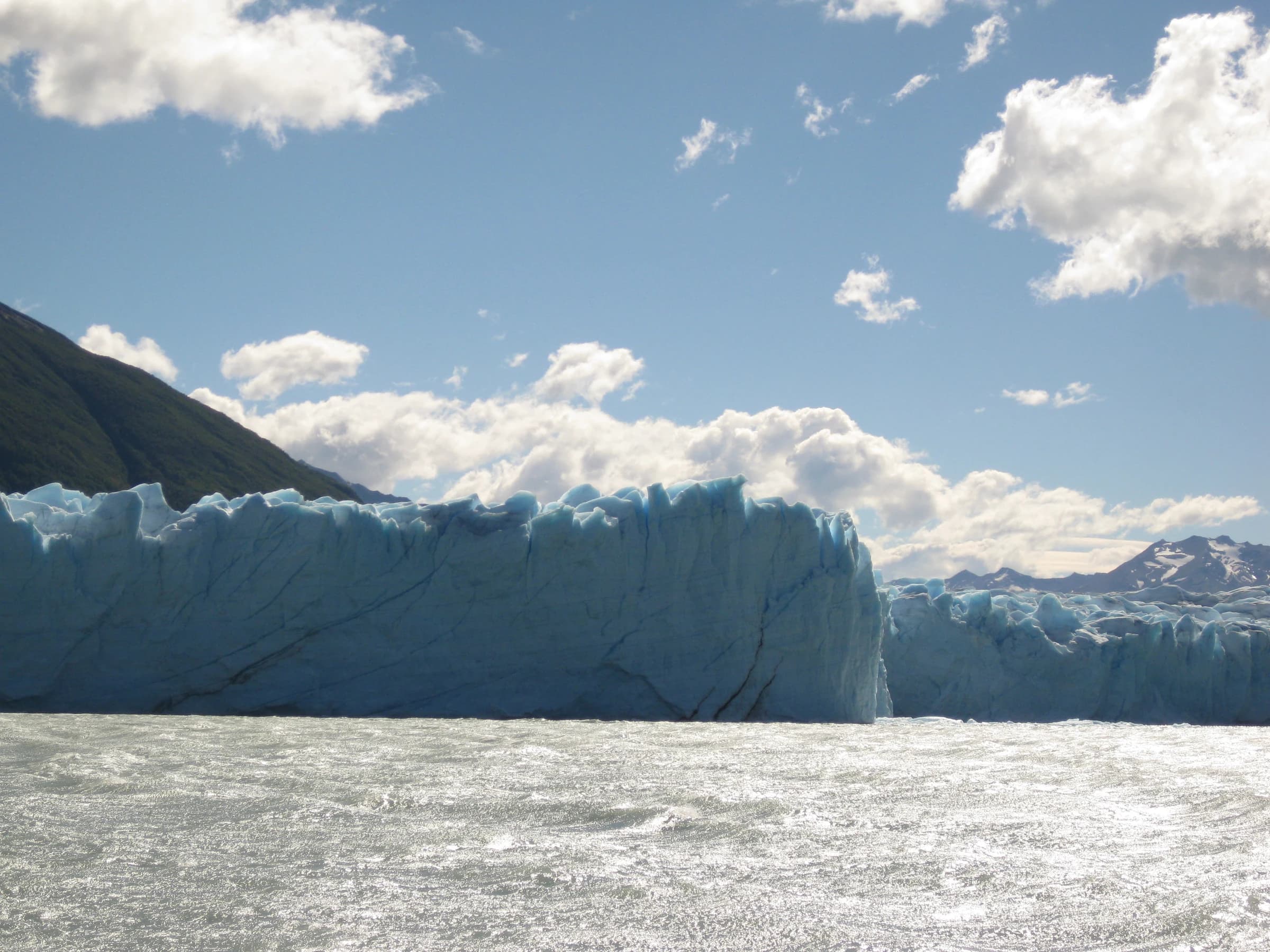
The Perito Moreno Glacier is one of the very few glaciers on Earth that isn't retreating — it advances roughly two meters a day in places, and when massive chunks of ice calve off its 5-kilometer face into the lake below, the crack echoes across the water loud enough to hear from the viewing platforms hundreds of meters away.
The Perito Moreno Glacier holds a genuinely rare distinction among the world's glaciers: it's roughly stable rather than retreating, advancing as much as two meters a day in places even as most glaciers worldwide have shrunk dramatically over recent decades. That stability comes from a favorable balance in its source ice field, where snowfall accumulation has largely kept pace with the ice lost at the glacier's face — a balance that climate change has disrupted almost everywhere else.
That advancing ice face, roughly five kilometers wide and up to 70 meters tall above the waterline, regularly calves, sending massive chunks of ice crashing into Lake Argentino below. The crack and impact carry clearly across the water, audible from the viewing platforms and walkways built directly across from the face, close enough to feel genuinely dramatic without putting visitors at risk.
For a closer encounter, guided ice trekking tours combine a boat approach across the lake with a walk directly on the glacier's surface, fitted with crampons and led by certified guides given the real crevasse hazards scattered across the ice — an experience considerably more intense than the viewing platforms, and priced accordingly.
El Calafate itself grew up almost entirely around glacier tourism, and its position also makes it a practical gateway to El Chaltén, a few hours north by road and widely considered Argentina's trekking capital, home to the trails leading toward Mount Fitz Roy's dramatic granite spires — a natural extension for visitors building a longer Patagonia itinerary.
The surrounding steppe and lake ecosystem supports its own wildlife distinct from the glacier itself, including flamingos at the nearby Laguna Nimez reserve, a reminder that this part of Patagonia offers more than ice, even if the glacier remains the reason most visitors come.
What a trip here actually costs
$150 / day avg.
- 3-star hotel in town
- Perito Moreno Glacier viewing platform tour
- Sit-down Patagonian lamb dinners
- Boat approach to the glacier face
What to do at this tier
- • Perito Moreno Glacier viewing platforms, the standard and most accessible way to see it
- • Boat trip across Lake Argentino for a closer approach to the glacier face
- • Laguna Nimez Nature Reserve for birdwatching, including flamingos, near town
$380 / day avg.
- Lodge with lake or glacier views
- Full-day ice trekking excursion with crampons
- Fine dining reservations
- Private day trip to El Chaltén and Fitz Roy viewpoints
What to do at this tier
- • Full-day ice trekking excursion on the glacier itself with crampons
- • Private day trip to El Chaltén for Mount Fitz Roy viewpoints
- • Lodge stay with private glacier or lake views
These are average estimates for planning purposes, not real-time prices — actual costs vary by season, availability, and how far ahead you book.
How to get there
Click anywhere on the world map — any airport works, not just our main hubs.
Click anywhere on the map above — any airport in the world works — to see estimated travel time and cost from there.
Times and prices are planning estimates, not live fares — always check a booking site before you commit. See the full Transport Comparison guide for the general tradeoffs of each mode.
Best time to visit
November through March, Patagonia's summer, brings the most stable weather and longest daylight hours for glacier viewing and hiking. Winters are genuinely cold, though the glacier remains viewable year-round.
Safety notes
Very safe with low crime; glacier trekking carries real crevasse risk and is only done with certified guides, and Patagonian weather can shift quickly, so layered clothing matters regardless of season.
Visa & currency
Argentine peso (ARS). Most Western passport holders can enter Argentina visa-free for tourist stays — worth confirming current requirements before booking.
Questions people ask before visiting
Why doesn't the Perito Moreno Glacier retreat like most glaciers?
It sits in a rare climatic sweet spot where snowfall accumulation in its source ice field roughly balances the ice lost at its face, a stability most glaciers worldwide have lost as the climate has warmed. It's not entirely immune to change, but it remains one of the very few major glaciers holding steady rather than shrinking.
Can you walk on the Perito Moreno Glacier?
Yes, through guided ice trekking tours using crampons, typically combined with a boat approach across Lake Argentino. Tours range from shorter mini-treks to full-day excursions, and all require a certified guide given the genuine crevasse hazards on the ice.
What's the best way to see the glacier calve?
The viewing platforms and walkways directly across from the glacier's face give the most reliable views, close enough to both see and hear the ice cracking and falling. Calving happens unpredictably, so patience and a few hours at the platforms improve your odds of catching a dramatic break.
Is El Calafate a good base for exploring Patagonia?
Yes — beyond the glacier itself, it's a common gateway to El Chaltén, Argentina's hiking capital and the base for trekking near Mount Fitz Roy, a few hours away by road, making the two towns a natural pairing for a longer Patagonia trip.
Nearby destinations
 Ushuaia
Ushuaia
Argentina
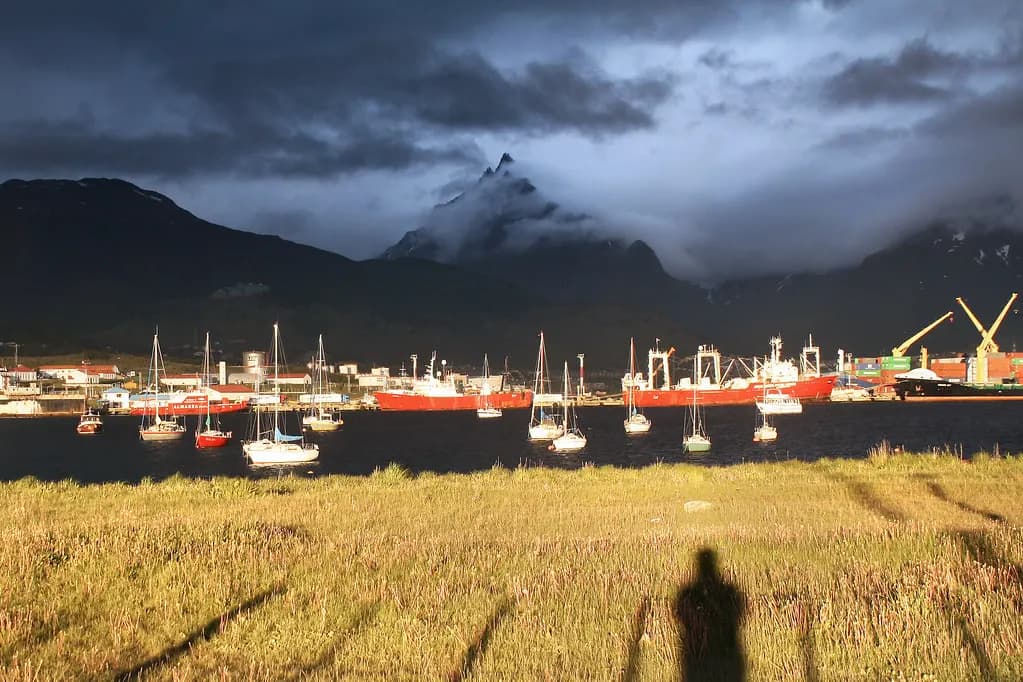
Ushuaia calls itself "the end of the world," and the claim holds up better than most marketing slogans — it's the southernmost city on Earth with a real airport and hotels, closer to Antarctica than to most of the rest of Argentina.
See full guide →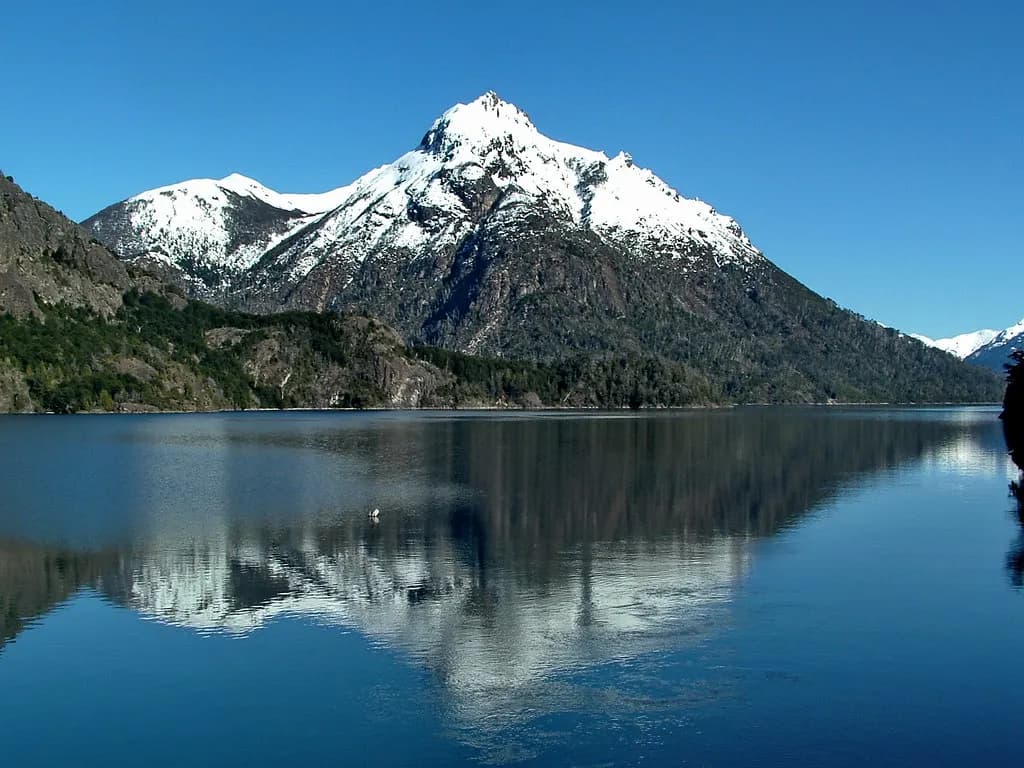 Bariloche
Bariloche
Argentina
Bariloche looks so much like the Swiss Alps that its own founders built the town in a deliberately Alpine style on purpose — chocolate shops, alpine chalets, and a lake district so extensive it takes days just to see the highlights.
See full guide →Comparing more than one route? See the full transport comparison guide.