Chile · South America
Chiloé
Chiloé's wooden churches were built entirely without a single nail, held together with wooden pegs and joinery techniques passed down through generations of local shipbuilders, and the island's isolation from mainland Chile ran deep enough that it developed its own distinct mythology, complete with shape-shifting sea creatures still spoken of as genuinely real by some older residents.
Chiloé's wooden churches, built starting in the 17th and 18th centuries by Jesuit missionaries working alongside local shipbuilders, were constructed entirely without nails, relying instead on wooden pegs and joinery techniques drawn directly from the island's boatbuilding traditions. More than 60 of these churches survive across Chiloé today, sixteen of them recognized together as a UNESCO World Heritage Site, a scale of preserved wooden religious architecture found almost nowhere else in South America.
That craftsmanship reflects a broader isolation that shaped Chiloé's culture distinctly from mainland Chile for centuries. Separated by a strait and historically difficult to reach, the island developed its own body of folklore entirely separate from mainland Chilean tradition, including figures like the Trauco, a forest-dwelling creature blamed in local storytelling for various misfortunes, and the Pincoya, a sea spirit believed to influence the success or failure of a day's fishing. These aren't treated purely as historical curiosities; some older residents still speak of them with genuine, if qualified, belief.
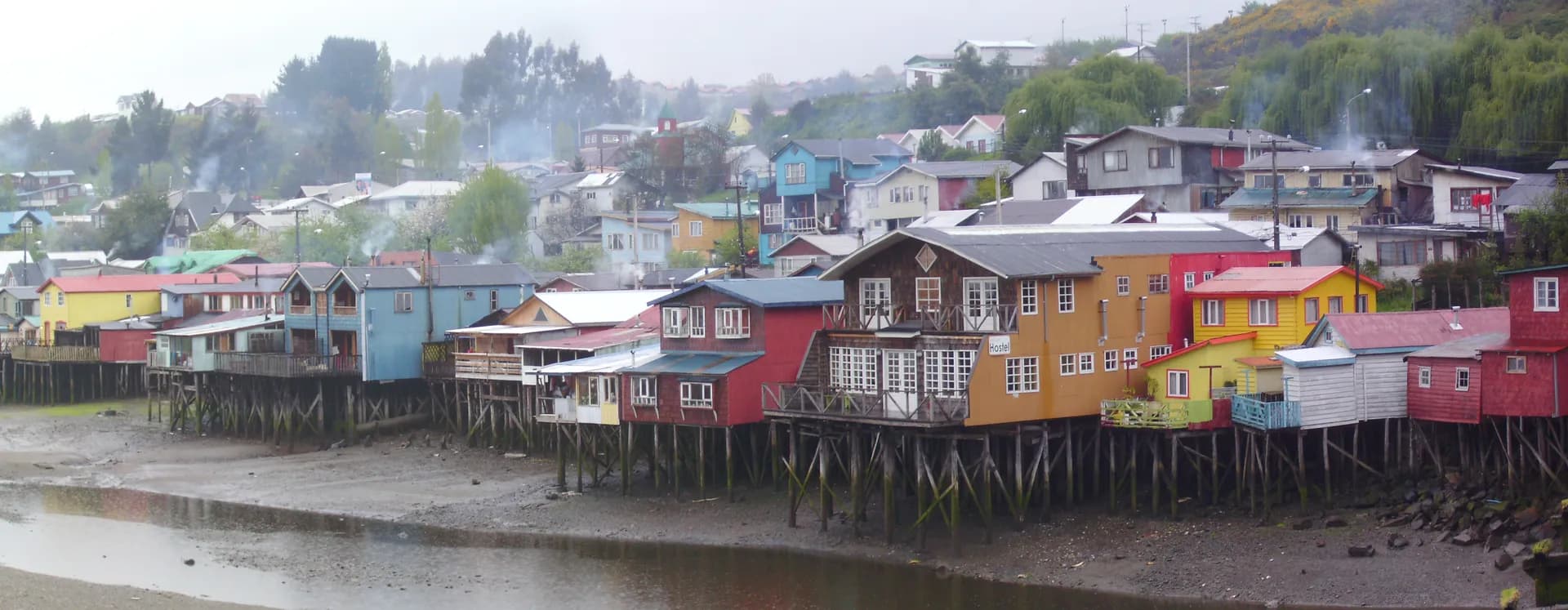
Castro, Chiloé's largest city, holds the island's most recognizable modern image in its palafitos, brightly painted houses built on stilts directly over the water, historically constructed this way to give residents direct water access for fishing and boat storage from their own homes. Rows of these colorful houses along the waterfront have become one of the most photographed scenes in southern Chile.
Curanto, a traditional dish combining shellfish, meat, and potatoes cooked in a pit lined with hot stones and covered with local nalca leaves, remains a genuine culinary centerpiece of Chiloé identity, prepared for both everyday meals and larger community gatherings, a cooking method predating European contact.
Chiloé National Park and the surrounding coastal waters hold both Humboldt and Magellanic penguin colonies, along with a range of other marine wildlife, giving the island a natural draw alongside its architecture and folklore, and boat tours from towns like Ancud make spotting the penguins a straightforward addition to a visit otherwise centered on the island's churches and stilt houses.
What a trip here actually costs
$40 / day avg.
- Guesthouse in Castro or Ancud
- Local bus transport between towns
- Curanto and local restaurant meals
- Wooden church visits, free or low cost
What to do at this tier
- • Castro's palafitos (stilt houses) walk, free
- • Wooden churches circuit, several free or low entry fee
- • Local curanto meal, a traditional pit-cooked dish
$100 / day avg.
- 3-star hotel with water views
- Guided wooden church and palafitos tour
- Chiloé National Park day trip
- Sit-down restaurant dinners
What to do at this tier
- • Guided tour covering multiple UNESCO-listed wooden churches
- • Chiloé National Park day trip
- • Boat tour to spot Humboldt and Magellanic penguins
These are average estimates for planning purposes, not real-time prices — actual costs vary by season, availability, and how far ahead you book.
How to get there
Click anywhere on the world map — any airport works, not just our main hubs.
Click anywhere on the map above — any airport in the world works — to see estimated travel time and cost from there.
Times and prices are planning estimates, not live fares — always check a booking site before you commit. See the full Transport Comparison guide for the general tradeoffs of each mode.
Best time to visit
December-March, the Southern Hemisphere summer, brings the mildest and driest conditions; the island sees significant rain much of the rest of the year.
Safety notes
Very safe with low crime; ferry and bus schedules between towns should be checked in advance given the island's more limited transport frequency.
Visa & currency
Chilean peso (CLP). Many nationalities can enter visa-free for tourism, worth confirming based on passport before booking.
Questions people ask before visiting
Is Chiloé worth visiting?
Yes — Chiloé holds a UNESCO-listed collection of over 60 wooden churches built without nails, the colorful stilt houses (palafitos) of Castro, and a genuinely distinct local culture and mythology that developed from centuries of relative isolation from mainland Chile.
Why are Chiloé's churches significant?
Jesuit missionaries and local shipbuilders built more than 60 wooden churches across the island starting in the 17th and 18th centuries, using traditional joinery and wooden pegs rather than nails, a technique reflecting local boatbuilding skill. Sixteen of these churches hold UNESCO World Heritage status.
What are Chiloé's palafitos?
Colorful traditional houses built on stilts directly over the water, most famously in the city of Castro, historically built this way to allow residents access to the water for fishing and boat storage directly from their homes.
What is Chiloé's mythology?
Chiloé holds a distinct body of folklore separate from mainland Chilean tradition, including figures like the Trauco, a forest-dwelling creature, and the Pincoya, a sea spirit tied to fishing luck, myths that emerged from the island's centuries of relative isolation and still hold cultural weight locally today.
Nearby destinations
 Santiago
Santiago
Chile
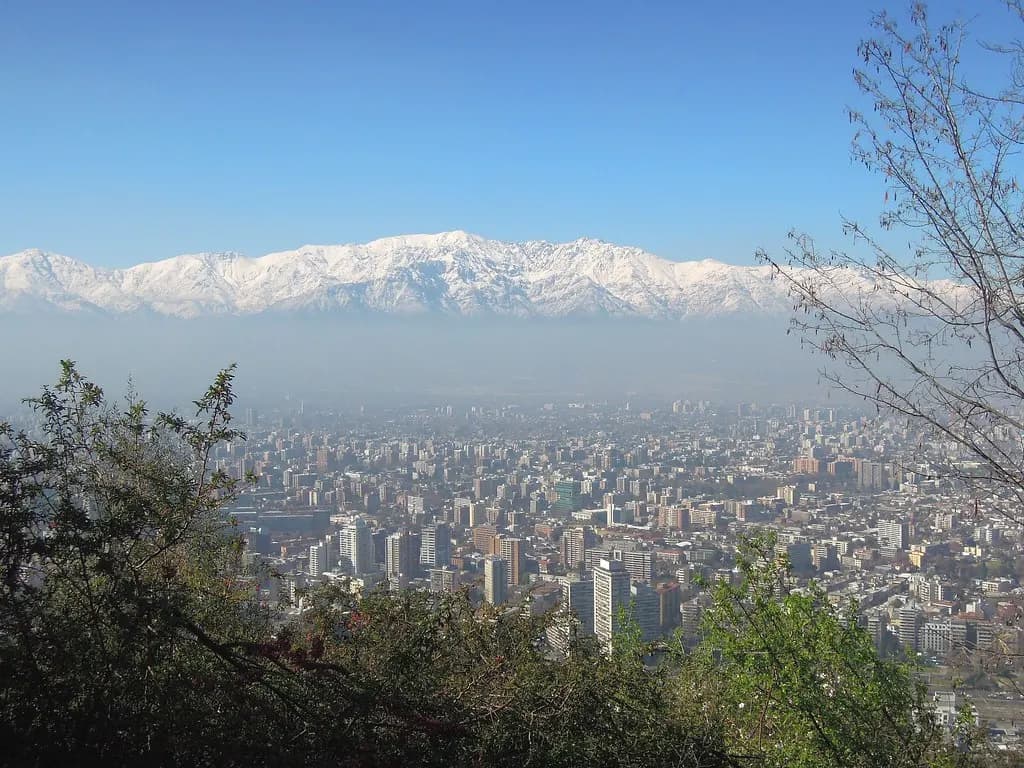
You can ski the Andes and be back in downtown Santiago for dinner the same day — a handful of major resorts sit less than two hours from a capital city of over 6 million people, a combination almost no other capital in the world can genuinely offer.
See full guide →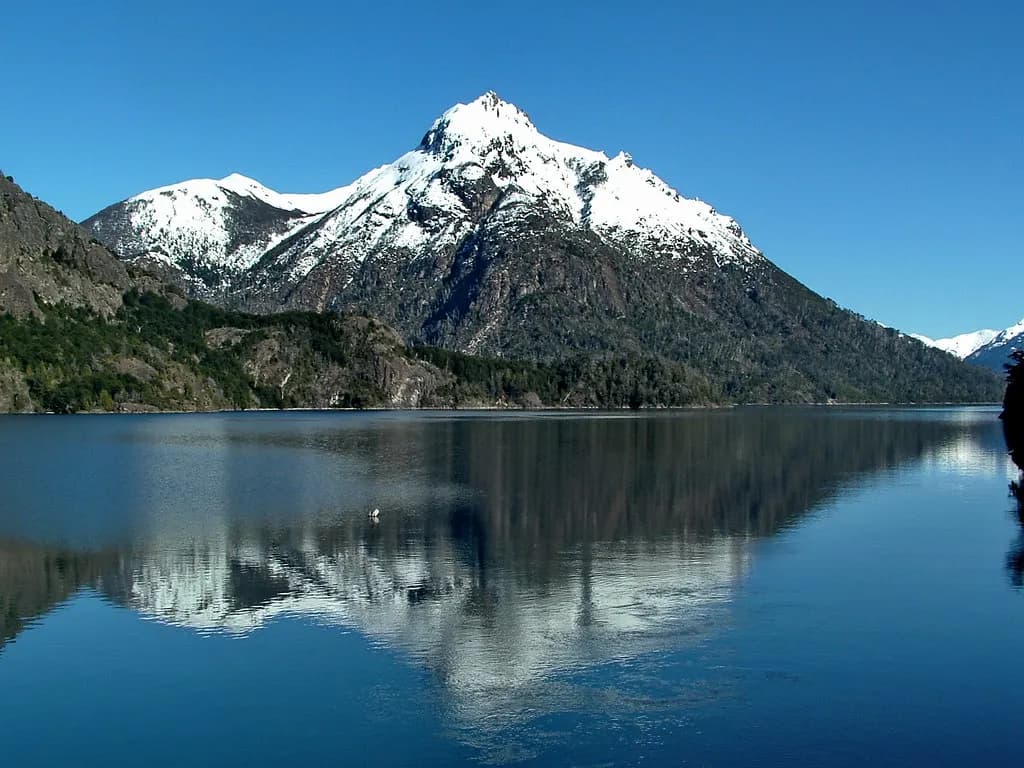 Bariloche
Bariloche
Argentina
Bariloche looks so much like the Swiss Alps that its own founders built the town in a deliberately Alpine style on purpose — chocolate shops, alpine chalets, and a lake district so extensive it takes days just to see the highlights.
See full guide →Comparing more than one route? See the full transport comparison guide.