Argentina · South America
Iguazú Falls
Iguazú Falls is wider than Niagara and taller than Victoria Falls, and the comparison locals love to repeat is Eleanor Roosevelt's reported first reaction on seeing it: "Poor Niagara."
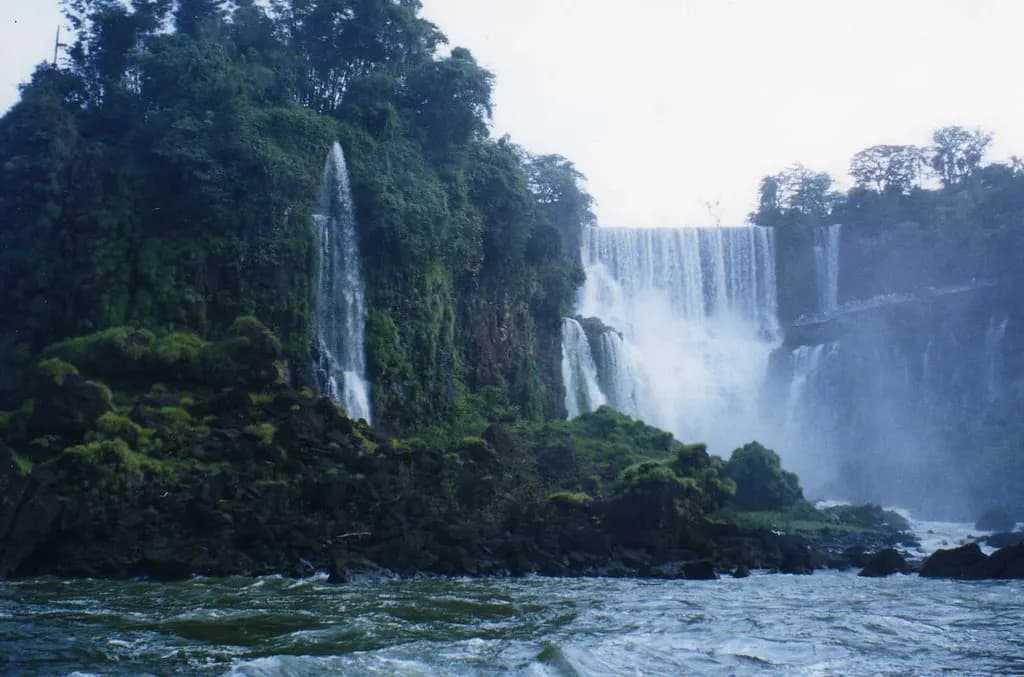
Iguazú Falls consists of around 275 individual waterfalls spread across nearly 3 kilometers on the border between Argentina and Brazil, a scale that genuinely dwarfs Niagara Falls in width and rivals Victoria Falls in height — a combination that reportedly led Eleanor Roosevelt to exclaim "Poor Niagara" on her first visit, a line locals still repeat with evident pride.
The Argentina side offers the more immersive experience, with metal walkways built directly over and alongside the falls, including a path leading straight to the edge of the Devil's Throat (Garganta del Diablo), the most powerful single section, where the sheer volume and noise of falling water make conversation genuinely difficult at close range.
The Brazil side, by contrast, sits across the canyon and gives a more sweeping, photographable panoramic view of the entire falls system at once — the two national parks, one on each side of the border, are widely considered complementary rather than redundant, and visitors with time for both usually come away glad they made the crossing.
Beyond the falls themselves, the surrounding national park protects a substantial stretch of Atlantic Forest, one of the most biodiverse and endangered rainforest ecosystems on Earth, and genuine wildlife encounters are common along the walkways — coatis (a raccoon-like animal notorious for stealing unattended food), toucans, and capybaras all regularly appear without requiring a dedicated safari.
Boat tours that motor directly into the spray beneath several of the falls give a completely different, far more visceral experience than the walkways — a genuinely soaking, adrenaline-charged few minutes that most visitors describe as a highlight, provided electronics are properly protected beforehand.
What a trip here actually costs
$40 / day avg.
- Hostel in Puerto Iguazú
- Local bus fares to the park entrance
- Casual lunches near the falls
- National park entry ticket
What to do at this tier
- • Argentina side's Lower and Upper Circuit walkways, national park entry fee only
- • Wildlife spotting within the park, coatis and toucans are commonly seen, free once inside
- • Devil's Throat viewpoint via the park's small train, included in entry
$100 / day avg.
- 3-star hotel in Puerto Iguazú
- National park entry for both trail systems
- Sit-down dinners
- Boat tour beneath the falls
What to do at this tier
- • Boat tour directly into the spray beneath several major falls, a genuinely soaking, thrilling experience
- • Brazil side panoramic walkway, requiring a border crossing but giving the best full-falls view
- • Sit-down dinner in Puerto Iguazú featuring regional Argentine dishes
$230 / day avg.
- 4-5 star hotel near the park
- Private guided tour of both Argentina and Brazil sides
- Multi-course dinner
- Private helicopter or premium boat experience
What to do at this tier
- • Private guided tour covering both the Argentina and Brazil sides in a single well-organized day
- • Premium boat or helicopter experience for an elevated, less crowded perspective
- • Multi-course dinner at a well-regarded restaurant in Puerto Iguazú
These are average estimates for planning purposes, not real-time prices — actual costs vary by season, availability, and how far ahead you book.
How to get there
Click anywhere on the world map — any airport works, not just our main hubs.
Click anywhere on the map above — any airport in the world works — to see estimated travel time and cost from there.
Times and prices are planning estimates, not live fares — always check a booking site before you commit. See the full Transport Comparison guide for the general tradeoffs of each mode.
Best time to visit
April-September brings cooler, more comfortable temperatures; water volume is generally higher and more spectacular during the wetter summer months (December-March), a genuine tradeoff between comfort and spectacle.
Safety notes
Very safe overall within the national park; standard caution on wet, slippery walkways near the falls is sensible.
Visa & currency
Argentine peso (ARS) on the Argentina side, Brazilian real (BRL) on the Brazil side. Visa requirements vary by nationality for both countries; worth confirming current requirements for each before planning a border crossing.
Questions people ask before visiting
Should I visit the Argentina side or the Brazil side of Iguazú Falls?
Both if possible — the Argentina side offers close-up walkways directly over and beside the falls, including the powerful Devil's Throat, while the Brazil side gives a more sweeping panoramic view of the whole falls system from across the canyon. Visiting both requires crossing an international border but is manageable in two days.
Is Iguazú Falls worth visiting?
Yes — it's one of the most powerful and visually overwhelming natural wonders in the world, wider than Niagara Falls and consisting of around 275 individual cascades spread across nearly 3 kilometers, set within a national park home to genuine wildlife like coatis, toucans, and capybaras.
Is the boat tour under the falls worth it?
Yes, for travelers who don't mind getting completely soaked — boats approach directly into the spray beneath several of the falls, a genuinely thrilling, high-intensity experience distinct from the walkway views. Waterproof bags for phones and cameras are essential.
How many days do you need at Iguazú Falls?
One full day covers the Argentina side's main walkways and the Devil's Throat viewpoint. Two days allow both the Argentina and Brazil sides, plus time for the boat tour or a rainforest wildlife walk within the national park.
Nearby destinations
 Buenos Aires
Buenos Aires
Argentina
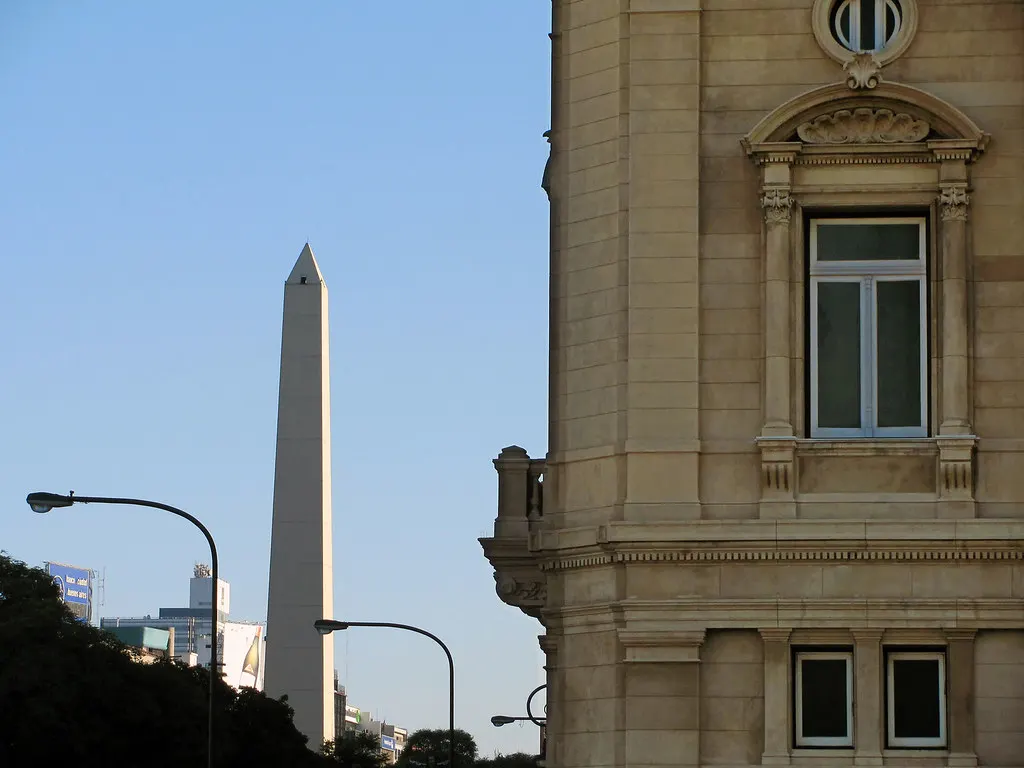
Argentines eat more beef per person than almost any nation on Earth, dance a tango that started in the city's brothels and dockside bars in the 1880s, and built a capital so deliberately modeled on Paris that locals still call it "the Paris of South America."
See full guide →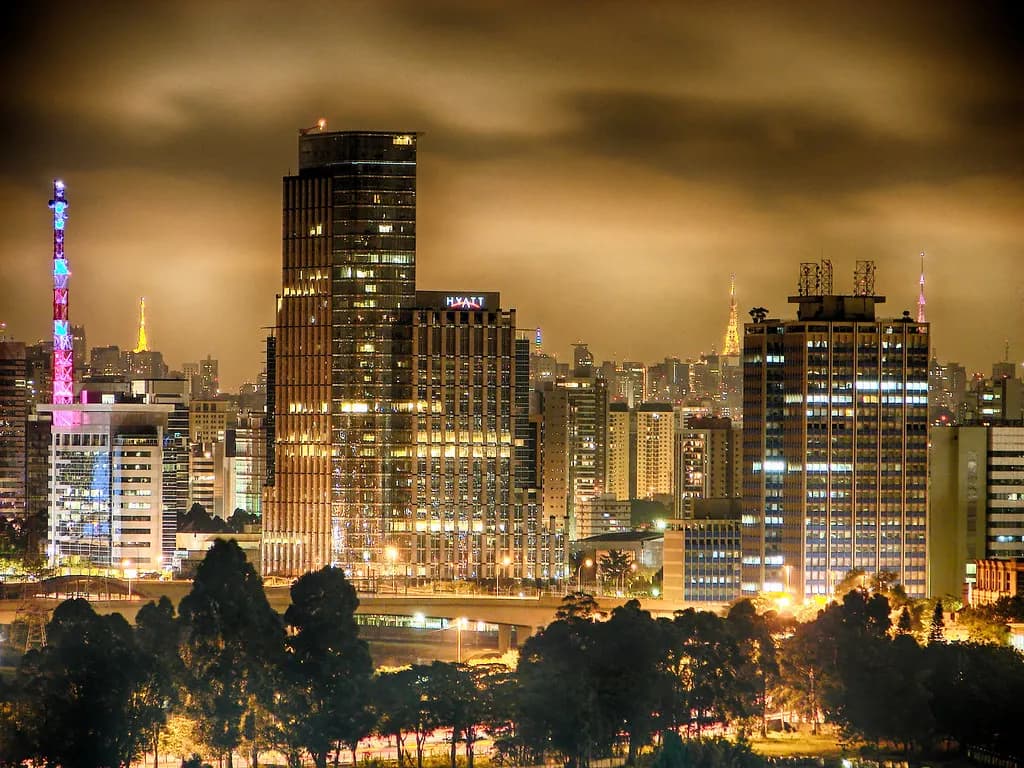 São Paulo
São Paulo
Brazil
São Paulo has more Michelin-starred restaurants and a bigger Japanese population than any city outside Japan itself — a metropolis of over 12 million people that barely registers on most first-time South America itineraries.
See full guide →Comparing more than one route? See the full transport comparison guide.