Colombia · South America
Santa Marta
Snow-capped peaks are visible from Santa Marta's Caribbean beaches on a clear day — the nearby Sierra Nevada de Santa Marta is the highest coastal mountain range on Earth, rising from sea level to over 5,700 meters in less distance than almost anywhere else on the planet.
Santa Marta's setting is genuinely unusual for a Caribbean coastal city — on a clear day, snow-capped peaks are visible directly from its beaches, a result of the Sierra Nevada de Santa Marta rising from sea level to over 5,700 meters in a shorter horizontal distance than almost any other range on Earth, earning it recognition as the highest coastal mountain range in the world.
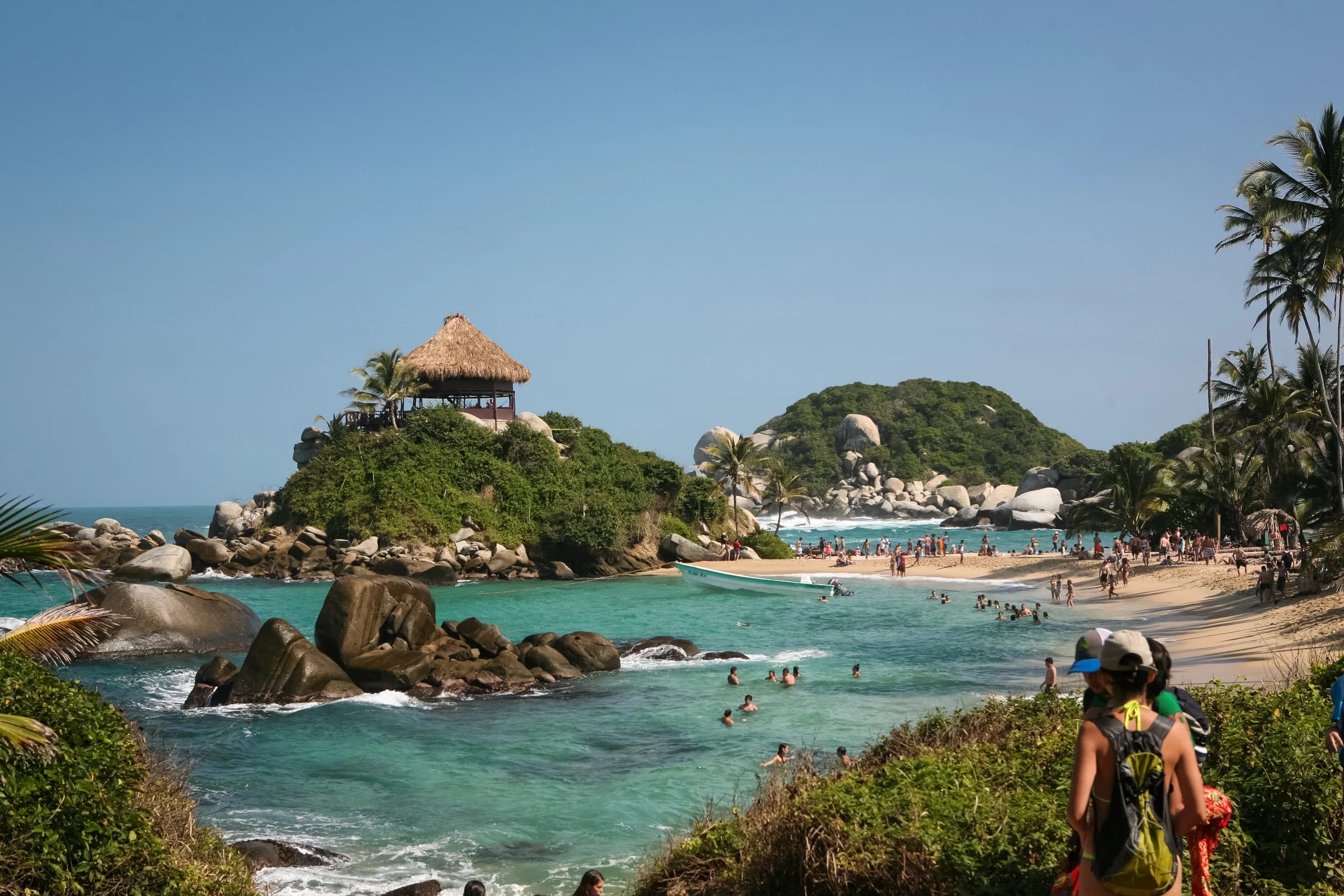
That dramatic terrain shelters Tayrona National Park just up the coast, where rainforest runs directly down to Caribbean beaches largely spared the dense resort development found elsewhere in the region — several of the park's best beaches require a genuine hike or horseback ride to reach, a real barrier to entry that's kept much of the park feeling undeveloped.
Deeper into the Sierra Nevada, a multi-day guided trek leads to Ciudad Perdida, the Lost City, stone terraces and structures built by the ancestral Tayrona civilization centuries before Machu Picchu, rediscovered by outside archaeologists only in 1972 after looters stumbled on the site. The trek itself, typically 4-5 days round trip through genuine rainforest with river crossings, has become one of Colombia's most respected multi-day hikes, drawing visitors specifically for both the physical challenge and the site's relative obscurity compared to more famous Andean ruins.
Founded by Spanish conquistadors in 1525, Santa Marta holds a real historical distinction as the oldest surviving city founded by Europeans anywhere in South America, predating both Cartagena and Bogotá by years. Simón Bolívar, the independence leader who liberated much of the continent from Spanish rule, died at a hacienda just outside the city in 1830, now preserved as a museum documenting his final days.
The Sierra Nevada is also home to indigenous communities, including the Kogi people, who have maintained a continuous presence in the mountains since before Spanish colonization and regard the range as sacred — a living cultural context that adds real depth to visits into the mountains beyond their scenic value alone.
What a trip here actually costs
$40 / day avg.
- Hostel dorm in the historic center
- Casual Colombian coastal food
- Public beach access at Tayrona's easier-to-reach beaches
- Local bus fares
What to do at this tier
- • Historic center's colonial streets and Bolívar's death house museum, low entry cost
- • Tayrona National Park's more accessible beaches, entry fee applies
- • Local seafood at the central market
$100 / day avg.
- 3-star hotel in the historic center or beachfront
- Tayrona National Park day trip
- Sit-down seafood dinners
- Guided day hike toward the Sierra Nevada foothills
What to do at this tier
- • Tayrona National Park full-day trip covering multiple beaches
- • Guided day hike into the Sierra Nevada foothills
- • Sit-down dinners featuring fresh Caribbean seafood
$260 / day avg.
- Boutique hotel or beachfront eco-lodge
- Guided multi-day Lost City (Ciudad Perdida) trek
- Fine dining reservations
- Private boat trip along the coast
What to do at this tier
- • Guided multi-day trek to Ciudad Perdida, the Lost City
- • Private boat trip along the coast and into Tayrona's harder-to-reach coves
- • Beachfront eco-lodge stay bordering the national park
These are average estimates for planning purposes, not real-time prices — actual costs vary by season, availability, and how far ahead you book.
How to get there
Click anywhere on the world map — any airport works, not just our main hubs.
Click anywhere on the map above — any airport in the world works — to see estimated travel time and cost from there.
Times and prices are planning estimates, not live fares — always check a booking site before you commit. See the full Transport Comparison guide for the general tradeoffs of each mode.
Best time to visit
December through March brings the driest weather, best for both beach time and the Lost City trek, which becomes considerably muddier during the wetter months.
Safety notes
Generally safe in the tourist areas and organized excursions with standard precautions, consistent with Colombia's substantial tourism safety improvements over the past two decades; use registered operators for the Lost City trek and other remote excursions.
Visa & currency
Colombian peso (COP). Most Western passport holders can enter Colombia visa-free for tourist stays — worth confirming current requirements before booking.
Questions people ask before visiting
What is the Lost City trek?
Ciudad Perdida, a multi-day guided hike through the Sierra Nevada de Santa Marta to reach the stone ruins of an ancient Tayrona city, predating Machu Picchu by several centuries and rediscovered by outsiders only in 1972. The trek typically takes 4-5 days round trip through genuine rainforest terrain, with river crossings and steep stone staircases near the site itself.
What makes Tayrona National Park worth visiting?
A stretch of Caribbean coastline where dense rainforest meets pristine, largely undeveloped beaches, backed by the Sierra Nevada's foothills rising dramatically just behind the sand. Several beaches require a hike or horseback ride to reach, which has kept the park considerably less built-up than most Caribbean coastal destinations.
Is Santa Marta safe?
The city center, Tayrona National Park, and organized Lost City treks are generally safe with standard precautions, reflecting Colombia's broader tourism safety improvements over the past two decades. As with any Colombian city, it's worth staying current on specific neighborhood conditions and using registered tour operators for excursions into more remote areas.
How old is Santa Marta?
Founded by Spanish conquistadors in 1525, it's the oldest surviving city founded by Europeans in South America, predating both Cartagena and Bogotá. Simón Bolívar, the independence leader, died just outside the city in 1830, at a hacienda now preserved as a museum.
Nearby destinations
 Cartagena
Cartagena
Colombia
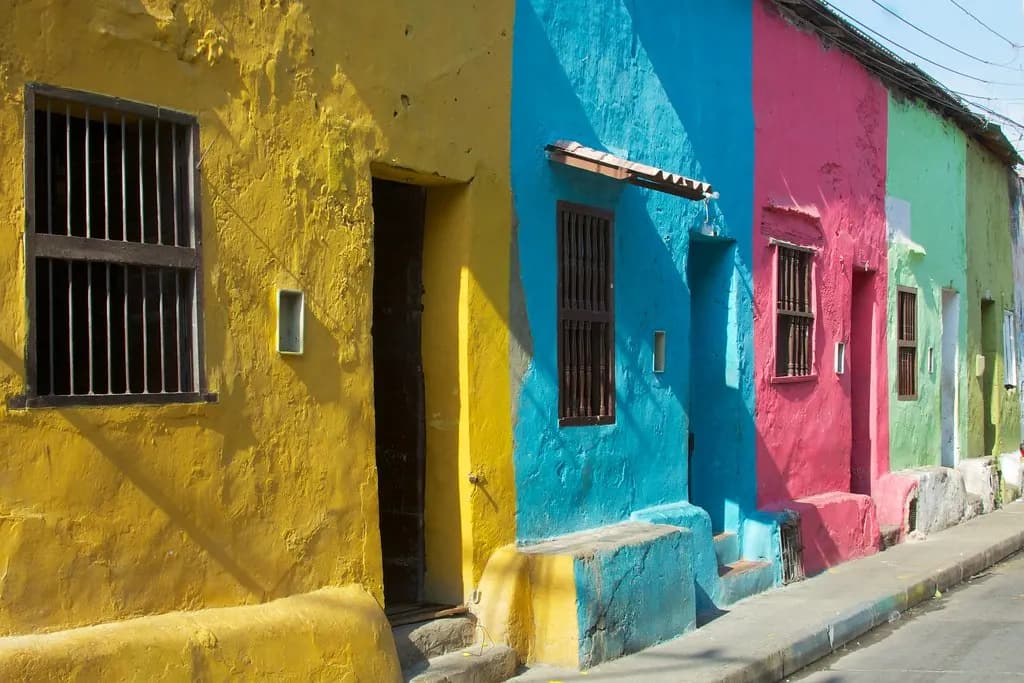
Spain spent over 200 years building walls around Cartagena to keep pirates and English privateers out, including Francis Drake himself — the fortifications worked well enough that they're still almost entirely intact, wrapping a genuinely lived-in colonial city rather than a museum piece.
See full guide →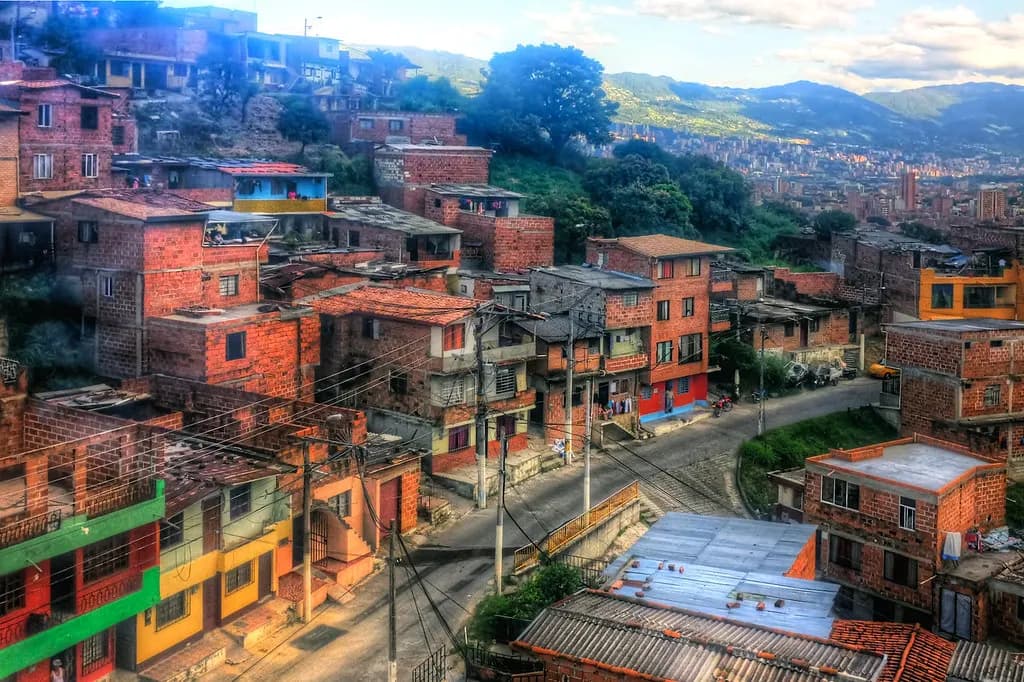 Medellín
Medellín
Colombia
Medellín was once ranked the most dangerous city on Earth in the early 1990s — now it runs a cable car system built specifically to connect its poorest hillside neighborhoods to the city center, a transportation-as-social-policy project so effective that urban planners now study it worldwide.
See full guide →Comparing more than one route? See the full transport comparison guide.