Chile · South America
Punta Arenas
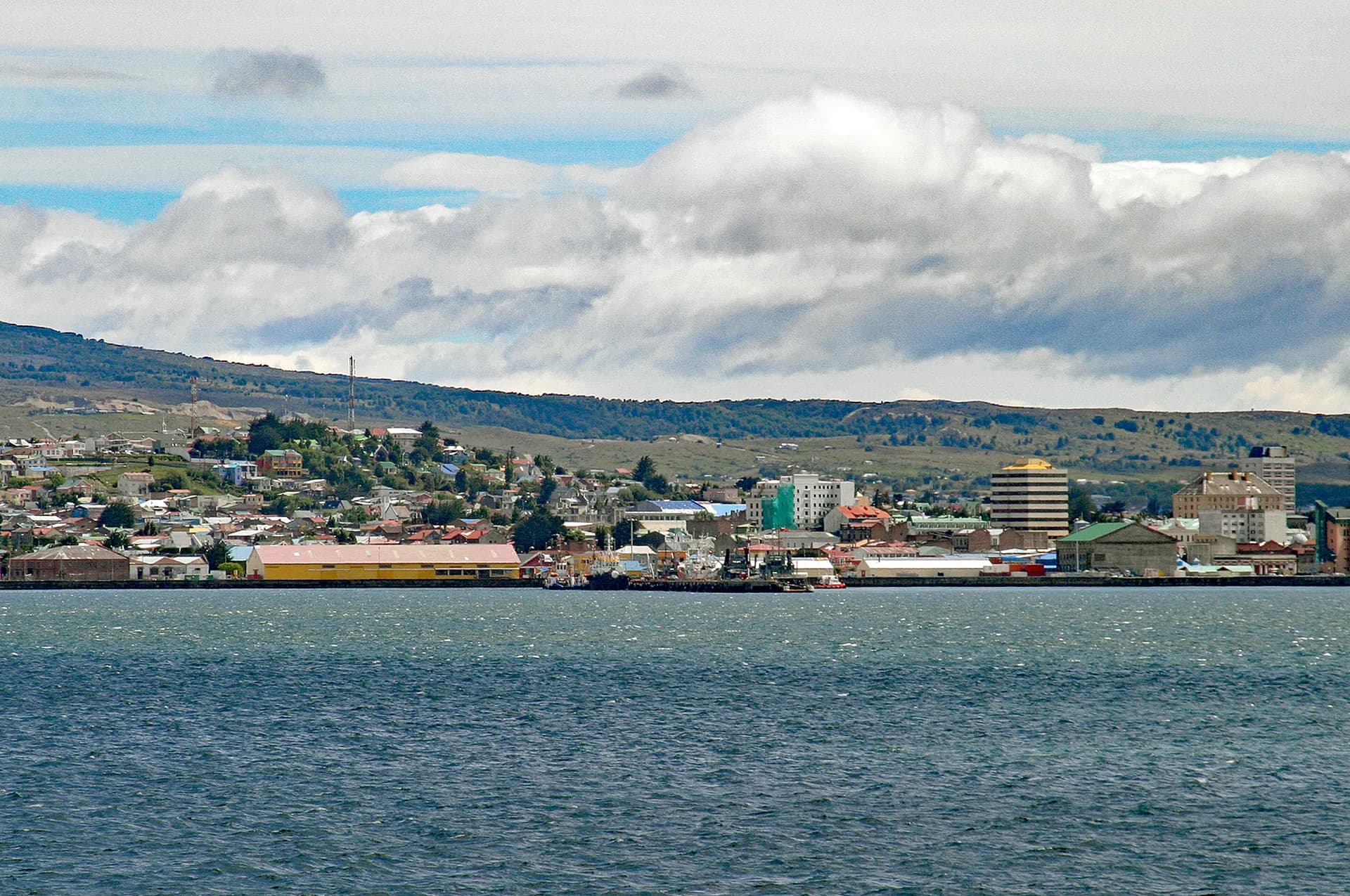
Punta Arenas grew genuinely wealthy from sheep wool in the late 19th century, wool barons building ornate European-style mansions on a stretch of coastline this far south that it sits on the Strait of Magellan itself, and the city's elaborate cypress-lined cemetery, built with that same wool fortune, is often cited as one of the most beautiful in South America.
Punta Arenas grew genuinely wealthy during a late-19th-century sheep ranching and wool export boom, when the surrounding Patagonian grasslands supported massive ranching operations that made the city one of the richest in Chile per capita for a period. That wealth funded the construction of ornate, European-style mansions, families like the Braun and Menéndez ranching dynasties building homes that would have looked more at home in Paris than on the windswept shores of the Strait of Magellan, and several of these mansions remain standing today, some open to the public as museums.
The Cementerio Municipal, built with that same wool fortune, is often cited as one of the most beautiful cemeteries in South America, its avenues lined with meticulously trimmed cypress trees and elaborate mausoleums built by the same wealthy families who shaped the rest of the city, a genuinely striking piece of landscaped architecture that draws visitors independent of any connection to those buried there.
Punta Arenas sits directly on the Strait of Magellan, the narrow passage first navigated by Ferdinand Magellan's expedition in 1520, and that geography made the city a genuinely strategic stopover point for ships before the Panama Canal opened in 1914 and redirected much of the traffic that once passed through this far southern route.
Isla Magdalena, a short boat trip from the city, hosts a substantial Magellanic penguin colony during the breeding season roughly October through March, giving Punta Arenas one of the more accessible penguin-viewing opportunities in Chilean Patagonia, a straightforward half-day excursion rather than a remote expedition.
The city functions as the primary gateway to some of Patagonia's most significant destinations, Torres del Paine National Park and Tierra del Fuego both reachable from here, and most visitors treat Punta Arenas as both a worthwhile stop in its own right and the practical starting point for deeper exploration of the surrounding region.
What a trip here actually costs
$130 / day avg.
- 3-star hotel
- Isla Magdalena penguin colony boat tour, seasonal
- Historic mansion and cemetery guided tour
- Sit-down restaurant meals
What to do at this tier
- • Cementerio Municipal, one of South America's most elaborate cemeteries, free
- • Palacio Sara Braun and other wool-fortune mansions, low entry fee
- • Isla Magdalena Magellanic penguin colony boat tour, seasonal
These are average estimates for planning purposes, not real-time prices — actual costs vary by season, availability, and how far ahead you book.
How to get there
Click anywhere on the world map — any airport works, not just our main hubs.
Click anywhere on the map above — any airport in the world works — to see estimated travel time and cost from there.
Times and prices are planning estimates, not live fares — always check a booking site before you commit. See the full Transport Comparison guide for the general tradeoffs of each mode.
Best time to visit
November-March, the Southern Hemisphere summer, brings the mildest weather and the penguin breeding season at Isla Magdalena.
Safety notes
Very safe with low crime; Patagonian weather changes quickly, so pack layers and wind protection regardless of season.
Visa & currency
Chilean peso (CLP). Many nationalities can enter visa-free for tourism, worth confirming based on passport before booking.
Questions people ask before visiting
Is Punta Arenas worth visiting?
Yes — Punta Arenas holds ornate wool-fortune mansions from its 19th-century boom, one of South America's most elaborate cemeteries, and serves as the main gateway to Torres del Paine, Tierra del Fuego, and penguin colonies on nearby Isla Magdalena, all on the Strait of Magellan.
Why did Punta Arenas become wealthy?
A late-19th-century sheep ranching and wool export boom made Punta Arenas one of the wealthiest cities in Chile per capita for a time, funding the construction of ornate European-style mansions by the ranching families who controlled the trade, several of which remain standing and open to visitors today.
Can you see penguins near Punta Arenas?
Yes, Isla Magdalena, a short boat trip from Punta Arenas, hosts a large Magellanic penguin colony during breeding season, roughly October through March, making it one of the more accessible penguin-viewing sites in Chilean Patagonia.
How many days do you need in Punta Arenas?
Two to three days covers the city's historic mansions, cemetery, and a penguin colony boat trip, and many visitors use it as a transit hub before continuing to Torres del Paine or Tierra del Fuego.
Nearby destinations
 Torres del Paine
Torres del Paine
Chile
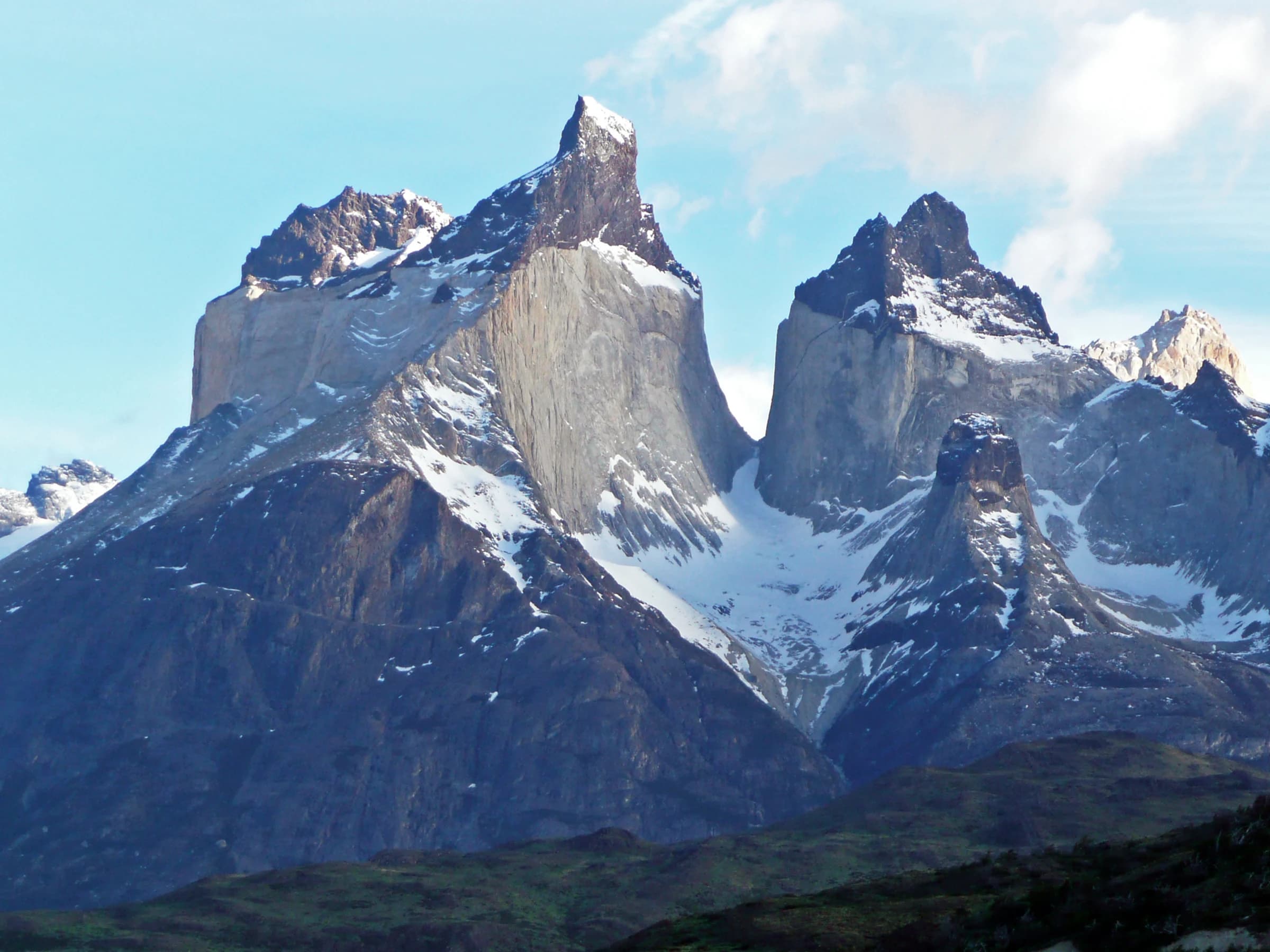
The three granite towers that give Torres del Paine its name took roughly 12 million years to form, pushed up from the Earth's crust and then carved into their current spires by glaciers — and the wind here is strong enough on a bad day to knock a hiker off their feet.
See full guide →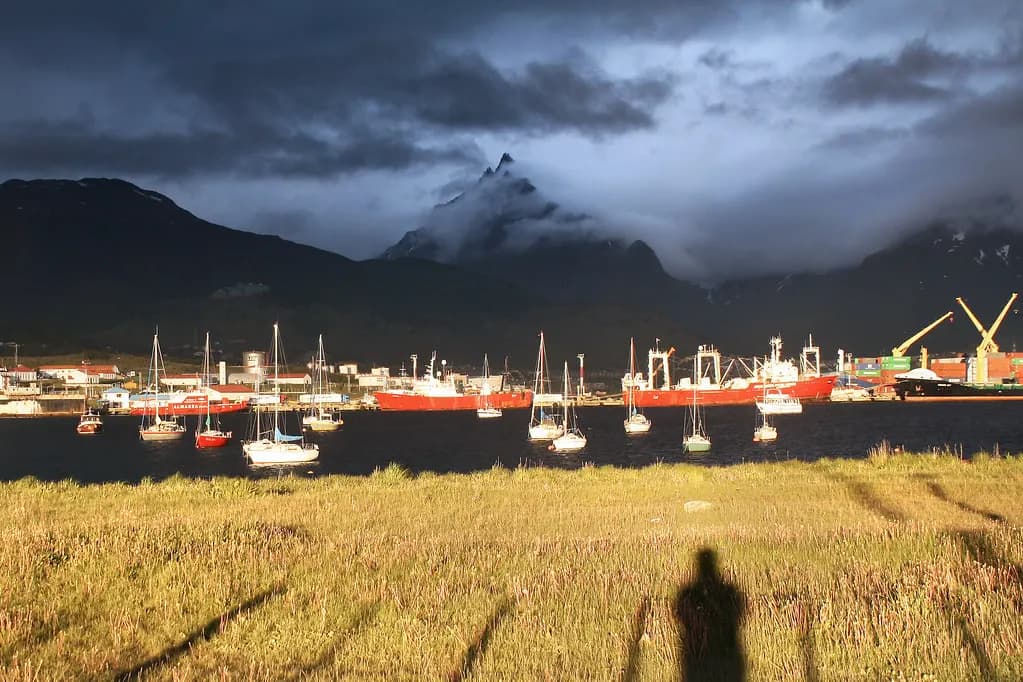 Ushuaia
Ushuaia
Argentina
Ushuaia calls itself "the end of the world," and the claim holds up better than most marketing slogans — it's the southernmost city on Earth with a real airport and hotels, closer to Antarctica than to most of the rest of Argentina.
See full guide →Comparing more than one route? See the full transport comparison guide.