South Africa · Africa
Kruger National Park
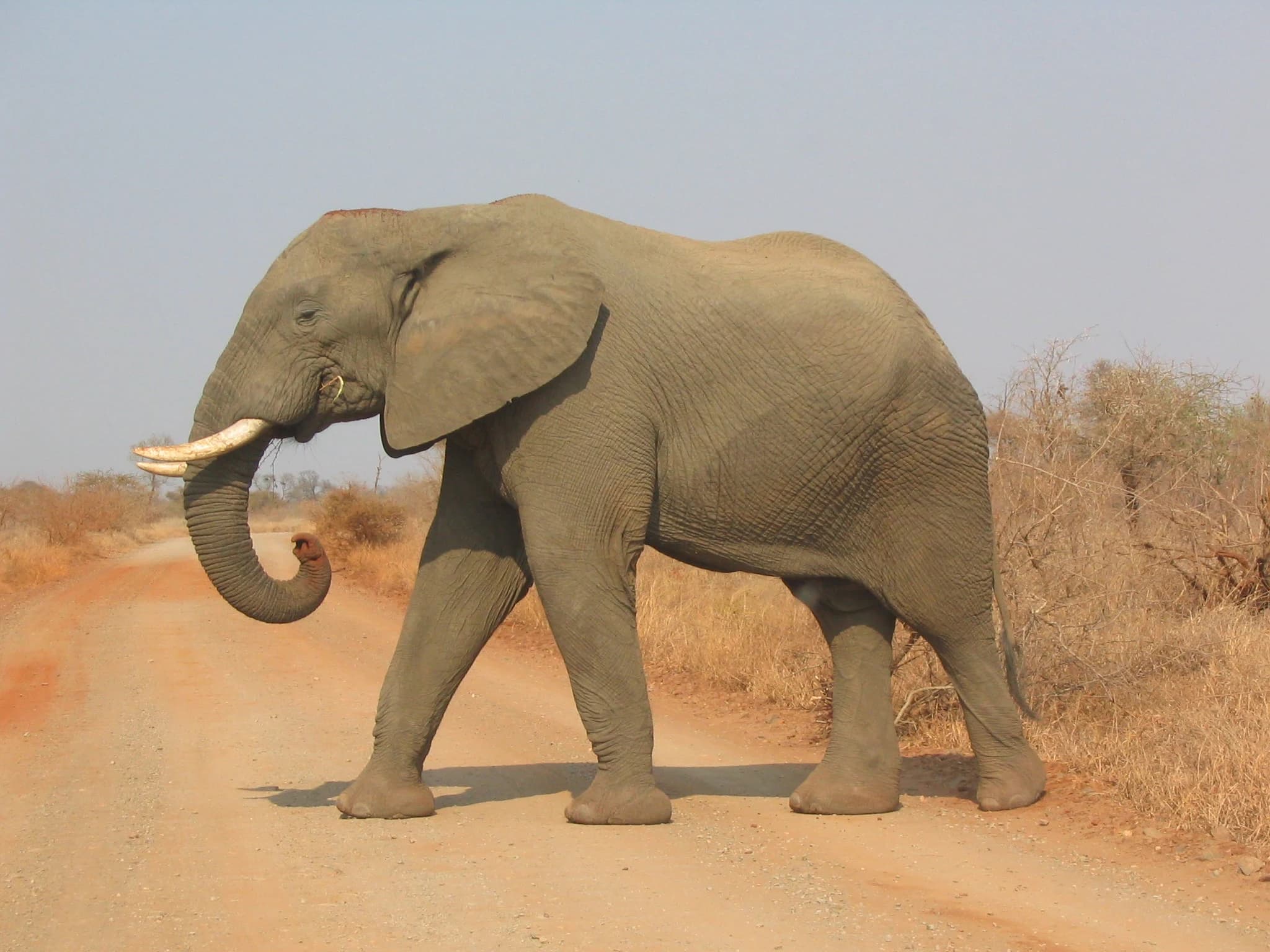
Kruger covers roughly 19,000 square kilometers, an area larger than Wales, and unlike most of Africa's major safari destinations, it's genuinely set up for visitors to drive themselves — a paved and gravel road network lets you self-drive a real Big Five safari without ever booking a guide.
Kruger National Park covers roughly 19,000 square kilometers, an area larger than Wales and comparable in size to a small country, and that scale alone sets it apart from most of Africa's other major reserves. What sets it apart further is accessibility: unlike the Serengeti or Maasai Mara, where a guided vehicle is effectively mandatory, Kruger maintains an extensive network of paved and gravel roads open to private cars, along with rest camps holding shops, gas stations, and restaurants inside the park boundary, making a genuine self-drive Big Five safari realistic for visitors without a guide.
The park traces its origin to 1898, when Paul Kruger, then president of the South African Republic, established the Sabie Game Reserve specifically to protect wildlife from unchecked hunting in the region. It was renamed Kruger National Park in 1926 and has expanded considerably since, later merging with several private reserves along its western border into a larger, only partially fenced conservation area that allows animals to move relatively freely across a still-larger combined landscape.
Sightings of the Big Five, lion, leopard, rhino, elephant, and buffalo, a term originally coined by big-game hunters for the five animals most dangerous to hunt on foot and later adopted by the safari tourism industry as a benchmark checklist, are genuinely common in Kruger given both the park's size and its well-established wildlife populations, though leopards remain the most elusive of the five given their solitary, largely nocturnal habits.
The dry winter season, roughly May through September, is generally considered the best time to visit: vegetation thins out considerably, improving visibility, and animals concentrate more predictably around Kruger's rivers and waterholes as other water sources dry up elsewhere in the park. The wetter summer months bring lush green scenery and the arrival of newborn animals, a genuine draw in its own right, but the thicker bush cover can make spotting wildlife harder.
Private reserves bordering Kruger's western edge, unfenced and sharing the same wildlife populations, offer a different experience entirely: guided game drives with professional rangers, off-road tracking not permitted in the main public park, and considerably higher price points, giving visitors a choice between Kruger's accessible self-drive model and a more traditional, fully guided luxury safari within the same broader ecosystem.
What a trip here actually costs
$140 / day avg.
- Rest camp bungalow inside the park
- Rental car for self-drive game viewing
- Park conservation fees
- Basic camp store groceries and meals
What to do at this tier
- • Self-drive game viewing along Kruger's road network, covering multiple ecosystems and rest camp areas
- • Sunset drive from a rest camp, guided and included at most public camps
- • Skukuza rest camp's small museum and riverside walking trail
$450 / day avg.
- Private lodge in a Kruger-adjacent private reserve
- Twice-daily guided game drives with a professional ranger
- Full-board dining at the lodge
- Guided bush walk
What to do at this tier
- • Twice-daily guided game drives in an open safari vehicle with a professional ranger tracking the Big Five
- • Guided bush walk with an armed ranger, tracking animals on foot at a slower, more detailed pace
- • Private night drive, giving access to nocturnal species rarely seen during the day
These are average estimates for planning purposes, not real-time prices — actual costs vary by season, availability, and how far ahead you book.
How to get there
Click anywhere on the world map — any airport works, not just our main hubs.
Click anywhere on the map above — any airport in the world works — to see estimated travel time and cost from there.
Times and prices are planning estimates, not live fares — always check a booking site before you commit. See the full Transport Comparison guide for the general tradeoffs of each mode.
Best time to visit
May-September, the dry winter season, gives the best wildlife visibility as animals concentrate around remaining water sources and vegetation thins out.
Safety notes
Very safe in terms of crime within the park; the main safety rules involve wildlife itself — stay inside vehicles except at designated rest camps and picnic sites, and never approach animals on foot outside a guided walk.
Visa & currency
South African rand (ZAR). Many Western passport holders can enter visa-free for short stays, worth confirming before booking.
Questions people ask before visiting
Is Kruger National Park worth visiting?
Yes — it's one of Africa's largest and most established game reserves, with a genuinely high chance of seeing all of the Big Five (lion, leopard, rhino, elephant, buffalo), and its road network and rest camp infrastructure make it one of the most accessible major safari destinations on the continent.
Can you self-drive a safari in Kruger?
Yes, and it's genuinely common — Kruger has an extensive network of paved and gravel roads open to private vehicles, along with rest camps, gas stations, and shops inside the park, making an independent self-drive safari realistic in a way it isn't at most other major African reserves, which typically require a guided vehicle.
When is the best time to visit Kruger?
May-September, the dry winter season, is generally considered best, since sparser vegetation and animals congregating around limited water sources make wildlife easier to spot. The wetter summer months bring lush scenery and newborn animals but denser bush that can make sightings harder.
How many days do you need in Kruger?
A minimum of three days allows a reasonable chance at the Big Five, though most visitors budget four to five days given the park's size and the value of covering different regions, each with somewhat different terrain and wildlife concentrations.
Nearby destinations
 Cape Town
Cape Town
South Africa
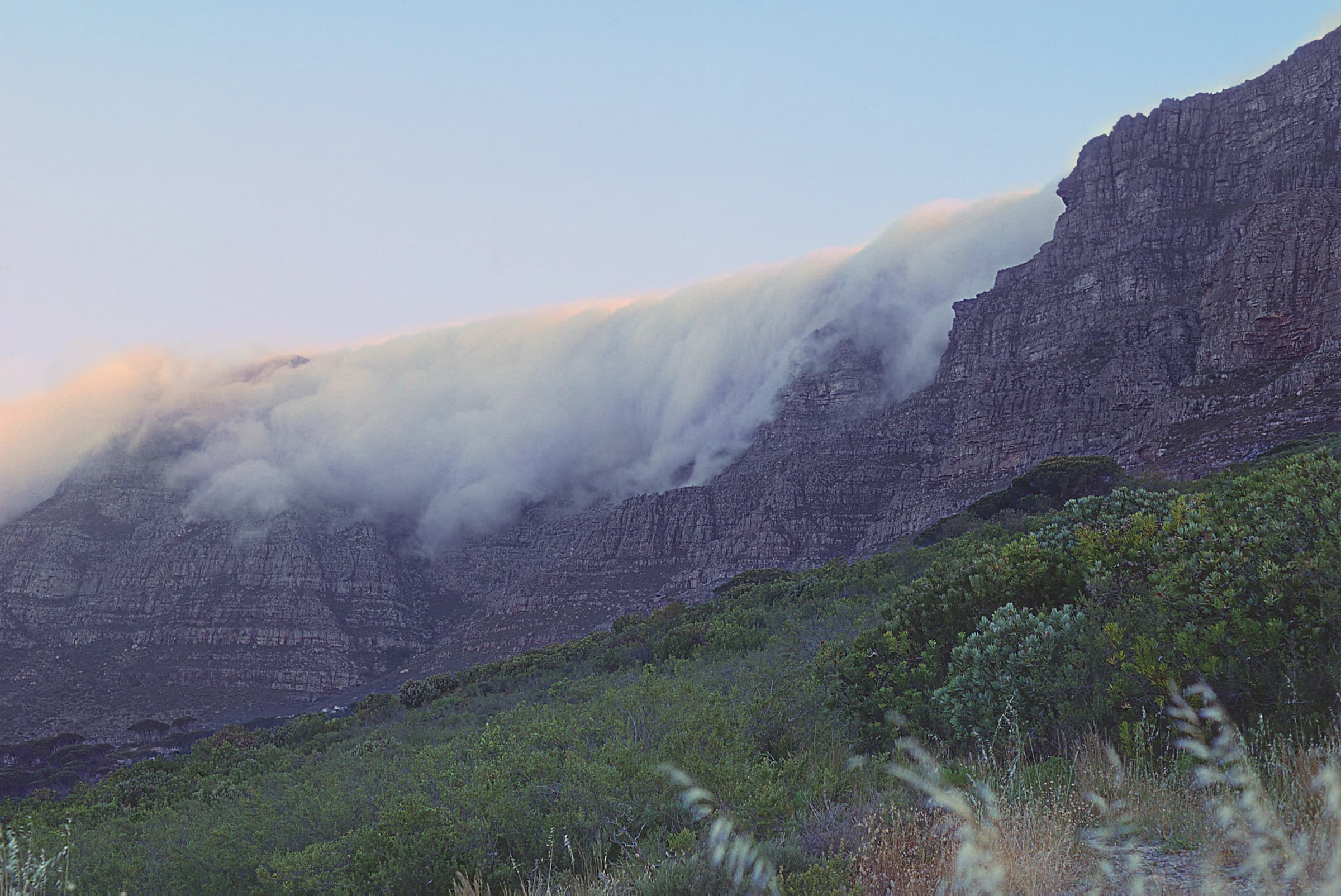
Table Mountain is roughly six times older than the Himalayas, formed over 260 million years before those mountains existed, and it still anchors Cape Town's skyline so completely that the city planned its entire waterfront around keeping the view of it unobstructed.
See full guide →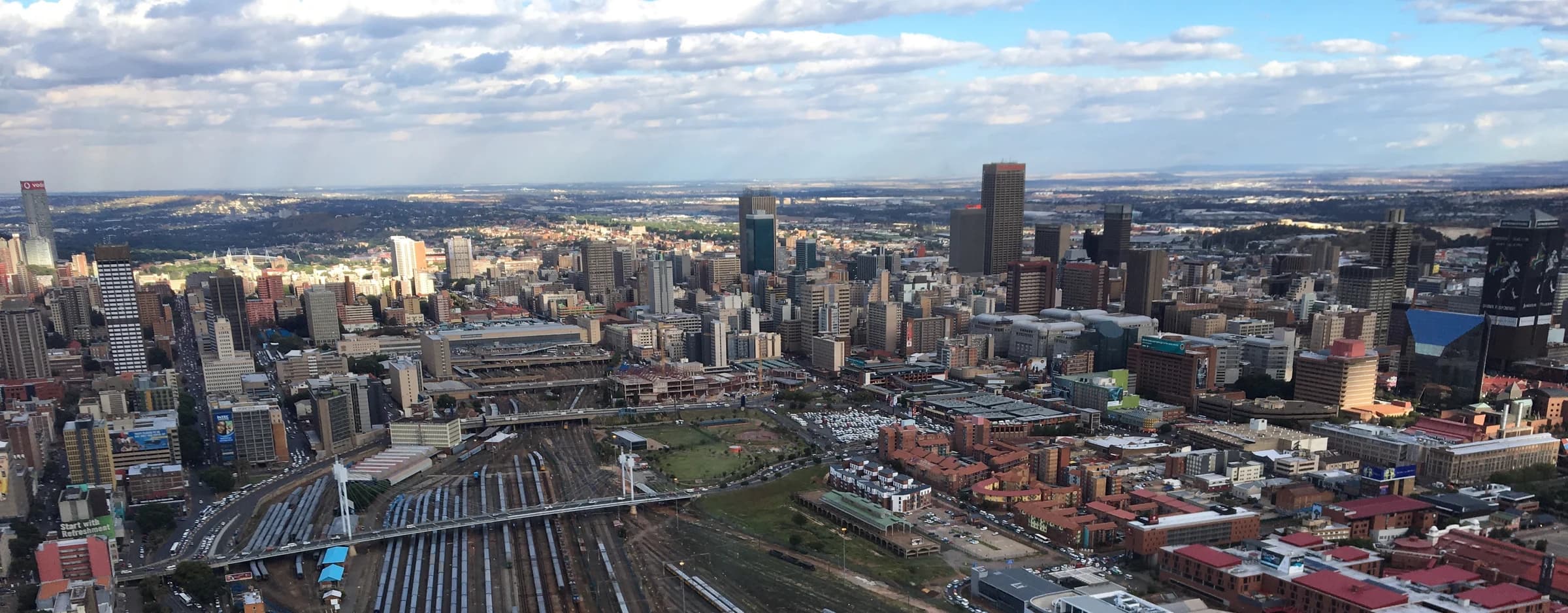 Johannesburg
Johannesburg
South Africa
Johannesburg didn't exist before 1886 — the city was founded almost overnight after gold was discovered on the Witwatersrand ridge, and that gold rush origin still shapes a metropolis with no old colonial core to speak of, built instead around mining wealth and, later, the front lines of the anti-apartheid movement.
See full guide →Comparing more than one route? See the full transport comparison guide.