Algeria · Africa
Algiers
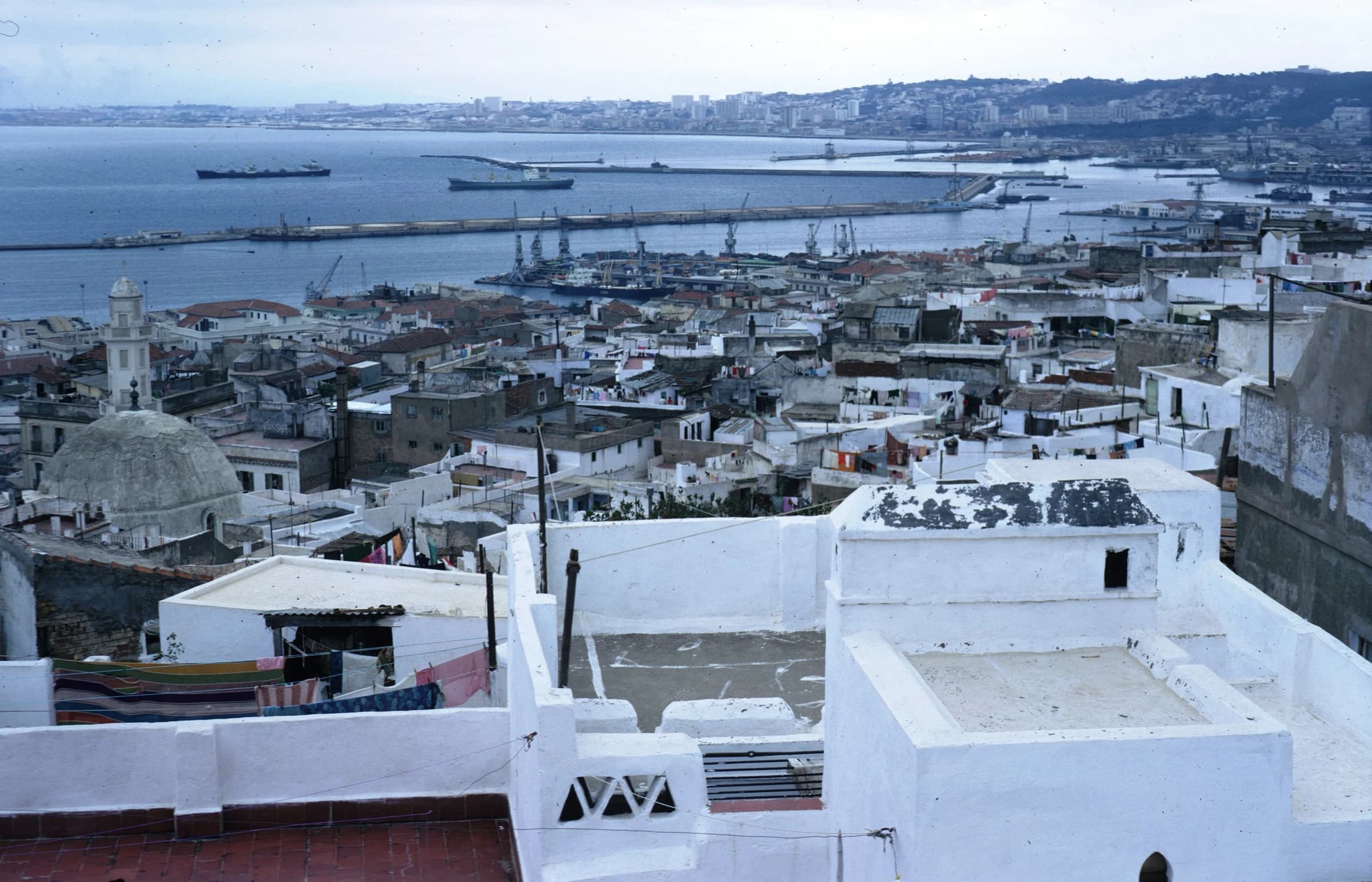
Sailors nicknamed Algiers 'Alger la Blanche,' Algiers the White, for the way its whitewashed buildings cascade down the hillside to the Mediterranean — a view that's stayed largely the same since long before Algeria became, after South Sudan split from Sudan in 2011, the largest country in Africa by land area.
Sailors approaching Algiers by sea nicknamed it "Alger la Blanche," Algiers the White, for the way its whitewashed buildings climb the hillside above the harbor in tight, cascading tiers, a view that has defined the city's silhouette for centuries and still holds largely true today.
Algeria itself became the largest country in Africa by land area in 2011, when South Sudan's independence split Sudan into two nations and pushed Sudan out of the top spot, a geographic footnote that says something about how much territory Algeria's mostly Saharan interior actually covers, even though nearly all its population, including Algiers, clusters along the narrow Mediterranean coastal strip.
The Casbah, Algiers' historic hillside medina, earned UNESCO World Heritage status in 1992 for its dense concentration of Ottoman-era architecture and narrow, stepped stairways built directly into the slope above the harbor. The quarter carries serious modern historical weight as well: it served as a center of organized resistance during the Algerian War of Independence against France, fought from 1954 to 1962, a brutal conflict that shaped Algeria's national identity and remains a defining reference point in how the country understands its own history.
Notre-Dame d'Afrique, a 19th-century Catholic basilica built during French colonial rule, still stands prominently on a bluff overlooking the harbor, its Latin dedication translated roughly as "Our Lady of Africa, pray for us and for the Muslims," an inscription reflecting the colonial-era religious context it was built into and now standing as one of the more visually striking remnants of that period.
Algeria's tourism sector has opened up considerably compared to the more restrictive entry policies of past decades, and while Algiers still receives far fewer international visitors than Marrakech or Tunis, that relative obscurity is increasingly part of its appeal for travelers specifically seeking a genuinely less-touristed North African capital.
What a trip here actually costs
$30 / day avg.
- Guesthouse in central Algiers
- Local tram and taxi fares
- Casual Algerian meals, couscous and chorba
- Casbah wander with a local guide
What to do at this tier
- • Casbah wander through narrow stairways and Ottoman-era buildings, ideally with a local guide
- • Notre-Dame d'Afrique, a 19th-century Catholic basilica overlooking the harbor, free to enter
- • Waterfront promenade along the French colonial-era boulevards, free
$70 / day avg.
- 3-star hotel in central Algiers
- Guided Casbah and colonial-era architecture tour
- Sit-down Algerian dinners
- Notre-Dame d'Afrique and coastal viewpoint visit
What to do at this tier
- • Guided history tour of the Casbah covering its role in the Algerian War of Independence
- • Bardo National Museum of Prehistory and Ethnography, covering Algeria's deeper archaeological history
- • Jardin d'Essai, a large 19th-century botanical garden near the city center
These are average estimates for planning purposes, not real-time prices — actual costs vary by season, availability, and how far ahead you book.
How to get there
Click anywhere on the world map — any airport works, not just our main hubs.
Click anywhere on the map above — any airport in the world works — to see estimated travel time and cost from there.
Times and prices are planning estimates, not live fares — always check a booking site before you commit. See the full Transport Comparison guide for the general tradeoffs of each mode.
Best time to visit
March-May and September-November bring comfortable Mediterranean temperatures; summers get genuinely hot and winters can be cool and rainy.
Safety notes
Generally safe in central Algiers with standard urban caution; check current travel advisories before booking, as some regions of the country, particularly near southern borders, carry ongoing security concerns distinct from the capital.
Visa & currency
Algerian dinar (DZD). Visa requirements have historically been stricter than neighboring Morocco or Tunisia, though Algeria has introduced e-visa options for some nationalities in recent years — confirm current requirements and apply well ahead of the trip.
Questions people ask before visiting
Is Algiers worth visiting?
Yes, for travelers drawn to a genuinely off-the-radar North African capital — the Casbah's UNESCO-listed medina, Ottoman and French colonial-era architecture layered together, and a coastal setting climbing steeply from the Mediterranean all make Algiers distinctive, and it sees far fewer international tourists than Morocco or Tunisia.
What is the Casbah of Algiers?
A dense, hillside medina of narrow stairways and Ottoman-era buildings overlooking Algiers' harbor, UNESCO-listed since 1992. It served as a center of resistance during the Algerian War of Independence (1954-1962) and remains one of the best-preserved traditional urban quarters in North Africa, though parts have suffered from decades of underinvestment.
Is Algeria safe to visit?
Algeria has become considerably more accessible for tourism in recent years after decades of restrictive entry policies, though it's worth checking current travel advisories before booking given the country's history and some regions with ongoing security concerns, particularly near the southern borders.
How many days do you need in Algiers?
Two to three days covers the Casbah, Notre-Dame d'Afrique, and the city's French colonial-era boulevards along the waterfront.
Nearby destinations
 Tunis
TunisTunis
Tunisia
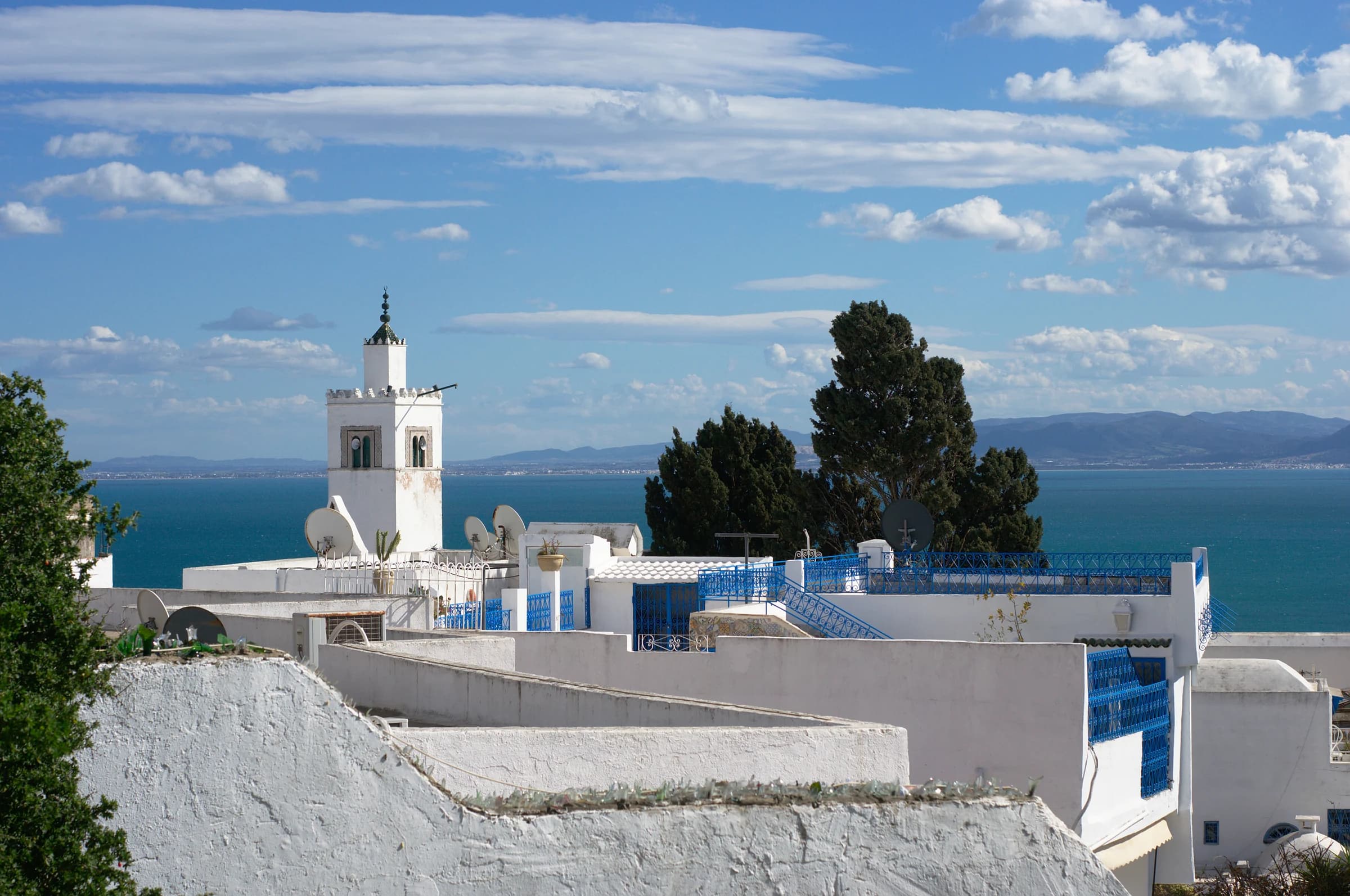
The ruins of ancient Carthage, once Rome's most feared rival and powerful enough to nearly conquer the Roman Republic under Hannibal, sit within Tunis' modern suburbs today — a short tram ride from downtown gets you from a 21st-century capital to the remains of a civilization the Romans worked for over a century to fully erase.
See full guide →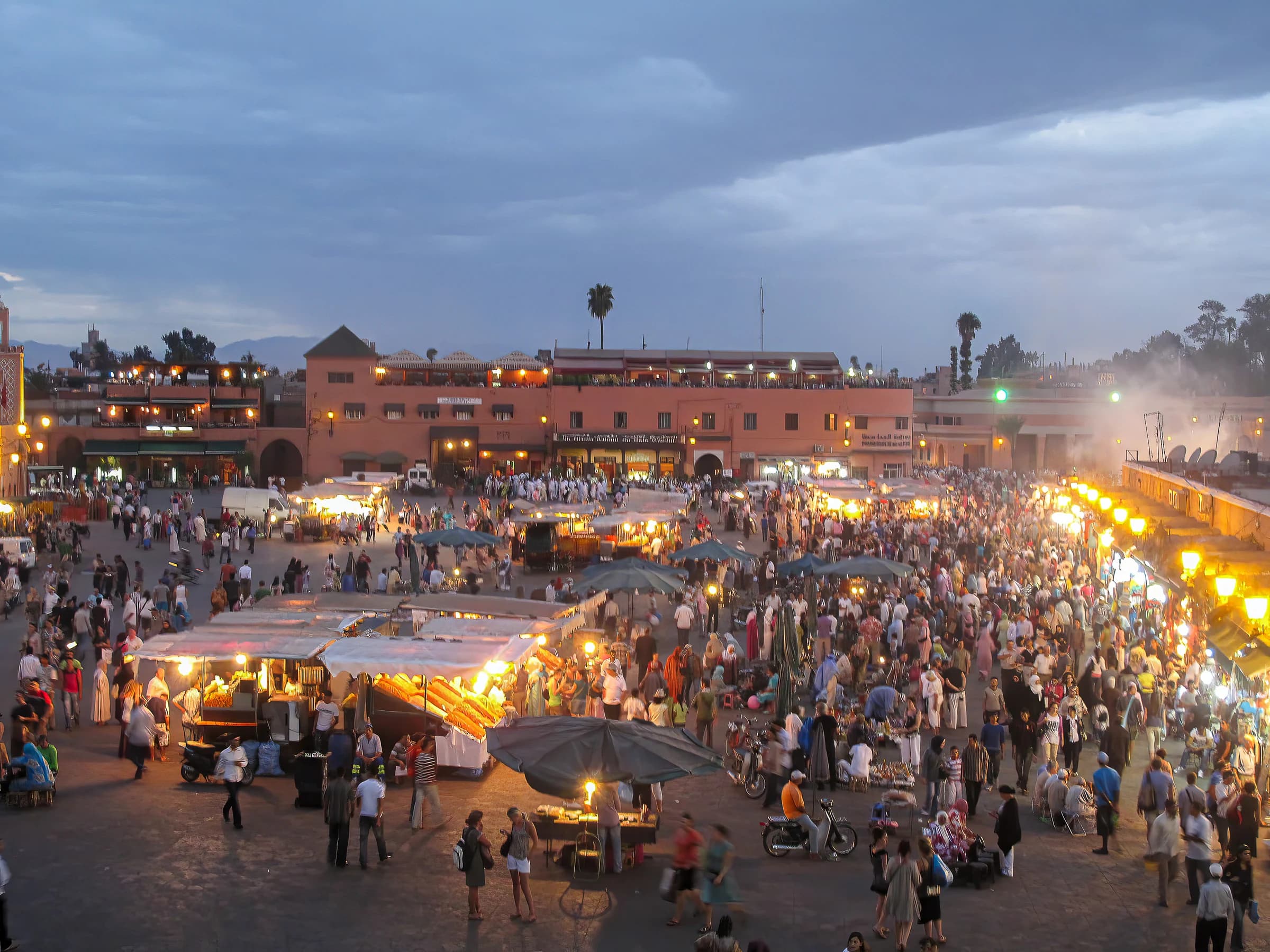 Marrakech
Marrakech
Morocco
Marrakech's central square, Jemaa el-Fnaa, is recognized by UNESCO not as a building or monument but as a piece of living heritage — the storytellers, musicians, and food stalls that fill it every night are protected the same way a historic building would be.
See full guide →Comparing more than one route? See the full transport comparison guide.