Malawi · Africa
Lake Malawi
Lake Malawi holds more fish species than any other lake on Earth — estimates run into the hundreds, mostly small, dazzlingly colorful cichlids that evolved separately in different parts of this single Rift Valley lake, a diversity so unusual that UNESCO protects part of the lake itself as a World Heritage Site.
Lake Malawi holds more fish species than any other lake on Earth, an estimated 700 to 1,000-plus species of cichlid, small, often brilliantly colored fish that evolved separately across different parts of this single Rift Valley lake. The diversity developed the way island species often do, through populations becoming isolated from each other, in this case by underwater geography rather than open ocean, and evolving distinct traits over a very long time in relative separation. Scientists studying the lake have described its cichlid diversity as one of the best real-world examples of rapid evolutionary divergence anywhere on Earth.
UNESCO recognized that significance in 1984, listing Lake Malawi National Park, covering the lake's southern end, as a World Heritage Site specifically for its exceptional freshwater biodiversity, one of relatively few UNESCO sites protecting a body of water primarily for what lives beneath its surface rather than a landscape feature above it.
For visitors, that scientific significance translates into some of the clearest, most rewarding snorkeling and diving found on any freshwater lake in the world. The water's exceptional clarity, combined with the sheer number and variety of cichlid species visible even in shallow water near shore, gives Lake Malawi a genuine lake-as-coral-reef quality that few other freshwater destinations anywhere can match.
Malawi itself carries the nickname "Warm Heart of Africa," a reputation built on the genuine friendliness travelers consistently report from local communities, and the country ranks among the more stable and straightforward for independent travel in the region, a real draw for backpackers moving along the broader East and Southern Africa overland route.
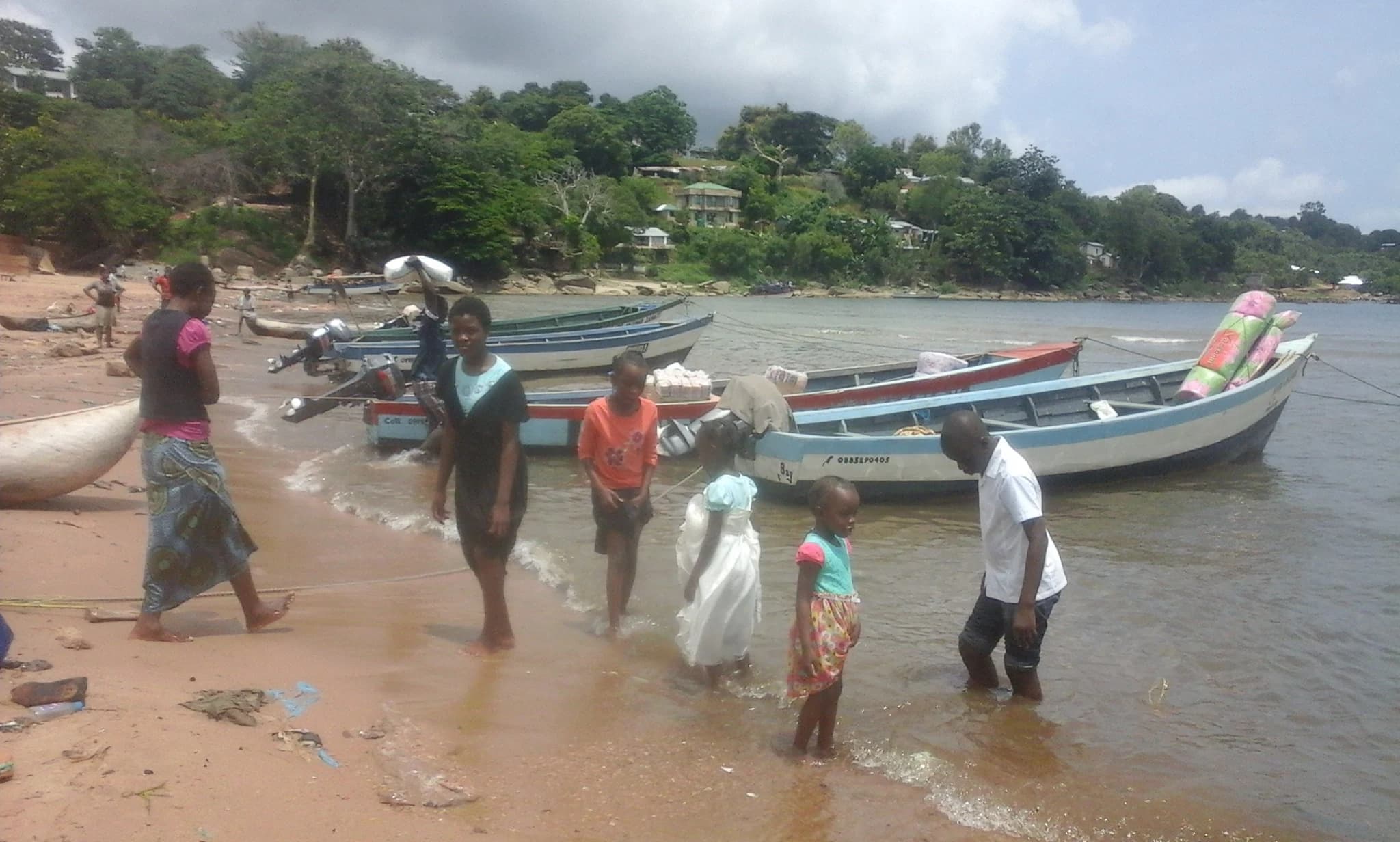
Lakeside towns like Cape Maclear and Nkhata Bay have developed a low-key backpacker and mid-range tourism infrastructure built directly around the lake, offering a genuinely different pace from Malawi's smaller inland cities, more beach vacation than urban city stop, just built around a freshwater lake instead of an ocean coastline.
What a trip here actually costs
$25 / day avg.
- Lakeside guesthouse or backpacker lodge
- Local minibus fares
- Casual Malawian meals, nsima with fish
- Public beach access and swimming, free
What to do at this tier
- • Swimming and public beach access along the lake's clear, calm water, free
- • Local village and market visits around lakeside towns like Cape Maclear or Nkhata Bay
- • Sunset viewing from the lakeshore, a genuine daily highlight in most lakeside towns
$60 / day avg.
- 3-star lakeside lodge
- Snorkeling or diving trip to see cichlid fish
- Sit-down dinners at a lakeside restaurant
- Boat trip to a nearby island
What to do at this tier
- • Snorkeling or scuba diving trip to see Lake Malawi's colorful cichlid fish up close
- • Boat trip to Mumbo Island or another nearby island within Lake Malawi National Park
- • Kayaking along the shoreline, with several operators offering multi-day paddling routes
These are average estimates for planning purposes, not real-time prices — actual costs vary by season, availability, and how far ahead you book.
How to get there
Click anywhere on the world map — any airport works, not just our main hubs.
Click anywhere on the map above — any airport in the world works — to see estimated travel time and cost from there.
Times and prices are planning estimates, not live fares — always check a booking site before you commit. See the full Transport Comparison guide for the general tradeoffs of each mode.
Best time to visit
May-October, Malawi's dry season, brings the most comfortable temperatures and clearest water for snorkeling and diving.
Safety notes
Generally very safe with a low crime rate by regional standards; standard precautions apply around transport and lakeside towns after dark, as anywhere.
Visa & currency
Malawian kwacha (MWK). Most nationalities can obtain an e-visa or visa on arrival, worth arranging in advance to avoid arrival delays; some nationalities can enter visa-free for short stays.
Questions people ask before visiting
Is Lake Malawi worth visiting?
Yes — it's one of the deepest and clearest freshwater lakes in the world, home to more fish species than any other lake on Earth, and its beaches and snorkeling give it a genuine lake-as-beach-destination feel that's rare to find combined with this level of biodiversity.
Why does Lake Malawi have so many fish species?
Lake Malawi holds an estimated 700 to 1,000-plus species of cichlid fish, many found nowhere else, a result of the lake's age, depth, and varied underwater habitats allowing populations in different areas to evolve in relative isolation from each other over a very long time, a process similar in principle to Darwin's finches but playing out underwater across a single lake.
Is Lake Malawi National Park a UNESCO site?
Yes — UNESCO listed Lake Malawi National Park, covering the lake's southern end, as a World Heritage Site in 1984, specifically citing its exceptional freshwater fish diversity as a globally significant example of evolution in action.
Is Malawi safe to visit?
Generally yes — Malawi is often nicknamed the 'Warm Heart of Africa' for the friendliness of its people, and it's considered one of the more stable, low-crime countries in the region for tourism, with standard travel precautions applying around lakeside towns and transport.
Nearby destinations
 Victoria Falls
Victoria Falls
Zimbabwe
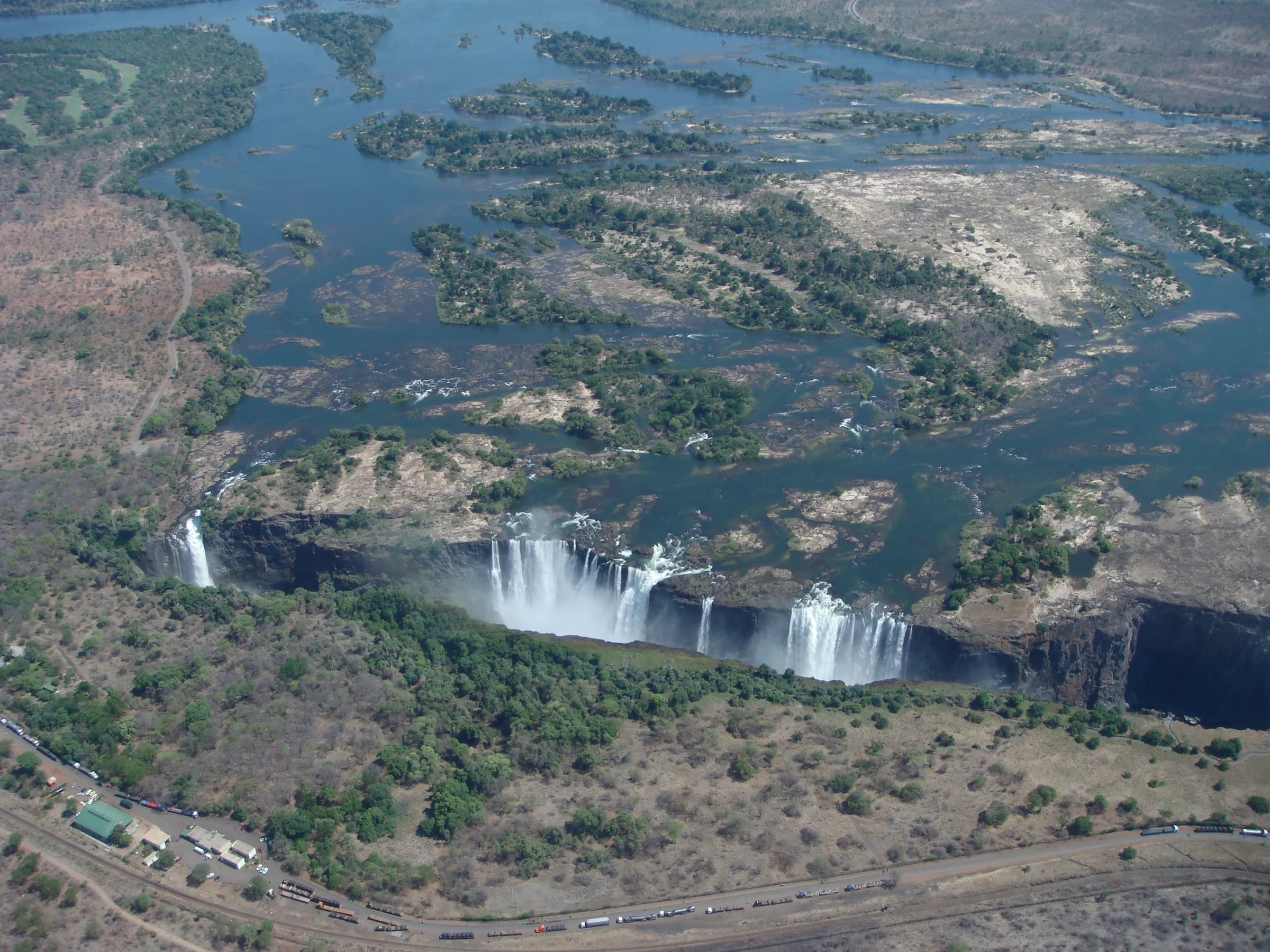
Locals called it Mosi-oa-Tunya, 'The Smoke That Thunders,' long before David Livingstone ever saw it in 1855 — the spray from the falls rises high enough to be visible from more than 20 kilometers away, which is exactly why the name stuck.
See full guide →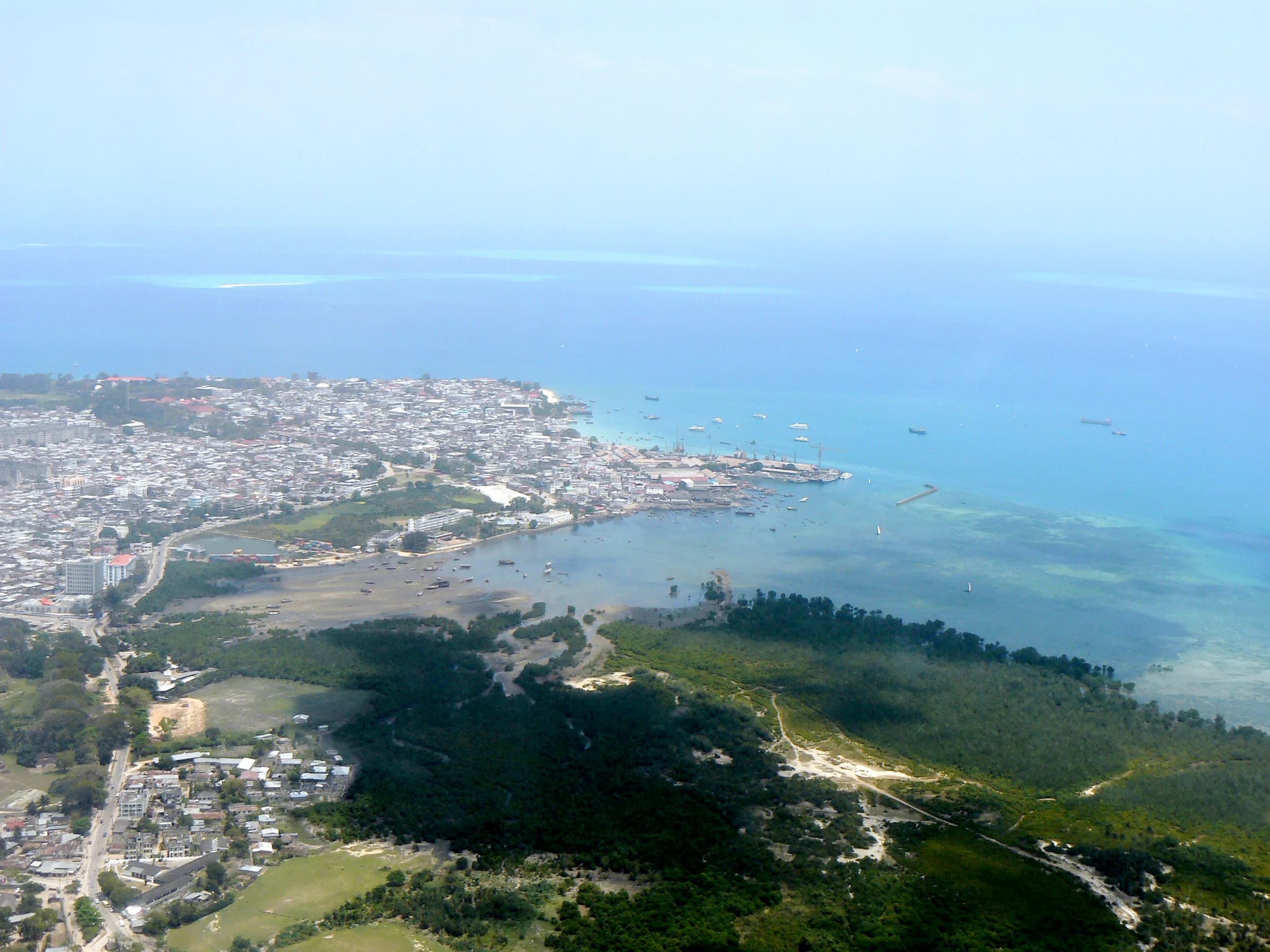 Zanzibar
Zanzibar
Tanzania
Freddie Mercury was born in Zanzibar's Stone Town in 1946, in a house still standing a short walk from the old slave market, a single block of the city holding both a global music legend's birthplace and one of the most sobering chapters of the Indian Ocean slave trade.
See full guide →Comparing more than one route? See the full transport comparison guide.