Tanzania · Africa
Kilimanjaro
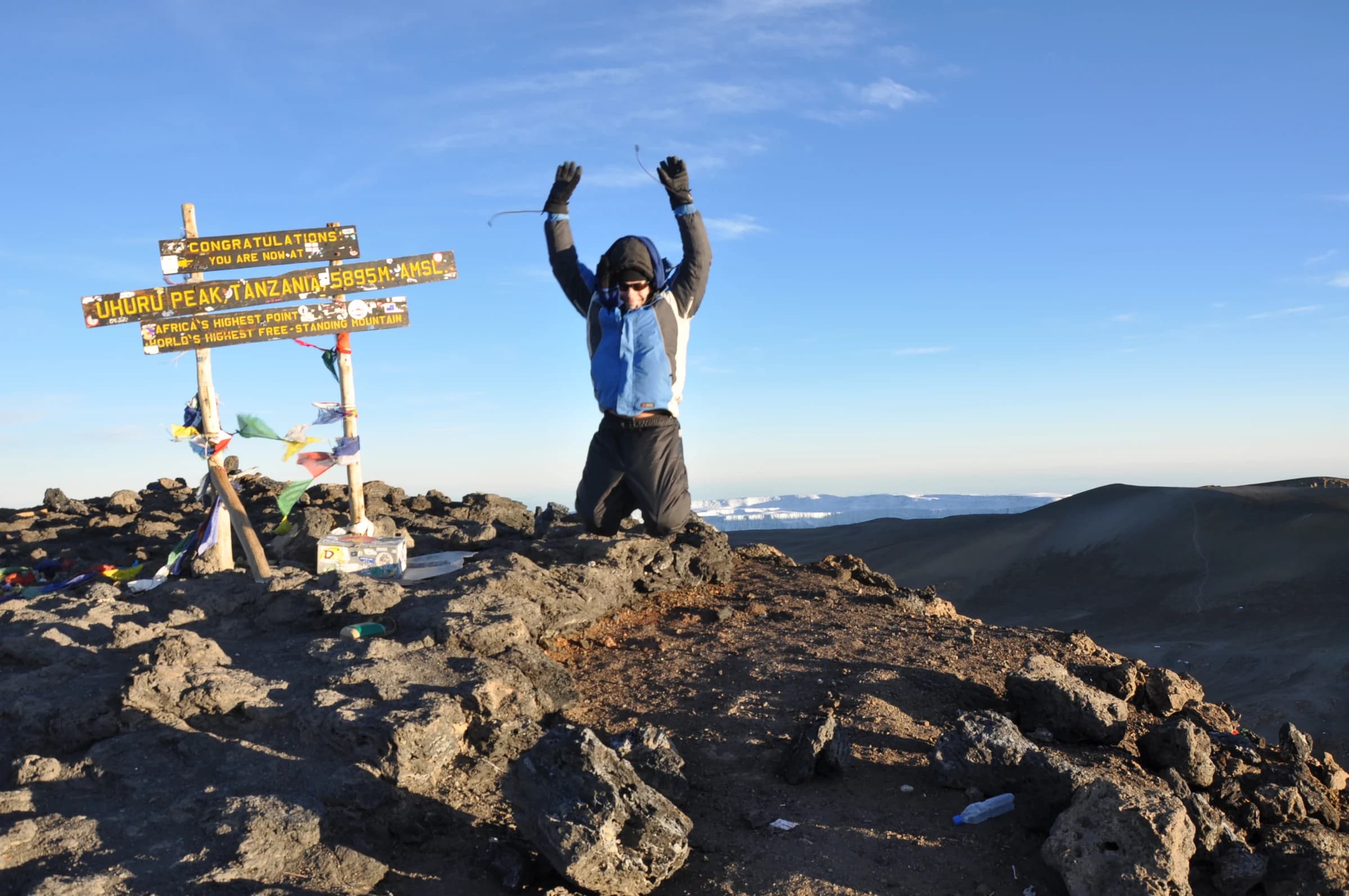
Mount Kilimanjaro is the tallest mountain on Earth that isn't part of a larger range, rising alone from the Tanzanian plains to 5,895 meters — and despite sitting just south of the equator, its summit has held glaciers for thousands of years, though they've retreated so fast in recent decades that scientists expect them to disappear entirely within the coming years.
Mount Kilimanjaro rises alone from the plains of northern Tanzania to 5,895 meters, making it not just the highest peak in Africa but the tallest mountain on Earth that stands entirely apart from a larger mountain range, a genuinely unusual geological profile for a peak this size. Most mountains this tall belong to ranges like the Himalayas or Andes, where surrounding peaks share the load of the tectonic forces that pushed them up; Kilimanjaro did it alone, as a dormant volcano built up through repeated eruptions over roughly a million years.
Despite sitting just south of the equator, Kilimanjaro's summit has carried glaciers for thousands of years, ice fields cold enough to persist at that altitude regardless of the tropical latitude below. That ice has been retreating dramatically over the past century, and current scientific projections suggest Kilimanjaro's glaciers could disappear entirely within the coming decades, a visible, measurable marker of climate change that climbers are, in effect, racing to see before it's gone.
Climbing Kilimanjaro requires no technical skill, no ropes, no harnesses, no prior mountaineering experience, which makes it accessible to a genuinely wide range of physically fit travelers in a way most peaks of comparable height simply aren't. The real obstacle is altitude: summit success depends heavily on giving the body enough time to acclimatize gradually, and routes and itineraries that build in extra days consistently show meaningfully higher success rates than compressed, rushed climbs.
The Machame route, nicknamed the "Whiskey Route" for reasons lost to guide folklore, is the most popular choice for its scenery and workable acclimatization profile, camping each night along the way. The Marangu route, the "Coca-Cola Route," is the only one offering hut accommodation instead of tents and tends to be climbed on a faster schedule, which many guides argue works against summit odds despite the more comfortable sleeping arrangements.
The climb itself passes through a genuinely striking sequence of distinct climate zones in the span of just a few days: cultivated farmland at the base, dense rainforest, open moorland, stark alpine desert, and finally an arctic-like summit zone, a compressed journey through ecosystems that would normally span thousands of kilometers from equator to pole, all covered on foot over the course of a single trek.
What a trip here actually costs
$220 / day avg.
- Guided group climb, tent-based camping
- Park fees and required porter/guide team
- Full board meals during the trek
- Pre- and post-climb hotel night in Moshi
What to do at this tier
- • Multi-day guided ascent via the Machame route, camping each night along the way
- • Acclimatization day built into the itinerary, a short additional hike that helps the body adjust to altitude
- • Summit night push, typically starting around midnight to reach Uhuru Peak by sunrise
$450 / day avg.
- Private guided climb with a smaller group size
- Upgraded camping equipment and meals
- Longer, higher-success-rate route itinerary
- Post-climb stay at a luxury lodge near the mountain
What to do at this tier
- • Private guided climb via a longer, higher-success route like Lemosho, with a smaller group and more personalized pacing
- • Upgraded camping setup with better tents, food, and porter support
- • Post-climb recovery stay at a lodge near Kilimanjaro or a short safari extension
These are average estimates for planning purposes, not real-time prices — actual costs vary by season, availability, and how far ahead you book.
How to get there
Click anywhere on the world map — any airport works, not just our main hubs.
Click anywhere on the map above — any airport in the world works — to see estimated travel time and cost from there.
Times and prices are planning estimates, not live fares — always check a booking site before you commit. See the full Transport Comparison guide for the general tradeoffs of each mode.
Best time to visit
January-March and June-October offer the most stable weather and clearest summit conditions; the long and short rainy seasons outside these windows make climbing considerably harder and less reliable.
Safety notes
Altitude sickness is the primary real risk, not technical climbing danger; choose an operator with a proper acclimatization schedule and a guide trained to recognize and respond to altitude symptoms, and never push through serious symptoms to reach the summit.
Visa & currency
Tanzanian shilling (TZS), though climb costs are quoted and paid in US dollars. Most nationalities need a visa, available as an e-visa in advance or on arrival.
Questions people ask before visiting
Is climbing Kilimanjaro worth it?
Yes, for travelers prepared for a genuine physical challenge — it's the highest peak in Africa and the tallest free-standing mountain in the world, and unlike most major peaks its height, it requires no technical climbing skills or equipment, just sustained fitness and careful altitude acclimatization.
How hard is it to climb Kilimanjaro?
It's a non-technical trek, meaning no ropes, harnesses, or climbing experience are required, but altitude is the real challenge — summit success rates vary considerably by route and itinerary length, and routes allowing more days for acclimatization generally see meaningfully higher success rates than rushed shorter climbs.
What are the main routes up Kilimanjaro?
The Machame route, nicknamed the 'Whiskey Route,' is the most popular for its scenery and reasonable acclimatization profile. The Marangu route, the 'Coca-Cola Route,' is the only one with hut accommodation instead of tents and tends to be climbed faster, which some guides argue reduces summit success odds. Other routes like Lemosho and Rongai offer quieter, less-trafficked alternatives.
How many days does it take to climb Kilimanjaro?
Most routes take five to nine days round trip, and longer itineraries generally improve both summit success rates and the overall experience by allowing more time to acclimatize to the altitude gradually rather than pushing through it too fast.
Nearby destinations
 Serengeti
Serengeti
Tanzania
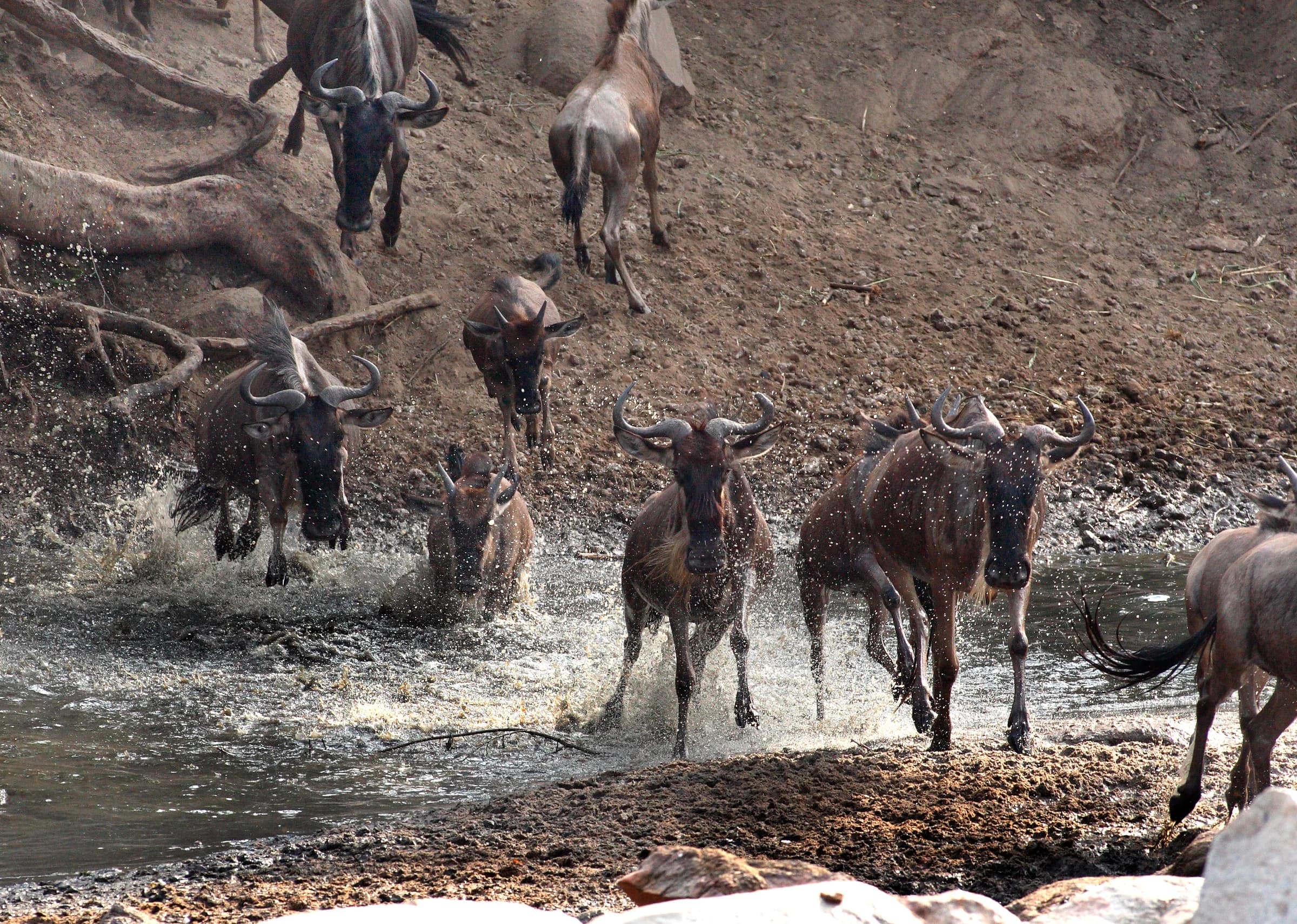
The Serengeti takes its name from the Maasai word siringet, meaning roughly 'the place where the land moves on forever' — a fitting name for a plain that hosts the largest terrestrial mammal migration on Earth, close to two million wildebeest and zebra moving in a rough circle between Tanzania and Kenya every single year.
See full guide →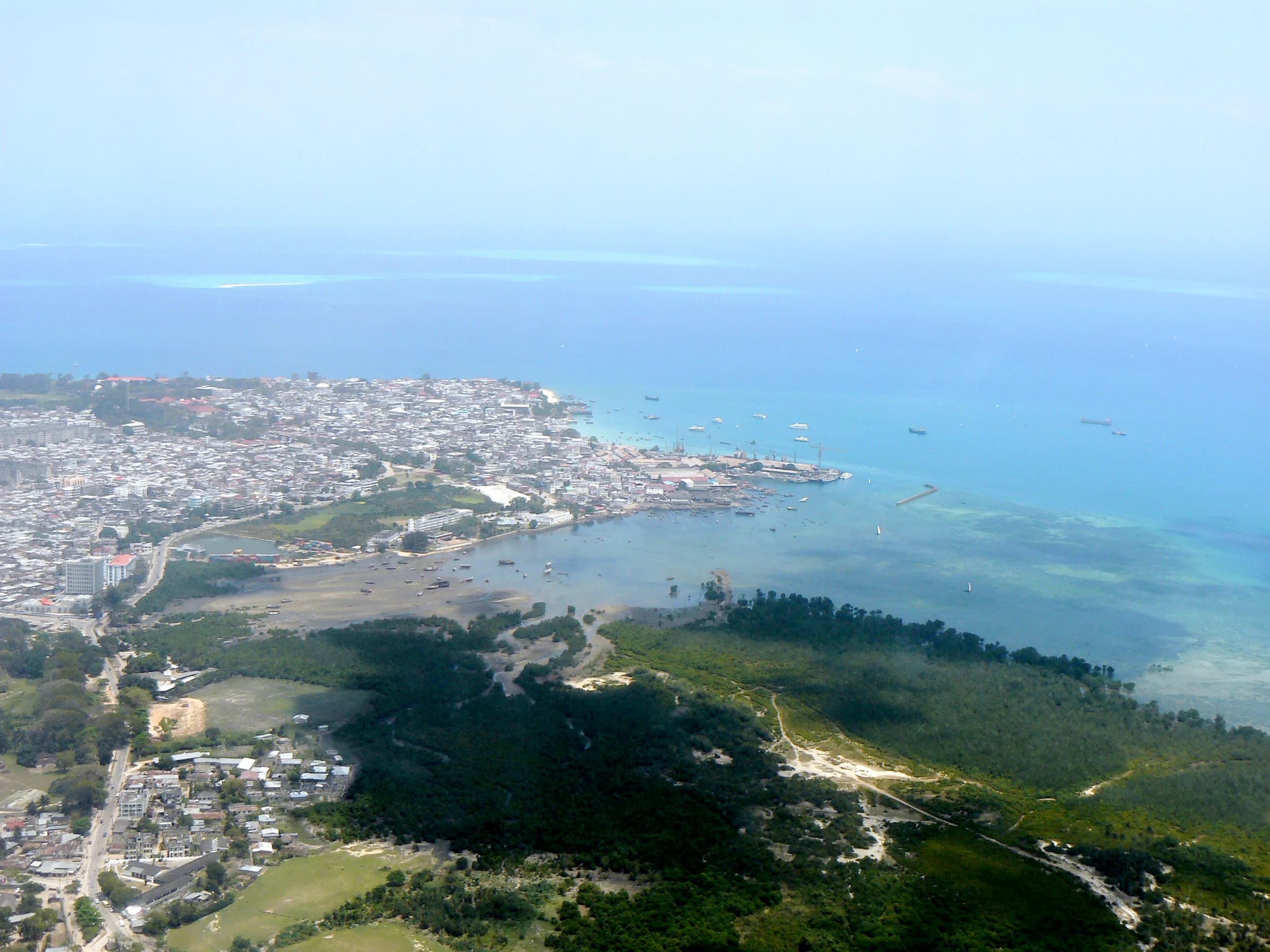 Zanzibar
Zanzibar
Tanzania
Freddie Mercury was born in Zanzibar's Stone Town in 1946, in a house still standing a short walk from the old slave market, a single block of the city holding both a global music legend's birthplace and one of the most sobering chapters of the Indian Ocean slave trade.
See full guide →Comparing more than one route? See the full transport comparison guide.